


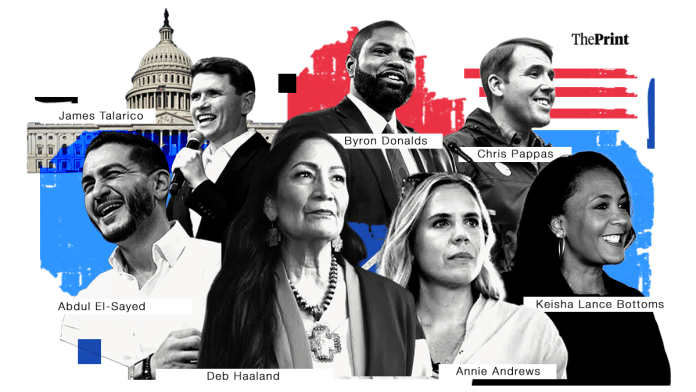
New Delhi: The Republican Party’s poor showing may have been the biggest talking point of the US midterm election results, but the significance of the verdict extends way beyond Democratic victories. The polls also marked a series of breakthroughs, with winning candidates—across the spectrums of race, gender, religion and sexual identity—making history.
In a first, a Black woman is set to take the Governor’s office in Georgia. New Mexico has elected the United States’ first-ever Native American woman governor. In Texas, a Latina woman will hold that position for the first time.
Meanwhile, Michigan elected its first Muslim senator, Minnesota its first Native American woman senator, and New Hampshire its first openly gay male senator.
Illinois is set to become the first state represented by two women of colour in the senate at the same time.
History in the US Senate
Michigan Democrat Abdul El-Sayed, a 42-year-old doctor and progressive insurgent, won the closely watched Senate race, defeating Republican Mike Rogers to become the first Muslim to be elected to the US Senate. His victory adds to the Democrats’ decisive majority in the upper chamber, after the party wrested control of the Senate Tuesday with surprise victories in Texas, Kansas and South Carolina.
El-Sayed’s campaign was marked by attacks from his opponent Rogers and detractors, including President Donald Trump, who repeatedly called him a “jihadist” and suggested he would need to walk through a metal detector to enter the Senate.
El-Sayed campaigned for progressive policies, including Medicare for All, and putting an end to US military assistance to Israel. His nomination became a litmus test of whether a progressive candidate could win a competitive state.
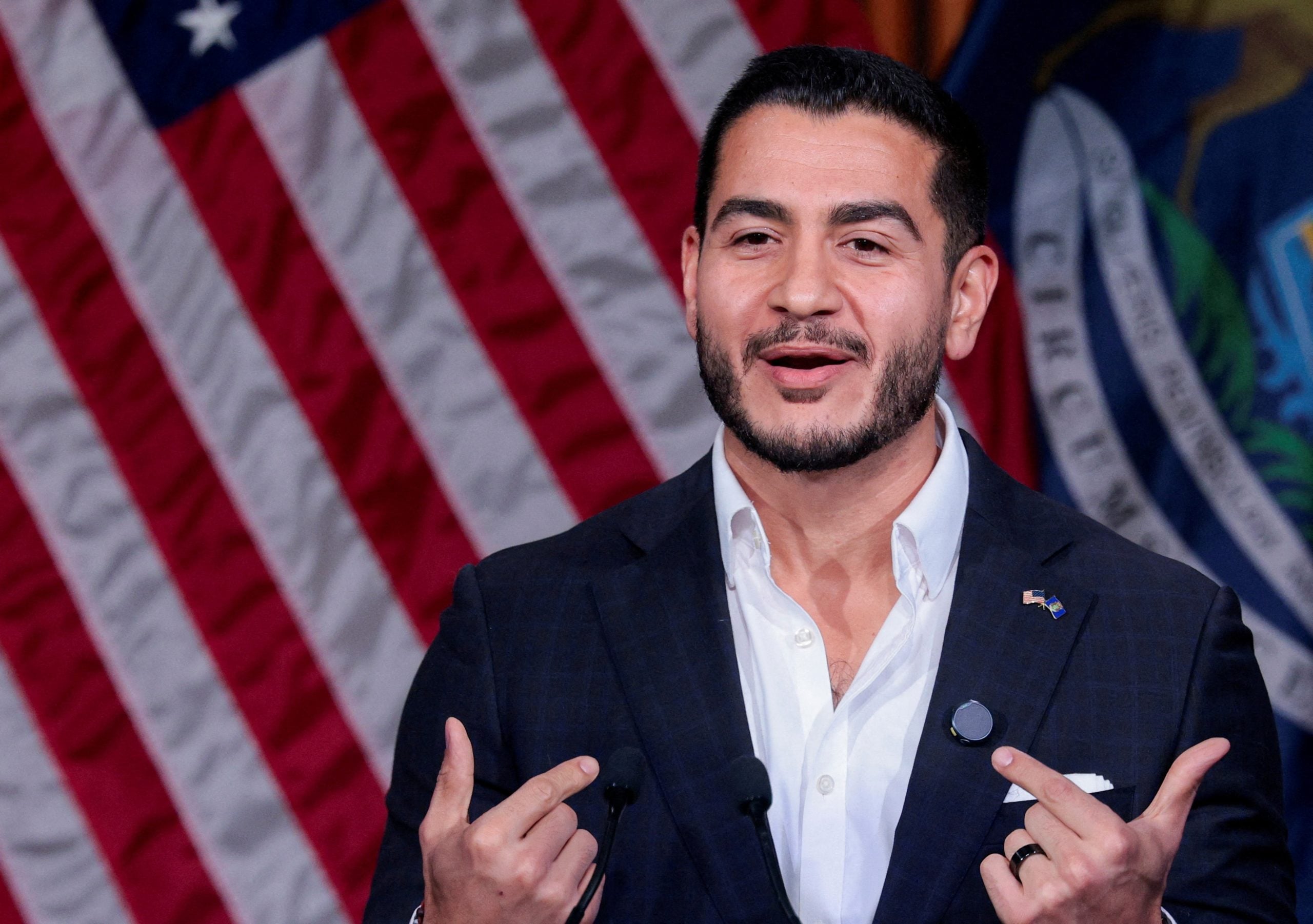
Republicans sought to portray the race as a referendum on the Democratic left, with Trump calling El-Sayed a “communist”, and accusing him of links to the Egyptian Muslim Brotherhood.’
El-Sayed declared victory Wednesday at the Michigan Democratic Party headquarters in Detroit. In his victory speech, he criticised US’ spending abroad, saying, “We want our taxes spent here, for schools here, and healthcare here, and infrastructure here. We don’t want our money sent to do apartheid, or genocide, or war.”
He also had a pointed message for Vice-President J.D. Vance, who is constitutionally required to administer the oath of office to senators: “J.D., habibi, there is this delicious irony in the fact that you’re constitutionally obligated to swear me in in January.”
He went on to take a swipe at Trump, who had repeatedly struggled to pronounce his name during the campaign. “Donald, look, I know you struggled with my name. So after J.D. swears me in in January, you can just go on and call me senator,” he remarked.
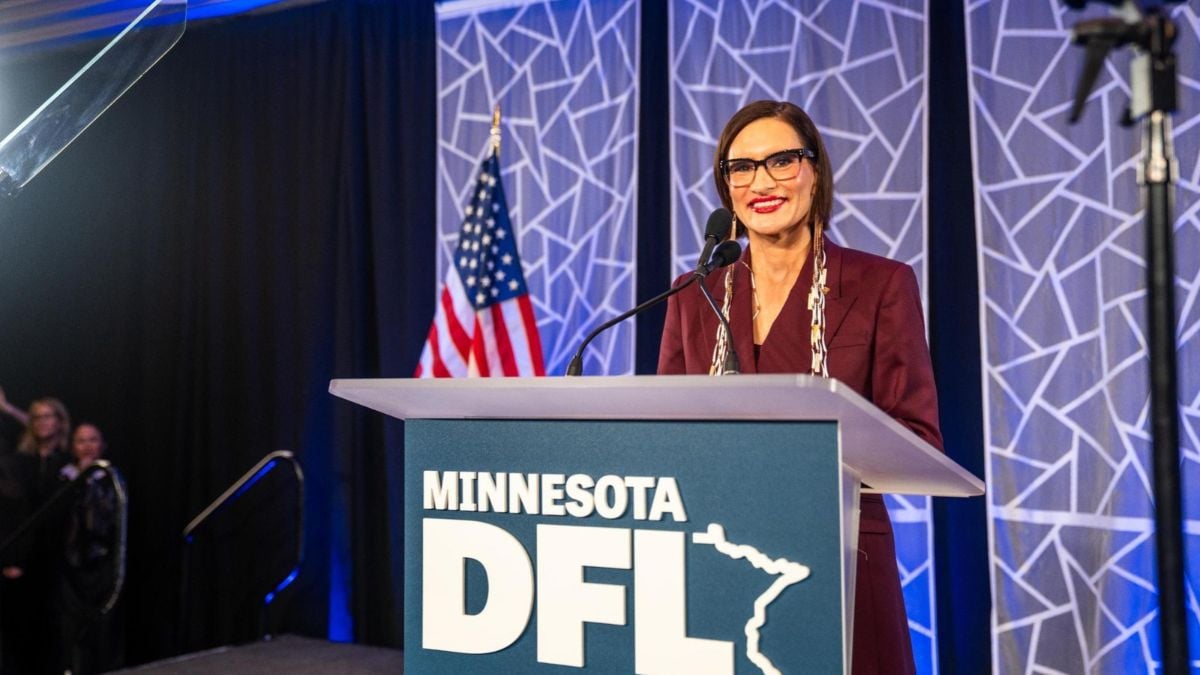
In Minnesota, Democrat Peggy Flanagan became the first Native American woman to be elected to the US Senate. She is an Anishinaabe Kwe or Ojibwe woman, hailing from a group of culturally related Indigenous peoples in the Great Lakes region of Canada and the United States.
Flanagan secured 54 percent of the vote against Republican Michele Tafoya’s 43 percent in the race to replace outgoing Democratic Senator Tina Smith.
At her victory gathering, a White Earth Nation drum group performed a song celebrating her win.
“You’ve helped me become the first Native American woman in history to be elected to the United States Senate,” she said. “Do not be disheartened that it took 250 years for one of us to get here. Be inspired by the fact that with grit and determination and the resilience of our people, whichever one of you is next, you’re going to get here a lot faster.”
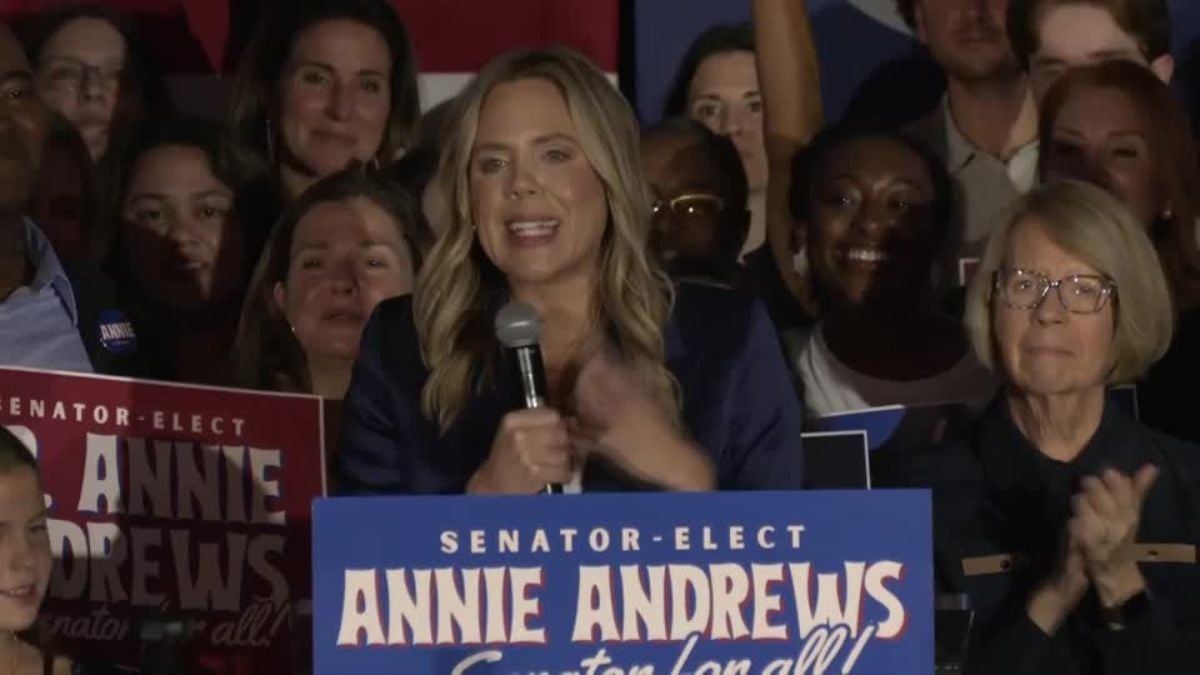
In South Carolina, a Democrat broke a 25-year Republican hold on the Senate seat. Annie Andrews, a paediatrician who made healthcare affordability the central theme of her campaign, faced a formidable challenge in a state which was long considered safely Republican, but emerged victorious.
Her opponent, Darline Graham, is the sister of the late Republican powerbroker Lindsey Graham. Darline had replaced her brother as South Carolina senator after his death in July this year.
In New Hampshire, Democrat Chris Pappas is the first openly gay person to be elected senator. Pappas currently serves in the House of Representatives. He defeated former Republican Senator John E. Sununu.
Pappas’s sexual identity was not the central feature of his campaign. He instead focused on issues that dominated the Democratic platform, including high prices, healthcare costs and corruption in Washington. His husband was present at some campaign events.
“I think people, regardless of their politics, really just want their neighbours to be able to be themselves,” Pappas had told The New York Times in October.
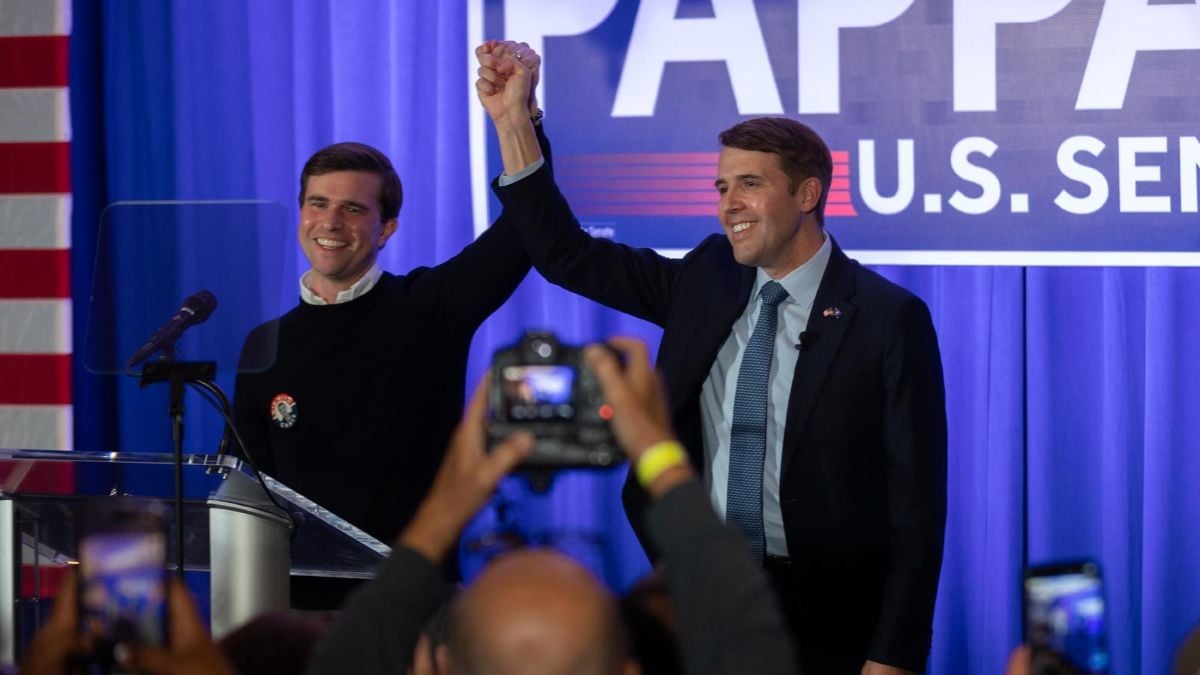
Illinois, meanwhile, is set to be the first American state to have two women of colour serving in the Senate simultaneously. Democrat Juliana Stratton has defeated Republican Don Tracy and will be sworn in as senator on 3 January, 2027. With that she will join incumbent Senator Tammy Duckworth in the Senate.
Duckworth herself has broken several barriers, being the first Thai American woman to be elected to Congress, and the first female double amputee to serve in the Senate.
Stratton had defeated several high-profile candidates, including Representatives Robin Kelly and Raja Krishnamoorthi, in the Democratic primary before taking on Tracy in the general election.
Duckworth said the result was a moment of pride for the state. “It’s the first time any state has sent two women of colour in our nation’s entire history. What it tells me is that representation matters,” she told NBC Chicago.
The biggest upset for the Republican Party came in Texas, where Democrat James Talarico defeated Ken Paxton, ending a 38-year Democratic drought. Talarico’s win marks the first time since 1988 that a Democrat has won a US Senate seat in the state, a traditionally Republican stronghold.
A former schoolteacher who was relatively little known until last year, Talarico made the rising cost of living under Republican leadership the central theme of his campaign.
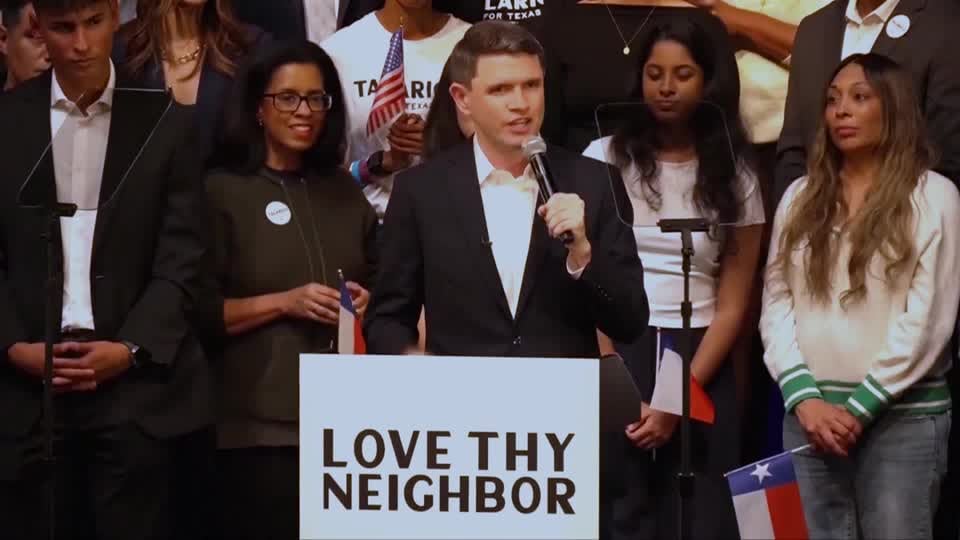
For decades, the prospect of a Democrat winning a statewide election in Texas had seemed remote. The US’ second-most populous state has been a bastion of conservative politics, often serving as a testing ground for Republican policies later adopted elsewhere.
The race was also one of the most expensive Senate contests in American history, with spending exceeding half a billion dollars. Billionaire Elon Musk contributed $158 million to a super PAC supporting Paxton’s campaign—a figure Talarico repeatedly brought up during his campaign to question the influence of wealthy donors in the race.
Also Read: From ‘jihadist’ to ‘Senator Muhammad’ – How Abdul El-Sayed handles attacks on his faith
A Latina governor in Texas, a Black governor in Florida
The governors’ races have produced some of the biggest milestones of this election.
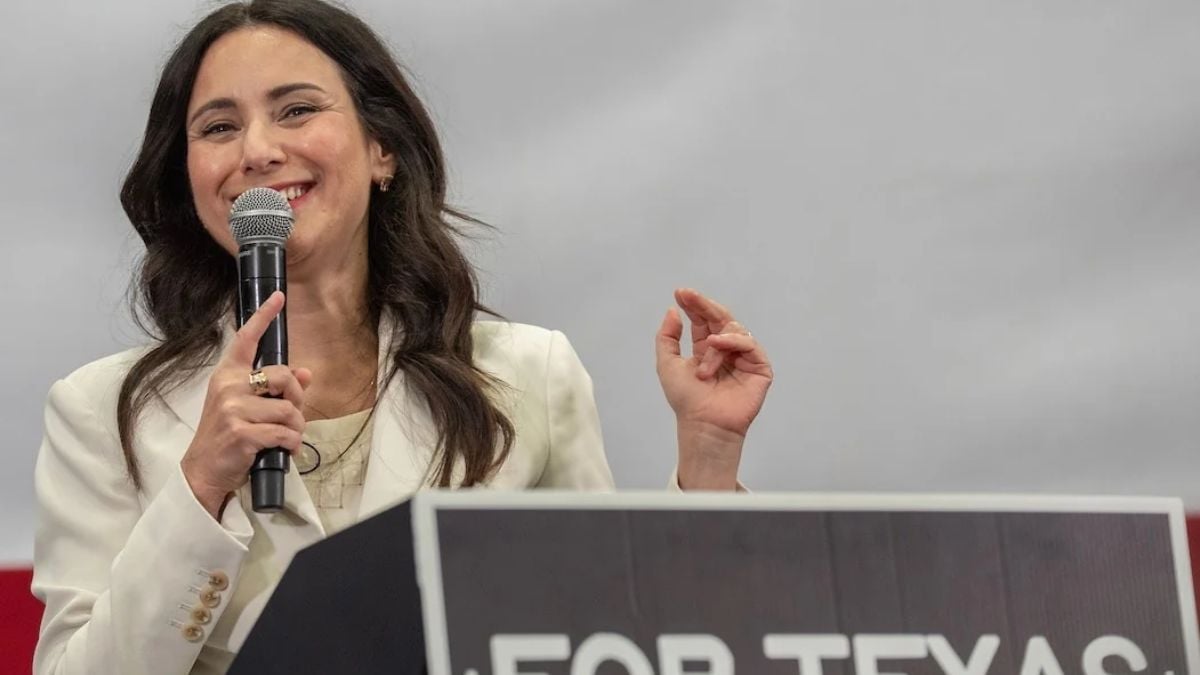
Texas elected its first Latina governor. Democrat Gina Hinojosa defeated three-time Republican Governor Greg Abbott, ending the party’s hold on the state’s highest executive office, and thwarting his bid for an unprecedented fourth term. A Democrat had not won the Texas Governor’s office since 1990, when voters had elected Ann Richards.
“We shocked the world tonight,” Hinojosa told cheering supporters after the race was called. “We showed that anything is possible.”
In Ohio, Democrat Amy Acton defeated Indian origin billionaire Vivek Ramaswamy, becoming the first Democrat and the first woman to win the state’s governorship in two decades. Ohio, a key electoral battleground through much of the 2000s, has shifted towards Republicans in recent presidential elections, having backed Trump by 11 percentage points in 2024.
The campaign was also overshadowed by a controversial personal attack advertisement released by Ramaswamy’s team. The ad featured Acton’s estranged mother, Donna Arthur, accusing her daughter of having “lied her entire life”. It did not mention that Arthur’s husband was charged with raping Acton, when she was a child.
The advertisement had drawn criticism in the final weeks of the campaign. Former South Carolina Republican Governor Nikki Haley had condemned it, while Ohio’s incumbent Republican Governor Mike DeWine had called it “deeply troubling”.
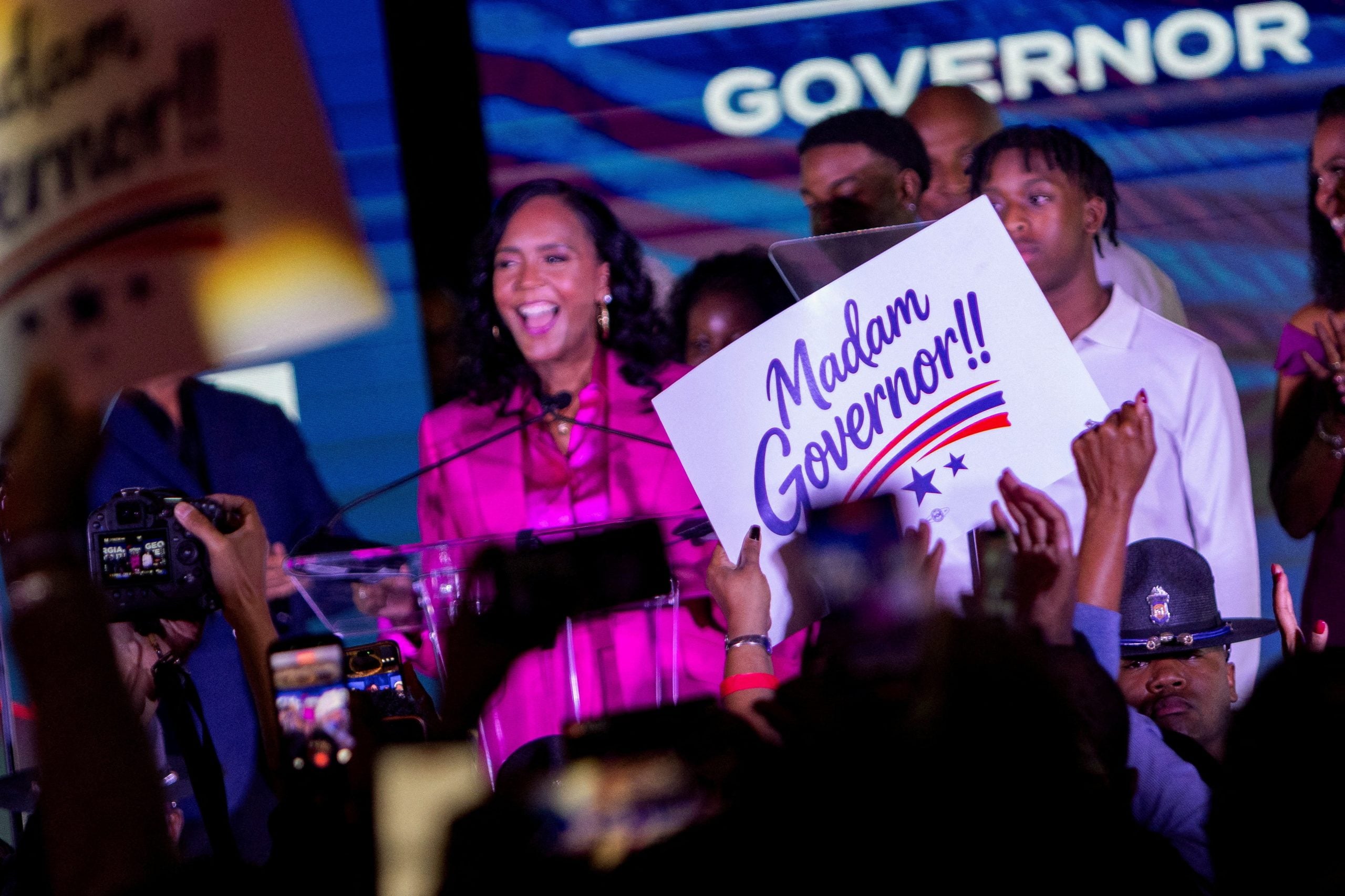
Meanwhile in Georgia, Democrat Keisha Lance Bottoms, former mayor of Atlanta, has become the first Black woman to be elected governor in US history. The 56-year-old defeated Republican Rick Jackson, a billionaire entrepreneur. The state—shaped by the legacies of slavery, segregation and the civil rights movement—has also elected its first Democratic governor in more than 25 years.
Since the beginning of her campaign, Bottoms positioned herself as a vocal opponent of Trump. The president had won Georgia two years earlier, but his political standing in the state had since been weakened by a criminal indictment related to his efforts to overturn his 2020 election defeat, and by the rejection of several candidates he had endorsed in statewide contests.
She made voting rights, the war with Iran, affordability and minority representation central to her campaign, following a Supreme Court decision this year that weakened much of what remains of the Voting Rights Act, one of the key achievements of the civil rights movement. Voting access had already become a significant issue among Black voters in Georgia after Republicans introduced new restrictions in response to Democratic gains in previous elections.
In New Mexico, Democrat Deb Haaland has become the first Native American woman to be elected governor in US history, defeating Republican Gregg Hull, a former mayor. For Haaland, the victory adds another milestone to a career marked by historic firsts. After becoming one of the first two Native American women to be elected to the Congress in 2018, she went on to become the first Native American Cabinet secretary, heading Biden’s Department of the Interior.
Asked about the significance of her various political identities in a recent interview with Associated Press, she replied: “I mean, somebody has to be the first. I just don’t want to be the last, right?”
Meanwhile, Florida has elected its first Black governor, Byron Donalds, the only Republican to make the list of historic milestones.
Donalds, backed by Trump, defeated Democrat David Jolly in a closely fought race. He is a three-term Congressman representing Florida’s 19th District (Southwest Florida, including Naples). In a victory statement, Donalds thanked supporters and pledged to make life more affordable, keep streets safe and protect the “Florida Dream”.
“Mr. President, I want you to hear from Florida that we are still red,” he said. “We are going to make sure Florida remains the very best state in all of USA.”

The many firsts in US House
Democrats are poised to win at least 258 seats out of 441 seats in the House of Representatives, or the Lower House. There are a number of firsts there as well.
Allison Montgomery won Alabama’s State House District 25 election, flipping the seat from Republican to Democratic. She becomes the first transgender woman to be elected to the Alabama Legislature.
Abier Kawas made history as the first Palestinian American woman who wears a hijab to serve in the New York State Legislature. She is also among a small number of Palestinian Americans to have been elected to state legislatures across the United States. Kawas is a member of the Democratic Socialists of America, which has made significant electoral gains since one of its members, Zohran Mamdani, won New York City’s mayoral race last year.
Melat Kiros, a lawyer and democratic socialist, won Colorado’s 1st Congressional District. She becomes the first Black woman to represent the state in the House, and at 29 she is one of its youngest members.
Adam Hamawy, a retired Army combat surgeon, won New Jersey’s 12th Congressional District. He is the first Muslim to represent the state in Congress.
Pia Dandiya, a first-generation Indian-American educator, won Florida’s 22nd Congressional District. She is the first person of Indian origin to represent Florida in Congress.
(Edited by Mannat Chugh)
Also Read: First openly gay US senator wants to take on Trump & corporate politics