


New Delhi: Regularly consuming alcohol can make immunotherapy for cancer less effective by changing the behavior of immune cells that attack tumours, found a new study. In mice with lung and bladder cancer, immunotherapy became 50 per cent less effective when they were also given ethanol along with the treatment.
The study was published in Science Signaling on 17 November by researchers at the Bowles Center for Alcohol Studies in the University of North Carolina at Chapel Hill. The team, led by Kristen Gilley, a cancer immunology and pharmacology researcher at the university, studied mice with lung and bladder tumors.
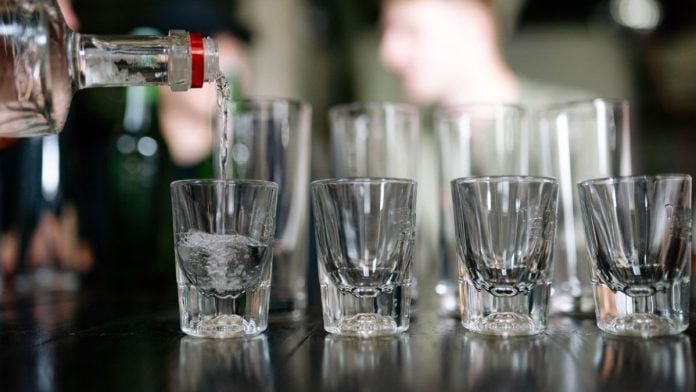
According to the study, when mice were exposed to alcohol — the equivalent of 3 to 6 daily drinks among human beings, it reduced the effectiveness of immunotherapy by 50 per cent.
Also read: US, China dominate AI debate, but Japan, Germany hold key supply chain chokepoints
How immunotherapy works
Unlike chemotherapy, where drugs are injected into the body to kill cancer cells directly, immunotherapy helps the body’s own immune system recognise the cancer and then fight it off. Cancer cells sometimes prevent the immune system from attacking them by using existing mechanisms in the body that stop our immune system from attacking healthy cells. These are called ‘immune checkpoints’.
Cancer cells use these immune checkpoints to make sure the body does not recognise them. However, immunotherapy includes drugs that allow immune cells to spot the cancer. Many of these checkpoints function using proteins on immune cells. One such protein is called TIGIT.
The TIGIT acts like a brake on immune activity. Now, researchers have found that consuming alcohol increases the number of T cells that carry the TIGIT protein, eventually suppressing the immune system’s ability to attack cancer.
The study also found that alcohol consumption changes the balance of T cells, white blood cells, in the body. There are two key types of T cells that researchers studied — TH1 cells and TH17 cells. The former helps coordinate immune responses against threats such as cancer, and the latter acts as a helper T cell which often responds to inflammation and other such emergencies.
Researchers found that consuming alcohol leads to an increase in TH17 T cells and a comparative reduction of TH1 cells associated with tumors. Alcohol also affects T cells that can remember threats the body has encountered earlier, helping the immune system respond faster when the same threat returns.
The study’s findings are among the first to identify how alcohol consumption can affect cancer therapy at a molecular level. Earlier studies have also shown that alcohol weakens the immune system’s ability to fight off viruses, bacteria, and tumor cells.
While physicians have explained this to patients, the study claims that nearly 76.4 per cent of cancer patients still drink alcohol.
“This work is an initial resource toward establishing the risk of regular alcohol use on the efficacy of [immune checkpoint inhibition] and identifying the mechanisms that might be targeted for intervention,” read the study, highlighting the importance of incorporating a patient’s alcohol use into cancer databases.