





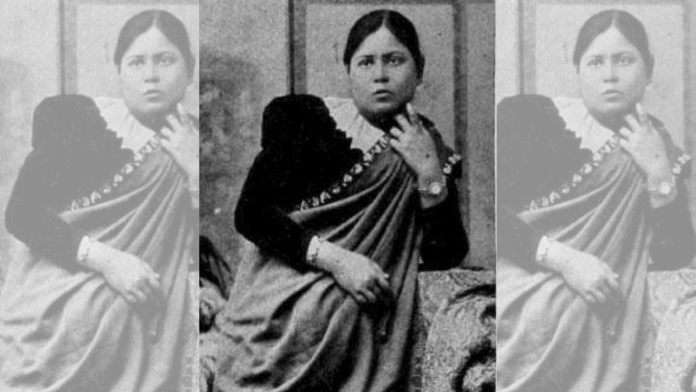



Jamini had seen in Bengal, how diseases like plague and cholera ran rampant, killing hundreds and thousands. The poor, the destitute and the malnourished were the first to fall prey. Children, especially, were easy victims for deadly diseases.
In the early part of the nineteenth century, cholera was a more Bengal-centric disease, but it didn’t remain confined to this geographical limitation and spread instead to other parts of British India. It was a cause of great concern for the British, being a threat to its company officials and the army. After the cholera epidemic of 1868, a committee was set up, and their recommendation was improvement in sanitation, better hygiene and better organization of gatherings like fairs and festivals, where travellers and pilgrims were likely to carry the disease and infect others.
Plague, which had been a curse for many parts of the country, was especially rampant in port cities like Calcutta and Bombay and the first official records of the bubonic plague date back to 1896. Jamini, in the course of her early work in Calcutta had seen some cases where the patient’s body was mottled dark and painful boils emerged from the skin. The disease had already been there in Bengal much before the official records. It devastated India and spread like wildfire, seeming impossible to control or treat. The Plague Commission was formed in 1896,under the leadership of Professor T.R. Frasor, and in the years to come, their report recommended disinfection, improved sanitation and control over mass movement of people.
In Nepal, Jamini saw the same signs that cause sudden surges of epidemic and sickness and she urged Prithvi to work faster and pave the way for better hygiene, sanitation and clean water.
The Nepali people were fierce in their devotion to their gods and their native beliefs and had always turned to traditional medicine, their shamans and their deities at times of sickness. Jamini knew from her experience with the village people in Bengal that if they were told to adopt new practices and drop the old, they would rebel. So, she suggested an all-inclusive method. They would keep their beliefs and their faith but add new habits of cleanliness and hygiene. Piety would blend with modern methods and it didn’t matter who got the ‘credit’ as long as the patient was healed.
Also Read: How poetry helped me bring back my lost home in Manipur
Doctor to the King of Nepal
And there was, of course, Prithvi himself, who insisted that Dr Sen visit him once every day. For a few days, he had taken to sending a servant to find Jamini and summon her. The first time Jamini had quickly delegated the patients she was seeing to another doctor and rushed to the palace’s inner sanctum, fearing she would find the king suddenly and gravely ill. Instead, she had found Prithvi pacing the floor, his normally pale complexion florid because the Rana prime minister would not let him go horse riding outside. The young king fumed and fretted and tried to explain to a now visibly annoyed Jamini how unfair it all was. A servant, the king’s valet, stood by, wringing his hands and watching his master anxiously. Another servant was collecting a pile of fruit from the carpet. The king had apparently tossed a plate of apples over in his rage. Jamini looked at Prithvi, recommended a cold bath and marched out.
The second time the same palace servant appeared in the hospital in the early hours of the morning, Jamini, who had just finished a round of the wards, went with him quickly. The king would surely not do the same thing twice. As she made her way to the palace, she was making a list of possible ailments that could have so suddenly befallen the young ruler. Overindulgence on sweetmeats was a high possibility, she wryly admitted to herself.
Upon arrival at the palace, Jamini found a dishevelled Prithvi robed in a huge flowing silk dressing gown, sitting in an arm chair in a corner of the library room. His face was pallid andhe wore a haunted look. All the windows were shuttered closed and the electric lights were blazing.
On seeing her, Prithvi accused her of lateness. Didn’t she care that the king of Nepal was on his deathbed? Dereliction of duty! That’s what this was. He would report her.
When Jamini calmly asked, ‘To whom?’ Prithvi got to his feet, and with his hands clasped behind his back, paced the floor, bemoaning his fate and raging at all doctors.
It emerged that Prithvi had had bad dreams. Nightmares. He had been thrashing around in the bed, all entangled in his sheets when the valet had woken him up. He was convinced that it was a bad omen. He was going to die. That very day.
Jamini asked him to be seated, and in her cool, precise voice asked the valet to have the windows opened and have some black tea brought in. As Prithvi subsided in his chair, the servant hurried to do her bidding. She took a notepad out of her medical bag and sitting opposite the young king asked him for a list of what he had eaten the night before.
 This excerpt from ‘Daktarin Jamini Sen’ by Deepta Roy Chakraverti has been published with permission from Penguin India.