




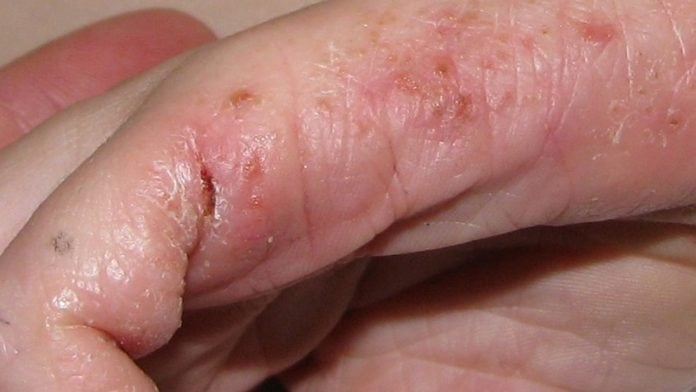

Every winter, dermatology clinics see a familiar pattern: patients arrive complaining of persistent itching, rough skin, redness, and cracks despite applying moisturiser several times a day. Many dismiss these symptoms as ordinary winter dryness. However, when dry skin becomes inflamed, persistently itchy and damaged, it may be more than a seasonal inconvenience. It could be eczema.
In India, low humidity, cold weather, pollution and everyday bathing habits can aggravate skin problems. Eczema is often overlooked until the discomfort begins to interfere with sleep and quality of life.
When is dry skin no longer just dry skin?
Dry skin, medically known as xerosis, typically feels rough, tight or flaky. Asteatotic eczema, also called eczema craquelé, develops when the skin barrier becomes impaired, leading to inflammation and itching.
The skin may develop a cracked pattern resembling dried mud, particularly over the shins, arms and thighs. Atopic dermatitis, another common form of eczema, causes recurrent itchy patches and may be associated with a personal or family history of asthma or allergies.
Not every case of winter itching is eczema. Fungal infections, contact dermatitis and psoriasis can produce similar symptoms and require different treatments.
Why does winter trigger eczema?
Our skin relies on a protective barrier of skin cells and lipids to retain water and protect against irritants. Cold weather and low humidity increase water loss, making skin more vulnerable to inflammation.
Several everyday habits can worsen the problem:
* Hot showers: Prolonged exposure removes protective skin lipids.
* Harsh soaps: Fragranced products and strong detergents aggravate the damaged barrier.
* Over-bathing: Repeated washing without moisturising intensifies dryness.
* Woollen clothing: Coarse fabrics may worsen itching and irritation.
* Scratching: Damages the skin further, perpetuating the itch–scratch cycle.
A familiar winter story from the clinic
Consider a common clinical scenario: a middle-aged patient arrives with intensely itchy, cracked skin over the lower legs. Initially, the problem seemed like ordinary dryness. The patient tried scented body lotions, scrubbed away flakes and took long, hot showers for relief. Gradually, the itching worsened, particularly at night, and red, fissured patches developed.
The patient assumed the skin simply needed more oil. However, the examination suggested winter-associated eczema. Treatment needed to address both the damaged skin barrier and inflammation, rather than merely adding another cosmetic product.
This illustrates an important point: when moisturising alone is not enough, persistent itching and inflammation deserve a proper dermatological assessment. This is an illustrative clinical scenario, not an identifiable patient’s case.
How can winter eczema be prevented?
Prevention begins with protecting the skin barrier before severe itching develops.
- Keep showers short and lukewarm. Avoid prolonged bathing and excessively hot water.
- Choose gentle cleansers. Fragrance-free, mild cleansing products are preferable to harsh soaps.
- Moisturise immediately after bathing. Pat the skin gently and apply a thick cream or ointment while it is still slightly damp. Ingredients such as glycerin, ceramides and petrolatum help maintain hydration and reduce water loss. Reapply at least twice daily and whenever necessary.
- Avoid scratching and scrubbing. Keep nails short and use a cool compress for temporary relief. Avoid exfoliating gloves and aggressive scrubs on inflamed skin.
- Wear comfortable fabrics. Soft cotton may be better tolerated than coarse wool. Fragrance-free laundry products can also help if clothi
- Seek treatment when symptoms persist. A dermatologist may recommend an appropriate topical anti-inflammatory treatment, such as a corticosteroid, depending on the diagnosis and severity. These medicines should be used with professional guidance.
A dermatologist’s home-care tip for winter dryness
Over the years, I have learnt that simple skincare habits can make a meaningful difference. Glycerin is a humectant that attracts and retains water in the skin. A fragrance-free moisturiser containing glycerin, applied after bathing while the skin is slightly damp, can improve hydration and reduce tightness. For very dry skin, plain petrolatum layered over the moisturiser helps seal in moisture.
I caution against applying concentrated camphor mixtures to eczema-prone, cracked or inflamed skin because they may cause irritation. Similarly, although vitamin E is often promoted as a home remedy, applying the contents of a broken vitamin E capsule is not a proven eczema treatment and may trigger allergic contact dermatitis. A properly formulated moisturiser is generally safer.
Nutrition matters, too. A balanced diet containing omega-3 fatty acids from oily fish, walnuts, flaxseeds and chia seeds, alongside vitamin E sources such as almonds, sunflower seeds and vegetable oils, supports overall health. However, these nutrients should complement, not replace, appropriate eczema treatment. Consider supplements when dietary intake is inadequate or a deficiency has been identified.
Also read: Grey patches on your skin? It may not be melasma
When should you consult a dermatologist?
Do not ignore persistent itching, recurrent redness, painful cracks, bleeding or disturbed sleep. Seek prompt medical attention if the skin becomes increasingly painful, warm or swollen, develops pus or honey-coloured crusts, or is accompanied by fever. Rapidly spreading redness or painful blisters also warrant urgent assessment.
People with diabetes, older adults and those with significant immune suppression should be particularly cautious about skin breaks and infection.
Winter eczema is not simply a cosmetic problem or a sign of poor hygiene. It reflects a compromised skin barrier and, in many cases, inflammation requiring appropriate care.
The best strategy is to moisturise early, bathe gently, avoid irritants and recognise when ordinary dryness has crossed the line into disease.
Dr Deepali Bhardwaj is a Consultant Dermatologist, Max Hospital, Saket. She is also an anti-allergy specialist, laser surgeon and internationally trained aesthetician. She tweets @dermatdoc. Views are personal.
(Edited by Ratan Priya)