






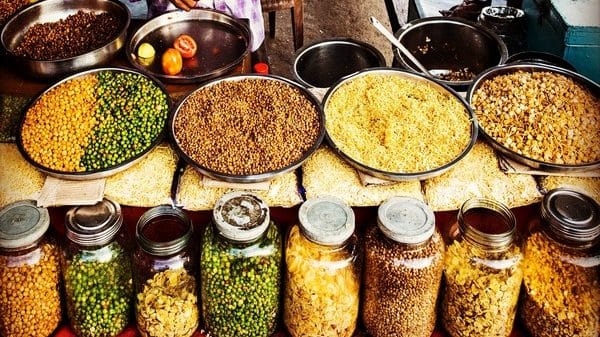



Every year on 10 February, the United Nations (UN) marks World Pulses Day, a global observance aimed at raising awareness about pulses. What was once considered a humble staple in traditional diets is now gaining international recognition as a symbol of nutritional excellence, climate-smart agriculture and economic opportunity. The theme for World Pulses Day 2026, “Pulses of the world: from modesty to excellence,” captures this shift perfectly. It highlights how pulses, long overshadowed by more widely marketed foods, are essential actors in addressing global challenges such as malnutrition, climate change, and the resilience of the agrifood system.
According to the United Nations, pulses are nutrient-dense foods high in protein, dietary fibre, vitamins, and minerals, making them especially valuable in diets where animal-sourced foods are scarce or unaffordable. Evidence underscores the nutritional superiority of pulses. On average, pulses contain 18–25 percent protein—significantly higher than most cereals—and provide up to 45 percent of daily folate requirements and 25 percent of iron needs per 100 g of cooked serving. Their low glycaemic index (GI 28–52) contributes to improved blood sugar regulation, while regular consumption has been associated with a 22 percent reduction in coronary heart disease risk.
Beyond nutrition, pulses are also environmentally strategic. They fix atmospheric nitrogen through symbiosis with soil bacteria, enhancing soil fertility and reducing the need for synthetic nitrogen fertilisers, which are major contributors to greenhouse gas emissions. This results in 30–40 percent lower greenhouse gas emissions per hectare compared with fertilised cereal systems, while also improving soil structure and supporting biodiversity.
According to data from the United Nations Food and Agriculture Organization (FAO), global pulse production was nearly 96 million tonnes in 2022, with average per capita consumption at approximately 7 kg per person per year. Forecasts suggest production may reach 125 million tonnes and average consumption may rise to 8.6 kg per person by 2032 if current trends continue. Global trade in pulses has also grown, with production estimated at around 101 million tonnes in 2024 and world pulses trade volumes at roughly 20.7 million tonnes, showing rising demand and expanding markets.
World Pulses Day aligns with the United Nations Sustainable Development Goals (SDGs), linking nutrition (SDG 2) through affordable protein, good health, and well-being (SDG 3) by reducing diet-related diseases, economic inclusion (SDG 8) via rural employment, and climate action (SDG 13) by lowering emissions and enhancing soil carbon sequestration. Pulses contribute to food security and better diets, support farm productivity through soil enhancement, and encourage diversified, resilient agricultural systems. They are also vital for smallholder farmers and rural economies, especially in low- and middle-income regions where pulses are both consumed locally and traded regionally.
Often overshadowed by cereals or animal proteins in public discourse and dietary marketing, pulses are now being reimagined as high-value foods with a remarkable role in modern food systems. Pulses deliver high-quality protein and essential micronutrients at low cost, making them critical in combating hunger and malnutrition. By supporting local food systems and value chains, pulses generate jobs and incomes—especially for rural women and youth—through cultivation, processing, and trade. Their affordability also makes them accessible to low-income households, amplifying impacts on food security and social equity.
Smallholder- and women-led pulse value chains can be strengthened through targeted seed systems, market access policies, and gender-responsive agricultural extension, thus boosting rural incomes and dietary quality while advancing food security goals. Stakeholders are championing pulses year-round in several key ways:
- Food industry innovators are introducing pulses into modern cuisines, plant-based products, and convenience foods, raising their profile among urban and young consumers.
- Public health advocates are promoting pulses in dietary recommendations to address malnutrition and diet-related diseases.
- Farmers and extension services are expanding pulse cultivation through sustainable practices, including crop diversification and organic rotations.
- Governments and international agencies are developing policies and investments that strengthen pulse value chains and market access.
World Pulses Day 2026, under the theme “Pulses of the world: from modesty to excellence,” underscores the need to move beyond awareness toward systematic policy integration of pulses into national and global food strategies. Governments and development partners are called to embed pulses within agricultural investment plans, public procurement schemes, school feeding programmes, dietary guidelines, and climate-smart agriculture policies. Equally, aligning pulse promotion with nutrition and health policies offers a cost-effective pathway to address malnutrition and diet-related non-communicable diseases. Recognising pulses as strategic crops rather than marginal commodities positions them as practical tools for advancing the Sustainable Development Goals (SDGs), building resilient agrifood systems, and ensuring that sustainable, healthy diets are accessible to all.
Shoba Suri is a Senior Fellow with the Health Initiative at the Observer Research Foundation.
This article was originally published on the Observer Research Foundation website.