








Social media platform X reportedly banned several accounts in India that allegedly promoted child sexual exploitation and non-consensual nudity content, several users claimed. We have heard the word ‘ban’ before as well, but there is nothing actually banned in India. This is just another thing in the basket.
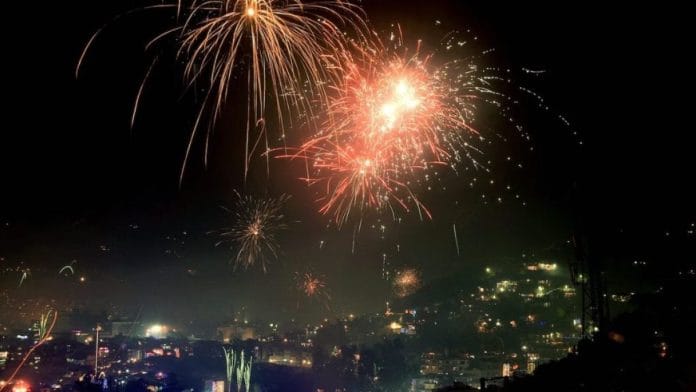
In 2015, porn was banned in India. But all that content is just one search away from you. In 2022, single-use plastic was banned in Delhi, and if you move your neck around in any market, you would know that the word ban is the biggest joke. To top it all, the Supreme Court has banned firecrackers during Diwali, but by night, the loud noises, which go on for more than a day, and the AQI laugh at such bans.
I can’t even recall how many times the government has banned the selling of gutkas, but after every few metres, you will find a shop selling the item. Even during the Covid-19 pandemic, when everything was stopped, people were calling each other to buy boxes of gutka in bulk.
From Gujarat to Bihar, states have banned liquor years ago, but there are parallel markets that sell liquor on a mass level. So whatever is banned is easily available, and porn is the easiest available content in the world. Twitter reportedly banned several accounts, but these accounts can create several other IDs.
Also read: Kerala, Keral, Keralam. I’m a Malayali and the name change is more annoyance than pride
A ban without enforcement is symbolism
This is not to dismiss the intent behind bans. Regulating child exploitation content, reducing plastic waste, or controlling pollution are necessary goals. But without consistent enforcement, public buy-in, and systemic follow-through, bans become symbolic gestures.
And symbolic gestures, in a country of 1.4 billion people, rarely change behaviour.
Perhaps the real issue is not whether something is banned, but whether institutions are willing to invest in sustained enforcement, digital literacy, infrastructure, and cultural change. Because in India, prohibition without persistence is just paperwork, and Twitter is repeating the old mistakes other institutions have made, the social media platform explained why it took this decision.
“We overturned none of these account suspensions after reviewing the specifics of the situation. All accounts remain suspended. We also received 12 requests related to general questions about Twitter accounts during this reporting period,” said the company.
The word “ban” once meant closure. Today, it feels like a pause button that no one presses; it just exists randomly.
The problem is not the action of banning, but maybe our dependence on it as the first and only solution. In India, it gives the impression of urgency, morality and control, a ban often substituted for governance. But even after all this, the behaviour does not disappear because of an announcement. Demand does not vanish because a website or some accounts are blocked. Pollution does not decline because a circular was shared.
A ban without enforcement is symbolism. A ban without social change is theatre. And slowly, citizens begin to treat every new prohibition not as law, but as background noise.
(Edited by Saptak Datta)