






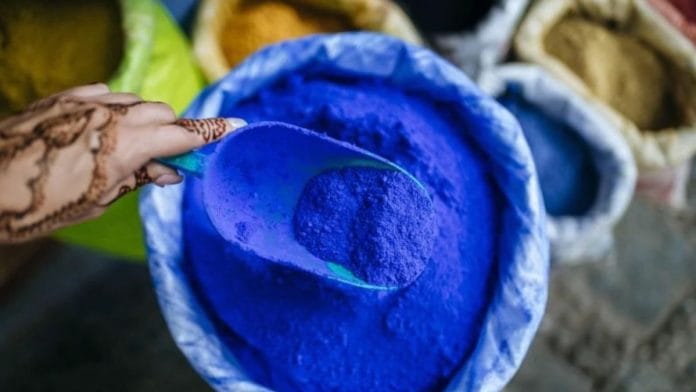


Beauty influencers tout Moroccan Nila powder—popularly known as blue clay or blue powder—as a natural solution for brighter, more radiant skin, reduced pigmentation, and an even complexion. But it is essential to examine such trends with both cultural respect and scientific scrutiny.
Moroccan Nila powder is a traditional cosmetic used for generations in parts of Morocco, especially in women’s beauty rituals. Characterised by its striking blue hue, it is typically mixed with rose water, yogurt, argan oil, honey, or other natural ingredients to create masks and pastes. Historically, it has been valued for enhancing skin appearance, promoting smoothness, and supporting ceremonial self-care practices.
However, unlike well-researched dermatological ingredients, Moroccan Nila powder lacks extensive clinical studies on its exact composition, long-term safety, and efficacy. Products available online or in markets can vary widely depending on sourcing and processing. Some contain mineral-rich clays, while others may include added pigments or undisclosed additives. This variability makes it difficult for consumers to know precisely what they are applying to their skin.
The label “blue clay” can be somewhat misleading. Not all versions are true geological clays; many are pigment-heavy mineral powders that derive their colour from natural compounds. This blue tone may create an immediate optical brightening effect when applied, but it does not necessarily translate to lasting changes in skin biology. As dermatologists, we always stress the importance of transparent ingredient labelling, especially with imported or traditionally sourced products that may not meet modern regulatory standards.
Natural is not always safe
A few months ago, 29-year-old software professional Neha Singh visited my clinic carrying a vibrant blue jar she had ordered after seeing glowing reviews on Instagram and YouTube. Neha, who deals with mild pigmentation and dullness from long screen hours and Delhi’s pollution, had been applying the Nila powder mixed with rose water twice weekly. She initially loved the “instant glow” after rinsing it off, but soon developed redness, dryness, flakiness, and increased sensitivity on her cheeks and forehead.
“I thought natural meant safe,” she told me. Upon closer review, the product had vague labelling with no clear breakdown of mineral content or potential allergens. We paused the Nila powder, focused on repairing her compromised skin barrier with gentle cleansers, ceramide-rich moisturisers, and strict sun protection. Within three weeks, the irritation settled, and Neha’s natural radiance returned through evidence-based care. Her experience is common — viral trends often promise quick results but can disrupt the skin barrier when used without guidance.
Not every traditional or trending ingredient suits every skin type, especially in our urban Indian environment with high pollution and humidity.
How does Nila powder work?
While robust scientific trials on Moroccan Nila are limited, reported benefits may stem from several mechanisms:
- Mild Exfoliation: The powder’s texture can help slough off dead skin cells when used as a mask, temporarily improving smoothness and light reflection.
- Oil Absorption: Like other clays, it may draw out excess sebum and impurities, leaving skin feeling fresher immediately after use.
- Hydration from Ritual: Many users combine it with moisturising additives like yogurt or honey, which could contribute more to the glow than the powder itself.
- Optical Illusion: The blue pigments may subtly alter light reflection on the skin surface, creating a short-term brighter appearance.
At present, there is insufficient evidence to suggest it significantly reduces melanin production, boosts collagen, or provides permanent brightening superior to established treatments.
This trend also opens an important conversation about terminology. In dermatology, skin brightening means enhancing skin health — better hydration, smoother texture, reduced inflammation, faded post-acne marks, and overall radiance — without altering one’s natural tone.
Skin whitening, by contrast, implies lightening natural pigment, an idea often rooted in outdated beauty standards and colorism. As dermatologists, we encourage patients to focus on healthy, resilient skin rather than chasing a lighter shade. Confidence radiates best from well-cared-for healthy skin, not from conforming to narrow ideals. To make your skin healthy, here’s what can do instead:
- Daily Broad-Spectrum Sunscreen: The foundation of any brightening routine — prevents darkening and collagen loss.
- Antioxidant Serums: Vitamin C, niacinamide, and resveratrol combat pollution-induced dullness and pigmentation.
- Gentle Exfoliation: Retinoids, azelaic acid, or AHAs used appropriately promote cell turnover.
- Professional Treatments: Chemical peels, microneedling, or targeted lasers for stubborn pigmentation.
- Lifestyle Support: Adequate sleep, hydration, antioxidant-rich diet, and stress management
Also read: 6 ways India can strengthen oversight around IV glutathione and injectable cosmetics
Final Thoughts
Moroccan Nila powder represents a fascinating blend of cultural heritage and modern social media virality. While it may offer temporary benefits for some through exfoliation and masking rituals, scientific evidence for significant or long-term skin brightening remains limited. Potential risks — irritation, dryness, or allergic reactions — are real, especially with inconsistent product quality.
Before trying any viral ingredient, prioritise patch testing, transparent labelling, and consultation with a dermatologist, particularly if you have sensitive, acne-prone, or pigmented skin. In my experience, the most effective “glow” comes from consistency in basics: cleansing, moisturising, sun protection, and addressing specific concerns with proven actives.
Skincare should empower us to embrace and enhance our natural beauty, not pressure us to change it. Healthy, radiant skin is achievable through science-backed care and self-love — no matter your skin colour. The best investment remains understanding your skin’s unique needs rather than chasing every blue trend.
Dr Deepali Bhardwaj is a Consultant Dermatologist, Max Hospital, Saket. She is also an anti-allergy specialist, laser surgeon and internationally trained aesthetician. She tweets @dermatdoc. Views are personal.
(Edited by Ratan Priya)