



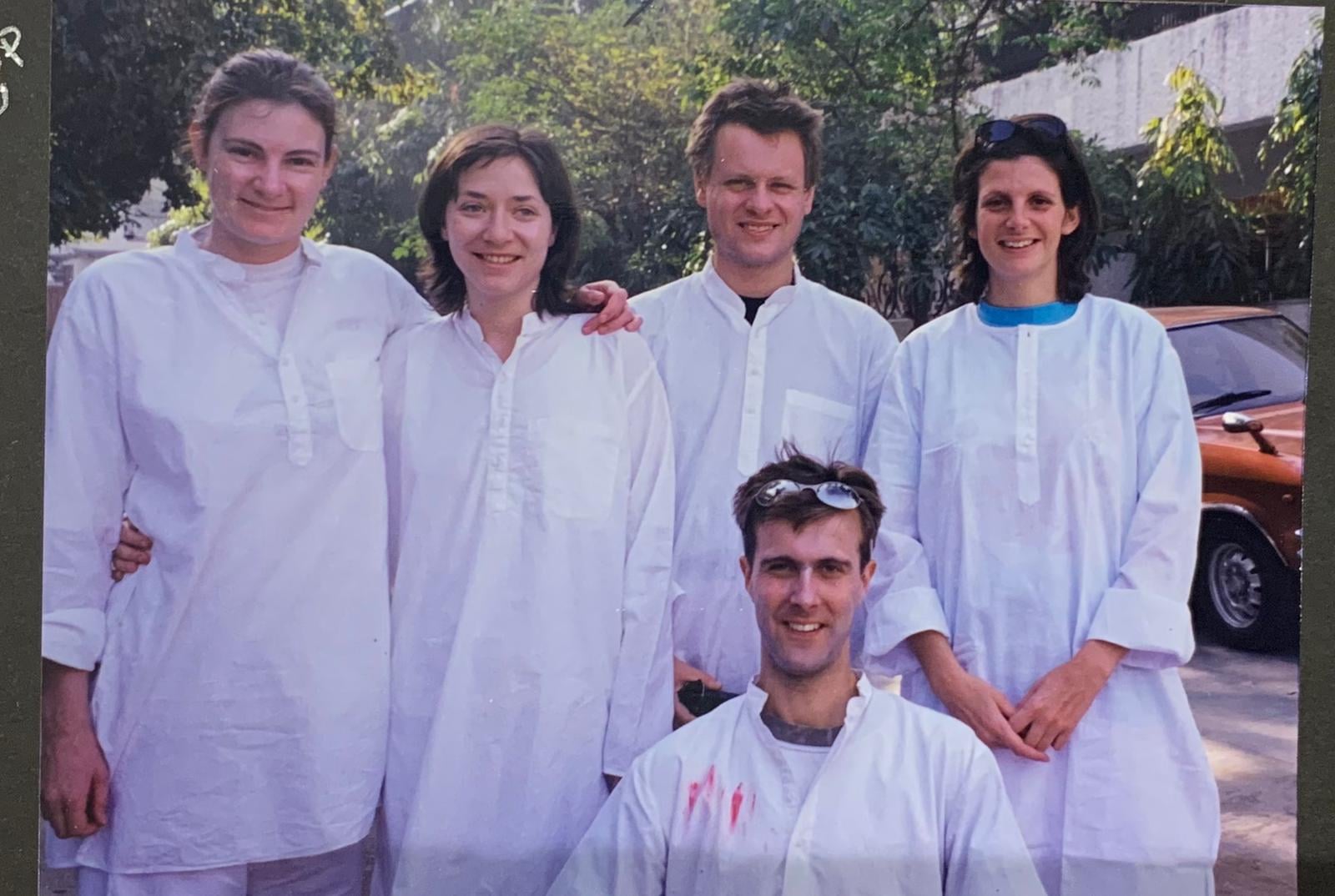
My India journey goes back decades, to an India where families and friends came together every Sunday morning to watch Doordarshan, and getting around the country was a bit more challenging than it is today. I remember travelling 36 hours by train from Bangalore to Delhi. It was 1990, and England were playing in the football World Cup. At every station, I would have to ask someone for the score. At every platform, someone would know. The world wasn’t blessed with today’s connectivity back then, but Indians find a way. I was 18, fresh-faced and away from home, but learning that a love for sport transcended geography.
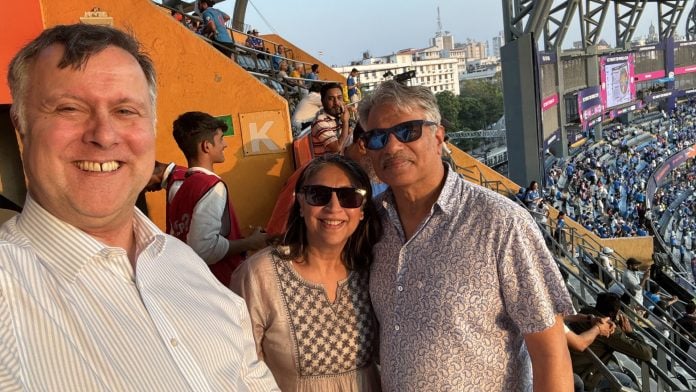
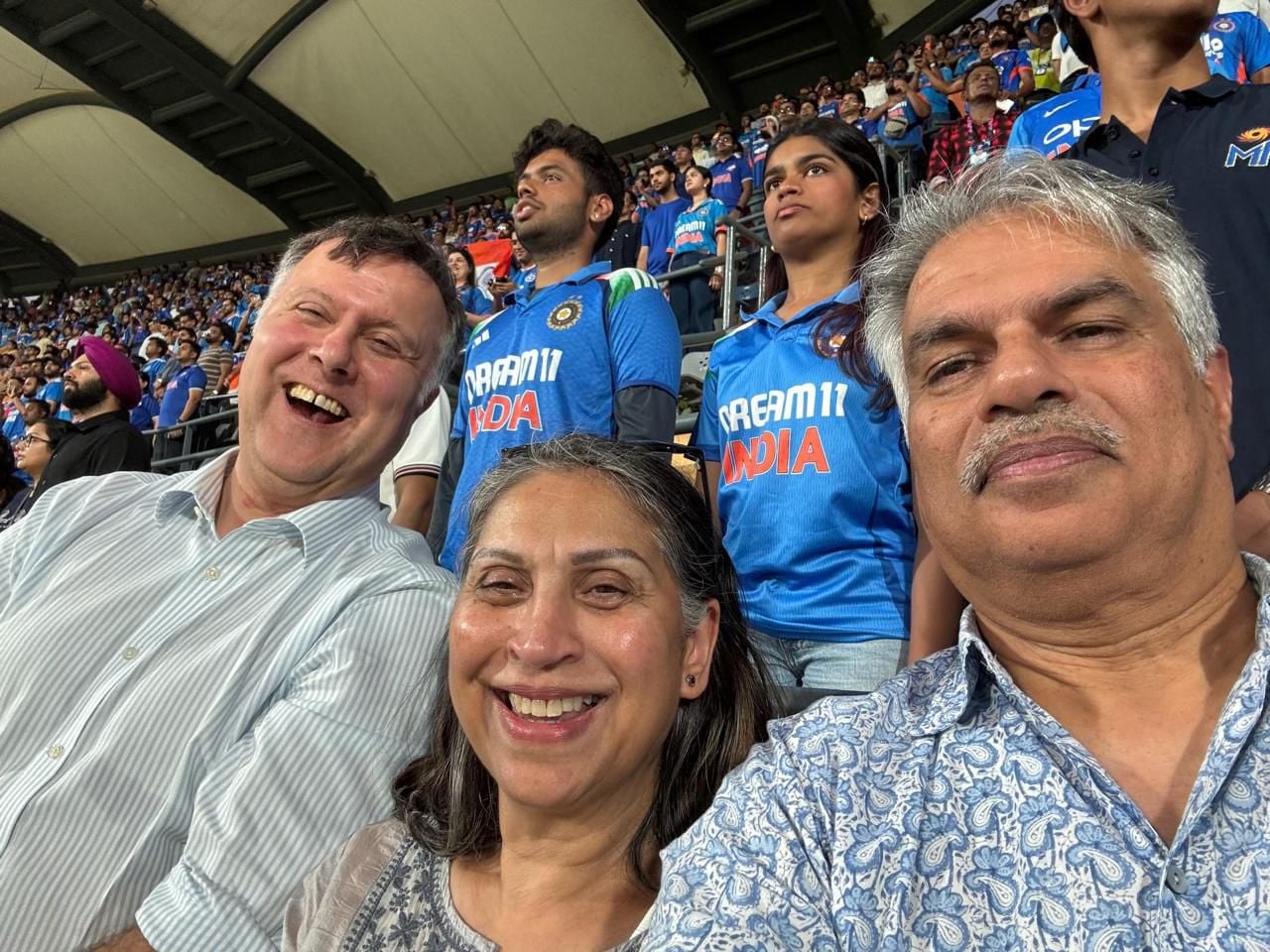
Fast forward seven years, and I was officially on my first posting as a British diplomat, here in Delhi. I watched from the stands at the Feroz Shah Kotla – now the Arun Jaitley Stadium – as a Man of the Match performance by Steve Waugh helped Australia beat India by four wickets. I was sitting with my now-wife, in fact. Was that our first date? You’d have to ask her.
I have returned this year as a more experienced, more travelled and better-informed diplomat. Yet India fascinates me today just as much as it did then.
The India I first encountered and the India I see today are, in many ways, very different countries. Few nations have transformed as rapidly or as successfully over the past three decades.
Today, India is an economic and global powerhouse, helping shape global conversations on everything from technology and trade to climate and security.
India has remained an anchor of my professional life. No matter where I have served, I have always kept one eye on India and on the growing role it is playing in the world. And I could not have asked for a better time to become Acting High Commissioner for the UK in India.
Across the country, I see confidence, ambition and optimism about the future. India is investing, innovating and planning for the long term. Its businesses are scaling globally. Its technology sector is helping shape the future. Its young population is driving growth and creating new opportunities at a remarkable pace.
What strikes me most is the confidence with which India is approaching its future. Increasingly, the world is looking to India not only as a major economy, but as a partner in addressing some of the defining challenges and opportunities of our age.
And the UK wants to be right there alongside India. While our ties are rooted in history and strengthened by our living bridge of people, today’s partnership is firmly focused on the future.
I am fortunate to inherit a relationship that has reached new heights under the leadership of Lindy Cameron.
Today, the UK-India partnership is delivering growth, security and opportunity for people in all corners of both countries. Our economies are complementary, our ambitions are aligned, and both governments are committed to taking this partnership even further.
I arrived on 1 July as Deputy High Commissioner, just a couple of weeks before our landmark Free Trade Agreement came into force. It is no exaggeration to say that this is a genuinely groundbreaking deal that underpins our shared vision for the future.
But the relationship extends far beyond trade. From education and technology to clean energy and security, the breadth of our cooperation reflects the scale of our shared ambition.
This week, we have welcomed senior UK ministers, trade delegations, education leaders and northern mayors to India. Together, their visits reflect a growing recognition across the UK that the opportunity lies alongside India and that opportunity is now.
Many of the possibilities that were being discussed only a few years ago when I was India Director in the UK Foreign Office are now becoming realities. We are seeing British universities establish campuses in India. Businesses are trading and investing more than ever. Researchers, innovators and entrepreneurs are working together to develop solutions to some of the defining challenges of our age.
That makes this an exciting moment not only for India, but for the UK-India partnership.
Yet what continues to fascinate me most about India is not found in trade figures, agreements or diplomatic visits.
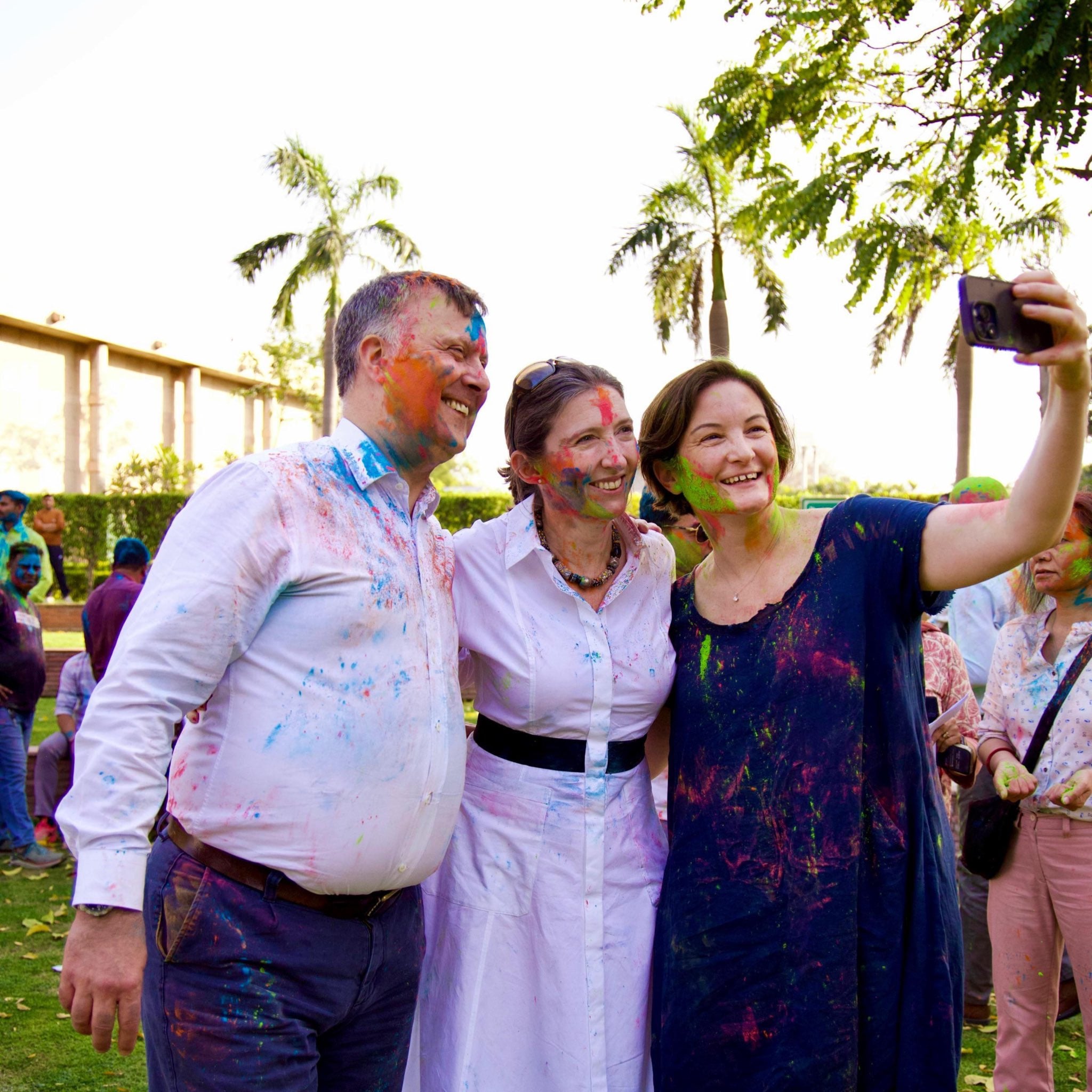
Representing the UK in India means I meet a wide spectrum of people every day, including fellow diplomats, Government of India officials, ministers and politicians, civil society members, authors and journalists. They help me understand the nuances of India today, just as they did when I was a fresh-faced junior diplomat in 1997.
However much you read and prepare for a diplomatic posting, there is no substitute for experiencing India first-hand. India has welcomed me with open arms, and its geographic, cultural, linguistic and culinary diversity still amazes me. I have travelled the country and want to travel even more. You can only understand it when you go from north to south and east to west, seeing the full spectrum and understanding the depth of India’s history.
Food has been yet another way for me to understand the country. Every time I find myself in Karnataka, I make sure I do not miss the opportunity to have a kayi sasive chitranna. I am forever making a note of the recipe to try at home, yet I never come close.
As for literature, City of Djinns by William Dalrymple and Rana Dasgupta’s Capital have helped me to understand India (and, more specifically, Delhi) and its modern-day transformation. More recently, Kiran Desai’s The Loneliness of Sonia and Sunny beautifully captures an India that is rapidly changing, without ever abandoning its traditional family values.
These experiences continue to reinforce what first drew me to India all those years ago: its deep culture, warmth and generosity, which are as striking today as they were then, combined with the confidence, ambition and optimism that are shaping India’s future.
There is no job like this in the world, combining a deep culture with such opportunity and excitement.
I am lucky to be here at such a moment in time. Many of the people I meet share a strong sense of optimism about India’s future and the opportunities awaiting the next generation.
India’s rise has been one of the defining stories of the past three decades. Having watched much of that transformation unfold, I have never been more optimistic about India’s future, or the potential of the UK-India partnership.
Ben Mellor is the Acting British High Commissioner to India.
This article is part of Diplomatic Cable, a special series in which ambassadors and high commissioners in New Delhi share their experiences of India and introduce readers to the people, culture and traditions of their home countries. Read all the articles here.
(Edited by Prashant Dixit)