






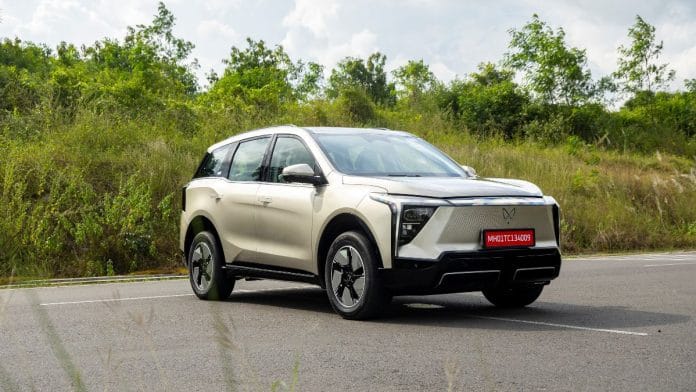



I don’t know if spending a couple of hundred hours onboard aircraft classifies me for an award, but it was one of those years. I travelled all over India and to a few places abroad to see and drive new cars.
Earlier this year, I drove across the Rann of Kutch on the Hyundai Great India Drive and recently took the new e-VITARA through Telangana and Andhra Pradesh. Then there was the absolutely stunning Mercedes-Benz G-Class Experience in Graz, Austria, where I put this legendary vehicle through its paces.
Nevertheless, I can’t wait for 2026 to begin.
XUV7XO, Duster
The new year is going to begin with a lot of excitement, with both extensive product refreshes and brand-new (and returning) nameplates. I’ve already driven a few of them, such as the new Mahindra XEV9s, Tata Sierra, Kia Seltos, and the aforementioned e-VITARA that will start hitting the roads in January itself. Tata Motors, which had a press briefing recently celebrating the sale of 2,50,000 electric vehicles, also revealed at the conference that the electric version of the Sierra is due in the first quarter of 2026 itself. And by the end of the year, the carmaker intends to introduce the ‘Avinya’ brand, its premium range of electric vehicles based on a JLR platform.
Mahindra, in a fierce battle with Tata Motors for the second position in domestic sales, is starting the year out with a dramatic refresh of the best-selling XUV700. The car will now be called the XUV7XO. Features that have become popular on Mahindra’s electric vehicles, such as a triple-screen setup and heads-up displays, will feature on the new 7XO. An electric version of the 3XO is also planned, and Mahindra could finally showcase a production-ready electric variant of the Thar at their Independence Day celebrations.
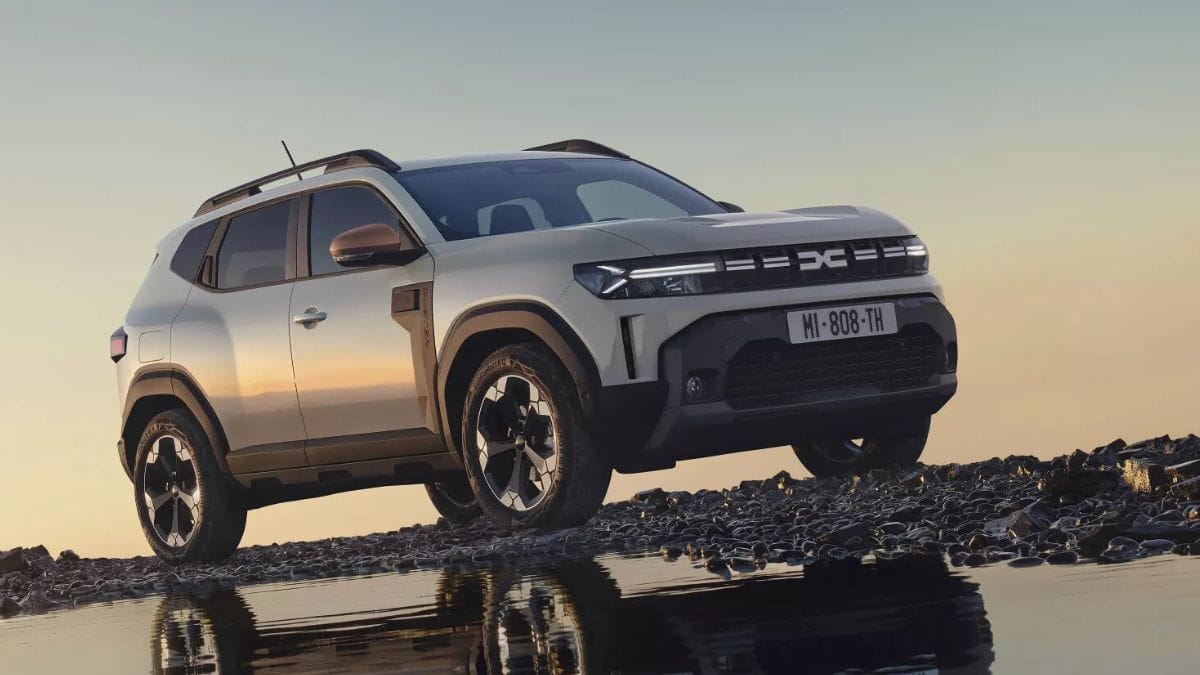
The year will also feature the return of the Renault Duster. From all indications, it will be quite the vehicle, and Renault management has hinted that it has been completely reworked for India with little in common with the European Dacia Duster, on which it is ostensibly based. Renault’s one-time partner Nissan is also getting its act back together after years of just flogging a single product. It will introduce new vehicles in the first few months of 2026 with the Gravite seven-seat MPV and its CSUV, the Tekton.
Also read: I’ve been driving an EV for 2 years—Indian roads are ready to switch to electric
Flex-fuel, strong hybrids
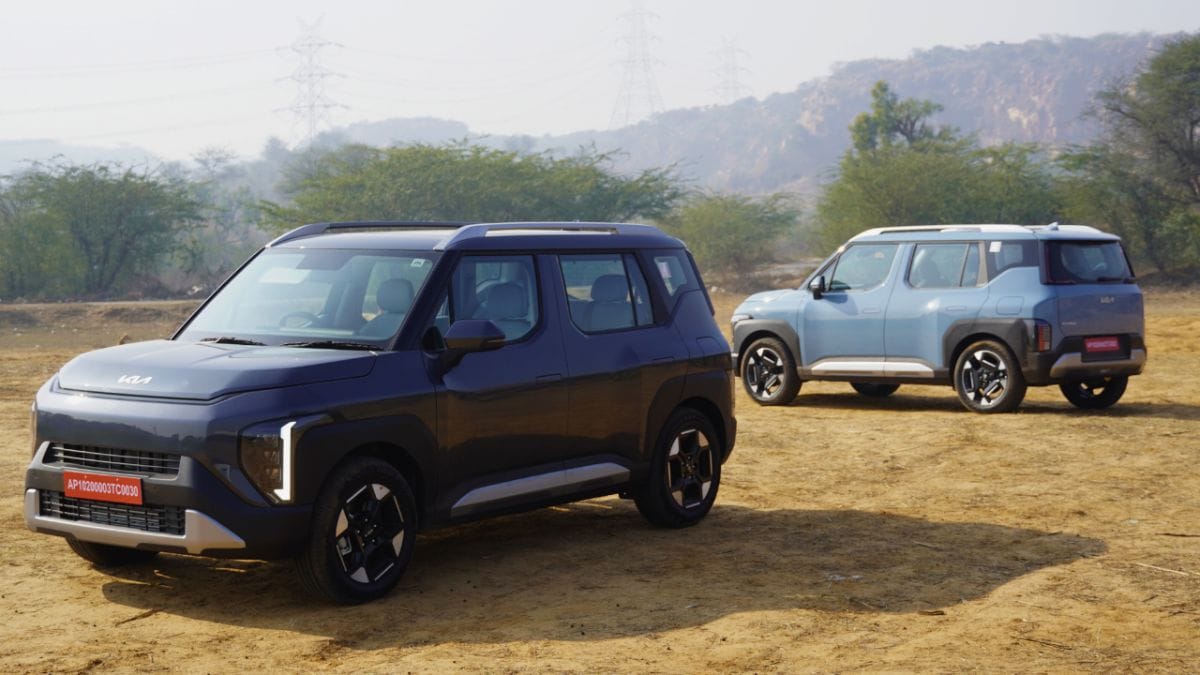
Korean carmakers Hyundai and Kia are also clamouring to get more market share this year. An electric version of the Kia Syros is expected to be launched early in the year as well as the next-generation Sonet later in 2026. But Hyundai India, which had a successful IPO this year and will see its first Indian Managing Director, Tarun Garg, take the helm on 1 January, would be itching to take back the second position on the sales chart. In addition to product refreshes, a new crossover, the Bayon is expected to take on the bestselling Tata Nexon and Maruti-Suzuki Fronx.
Maruti-Suzuki is not going to rest on the e-VITARA this year. Several product refreshes are on the cards, especially for the Baleno, Brezza, and Grand Vitara. All are likely to match up to the specifications of the ICOTY winner Victoris from the same stable, including new engines, fully digital displays, and Advanced Driver Assistance Systems (ADAS). A seven-seat SUV has been seen testing for a few months, and a new electric MPV could appear by this time next year. Maruti-Suzuki’s big play could be around ‘flex fuel’ vehicles, which can run blends of ethanol as high as 80-85 per cent. That, however, remains contingent on government policy.
In addition to flex-fuel, a major play by several carmakers this year could be around strong hybrid vehicles. Kia has already hinted that the new Seltos will likely feature such a powertrain and Maruti-Suzuki has been manufacturing a Fronx Hybrid for export from their Hansalpur, Gujarat plant, which could also be launched in India. Domestic majors Tata and Mahindra, which have previously questioned hybrid vehicles, might also bite the bullet with such powertrains in the latter part of 2026.
This is not for a lack of options or capabilities of electric vehicles. Electric vehicles are getting far better in terms of range, and the charging infrastructure has been rapidly improving. However, issues persist, especially for those who do not have guaranteed parking. Significant investments will have to be made by electricity distribution companies, as well as improvements to the energy mix. That said, I believe that in major metropolitan areas with long commutes, the operating costs are making electric vehicles a no-brainer.
By the looks of it, I’ll surely retain my frequent flyer status in 2026.
Kushan Mitra is an automotive journalist based in New Delhi. He tweets @kushanmitra. Views are personal.
(Edited by Prasanna Bachchhav)