





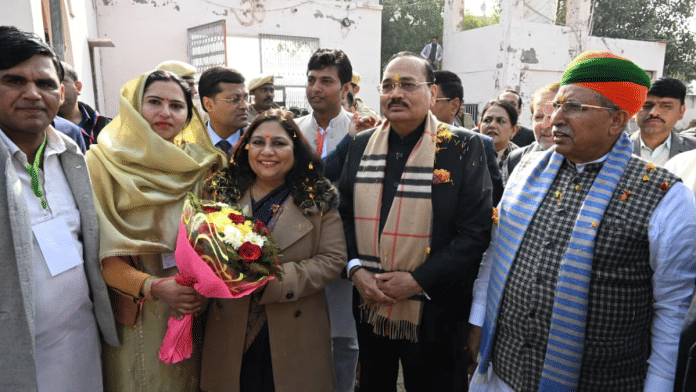



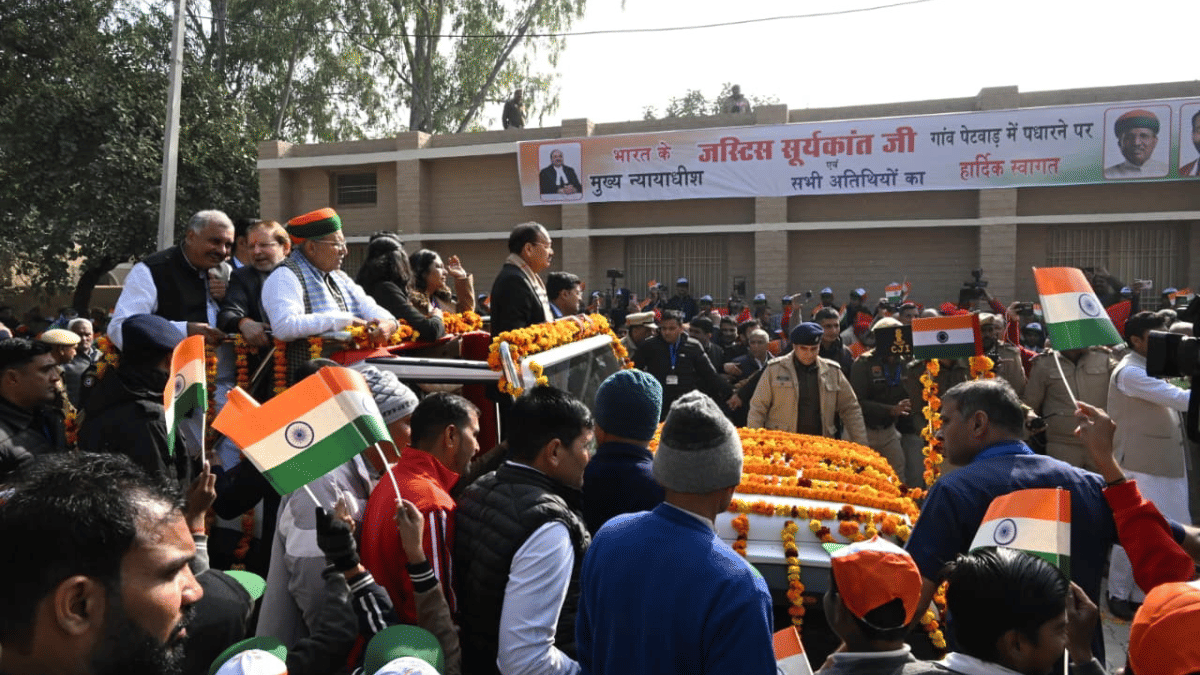
Petwar (Haryana): Chief Justice of India Justice Surya Kant Saturday urged communities to place education at the centre of collective responsibility, describing it as “life’s biggest asset” during his first visit to his native village Petwar after assuming office as the 53rd CJI.
The visit, part of the Chief Justice’s two-day official programme in Hisar and Hansi districts of Haryana, witnessed an unprecedented public celebration in the small agrarian village.
CJI Kant was accorded a traditional welcome with drumbeats and folk dance forms. Union Law Minister Arjun Ram Meghawal, judges of the Punjab Haryana High Court, villagers, schoolchildren and members of the local legal fraternity gathered to felicitate him.
Meghwal and Haryana government ministers, who were present at the event, assured villagers of government support for strengthening infrastructure. Promises were made regarding construction, and improvement of roads, schools and healthcare facilities, with an emphasis on improving access to essential public services in rural areas.
Addressing a large gathering at the village government school where he received his early education, Justice Kant reflected on his student life and the challenges of studying with limited resources.
He recalled that he studied up to Class X in Petwar at a time when schools lacked basic infrastructure, with students often sitting on paddy straw spread across a large hall.
Despite these constraints, he said, the dedication of teachers, who often taught late into the night, ensured academic excellence.
“The best thing you can do is educate your child,” the Chief Justice told villagers, emphasising that education must be prioritised above everything else. Calling children the nation’s greatest asset, he said investing in their education was the most meaningful contribution families and communities could make towards the country’s future.
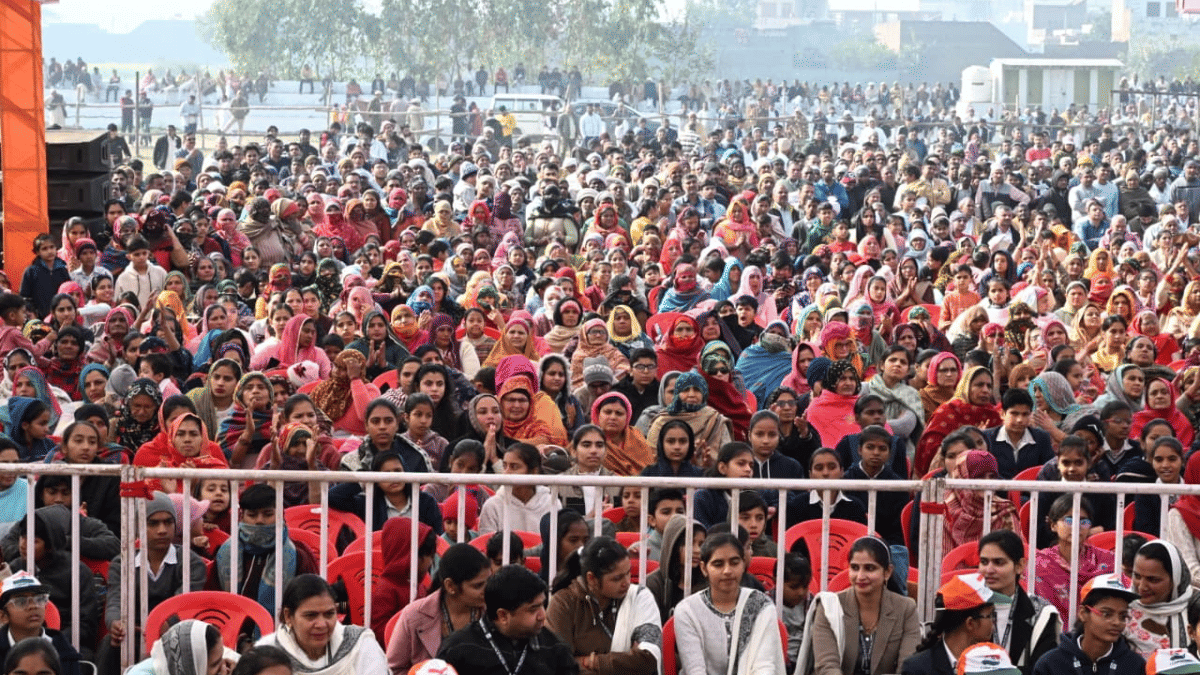
In a significant gesture, Justice Kant proposed the creation of a collective fund to support the education of meritorious students from economically weaker backgrounds in the village, announcing that he would be the first contributor. He appealed to villagers, alumni, and well-wishers to support the initiative, stressing that talent should never be constrained by lack of financial means.
The Chief Justice also underscored the importance of encouraging girls’ education, stating that empowering young girls through education was essential for social progress and long-term development. He expressed confidence that students from villages like Petwar could excel at national and international levels if provided the right opportunities.
Justice Kant’s homecoming carried both personal and institutional significance. Born into a rural family in Petwar, his father was a Sanskrit teacher who, the Chief Justice said, played a defining role in instilling discipline and ethical values during his formative years. “The blessings of elders and the guidance of teachers shaped my journey,” he said, expressing gratitude to the village that nurtured him.
Earlier in the day, Justice Kant inaugurated newly constructed court complexes in Barwala (Hisar district) and Narnaund (Hansi district), reiterating that trial courts are the first point of contact between citizens and the justice delivery system.
He said expanding judicial infrastructure at the grassroots level was crucial for ensuring accessible and timely justice.
As Petwar celebrated the return of one of its own, the visit was widely seen as a reaffirmation of the transformative power of education. The villagers said this is how merit, opportunity, and institutional support can carry a child from a rural classroom to the highest constitutional office in the country.
(Edited by Ajeet Tiwari)