





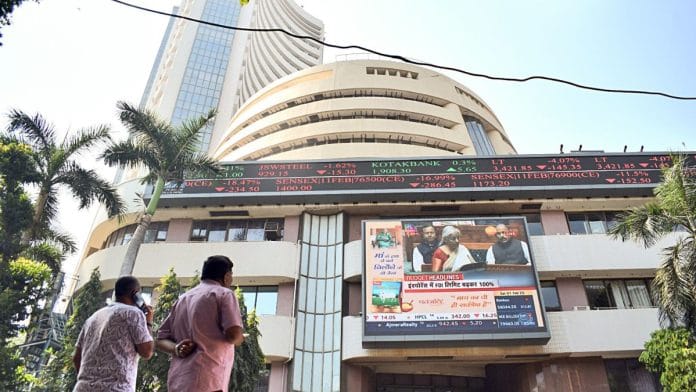



Mumbai: India’s arbitrage fund managers are bracing for lower returns after the government unexpectedly raised taxes on equity derivatives, a move that threatens a fast-growing sector that holds $36 billion in assets.
The government announced the decision in parliament on Sunday, saying the tax hike was aimed at curbing high-risk speculative trading in the options market. However, arbitrage funds — considered less risky and popular in volatile markets — will also be affected, as the change raises the cost of running cash-and-carry strategies and could dent investor returns.
“Arbitrage spreads are usually narrow, often 0.6%–0.8% per month, and higher transaction cost per trade eats into a meaningful portion of that spread,” said Aditya Agarwal, a co-founder of wealth management platform Wealthy.in.
Arbitrage Funds Are Most Popular Hybrid Funds in India
Arbitrage funds gained rapid traction in India last year, as foreign investors exited local equities in record numbers. Its assets under management jumped 38% from 2024, as the world’s fastest-growing major economy grappled with slow earnings growth, trade tensions with the US and single-digit stock market returns. Investors gravitated toward the funds, which benefit from favorable tax treatment but typically generate lower yields than debt funds.
The fund managers buy stocks in the spot market and sell corresponding futures contracts, seeking to profit from price differences between the two transactions. With the government increasing the securities transaction tax, or STT, arbitrage funds could face a drag of 25 to 35 basis points on annualized net returns, according to Agarwal.
For Harish Krishnan, chief investment officer of equities at Aditya Birla Sun Life Asset Management, which oversees nearly $22 billion in stock assets, there’s still plenty of room for maneuvering. “Arbitrage is dynamic,” said Krishnan. “If returns fall, some capital exits, which can widen spreads and partially offset the impact.”
This report is auto-generated from Bloomberg news service. ThePrint holds no responsibility for its content.
Also Read: Union Budget 2026-27: What it really says about India’s economy