








Ghaziabad/Meerut/Faridabad: A puncture repairman from a roadside stall, an e-rickshaw driver navigating the streets of Mathura, a fast food worker at a local roadside stall, a young man who cleared his class XIIth examinations. Classic faces of India’s struggling urban and rural population, they live in cramped, one-room homes where the next meal depends on daily earnings. These individuals, according to the Ghaziabad Police, were ground-level assets of a sophisticated, cross-border espionage network allegedly operating from Pakistan.
In the narrow lanes across these cities, the air remains thick, with a mix of fear and social isolation. The families of the accused have largely gone into hiding, branded by neighbours with labels like ‘jasoos’ (spy) and ‘atankwadi’ (terrorist). Behind the closed doors, the families tell a different story. They claim their children were “trapped” and “threatened” by a few group members to commit the alleged crime.
The scale of the alleged espionage network continues to expand. Following a series of developments since 14 March, the Special Investigation Team (SIT) has arrested three more individuals. The police said they have added the Unlawful Activities (Prevention) Act, or (UAPA), charges to the case. The arrests now stand at 15, while six juveniles have been apprehended.
The police said those held in connection with the alleged racket are accused of filming military establishments and railway stations, and sharing the video feed with Pakistan-based handlers. The accused were trained to use apps that overlay GPS coordinates and timestamps directly onto photographs of sensitive installations. Beyond physical recce, they were also tasked with installing solar-powered, SIM-based standalone CCTV cameras.
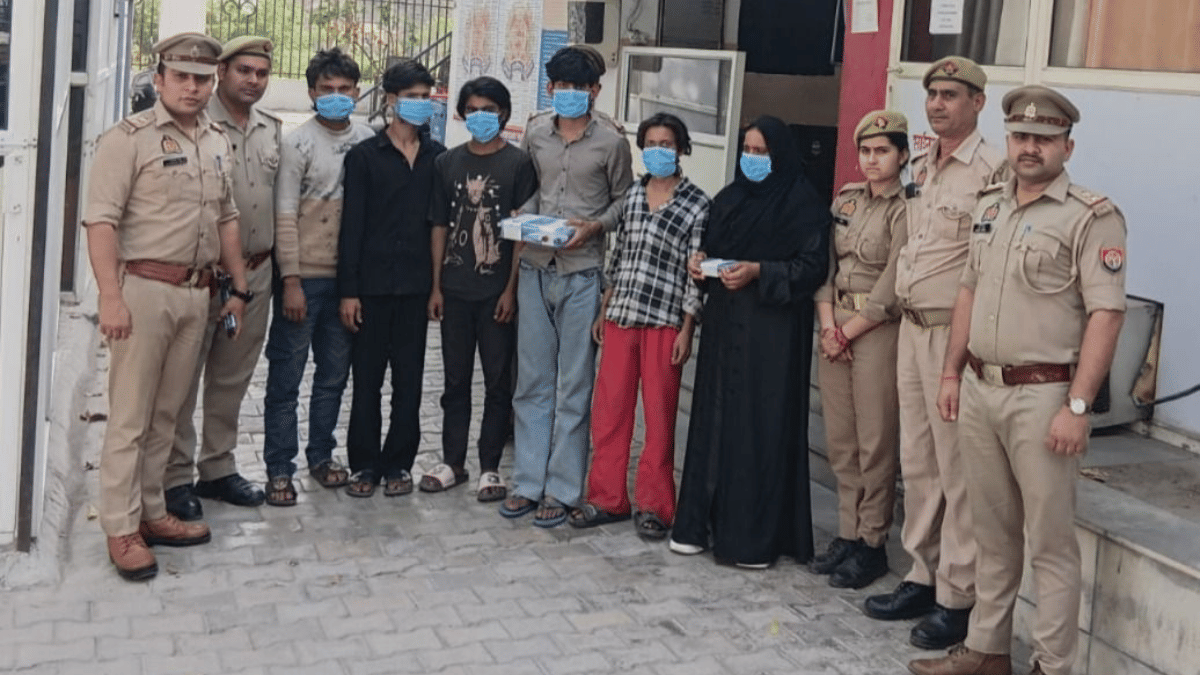
The accused have been identified as Sameer alias Shooter, (20), Sameer, (22), Shivraj, (18), Naushad Ali (20), Meera (28), Suhel Malik alias Romeo (23), Iram alias Mahak (25), Praveen (19), Raj Valmiki (21), Shiva Valmiki (20), Ritik Gangwar (23), Ganesh (20), Vivek (18), Gagan Kumar Prajapati (22), and Durgesh Nishad (26).
Also Read: 3 more members of Pak-linked espionage racket held; did recce of security, railway installations
‘Threatened to do this’
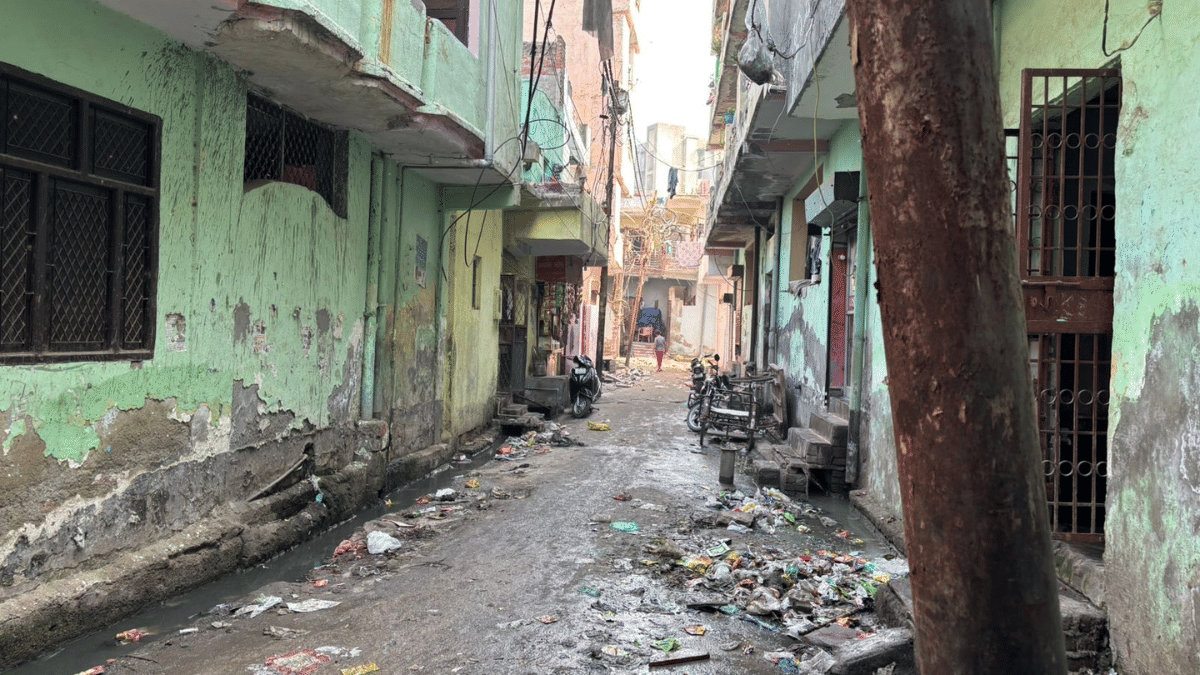
Bhovapur is a dense cluster of migrant housing, tucked away in Ghaziabad. The lanes are narrow; the sewage flows in open drains. Most residents are labourers who moved from villages in Uttar Pradesh, Bihar, Maharashtra for a better life. Today, this has become the “epicentre” of the spy ring.
Arvind Valmiki, a 58-year-old construction mason from Uttar Pradesh’s Auraiya, sits outside his house. All he does is recall 16 March, the day he met his son, Raj, in prison. “He told me he was threatened by Suhail,” Arvind says. “Suhail told him he would kidnap his sister if he did not deliver three SIM cards to Ritik.”
Meanwhile, Arvind says, Raj did not even have a bank account. He worked night shifts at a paratha shop in Anand Vihar, and spent his days sleeping. His father cannot believe the charges he has been put in jail for.
“My son cannot even fix a TV wire,” Arvind says. “How would he install a CCTV camera?”
Lata Valmiki lives a few doors away. She works as a domestic worker, and has been inconsolable since the arrest of her son Shiva. He recently completed his Class XIIth examinations, and had been doing odd jobs. Once he worked to print bills at a medical shop, and then at a tea shop. Recalling the 15 minutes she could speak to Shiva, Lata said, “My son broke down.”
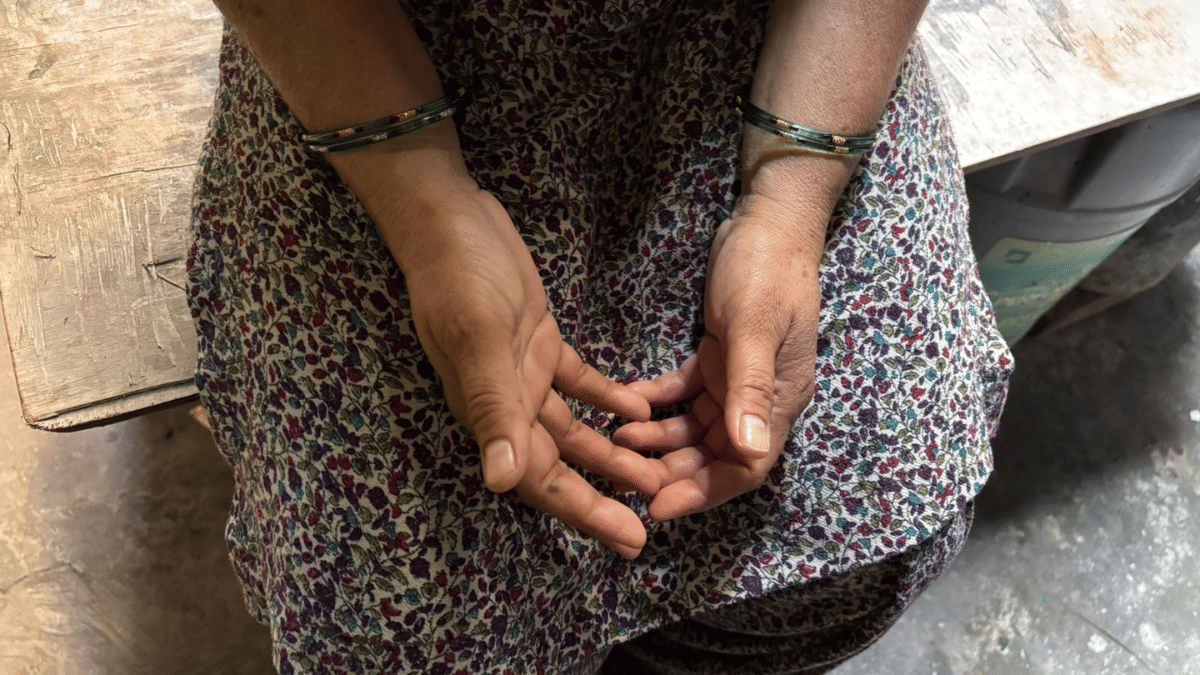
“He told me Suhail would take his phone for hours, and use it. He threatened something bad would happen if Shiva didn’t comply,” she wept, crying, burying her face into a dupatta. Lata had always warned her son to stay away from “bad company,” but the pressure of the group was stronger, she says. “I don’t know how to read. I have not read the newspaper, or the police files. All I know is my son has been framed.”
A shame in the neighbourhood
This stigma in Bhovapur has turned neighbours into strangers. “They were working for Pakistan,” “Are you looking for the boys arrested for Pakistan jasoosi (espionage)?” is the common whisper in the choked lanes amid clusters of houses.
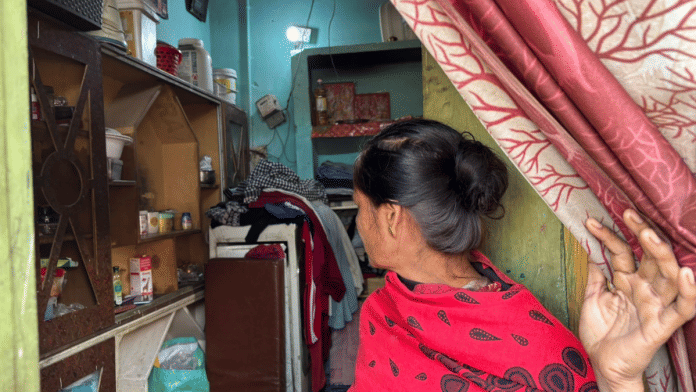
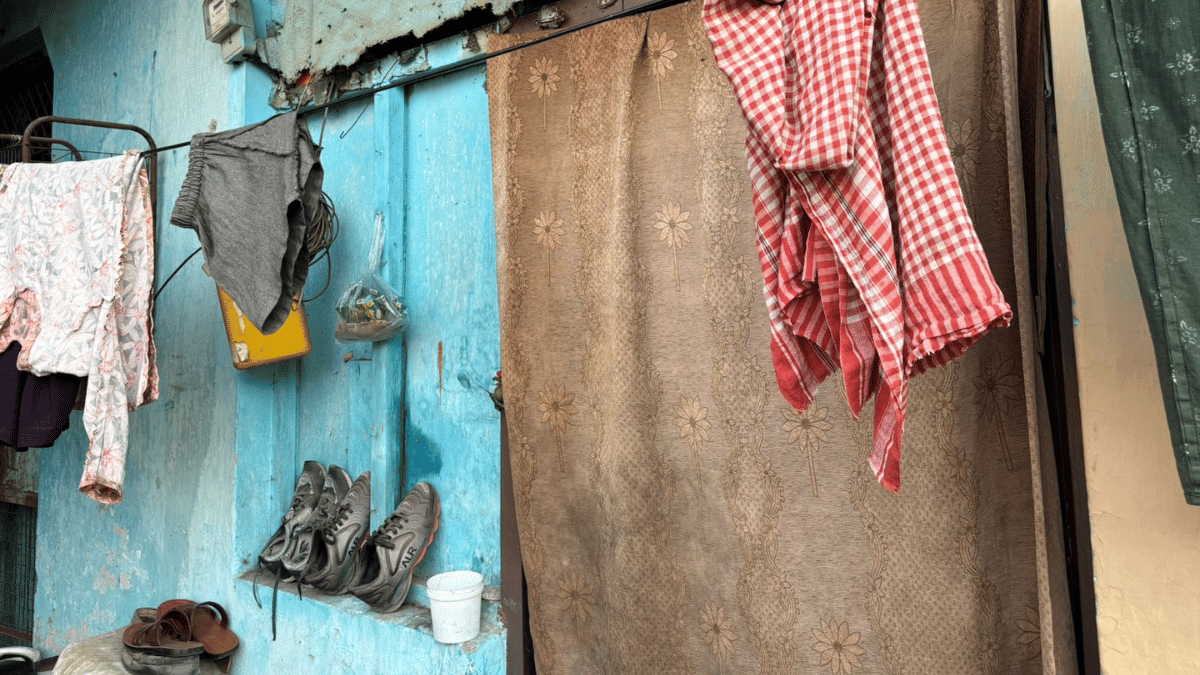
For Pinky, mother of 18-year-old Vivek, the shame is a heavy cross to bear, and she refuses to step out of her one-room home. Vivek supported his family by selling beedis and water at a local bus stand, and was also the sole breadwinner.
“He was my only support,” she says, hiding behind a tattered curtain. “He would clean dishes. Do odd jobs. Anything.” Vivek was picked up directly from the bus stand.
It was only through local gossip that Pinky realised her son had been branded a spy. With no money for a lawyer and a bed-ridden husband, she is helpless. “The neighbourhood has been talking about it. I don’t even know where to go from here? Where do I hide my face? How can my son do wrong?”
Further up the highway, in Meerut’s Partapur, similar kind of suspicion and gossip has been doing rounds. Ganesh, a migrant worker from Nepal, worked for another Nepali resident, Madhav Prasad, at a fast food shop. He was earning Rs 12,000 per month.
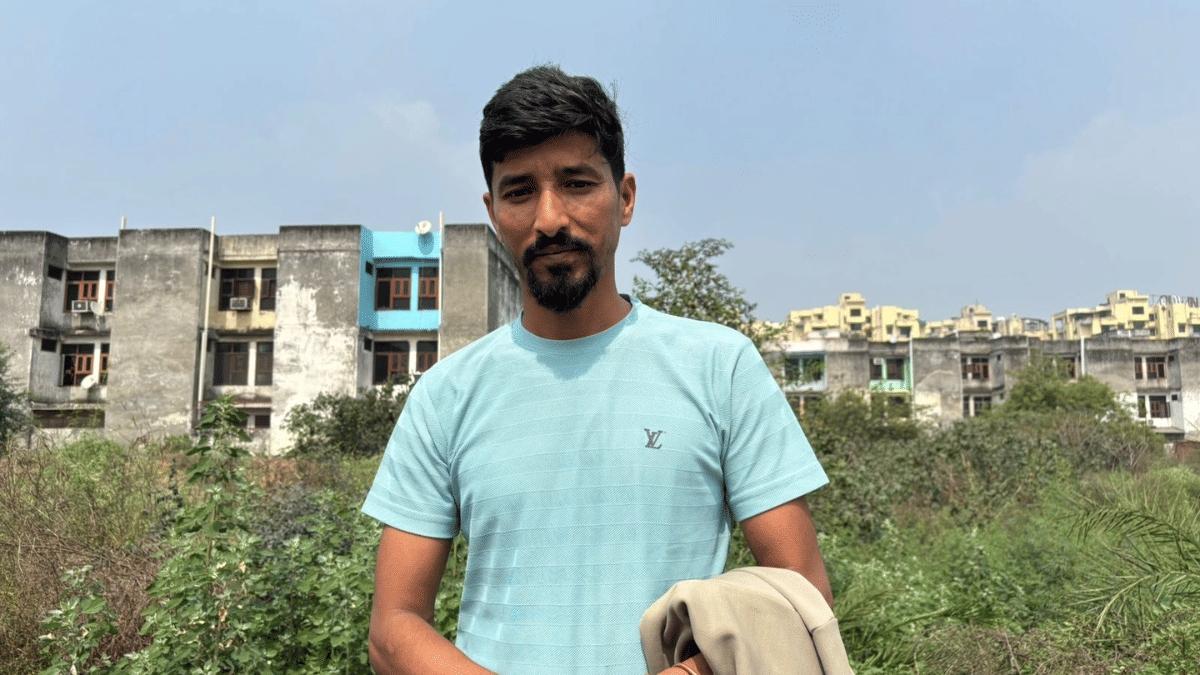
“Ganesh previously worked as a cook at a PG. He would sweep floors and clean utensils. He had been in need of money to send it back home. He also had a wife and a child to take care of,” Madhav says.
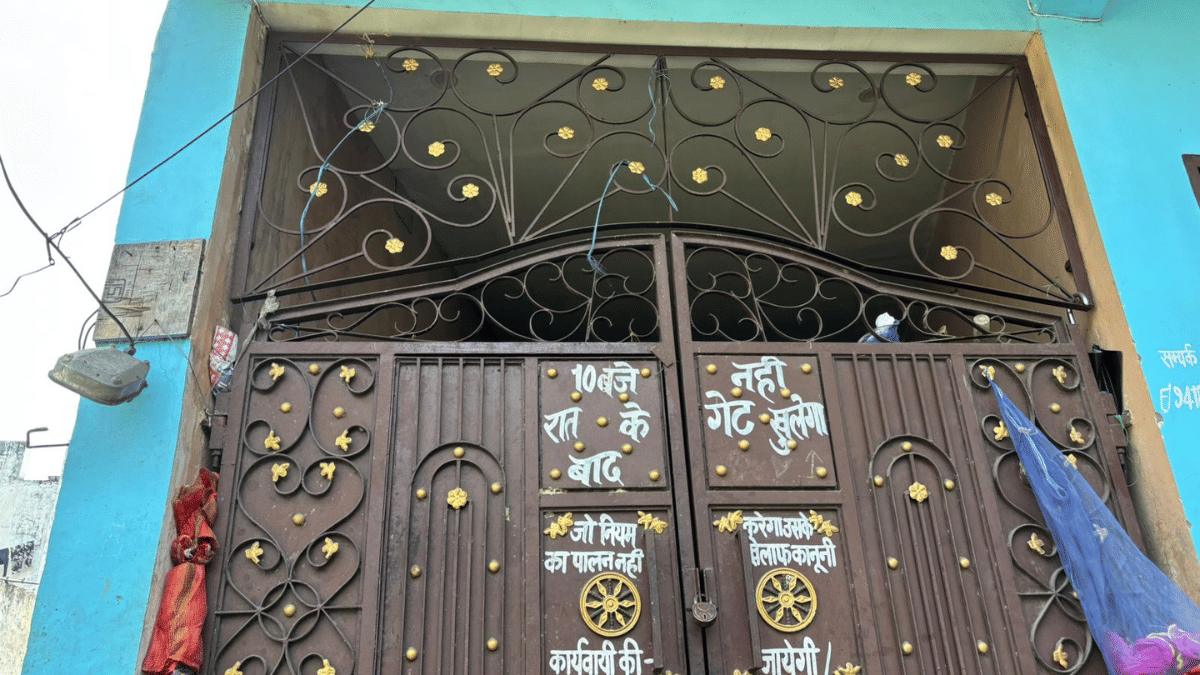
Madhav, Sohail and Ganesh resided in the same house on rent. “I would often tell him to stay away from Sohail, and focus on work,” he says. Now, Madhav says, people look at his fast food shop with doubts. “I don’t think he was spying. He was trapped because of friendship. But I don’t know what to do about this shame.”
Also Read: Pigeons aren’t first. India-Pakistan have long been sending deer, monkey spies
The ‘quiet handler’
In the quiet dusty village of Nauchali, on the outskirts of Faridabad, the local petrol pump has become a focal point of the investigation. Three months ago, Naushad Ali arrived here to run a small puncture repair shop. According to the employees of this one-year petrol pump, Naushad kept to himself, and did not interact with locals.
According to the Ghaziabad Police investigation, Naushad Ali, Suhail Malik, and Sameer alias Shooter were the key members of this syndicate.
“He wouldn’t eat with us, or sit with us. We work long hours of day,” Prahlad, a petrol pump employee, says. “He used to sleep right there in his shop, or in a small room at the pump.”
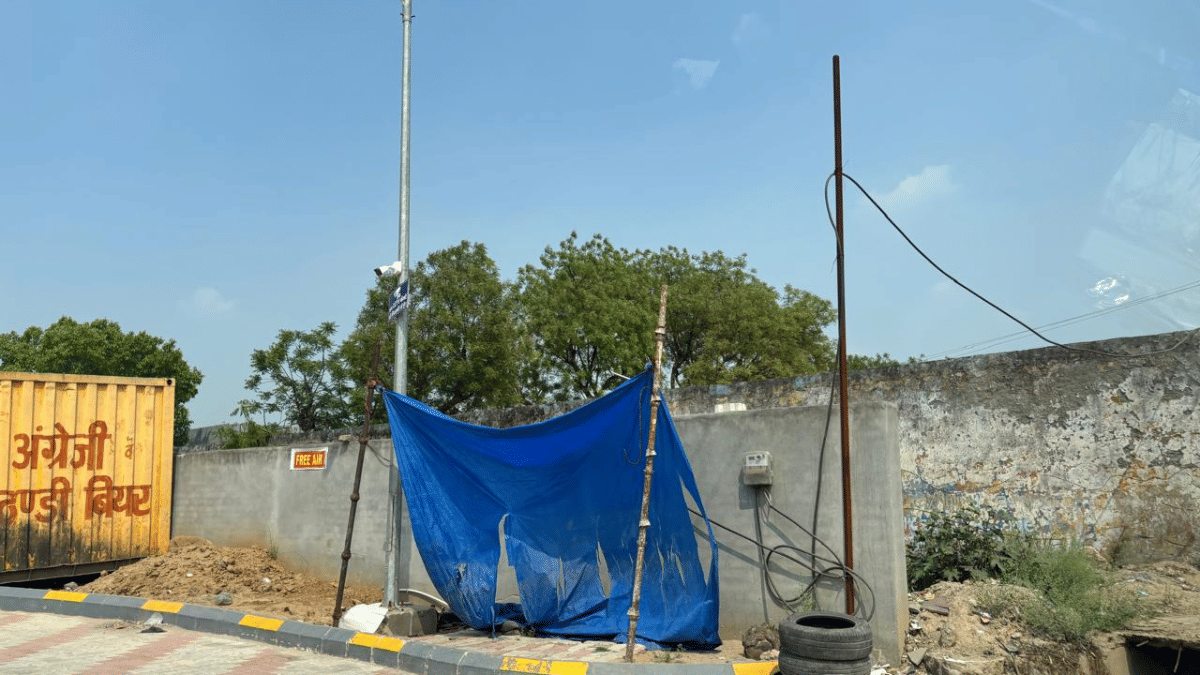
Another employee Monu said that Naushad would often go to Delhi, stating that he has to meet his relatives. However, the Ghaziabad Police arrested Sameer alias Shooter from Balli Maran in Delhi.
In the rural stretch of Nauchali, the shock and news is part of every conversation. Be it Naushad’s photo in police custody on newspapers, or in Prahlad explaining to Monu what happened during the arrest.
“Last week, the police arrived at the station, they asked me who Naushad was, and I pointed to him. The police just picked him up. Did not even allow him to ask questions, or say anything. We were shocked. We thought he was arrested for robbery or some small crime…,” Prahlad tells Monu. Monu nods with suspicion.
The entire village is in shock. “Now everybody in the village thinks Naushad was a terrorist. How do we know what Naushad was doing on his phone? We have no association with him,” Dinesh Yadav, another employee, says with anger.
Naushad, 20, has studied up to VIIIth standard, and is a native of Muzaffarpur in Bihar. He had contacted the previous manager at the petrol station, to help him secure this job. All he lived with was his set of tools, on a tiled floor, under a blue tarpaulin.
Hired on Instagram
On Tuesday, Additional Commissioner of Police Nayyar said that in the investigation conducted so far, and on finding evidence of the arrested accused being involved in anti-national activities and sending confidential information abroad which has a strong possibility of being misused. Section 18 of the UAPA has been added, the officer said.
“The gang was operating from across the border. Sameer alias Shooter revealed during interrogation that in 2023-24, he had uploaded photos and videos of himself posing with weapons on social media platforms. After this, gang members Naushad and Suhail contacted Sameer and added him to various WhatsApp groups,” said Nayyar.
The police said he was then gradually assigned various tasks, including conducting recce of security forces bases and other important installations, including railway stations, located in various locations across the country, and their photos, videos, and GPS locations were requested from foreign numbers.
Sameer, the second accused, revealed to the police that during interrogation he met Naushad through Instagram in late 2024, and the two began communicating.
“Shortly thereafter, Naushad added him to a WhatsApp group, which Meera was already a member of. It was through this group that he came into contact with Meera. At her behest, he also joined her in smuggling pistols into Madhya Pradesh,” the Addl.CP said.
“In 2025, he came into contact with this gang operating across the border. He conducted recce of various security force bases, other important installations, and railway stations, and then sent their photos, videos, and GPS locations to foreign numbers.”
Shivraj had revealed during interrogation that he was connected to this gang through Sahil. At Sahil’s request, he had installed CCTV cameras in Sonipat, the footage of which was being sent elsewhere, and he received money in exchange, the police said.
Meanwhile, Meera, who has two children, and is living separately from her husband, drives an e-rickshaw around the Aurangabad area in Mathura. She was previously arrested in connection with an Arms Act case by the Delhi Police’s Special Cell. However, in September, last year, she was granted bail by the Patiala House Court, on humanitarian grounds.
“The applicant is a woman with no previous criminal record, as confirmed by the absence of any prior involvement in the police records placed before the Court. More significantly, she is the mother of two minor children of tender ages—5 and 9 years—who require her constant care and attention,” the court had said.
“The continued detention of the applicant would undoubtedly adversely impact the physical, emotional, and psychological well-being of these children, potentially leading to long-term detriment in their development.”
(Edited by Nardeep Singh Dahiya)