







New Delhi: Earlier this month, when some social media users flagged the “widespread sale of fake paneer” and milk, and questioned the the Food Safety and Standards Authority of India’s role as a watch dog, the central agency responded swiftly. They filed FIR, accusing these accounts of circulating the organisation’s official documents illegally.
However, raids conducted by police and food safety departments across the country—from Delhi and Gujarat to Telangana and Maharashtra—just over the past four months make a startling revelation: the scale of counterfeiting has reached an industrial level, executed through sophisticated criminal rackets.
“What started with adulteration of basic products like ghee and milk, has now shifted to duplication of essential items like toothpastes,” a senior FSSAI official told ThePrint Friday, requesting anonymity.
Not just toothpastes, everything in your households could be adulterated or a duplicate—be it cooking oil, wheat flour, meat, dairy or spices.
Across cities, police and food safety officials have uncovered a massive network of factories producing adulterated and duplicate versions of common food items and household essentials.
These syndicates are not just selling sub-standard food products, but using industrial chemicals and synthetic dyes to manufacture counterfeit versions of branded products that look identical to the real ones.
“There are two things to look at here: fake products and manufacturers operating without a licence. In most raids that we have conducted, we have found both violations,” the FSSAI official quoted above said.
The senior official said “while licenses are being suspended and action is being taken, what is reported in the media is just 10 percent of the problem”.
Such adulterated and counterfeit products are identified by the FSSAI as “risk to public health”.
Meanwhile, the FSSAI move in the first week of April to file FIR against the social media account that flagged “widespread sale of fake paneer and milk” led the Delhi Police to seek information about the individuals behind these X handles, including their phone numbers, email IDs, and IP log details.
This led to a public outcry, with many calling it a bid to “shoot the messenger”.
In the backdrop of the FSSAI move and the raids by food safety departments, ThePrint looks at law-enforcement actions this year that uncovered organised units where trusted brand labels were being misused to sell fraudulent items to unsuspecting consumers.
Also Read: India’s fake goods boom. 9 in 10 urban shoppers have bought knockoffs, says survey
Expired health supplements
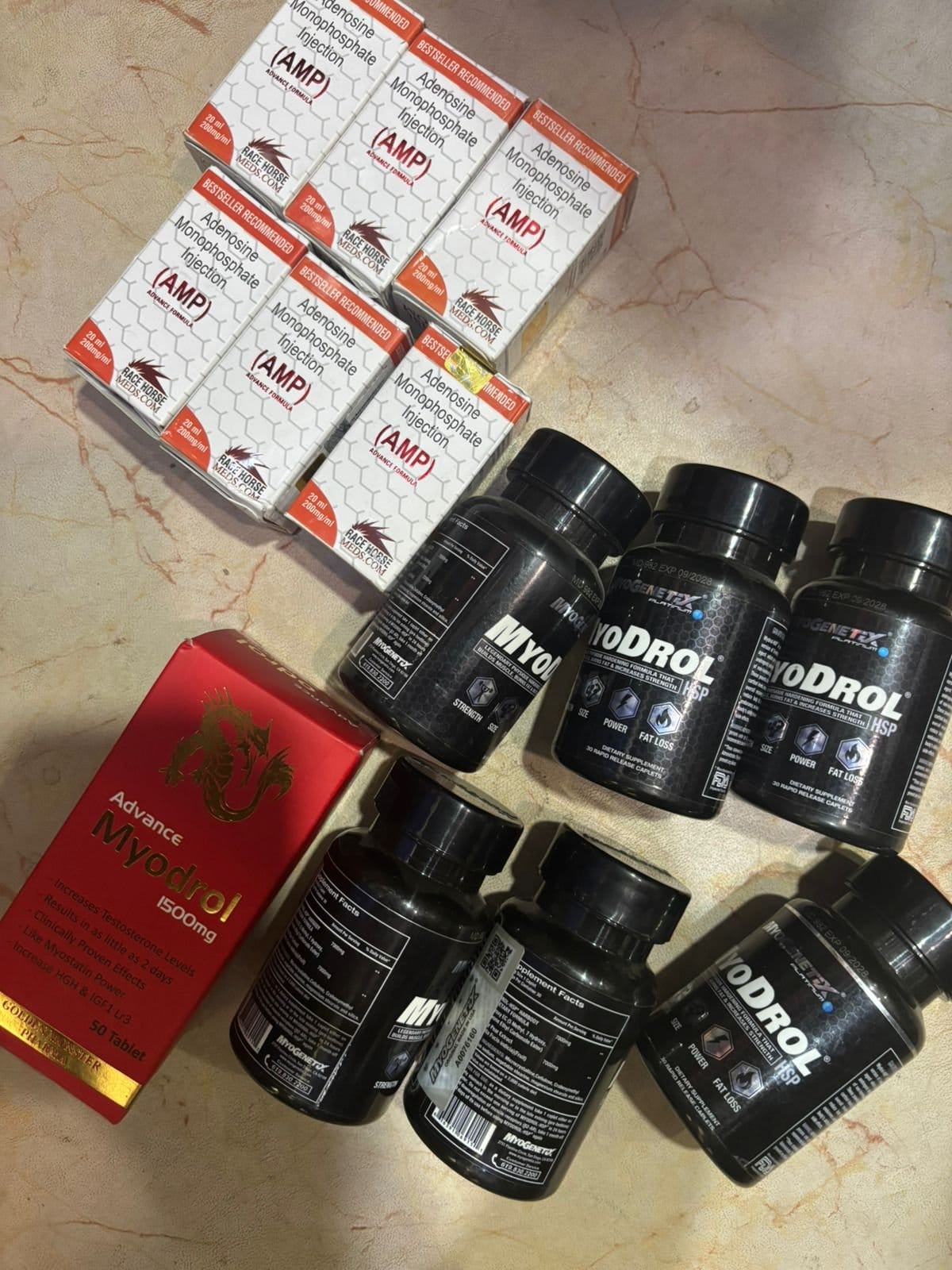
On April 24, a joint task force comprising Central Food Safety Officers (CFSOs), the FSSAI Northern Regional Office, and local police found an unauthorised distribution hub allegedly dealing in prohibited performance-enhancing substances and expired health supplements in Najafgarh, Delhi.
Police revealed the establishment was operating without mandatory licences required under the Drugs and Cosmetics Act, 1940 and Food Safety and Standards Act, 2006.
Authorities seized banned performance-enhancing drugs including anabolic steroids, SARMs (Selective Androgen Receptor Modulator), and over 2,800 tablets/capsules, along with injectable substances. Additionally, 45 kg of expired whey protein and gainers, and 85 kg of supplements were recovered, exposing serious food and drug safety violations.
Delhi | A joint task force led by Central Food Safety Officers (CFSOs), FSSAI – Nothern Regional Office, and local police has dismantled an unauthorized distribution hub for prohibited performance-enhancing substances and expired health supplements in Najafgarh, Delhi.
The… pic.twitter.com/4MPz0C6i61
— ANI (@ANI) April 24, 2026
Fake Eno, Nescafe sachets in Delhi
On 21 April, the Delhi Police said they busted a highly organised racket involved in the large-scale manufacturing of fake Eno antacid powder, along with counterfeit Nescafé coffee products in east Delhi’s Madhu Vihar.
Two illegal manufacturing facilities were raided where the items were seized. Four individuals were arrested in the case. Police found more than one lakh fake Eno and around 50,000 fake coffee sachets. They also recovered filling machines, raw materials, and packaging equipment.
Adulterated tea powder in Hyderabad
Police in Hyderabad said on 23 April they have found multiple tea godowns allegedly with adulterated stocks.
DCP (task gorce) Gaikwad Vaibhav Raghunath told the media in Hyderabad on 23 April that police and Food Adulteration Surveillance Teams found 10 tea godowns allegedly containing adulterated stock.
Around 3,000 kg of adulterated tea powder, 1,500 kg of expired tea powder, and synthetic colour and jaggery items were seized, he said.
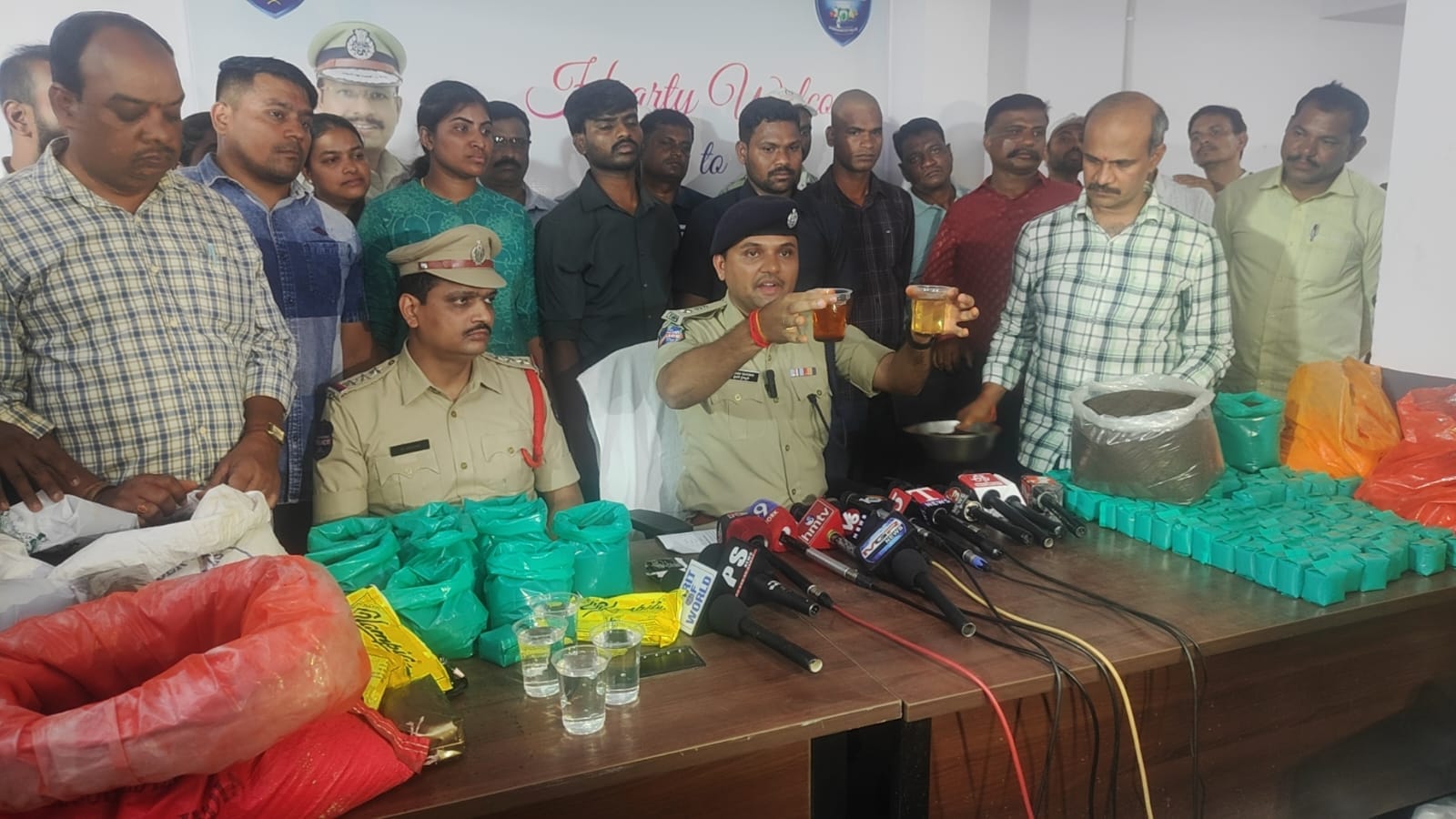
Police further said a total of 10 people were arrested. The officials said the accused allegedly mixed synthetic dyes into cheap or expired tea powder sourced from West Bengal and Assam, then sold it at lower prices.
The police have seized all the 10 godowns. They later conducted demonstrations to spread awareness. They showed how adulterated tea releases colour instantly in cold water, unlike genuine tea which takes time.
𝗛-𝗙𝗔𝗦𝗧 𝗕𝘂𝘀𝘁𝘀 𝗔𝗱𝘂𝗹𝘁𝗲𝗿𝗮𝘁𝗲𝗱 𝗧𝗲𝗮 𝗣𝗼𝘄𝗱𝗲𝗿 𝗥𝗮𝗰𝗸𝗲𝘁 𝗶𝗻 𝗛𝘆𝗱𝗲𝗿𝗮𝗯𝗮𝗱
Acting on credible inputs, the Hyderabad Food Adulteration Surveillance Team (H-FAST) conducted coordinated raids at 15 locations across the city, targeting units involved in… pic.twitter.com/hbUGHOZjoK
— Hyderabad City Police (@hydcitypolice) April 24, 2026
The accused have been booked under sections of the Food Safety Act and the Bharatiya Nyaya Sanhita.
Adulterated cooking oil in Hyderabad
The Commissioner for Food Safety, Telangana said that a team from Hyderabad received information from the police’s Special Operations Team SOT—Police following which they raided M/s Naseeb Birhata at Kaithalapur, Kukatpally, Hyderabad on April 22.
The agencies found gross violations at the firm, including used cooking oil being allegedly procured and reused for bulk preparation of fried onions. The premises were also highly unhygienic.
#CFS_Telangana – 22-04-2026 – Food Safety team, Hyderabad on receiving information from SOT – Police raided M/s Naseeb Birhsta at Premises No.12-8-82/7/10, Kaithalapur, Kukatpally, Hyderabad
Gross Violations Found:
· Used cooking oil was being procured and reused for bulk… pic.twitter.com/AiaHNlxg4s
— Commissioner of Food Safety, Telangana (@cfs_telangana) April 22, 2026
Approximately, 1000 kg of raw onions and 70 kg of fried onions were destroyed. About 480 kg of cooking oil was seized after lifting samples for analysis. The premises have been sealed for further investigation.
Adulterated edible oil, atta in Cyberabad
The Cyberabad Enforcement Wing said on 22 April that they ran intensive operations between 1 January and 21 April this year, that aimed at curbing food adulteration and illegal manufacturing across the Cyberabad Police limits.
They said a total 22 cases were registered and 28 individuals apprehended. Adulterated food items, machinery, and vehicles worth approximately Rs 64.07 lakh were seized.
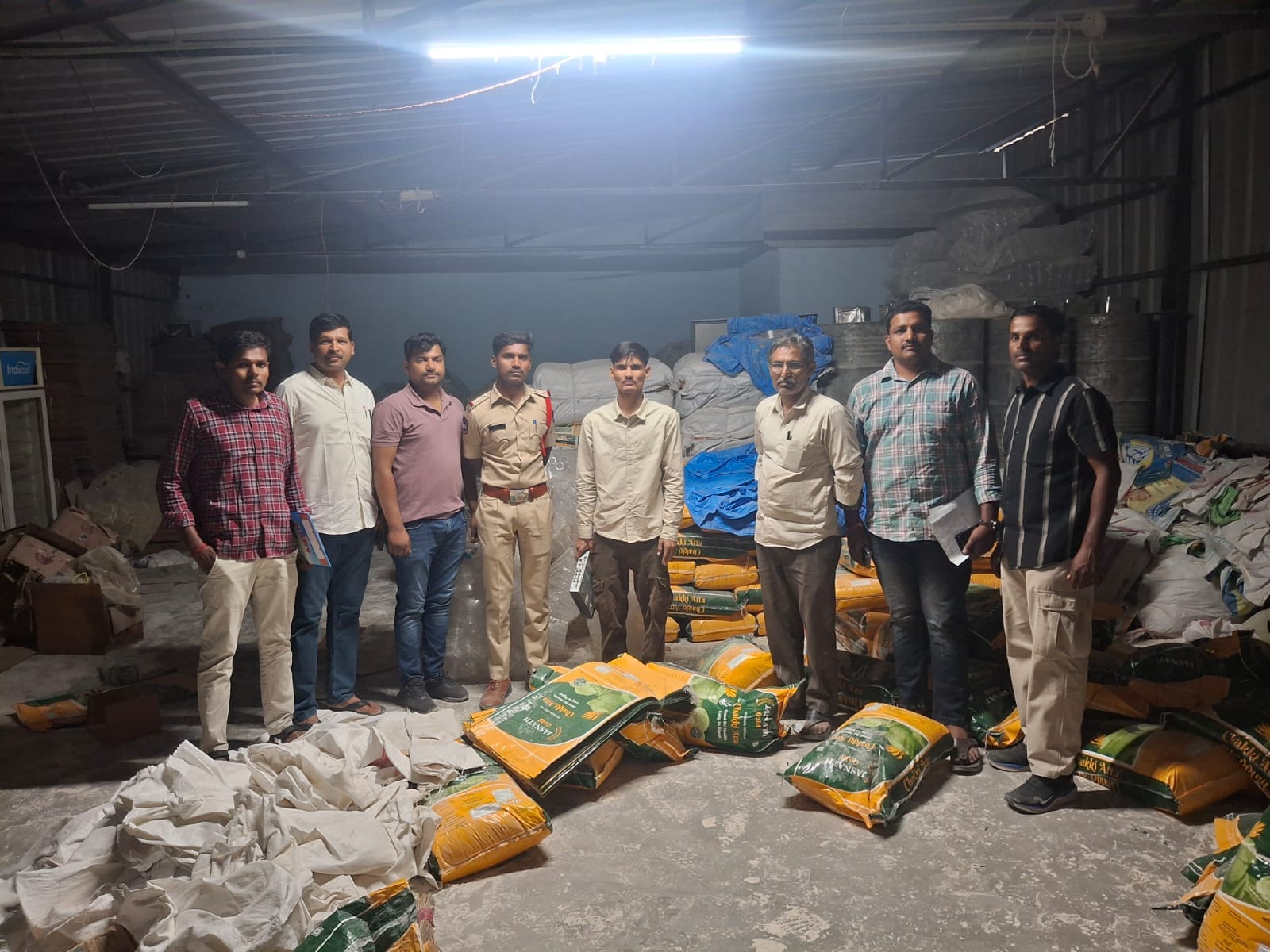
Police also recovered 5,026 liters of adulterated edible oil, 5,192 kilograms of sub-standard wheat flour (atta). “Discovery of illegal ginger-garlic paste units using harmful preservatives and counterfeit branding (were also made,” the statement said.
Adulterated mango pulp in Pune
On 15 April, the Food and Drug Administration (FDA), Pune, said they raided an illegal mango pulp manufacturing unit in Maval taluka, and destroyed more than 3.8 tonnes of adulterated stock ahead of the summer season.
The pulp was allegedly made using unauthorised colours and additives like sugar and milk. One person has been arrested in the matter.
A senior official from Maharashtra’s food safety department said, “In Maharashtra, we have seen that people are unaware of the food safety guidelines.”
“Those following the law or not don’t know the labels that need to be displayed, the ingredients that need to be added. While enforcement is in full force, and action is also taken, we also raise awareness among producers and consumers on what the technical law says,” he said
Those found flouting norms, and engaging in public health risk face action, he said.
Raids at meat shops in Telangana
The Commissioner for Food Safety Telangana said on April 1 that in a state-wide drive, 68 inspections were conducted at meat shops, and 33 samples were lifted. A total of 56 notices were issued to shop-owners for alleged violation of norms.
A total of 146 kg of spoiled/non-compliant meat was seized, with a major seizure in Nalgonda (110 kg).
#Cfs_telangana – State-wide Meat Drive Update 01-04-2026
68 inspections conducted
33 samples lifted
56 notices issued
~146 kg spoiled/non-compliant meat seized with major seizure in Nalgonda (110 kg).
Unhygienic condition of cold storage equipment
First-in, First-out (FIFO) /… pic.twitter.com/kNj6vR9ush
— Commissioner of Food Safety, Telangana (@cfs_telangana) April 1, 2026
During the inspection, the raiding team found unhygienic conditions of cold storage equipment. They said the First-in, First-out (FIFO)/First-expired, First-out (FEFO) system was not being implemented.
Improvement notices were issued under FSS Act for violations of Schedule IV hygiene provisions, the statement said, adding strict action on licensing violations across districts are being taken.
Fake candies
On 24 March, the Telangana Commissioner for Food Safety said that large-scale inspections were conducted on the day across the state on manufacturers/retailers of confectionery products.
A total of 109 establishments (including manufacturers and retail units) were inspected and 190 samples were collected and sent for lab analysis. Officials found and seized suspected unsafe confectionery items across districts, including candies, éclairs, chocolates, mango bites, imitation chocolates, and flavoured sweets.
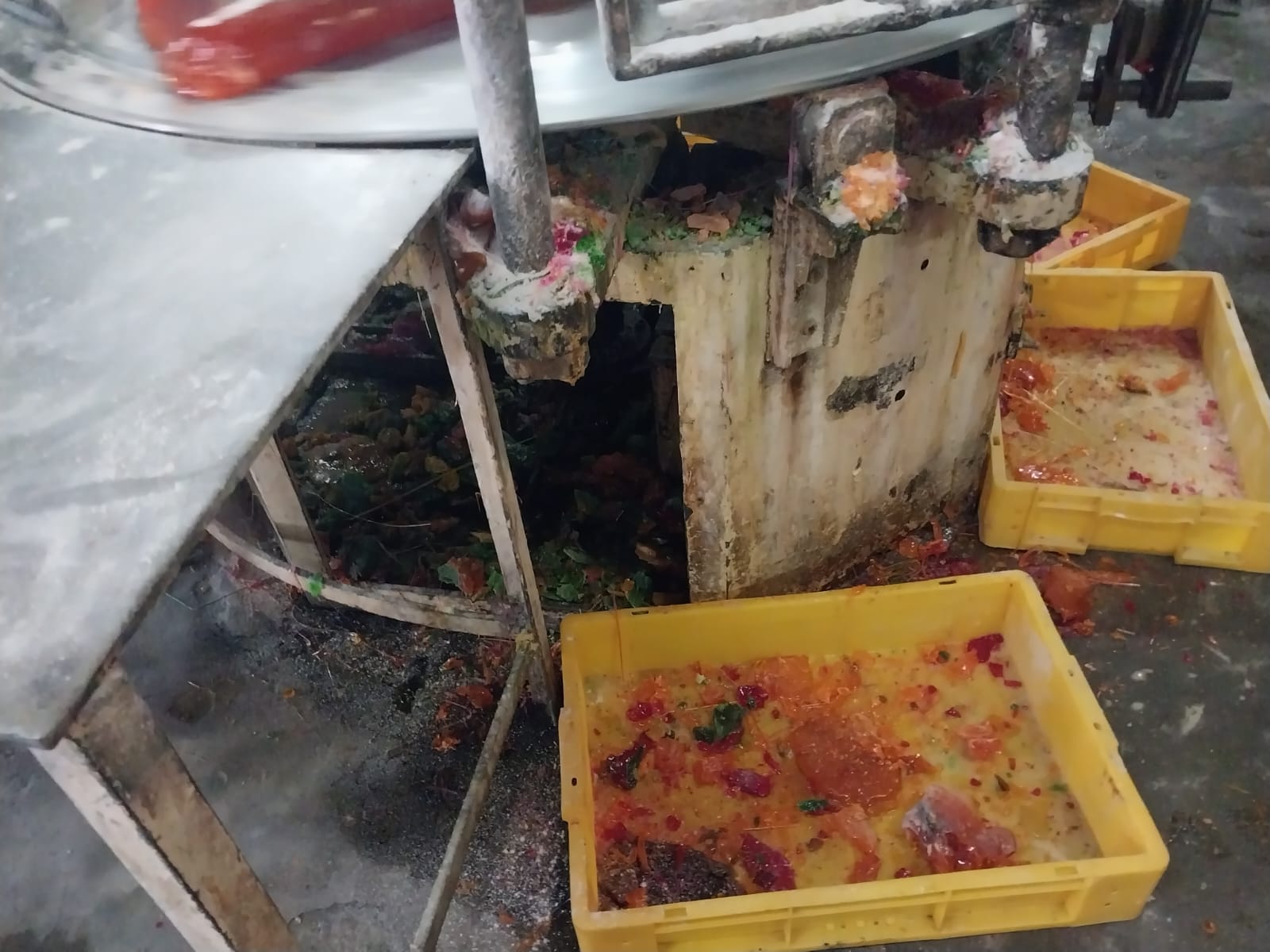
At least 35 Kgs of expired/unsafe products were discarded on the spot across districts. Improvement and show cause notices were issued for violations.
Packaged water in Telangana
The Commissioner for Food Safety, Telangana, also said that their flying squad inspected a packaged drinking water unit in Medchal Malkajgiri District on March 14, and detected serious food safety violations.
It found the Food Business Operator (FBO) was operating with an expired licence and not displaying its FSSAI license. It was processing and supplying bottled water illegally to restaurants using the expired/invalid license numbers.
It also found that the unit’s Quality Check (QC) laboratory was non-functional, it had expired chemicals, no reagents, and no testing. No qualified technician was present at the unit. Food handlers were without medical certification, the Commissioner for Food Safety said in a statement.
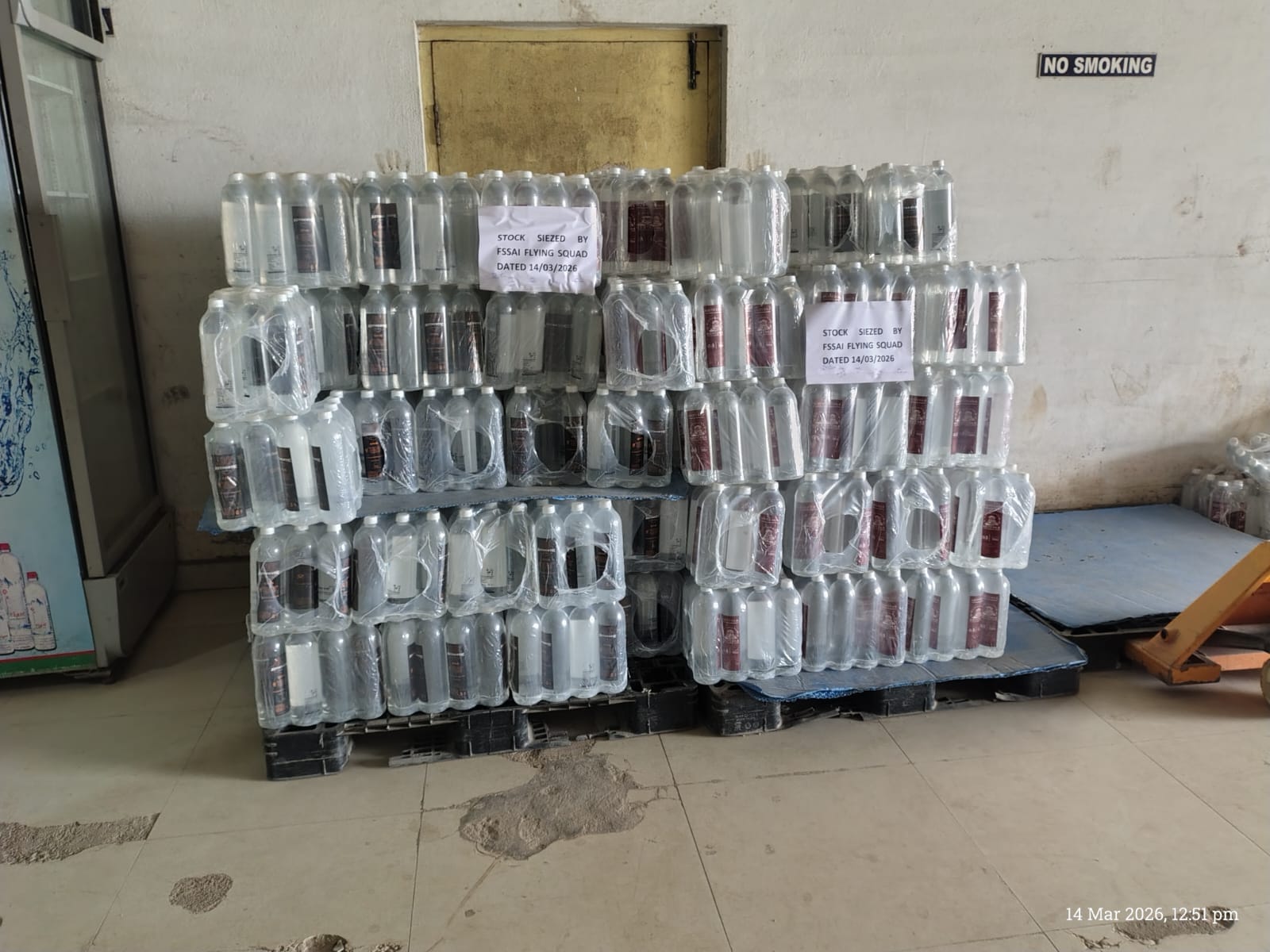
The statement said the preparation area was highly unhygienic, and the equipment was not functioning. Stocks worth Rs 55,800 were seized and strict action initiated under the Food Safety and Standards Act.
@cfs_telangana – Flying Squad in Action
Today, the Flying Squad team inspected a packaged drinking water unit in Medchal Malkajgiri District and detected serious food safety violations.
Major deviations found:
• FBO operating with expired license, not displaying FSSAI license,… pic.twitter.com/ytRiWW8HiY
— Commissioner of Food Safety, Telangana (@cfs_telangana) March 14, 2026
Violations at kulfi, falooda unit
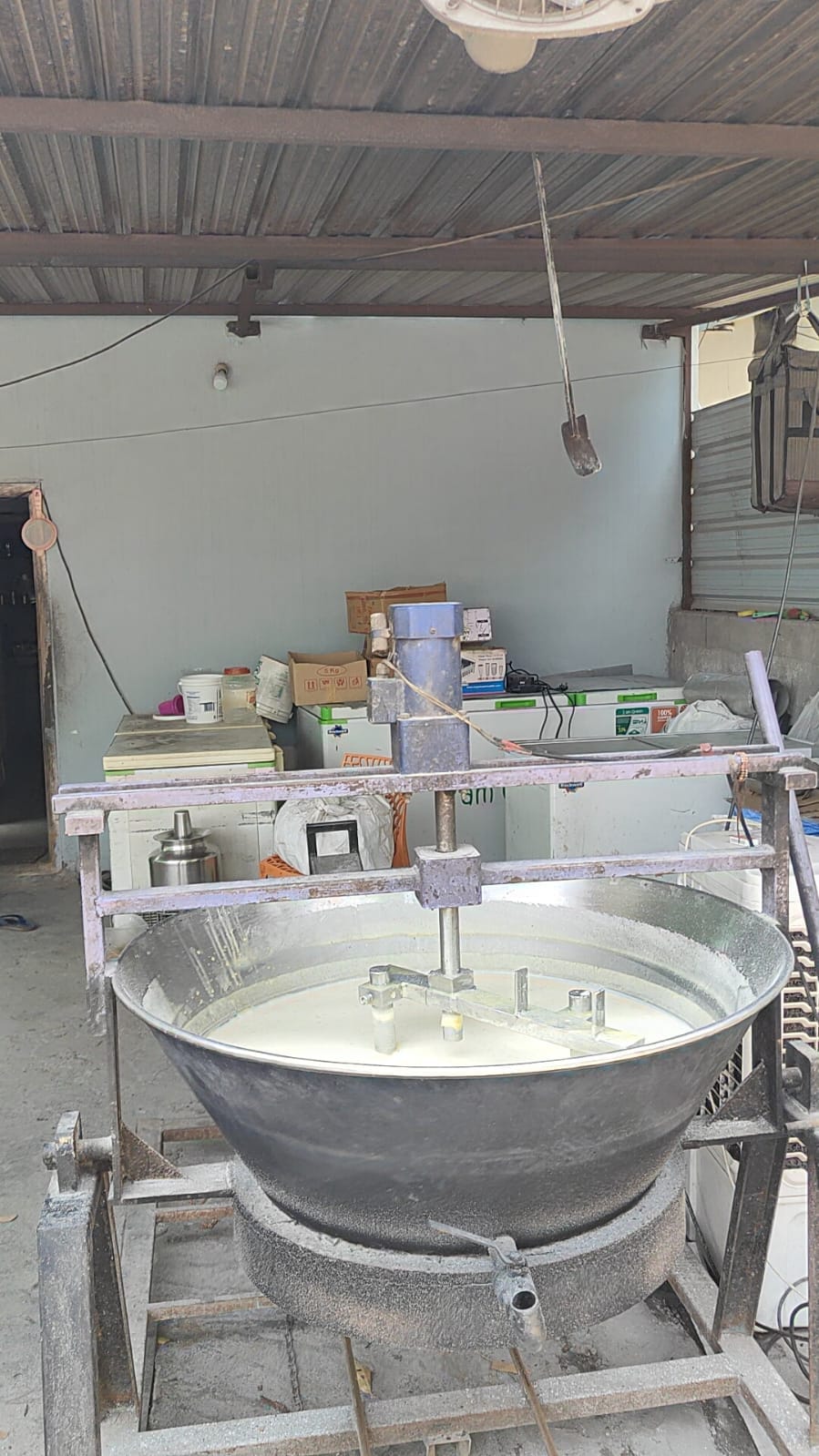
During a surprise inspection on 28 March, the Flying Squad of the Food Safety Department of Telangana uncovered serious hygiene lapses in a manufacturing unit of kulfi, falooda, kulfi and badam milk at Mallapur.
The officials found that badam milk was being prepared in highly unhygienic conditions, and the products were exposed to flies. Around 50 litres of products were discarded on the spot to protect public health. Officials said that strict action is being taken against the unit for violating food safety norms.
According to a food inspector in Telangana, “There is an increase in the number of cases, because inspections by the food safety department of each state has increased. Now, there are more officers on the ground, so more samples are being tested.”
He said that most cases of adulterated products they have found are in milk. “As per set standards, buffalo milk has to have minimum 6 percent fat. But, there are cases where substandard milk, paneer, and curd is being sold in the market. We take action against such cases. There are multiple cases where these products are in violation of set guidelines.”
Fake Fortune soyabean oil in Ayodhya
Meanwhile, police in Uttar Pradesh’s Ayodhya, along with food safety agencies, busted a racket selling counterfeit Fortune soybean oil on 23 April. Police said 2,980 packets of the suspected product have been recovered. The factory located at the site has been sealed.
The raid was carried out within the jurisdiction of the Nagar Kotwali police station. Fake one-liter pouches of Fortune soybean oil were being sold at a shop, located within the limits of the police station.
The investigation revealed that the printing and packaging on the pouches did not match the standards of the authentic company.
Adulterated honey
The Food Safety Department in Uttar Pradesh’s Hapur said they have destroyed nearly 15,000 kg of adulterated honey worth around Rs 22 lakh. It said the action was taken following a raid on 6 January.
The consignment, allegedly brought from Haryana, was seized on suspicion, and samples were sent for laboratory testing. The reports in April confirmed the honey was heavily adulterated, the department said.
Fake Harpic products in Pilibhit
The Pilibhi Police conducted a raid on 23 April under the Kotwali police station area, and recovered counterfeit products of renowned brands such as Harpic. 103 bottles of counterfeit Harpic were recovered.
Police said that company representatives had been receiving persistent complaints regarding the sale of counterfeit branded goods within the city. Acting on this, the team visited ‘Maa Bhagwati Agency’ at the Loha Mandi intersection, where 103 counterfeit 500 ml plastic bottles—being sold under the brand name ‘Harpic’—were recovered from the premises owned by Shailendra Agarwal, a resident of Mohalla Dori Lal.
Fake weight loss injection
On 18 April, acting on a tip-off, the Food and Drugs Administration officials seized spurious Mounjaro KwikPen injection, which is used to treat type 2 diabetes and manage obesity, from a car in Gurugram.
Based on the MRP on the label, the total estimated cost of the injection of various strengths (2.5 mg, 5 mg, 7.5 mg, 10 mg, 12.5 mg and 15 mg) sampled at spot was Rs 56,15,847, officials said.
They said apart from the driver, another person named Mujammil Khan was sitting in the car. He told the food safety department that the product belongs to another person named Avi Sharma.
They said Sharma was asked to produce documentary evidence to show where he acquired the said product from, but he said he himself manufactured them on his flat.
The product was found to be spurious. Keeping in view the gravity of the offence, both Mujammil Khan and Avi Sharma were arrested on the spot for violating the provisions of 18(c) and 17 (B) of the Drugs & Cosmetics Act 1940.
Fake Veet hair removal cream
On April 6, the Delhi Police Crime Branch busted an illegal unit involved in the production and distribution of counterfeit cosmetic products of Veet, a hair removal brand.
Police registered a case and arrested four persons from Badli area in Outer Delhi. During investigation, police found that the accused used unauthorised and countdown printing plates for manufacturing packaging resembling reputed brands.
Approximately, 4,000 filed tubes of counterfeit Veet Hair Removal cream, 5,500 packed retail units ready for market distribution, 10,000 empty tubes used for filling counterfeit products, 100s of printed counterfeit cartons, wrappers, and labels resembling the brand, and large quantities of raw material—including potassium thioglycolate, hydrated lime, wax—were seized by police.
Apart from these, similar syndicates were busted in other states, including Gujarat. ThePrint reported on 5 April how counterfeit syndicates have moved from high-end luxury products to high-volume, daily-use consumables, and people are not only losing money but also unknowingly using chemicalised products that are causing irreversible harm to their health.
From toothpaste and paneer to soft drinks and even ginger-garlic paste, everyday household staples may not be what they seem.
What the data says
On 17 March, the Ministry of Health and Family Welfare said that more than 5.18 lakh samples have been analysed over the past three years, and 88,192 cases were settled with penalties. The department managed to secure 3,614 convictions.
A total of 1,161 licenses were cancelled, the ministry said. It said that the FSSAI has developed a Risk Based Inspection System where the frequency of inspection is decided based on risk associated with food businesses and guidelines.
It further said that the FSSAI has notified 252 food testing laboratories for analysis of food samples and 24 Referral Food Laboratories for the analysis of appellate samples.
It said that annual inspections are to be conducted for all food categories identified as high risk. The total number of Risk Based Inspections done in the last three years (2022-23 to 2024-25) are 56,259.
(Edited by Ajeet Tiwari)
Also Read: FSSAI has failed to resolve diet-related issues in India—public health crisis on the rise