





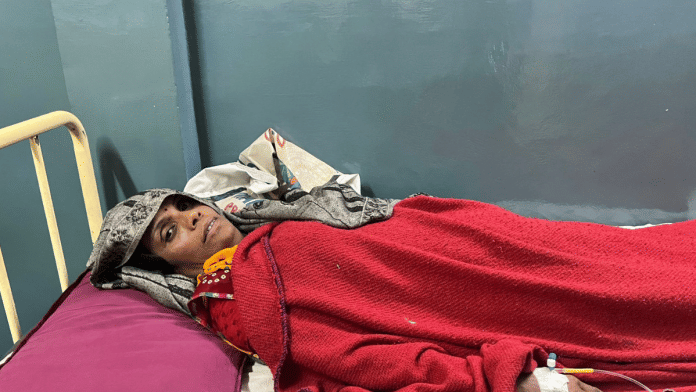



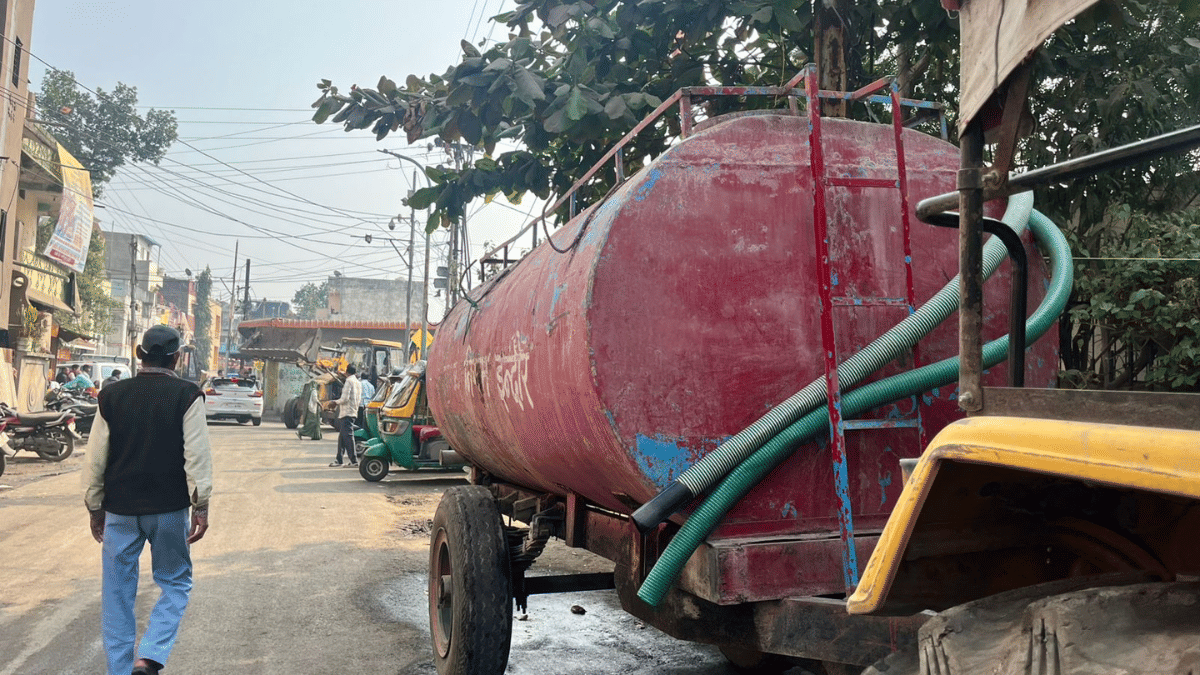
Indore: Hospitals near Indore’s Bhagirathpura are filled with patients with similar symptoms—diarrhoea, vomiting, fever and breathlessness—all linked to waterborne diseases. The roads leading to the locality are dug up, and the sight of huge water tankers entering the neighbourhood has become routine.
The neighbourhood is the epicentre of the outbreak of waterborne diseases in the city after sewage got mixed with the main pipeline supplying drinking water. It has been eight days since people started facing acute water contamination issues, and there seems to be no end in sight anytime soon.
In the High Court, the Madhya Pradesh government submitted a status report acknowledging four deaths due to water contamination, though petitioners have claimed the toll could be anywhere between 8 and 15.
On Thursday morning, 70-year-old farm worker Madhubai walked towards a government hospital clutching a strip of tablets, struggling to catch her breath. She makes a modest earning from her work at a chana field, and gets Rs 600 monthly pension from the government.
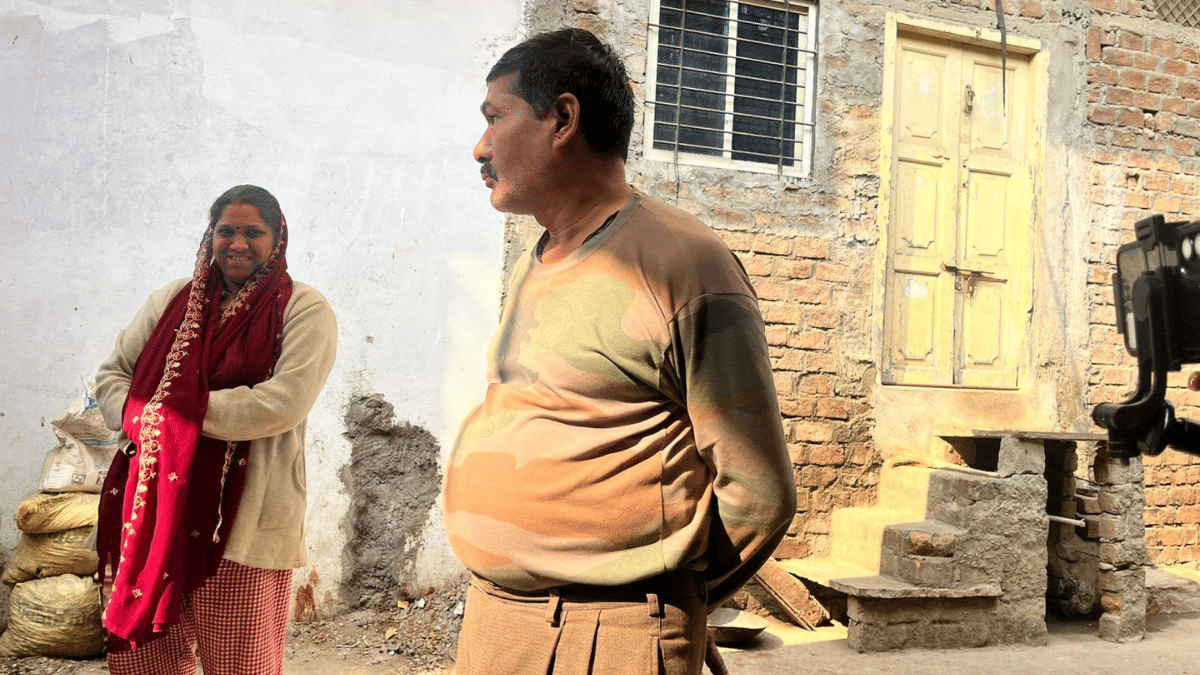
She lives with her sister in a rented house in the locality. With no family to accompany her, she had no option but to go alone to the hospital.
“I don’t have anyone who can take me to hospital,” she told ThePrint on the way to the facility. “The ambulance is there on the road but I am too scared of getting admitted to the hospital. It’s been three days since my earnings have stopped. No one will come to pick me up if I die.”
Just a few meters away from her, a 55-year-old woman died with symptoms of waterborne diseases.
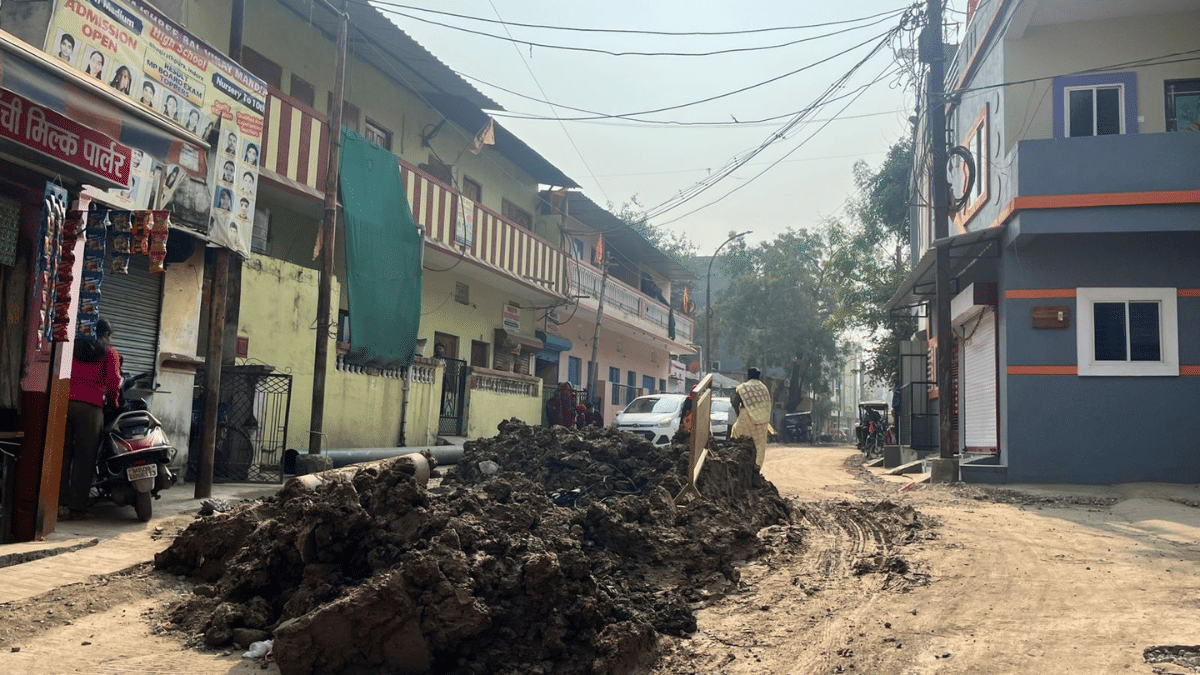
The outbreak has turned routine life into a daily struggle, exposing how quickly basic services break down for the city’s most vulnerable when systems fail.
As illnesses spread and earning members fall ill and get hospitalised, families are losing daily wages. The sight of elderly residents walking to hospitals is common, and the cost of drinking water has doubled in narrow lanes where tankers cannot reach.
Sunil Prajapati, a resident of Bhagirathpura, said he also lost his sister Monday. “That day, the water tasted very bad and bitter. Our sister died and around eight people from our area are still admitted to the hospital,” he told ThePrint.
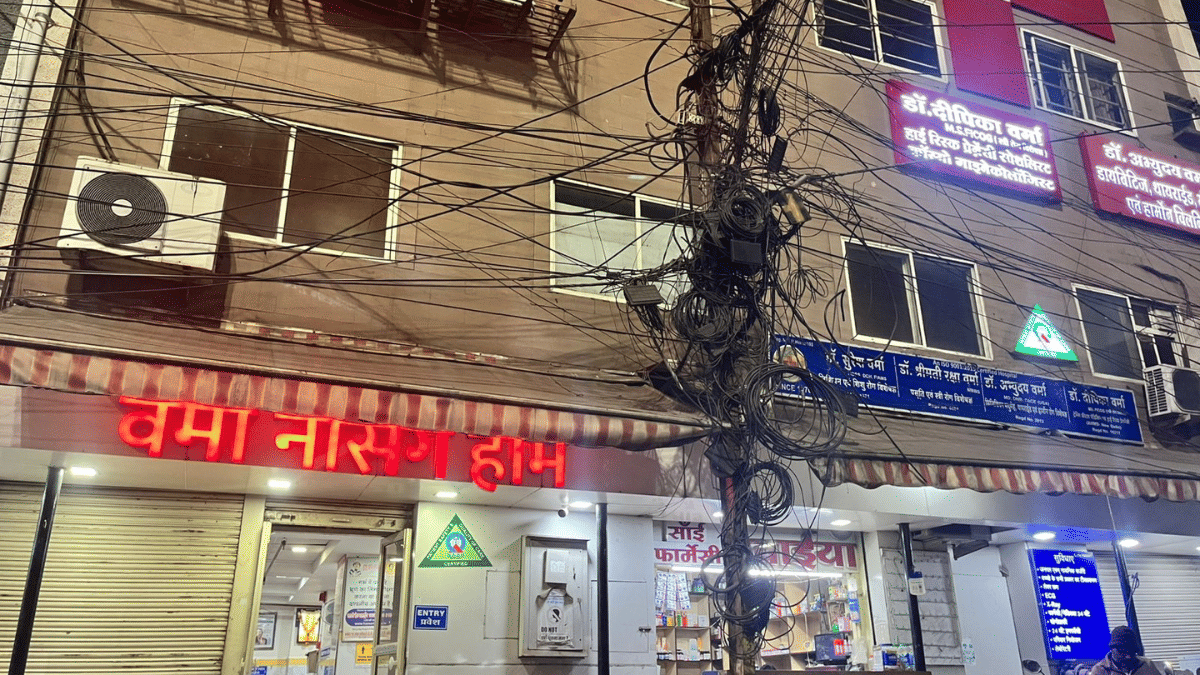
Sangeeta Gupta (45) got admitted in the Verma Nursing Home in Indore late Thursday night. She did not want to come to the hospital so she explored every available option before.
“I went to a medical store before and had medicines. I even went to a private clinic but did not get any relief. So I had to come here to get admitted at the end. I still have no relief from vomiting and diarrhoea,” Gupta told ThePrint from her hospital bed.
“Earlier, they used to sell (20-liter water bottles) for Rs 20 each. They doubled the price. I can’t pay Rs 80 for water every day. What will I eat if I spend all the money on water?” says Shagun, a resident.
After admitting her to the hospital around 10 pm, her 21-year-old son left to get food. “We are daily-wagers, we are hand-to-mouth people. We can’t afford to get sick like this.”
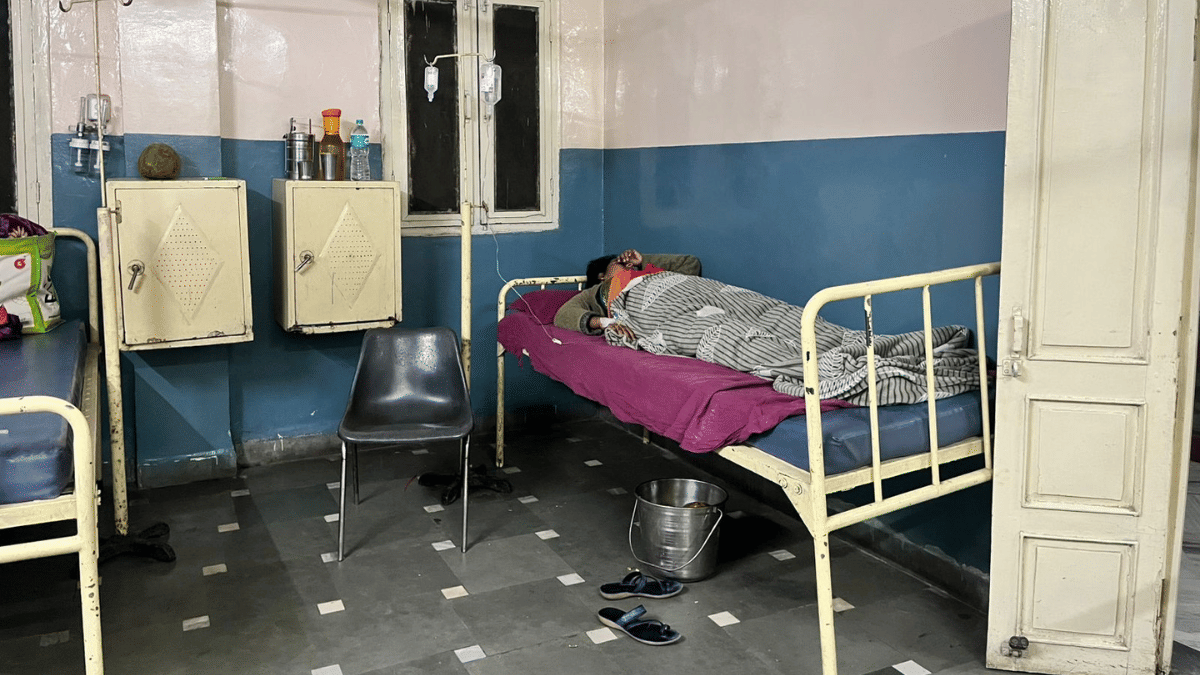
Just on the next bed is Rakha Karadiya. She has been in the hospital for two days, but there is not much improvement in her health. She is waiting for a nurse to come. “I got admitted yesterday morning with vomiting and loose motions. Everyone has the same story in our neighbourhood,” she told ThePrint.
The Verma Nursing Home has the capacity of having 25 patients. For the past seven days, it has been receiving patients way more than its capacity.
“We work in the Nanda Nagar Hospital but were asked to come here because there are so many patients in every hospital. A few days ago, the situation was really bad, but now it’s better. It will slowly improve further,” said Shaun Dubey, a nurse at the hospital.
Water price hike
Shagun (29) bought two 20-liter water bottles each for three days, and that’s all her pocket allowed, also because the seller doubled the price the fourth day. The narrow street she lived in compounded the problem as water tankers can’t reach there.
“Earlier, they used to sell (20-liter water bottles) for Rs 20 each. They doubled the price. I can’t pay Rs 80 for water every day. What will I eat if I spend all the money on water?” she said.
Now she fills the two buckets from a nearby home which has a borewell connection in their home. She uses the municipal supply water for cleaning.
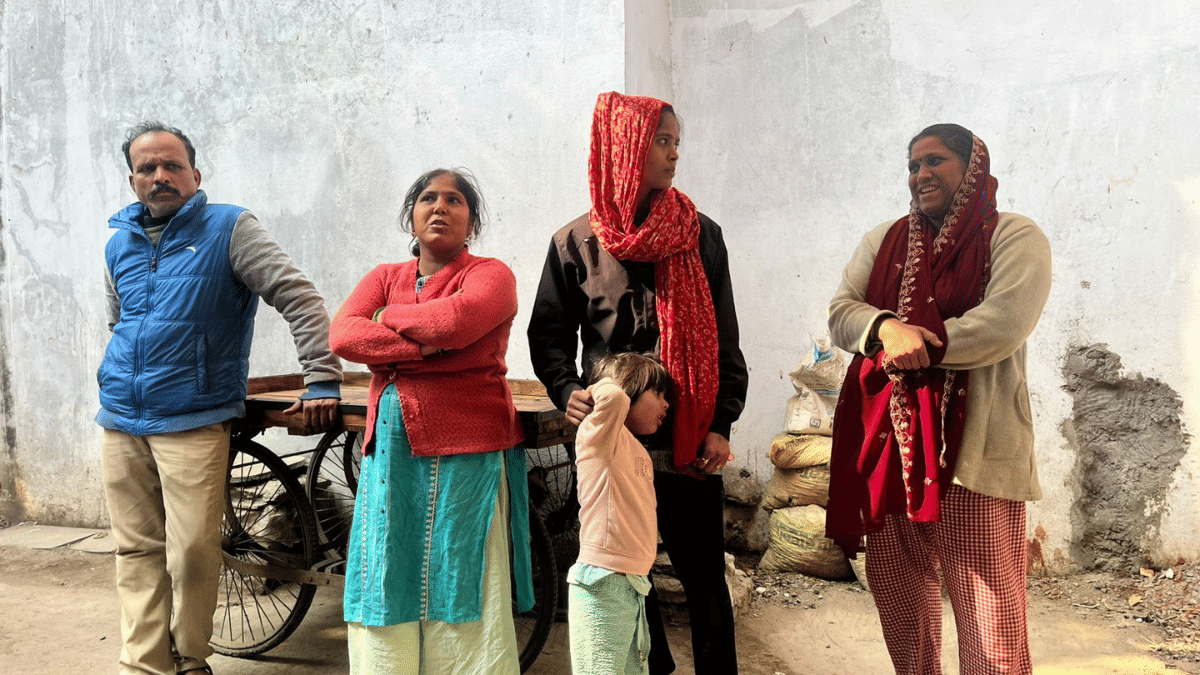
In the next house, Jitnedra Prajapati lives with his family. He is facing a sort of boycott from his relatives—they come to his house, but don’t drink the water even if it’s clean.
“They think they will get sick after drinking the water, sometimes they bring their own water. People are not drinking tea in our houses, I feel so bad,” Prajapati said.
According to the health department, a total of 309 patients from Bhagirathpura were admitted to different hospitals, and 101 of them have been discharged.
The remaining 208 are still in the hospital for treatment.
Twenty-seven patients are in Intensive Care Units under critical condition, said the department. A total six ambulances have been deployed in the area.
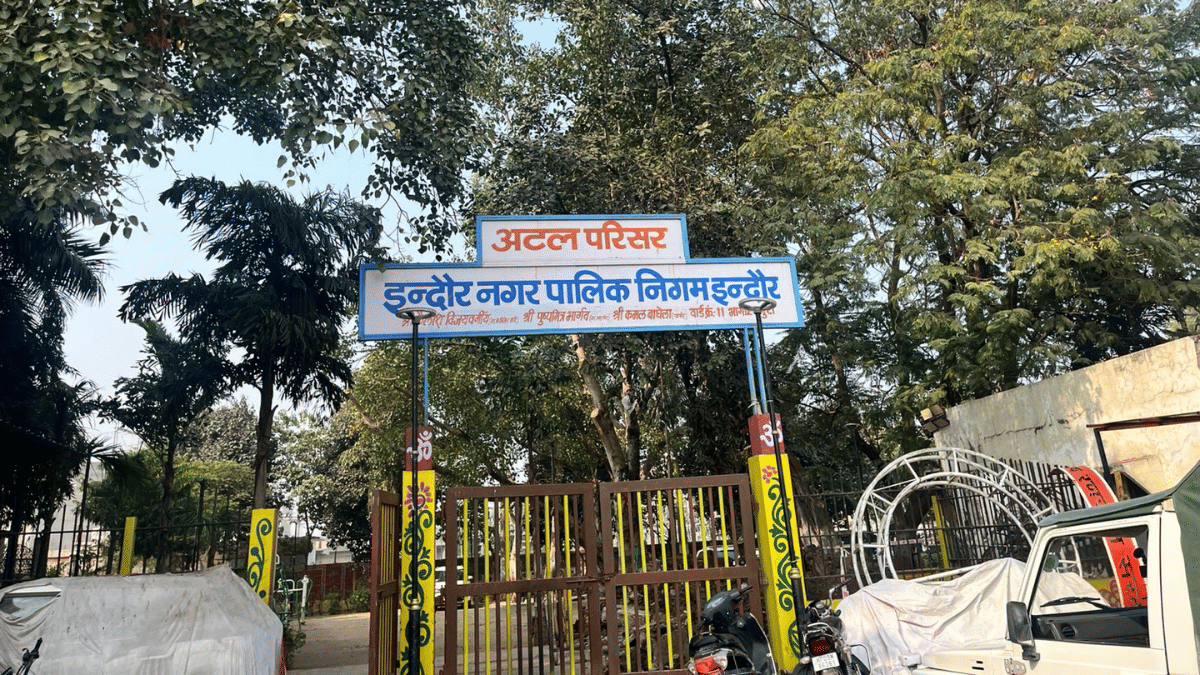
The state government has posted three additional commissioners—IAS officers Akash Singh, Prakhar Singh and Ashish Pathak—to the Indore Municipal Corporation as part of the government’s decision to strengthen the civic administration.
(Edited by Ajeet Tiwari)
Also Read: Madhya Pradesh IAS officers deny using AI-generated images to win National Water Award amid row