





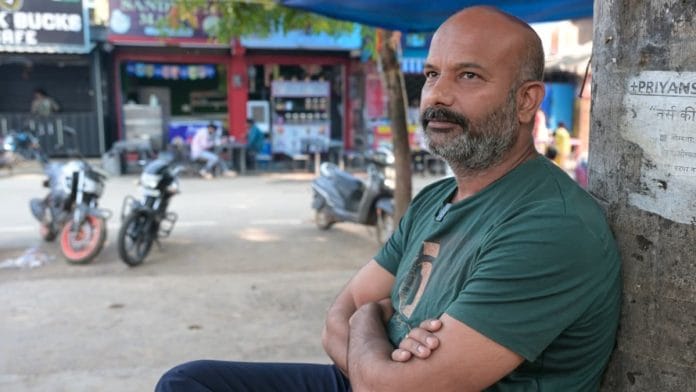



Jagdalpur: It was April 2025. Jagdalpur-based journalist Vikas Tiwari got an unexpected phone call. “Main Rupesh ka saathi bol raha hun…wo aapse milna chaahte hain…aap do baje tak Uspari ghat pe aa jaiye.…” (I’m Rupesh’s aide. He wants to meet you. Come alone to Uspari ghat—along Indravati river, in Chhhatisgarh’s Bijapur—by 2 PM today.)
Vikas, who goes by the name Ranu Tiwari, was skeptical at first. Until then, no Maoist leader had spoken to a journalist in more than a decade. The Maoists had even ‘banned’ Tiwari at one point for his reporting. But, on that day last April, Tiwari had no time to overthink. He followed the instructions of the caller, who claimed to be a Maoist linked to Rupesh, then leader of the north-west sub-zonal unit of the banned CPI (Maoist).
In the interview he gave Tiwari on the banks of Indravati river, Rupesh outlined his plans and reiterated his proposal for peace talks with the government. This opened a line of communication between Rupesh and security forces, with Tiwari acting as the messenger.
Local journalists like Tiwari passed messages back and forth over the next few months as security forces continued combing operations and area domination exercises.
Tiwari’s claim to fame was facilitating the surrender of Sunam Chandraya, alias Papa Rao, the last surviving Maoist commander in Bastar region. Earlier, he also facilitated the surrender of a central committee member, Ramdher Majji, before Chhattisgarh Police.
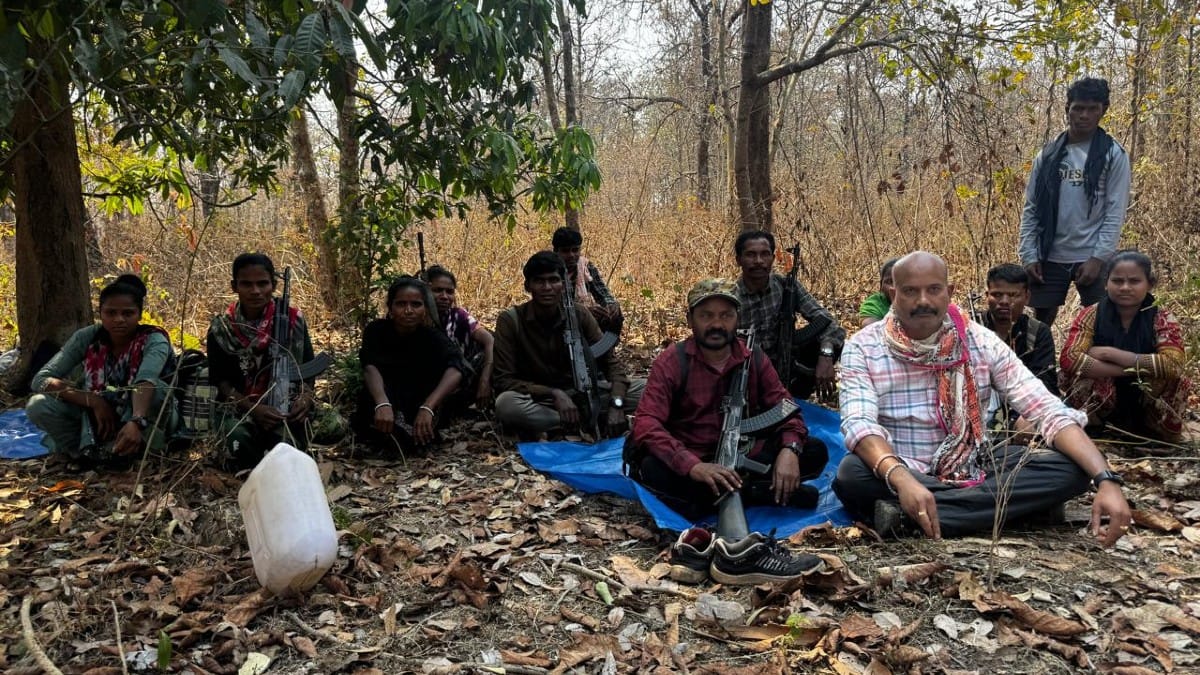
A video of Tiwari making a phone call to Chhattisgarh’s Home Minister, Vijay Sharma, conveying assurances to convince Rao to lay down arms, went viral. While that video and others appear scripted at the onset, Tiwari says this was part of a tactical approach.
“Maoists are coming out in large numbers to surrender in the wake of intensive operations and deployment in deeper pockets. Forces are everywhere, and for Maoists surrender is only profitable,” said Tiwari, sitting under a banyan tree in Jagdalpur, sipping a cup of tea.
The phone calls to the home minister were meant to convince the Maoists that their willingness to lay down arms had been conveyed to the top rung of the security apparatus, and that they would be granted safe passage to come out of the jungle, Tiwari explained.
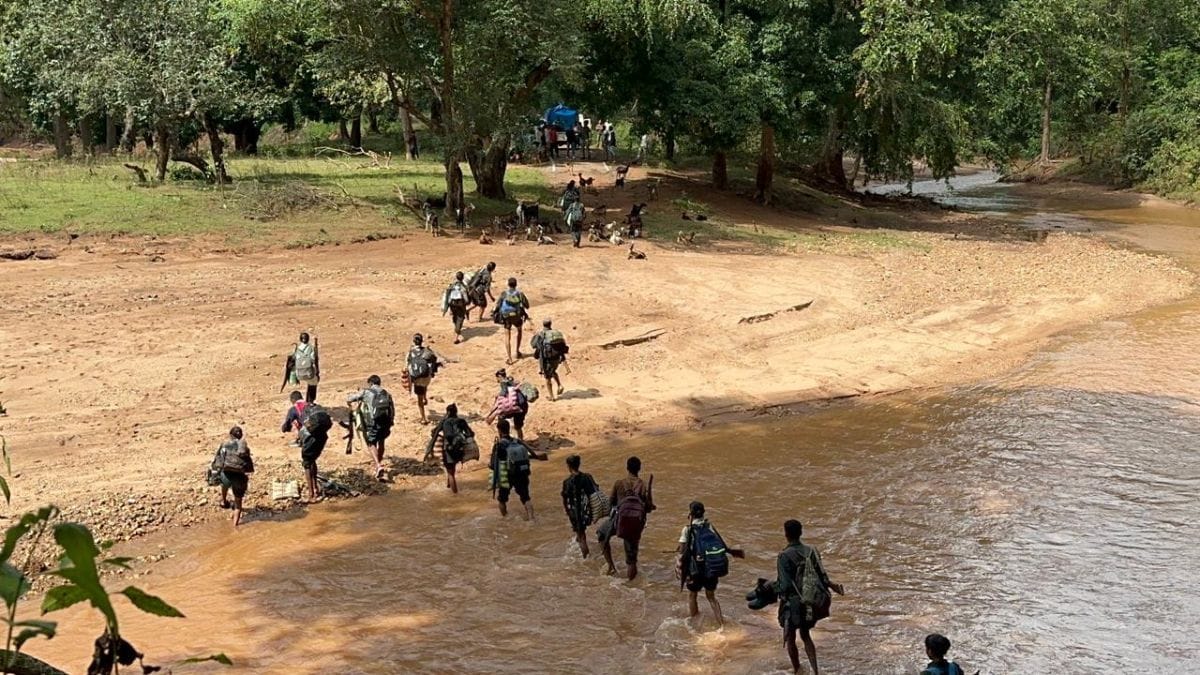
A few months after Tiwari interviewed Rupesh, came another series of phone calls. This time, the Maoists picked two other local journalists, Ankur Tiwari and Manku Netam. After days of negotiations, with senior police officials monitoring behind-the-scenes, Ankur and Manku facilitated the surrender of more than 200 Maoist cadres in Jagdalpur last October.
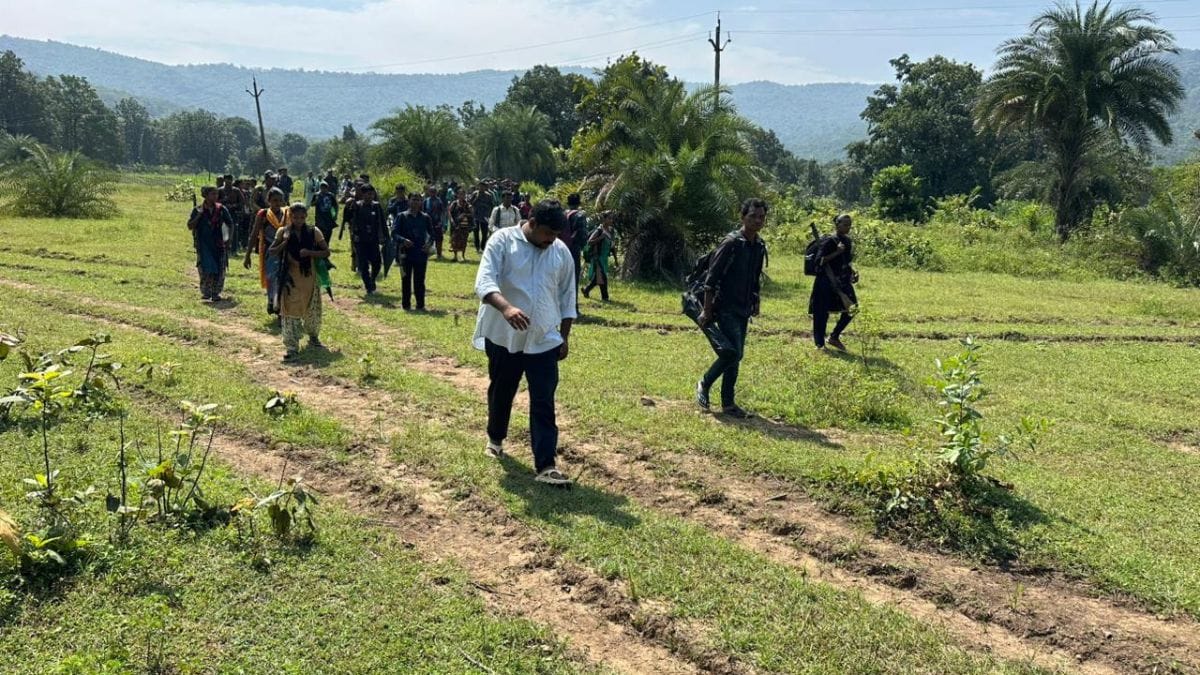
Inspector General of Police (Bastar range), Sundar Raj Pattilingam, said local journalists acted as an “important bridge” between the administration and Maoists. “Given their deep access to remote areas and their connect with the local communities, many journalists have acted as an important bridge between security forces, administration and armed Maoist cadres who were exploring the possibility of surrender,” IG Sundar Raj told ThePrint.
Local journalists like Tiwari are now celebrity journalists in Bastar.
But, in his own words, journalism was never his first choice.
Also Read: From ‘jal, jungle, jameen’ to jobs: Surrendered Maoists seek new lives with state rehabilitation
Accidental journalist
Though he traces his ancestral roots to Uttar Pradesh’s Pratapgarh, Ranu Tiwari was born and raised in Jagdalpur, capital of the state’s Bastar division.
A friend, who was working as a reporter in Bastar, introduced him to journalism in late 2013-early 2014. At this point, Tiwari had been unemployed for a few years.
“It was always by accident. I tried my hand at driving a truck and several other things…I failed in all…I believed journalism was for the educated…I’ve always managed to pass with 3rd division, except for matriculation, when I passed with 1st division,” said Tiwari.
Ordering a fresh cup of tea in between sentences, he added, “I’ve never read an entire book so far…was always a backbencher…even now I don’t read any newspapers or articles…I’m poor at reading…” He admitted that he entered journalism thinking it was a “lucrative business without investment” and an “avenue to bring home easy money”.
Drawing from his more than a decade of experience in the field, Tiwari said that the economics of journalism work differently in Bastar.
“Nearly all reporters work without salaries from their employers in Bastar. Instead, they have to pay for using the brand’s name, and they get commission from the ad revenues they bring from local businesses or government agencies such as PWD,” he explained. This model, he said, left journalism in Bastar at the mercy of local government officials.
Acting on the advice of his mentor, Tiwari launched a YouTube channel in his own name during the COVID-19 pandemic. He also started doing live-streams on Facebook from the dense forests of Bastar. But, he couldn’t garner as many views as he had hoped.
Tiwari then started afresh with a new YouTube channel. He named it Bastar Talkies. This channel, too, did not grow much initially. The turning point came with his ground report from Sukma in 2021 which made him a household name in Bastar.
On 2 April 2021, Maoists ambushed a CRPF company in Tadmetla, resulting in the deaths of 22 jawans. Tiwari was among the first to report from the ground. “I did the most detailed ground report on the attack, emphasising individual stories of each and every slain force,” he recalled.
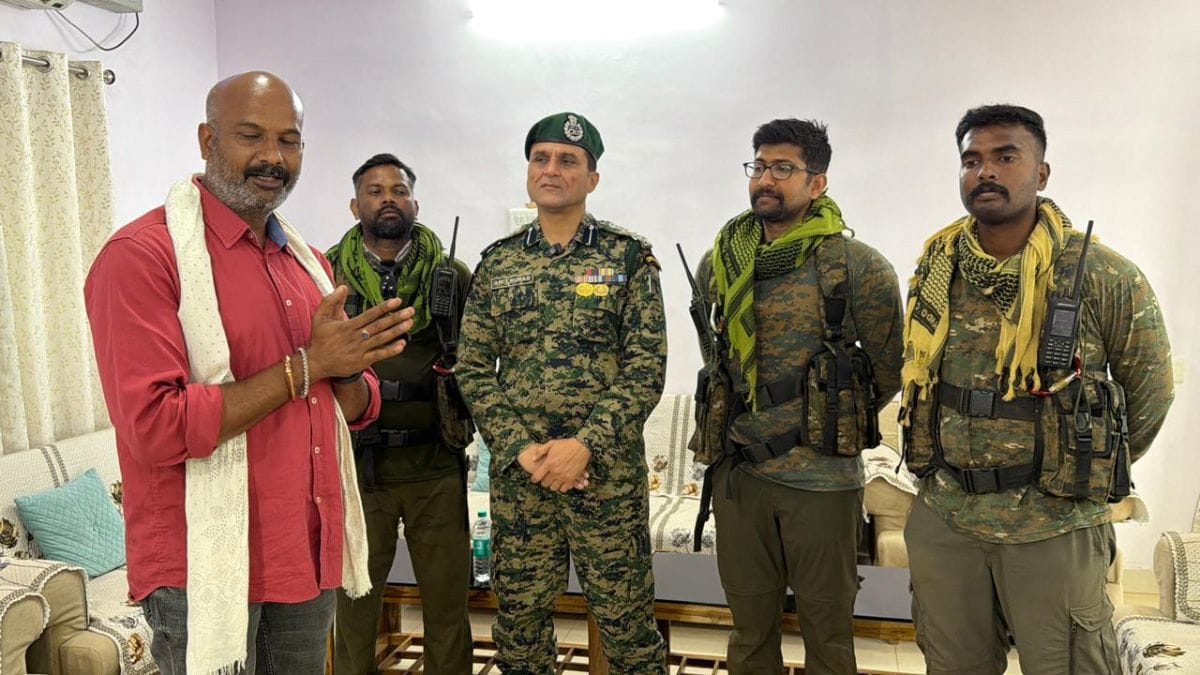
Journalists working with major news publications in Raipur said Tiwari has his ear to the ground, irrespective of the distance between Jagdalpur and the place of the incident. “He (Tiwari) has a network of friends and reporters and can report on any issue from any district under the Bastar division. He never relies solely on information from an indirect source and reaches the ground at the first opportunity,” said a Raipur-based correspondent.
Journalists with stints in Bastar also credit Tiwari for not trying to “balance” his reporting. Instead, he points out the nuance and layers that come with life in Bastar. His YouTube channel, Bastar Talkies, currently has more than 6.5 lakh subscribers.
“I present the facts and unfiltered accounts of people. Hence, my videos are generally longer than news reports on channels or other platforms. I don’t try to balance a news report,” said Tiwari. It was this style of reporting that invited censorship from the Maoists.
‘How many fingers have you collected, Mr Tiwari?’
Tiwari said the Maoists ‘banned’ him from reporting on LWE strongholds after he did a ground report from a protest site in Bastar, where he asked local villagers why they weren’t telling the Maoist cadres to stay away from their villages. Another report on how Maoists threatened to chop villagers’ fingers if they went out to vote earned Tiwari a stern letter from a Maoist, saying: “How many fingers have you collected, Mr Tiwari?”
But, Tiwari did not waver, and the Maoists eventually lifted the undeclared ‘ban’.
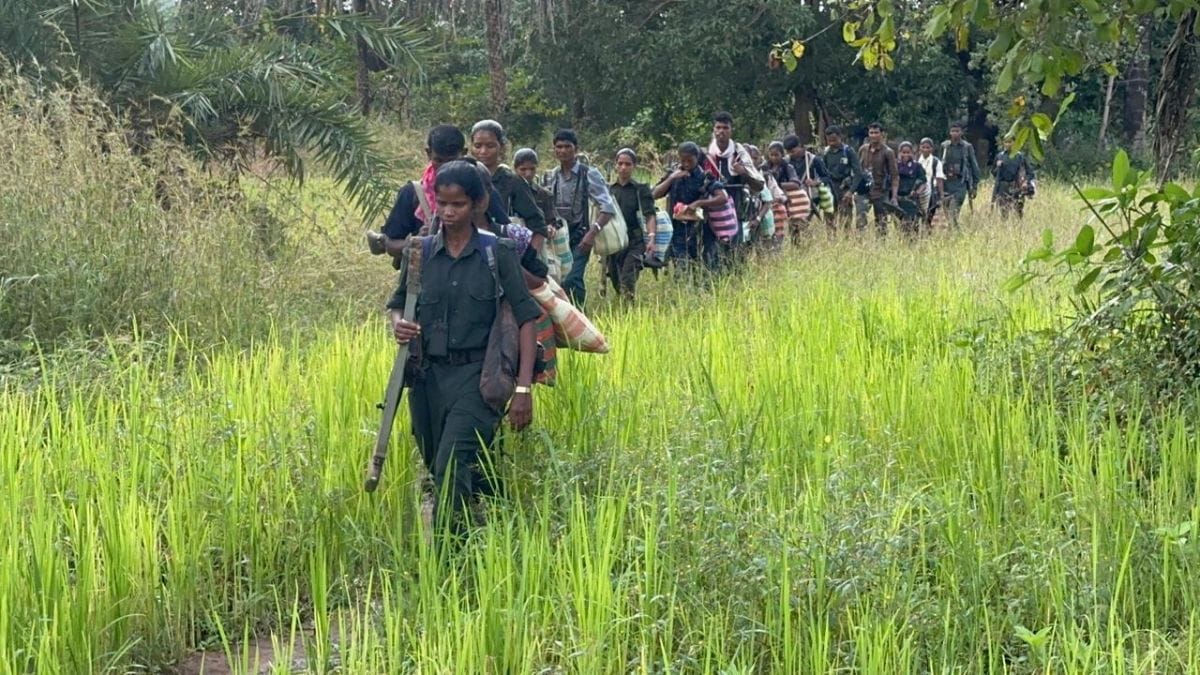
Tiwari also reported on the killing of a Bijapur man in an encounter. The police claimed the man was a Maoist, but Tiwari’s report, citing statements from the family, established that he was working as a cook at a government facility.
“I was the only one to have gone inside the jungle and to the village to report on the case. It was suggested by some of my friends that I shouldn’t report on it as it was completely against the official narrative at the time, since Amit Shah had his tour scheduled to Bastar,” Tiwari recalled. Despite this, Tiwari said he was never stopped from accessing forest areas.
It was this style of reporting that Tiwari credits for his access and credibility, both within the administration and among Maoist cadres. “It’s not a one-day phenomenon. They must’ve realised that my reporting was complete and thorough. I didn’t apply cuts and edits to any story, including press notes issued by the Maoists…Similarly, I had an unedited and unfiltered version of all stories from the police,” Tiwari said.
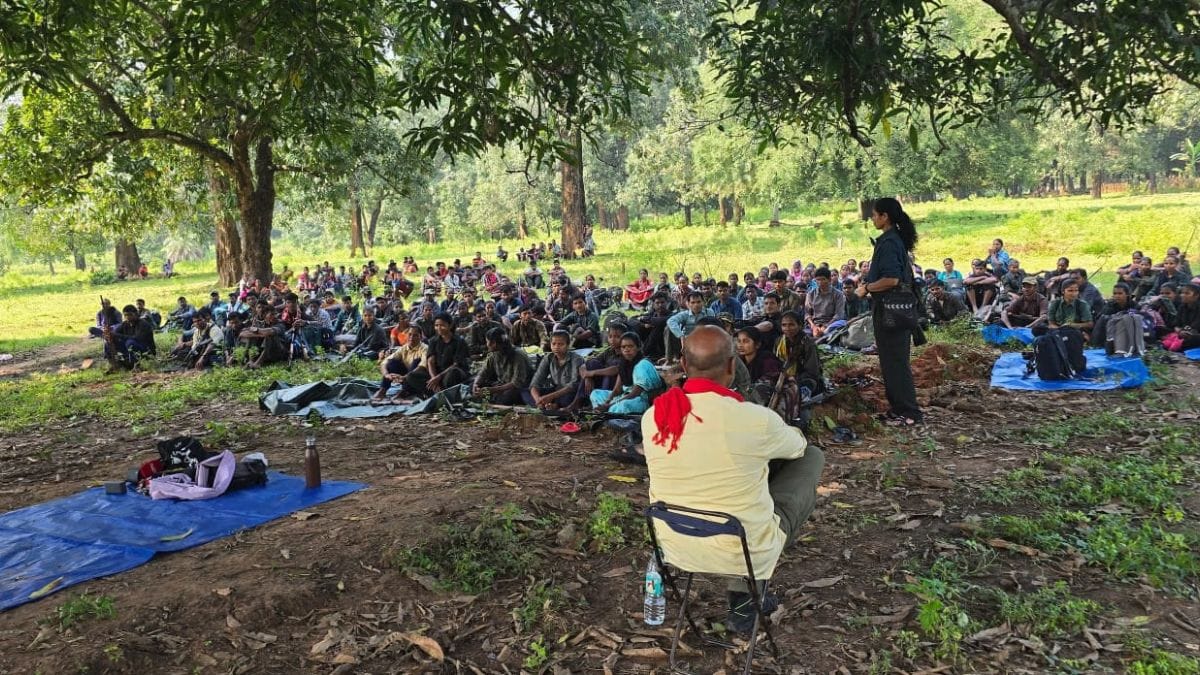
Referring to Papa Rao’s surrender, Tiwari said it was the result of outreach that lasted months. For instance, during a visit to the Indravati National Park in Bijapur, Tiwari dropped off dozens of letters at nearby villages in the hope that one would reach Rao.
Rao was at the time the last surviving Maoist commander in Bastar.
“My proposal was simple…If you’re willing to surrender, the safety and security of all the cadres with you will be my responsibility and they will be given a safe route to the nearest district headquarters for surrender,” Tiwari said.
Several weeks after he dropped off the letters, Tiwari received a call—come to Bijapur’s Kutru, alone and quickly.
“I reached there, and took a bike ride to Ambeli village,” he said, recalling that he had his doubts about his own safety. What worked in Tiwari’s favour was the sizable presence of the District Reserve Guard (DRG) in the area near Ambeli. Having sensed the assessment of Rao and his cadres, Tiwari called up Chhattisgarh’s Home Minister Vijay Sharma and asked him to clear the area of security forces to convince Rao to accompany him.
Manku Netam & Ankur Tiwari
Kanker-based journalist, Manku Netam, was at his farm when he received a call from an unknown number. Manku had a feeling that this was from someone linked to the Maoists.
“I was informed the next day that I had to come with Ankur Tiwari to Kamtera in Kanker district,” he told ThePrint.
Five minutes after they reached Kamtera, two Maoist cadres appeared and shared their ordeal about life in the jungles of Bastar. “They said that they hadn’t eaten anything for the last two days and sought rice along with clothes and slippers,” Netam said, adding that he returned and sought approval from Bastar IG Sundar Raj to initiate the surrender process.
“When I returned to them with the rice, Maoist leaders such as Bhaskar and Raju made it clear that they wanted to surrender, and I approached IG once again to check,” recalled Manku. IG Sundar Raj sent him the location of the nearest camp where they met to discuss the surrender. As a result, 50 Maoist cadres laid down arms on 15 October last year.
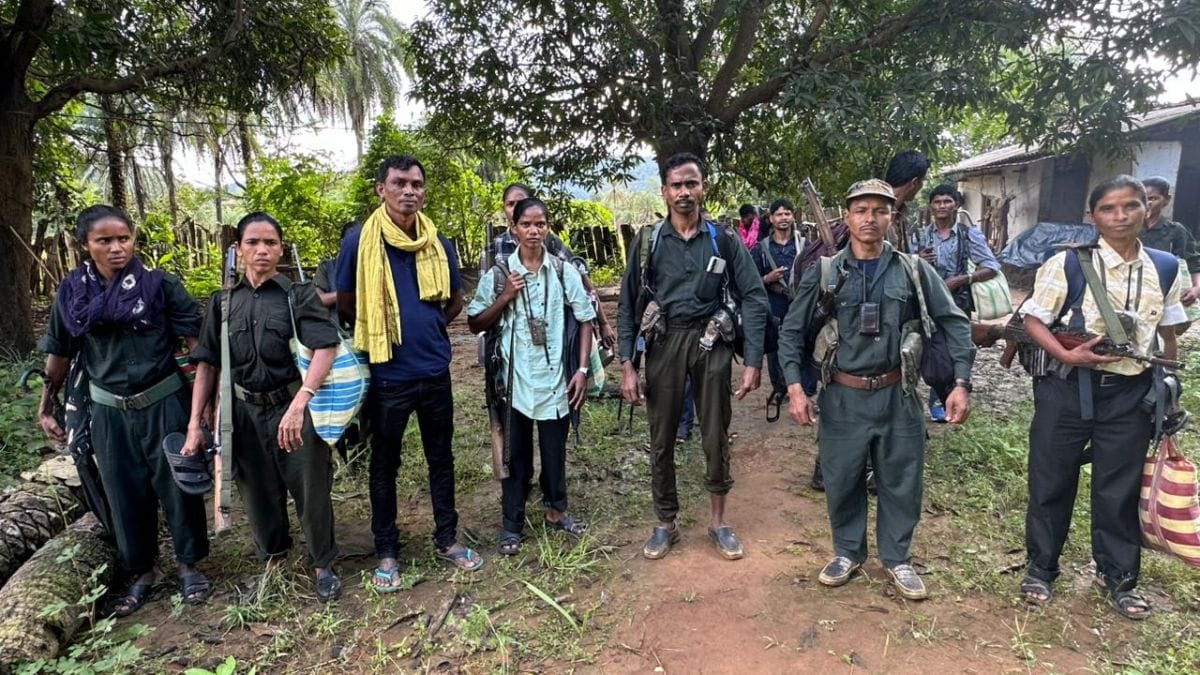
Two days later, Manku and Ankur facilitated the surrender of another 160 Maoist cadres.
Ankur recalled how talks and planning for the next batch of surrenders had already begun even before the 50 Maoist cadres laid down their arms in Jagdalpur.
“It was a taxing exercise, and I had run out of steam by midnight when all of us reached Jagdalpur. Then, the police provided me with a driver, and I went to the Indravati area in Bijapur, and facilitated the surrender of more than 150 cadres,” he told ThePrint.
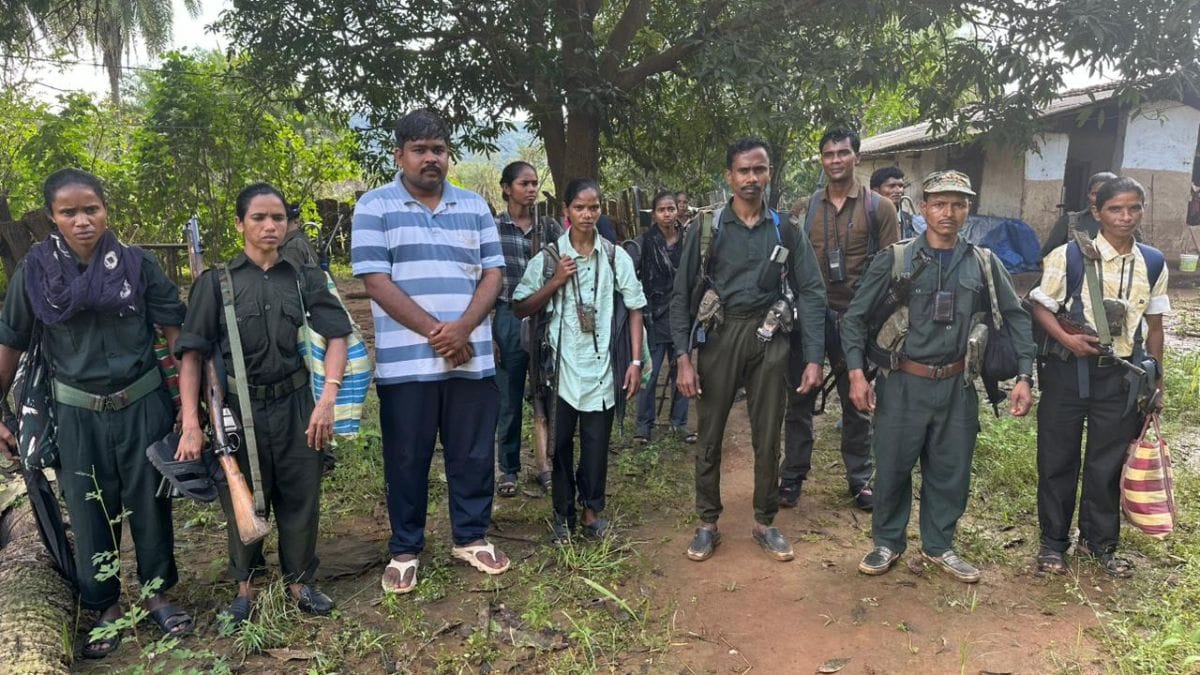
This remains the single largest en masse surrender by Maoists in India. And it could not have been possible without local journalists such as Ankur, Manku or Ranu Tiwari.
As Tiwari sums it up: “Everything can be contested about the history and context of the Maoist movement in the country, but the fact remains that we were the first ones who facilitated the surrenders of Maoist cadres.”
(Edited by Amrtansh Arora)
Also Read: Bastar armed with new weapons to end Maoism once & for all. Roads, ration cards & CRPF gurukul