








Gadchiroli: It looks like a typical workers’ colony in a small town in India.
Every morning, mothers hurriedly cook lunch for their families and get their children ready for school before they head to work. Men put on their boots and ready their bikes to start the day. And dozens of workers in uniforms board a bus to work in a nearby factory.
But this isn’t just another worker’s settlement.
Navjeevan Vasahat in Maharashtra’s Gadchiroli district is a dedicated rehabilitation colony for surrendered Maoists who now work at a major iron ore company’s plant as part of a government programme to reintegrate them into mainstream life.
From factory jobs, skills training and state-built housing to a return to agriculture, the programme has helped hundreds of former Maoists completely rebuild their lives after they laid down their arms.
The change in their lives is stark.
After years in the dense forests of Gadricholi, Arpe Pallo, 30, now begins her day cooking meals for her ageing parents, making sure their medicines are in place, and giving instructions to her daughter to go to school.
Not too far away, Neela Kumre, 34, also gets ready to go to work, carrying her young child with her to the iron ore and pellet factory some 40 kilometres from Gadchiroli town because the child is too young to leave at home.
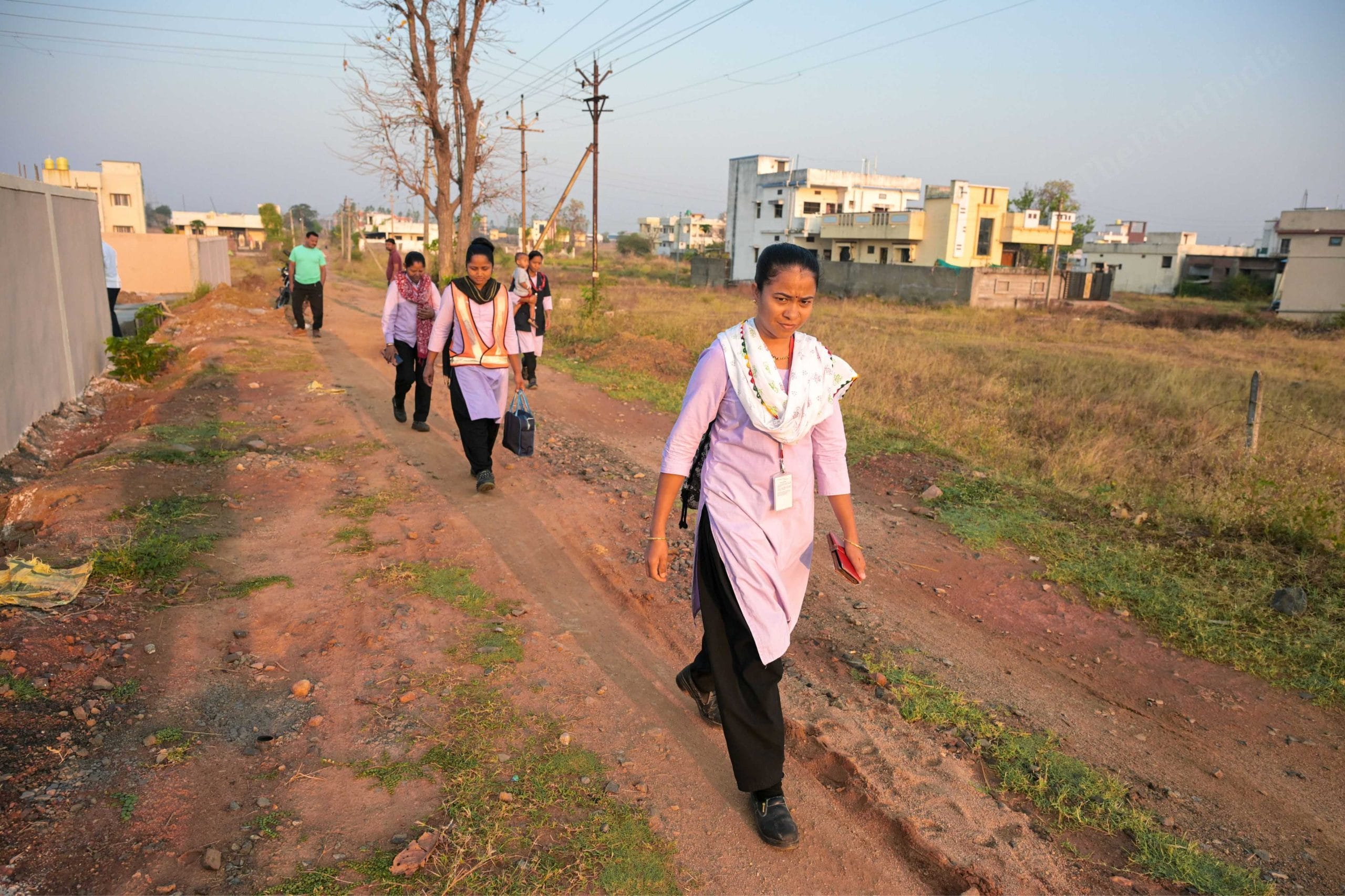
Both Kumre and Pallo had married Maoist cadres and lost their husbands in the police encounters, and both don the same uniform and board the same bus daily to their workplace.
Work in the Lloyds Metals and Energy Limited iron ore and pellet factory is a world away from their lives as left-wing guerrillas roaming the region’s dense forests, rifles slung on their backs, as they waged an armed struggle against government forces for years.
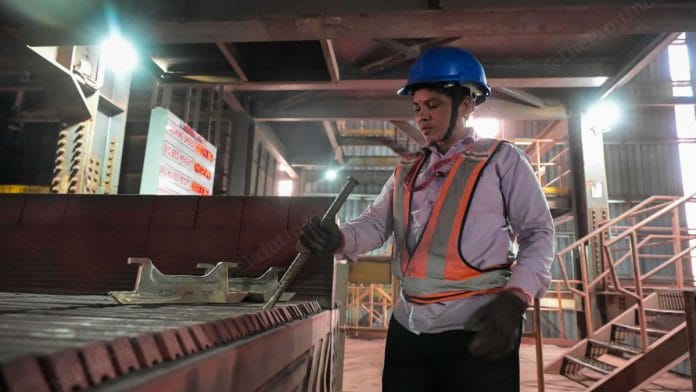
As the clock ticks past 2 pm, Manju Jivan Tima and Urmila Budharam Lakda work amid the intense heat and noise of a mixing machine and raw materials that have to be processed.
But Tima and Lakda are unfazed. They have no complaints about the heat after their years with the Maoist outfit.
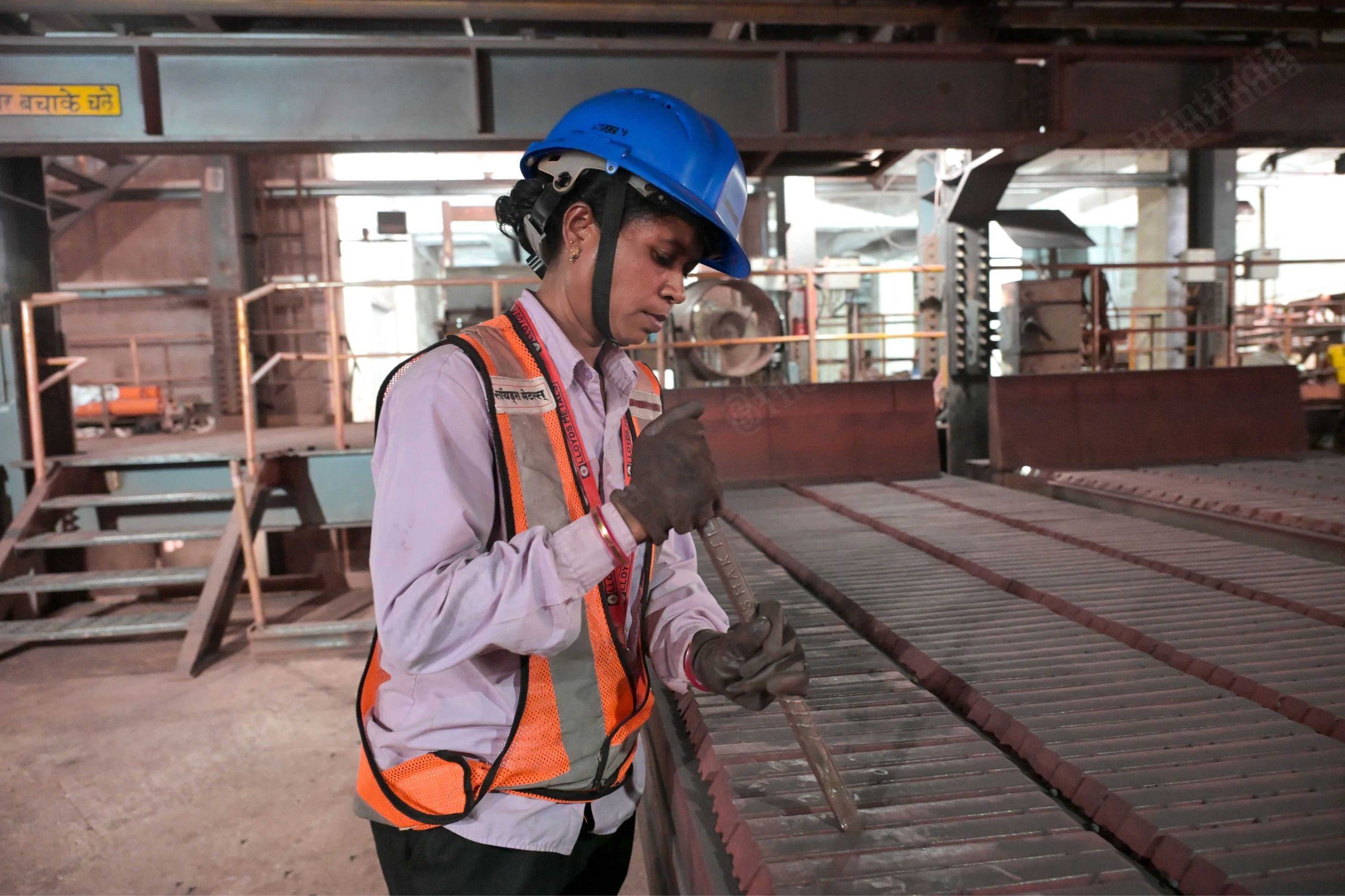
“We have carried guns and lived in jungles for years. This is difficult, but not unmanageable for us,” she told ThePrint, as she hammered iron pellets into place while waiting for them to cool down for processing.
Tima and Lakda are among 814 Maoist cadres who have laid down their arms in Gadricholi district since the Maharashtra government announced its surrender and rehabilitation policy in 2005.
Gadchiroli Superintendent of Police Neelotpal said that 166 hardcore Maoists had surrendered since 2022, with 132 of them laying down their arms since last year alone.
Under the state government’s rehabilitation policy, those who surrendered were sanctioned funds based on their rank in the banned outfit, along with skill training and employment opportunities through firms and self-help groups.
At Navjeevan Vasahat, which roughly translates to ‘a colony for people with new lives’, Gadchiroli Police and the district administration have rehabilitated around 44 families of surrendered cadres.
Gadchiroli Range Deputy Inspector General of Police Ankit Goyal said that the administration had adopted a holistic rehabilitation approach that went beyond just cash rewards.
“Our approach has been very holistic in the sense that once they come for surrender to us, there are certain cash rewards that they get based on what their rank was in the organisation. But cash rewards from the Central government and the state government are only one part of it,” Goyal told ThePrint.
“The other part is that some of them were sterilised when in the Maoist organisation. So we do their reverse vasectomy to ensure they have a good family life after that. Plus, a lot of skill-imparting, a lot of training, and a focus on how they can live a very meaningful life and what their profession can be later,” he added.
DIG Goyal said the colony was established to provide residential plots in Gadricholi to surrendered cadres who did not want to return to their villages. Construction of houses is funded through various state and Central government schemes.
Goyal said employment opportunities for the surrendered cadres were a priority for the state government; therefore, the Gadchiroli Police stepped in to help when the firm approached the police with a proposal to hire them.
Also Read: Surrender, eliminate, develop: Fall of the Red Corridor, ending 6 decades of Maoist insurgency
From rifles to hammers and iron pellets
Since its steel plant began operations in 2023, Lloyds Metals and Energy Limited (LMEL) has emerged as an industry leader in the Gadchiroli district.
It hasn’t been easy. The company has faced many setbacks, with Maoists torching its vehicles and killing its top executives in the past.
Although the company secured necessary licenses and approvals from the government nearly a decade ago, the active presence of Maoist cadres and leaders had hurt operations.
Today, 72 former Maoist cadres work at its Konsari steel plant, which has an annual production capacity of 72,000 metric tonnes.
Each of them has a story to tell.
Tima joined the Maoists in the 1990s and surrendered in 2008 after spending nearly 15 years underground.
She started her life with the party from Balaghat in neighbouring Madhya Pradesh, then moved to Gondia in Maharashtra, and finally the Mad region before laying down arms.
After that, she did some odd jobs for years and struggled to make ends meet before she was inducted into the plant as part of a workforce reserved for the surrendered Maoist cadres.
At the plant, she gets Rs 16,000 for a nine-hour shift.
It’s a far cry from her life with the Maoist party, when her day began early with meetings with senior Maoist leaders before traversing the jungles with weapons, often dodging bullets from security forces.
“I had been trained with all sophisticated weapons, such as AK-47s and others, to deal with any situation before me in the jungles,” she said.
A year after her surrender, she got married in 2009. Today, she has two sons, one of whom took the matriculation examination this year.
“My husband does some labour jobs in Gadchiroli, and I take home Rs 12,000, which is not a lot in today’s times, but what options did we have?” Tima told ThePrint.
“The lack of education has always worked against us, and that won’t be the case for my sons. We are striving to educate them so that they do not have to go through the struggles we went through,” she said.
Tima credits Lloyds Managing Director B. Prabhakaran for launching the initiative to employ surrendered Maoist cadres.
“Our lives have improved due to his initiative. This will need continuity, and we are hoping that his support will continue for the rest of our lives,” she added.
Her work companion, Lakda, has a similar life history, except that her husband, too, was a Maoist party member. They married in 2009 after surrendering when they turned 16.
Before she began work at the factory last year, she and her husband worked at construction sites. “It was a very difficult life. We used to work at construction sites as labour, and it was never a permanent arrangement,” Lakda said.
She is the sole breadwinner for her two children after her husband died six months ago.
All the workers have a completely different routine. Many of them begin their day with the early shift at 8.30 am. A company bus picks them up from bus stops in Gadchiroli town or near their rented accommodation and drops them off at the end of the workday.
All of them return home after working at the plant, with a day off on Sunday to spend time with family.
Arpe Pallo works as kitchen staff at the plant, earning Rs 12,000 a month.
Pallo surrendered before the security forces in 2022. Having lost her first husband in a police encounter in 2015, when they were still part of the banned outfit, Pallo married again during a community wedding organised by the state government last year.
“I have my daughter, who is studying in 6th standard, and I have to support her and her education as well as my ageing parents,” Pallo told ThePrint, on the way to the bus station.
By 7 p.m., she returns to her home in the Navjeevan Vasahat colony.
Starting afresh
Rebuilding their lives isn’t easy, but the former insurgents say they are happy with the change.
Ramesh Renukatwo, a 33-year-old factory worker, smiles as he parks a crane at the plant. He joined the banned outfit in 2003, but his life changed completely after he and his wife surrendered in 2014: for the past two years, he has been operating a crane at the Lloyds plant.
Ramesh works the 2 to 10 pm shift and earns Rs 28,000 per month.
“We did not have much knowledge about the outside world when we were in the jungles. Now, we are witnessing sweeping changes over the last decade since we surrendered,” Ramesh told ThePrint as he stepped out of his crane.
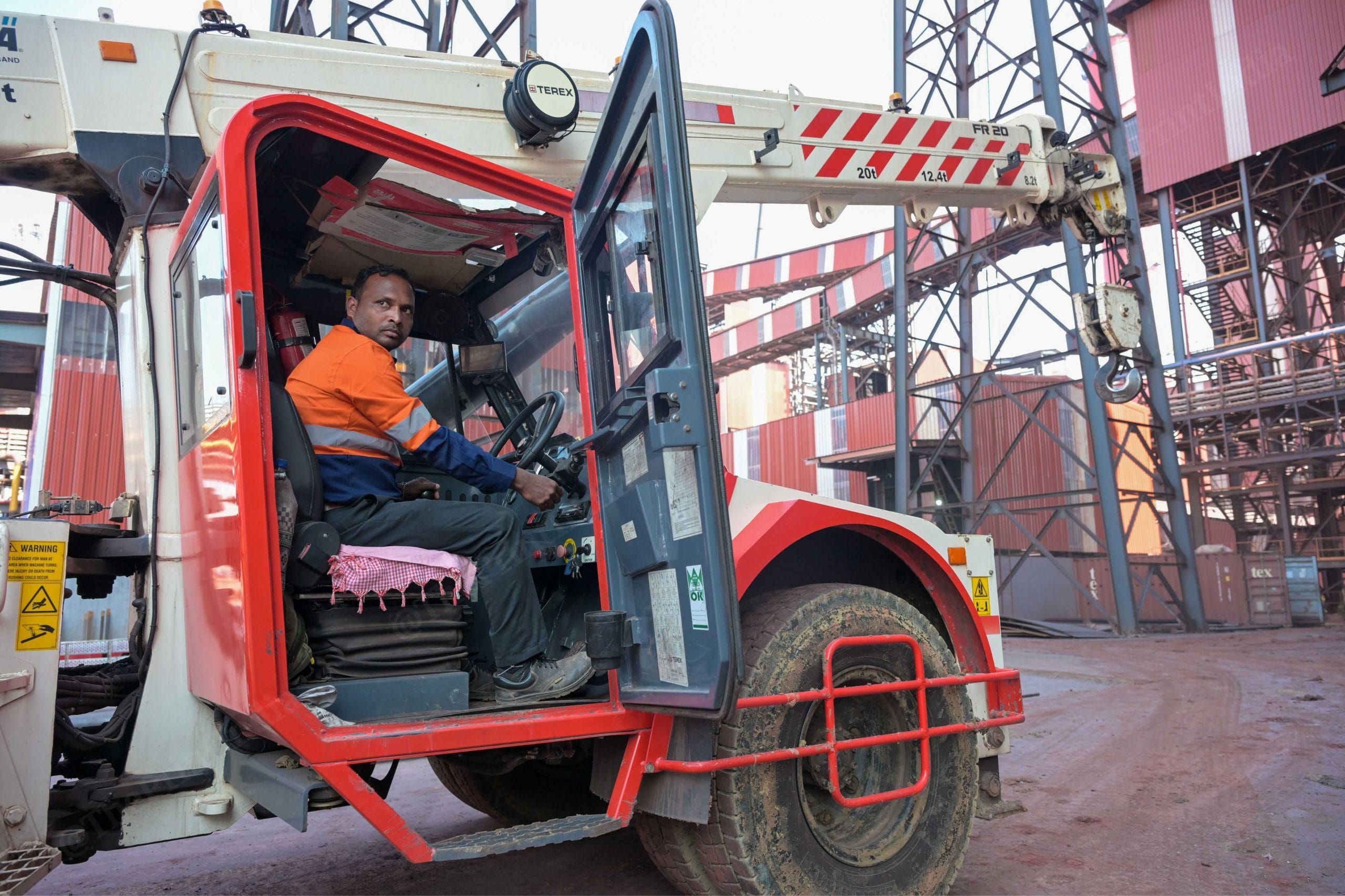
Ramesh said that he had studied only up to Class 7, but had sent his son to a nearby boarding school for quality education.
“We lived our lives without education, but I want my children to have an education and a bright future,” he added.
However, the road to parenthood was not easy for him.
He married a comrade back in 2011. But traditionally, Maoist leadership and principles did not allow cadres to have a family, believing it would divert their attention from the movement and weaken it from within.
As a result, marriages with forced vasectomies were a common phenomenon among Maoist guerrillas.
But that has changed since their surrender.
To ensure their “complete” rehabilitation into normal lives, the Gadchiroli Police have facilitated the vasectomy reversal of 50 former Maoist cadres in the last decade or so, SP Neelotpal told ThePrint. So far, 13 have had children.
Ramesh is one of them. He had a son in 2017, nearly three years after surrendering with his wife. Another 14 underwent surgery only last month.
Skills training
An HR manager at the plant said that every person inducted into the job was provided training for the first three months.
Ramesh, he said, was sent to Nagpur for training in operating heavy machinery and hence was paid more than others because of his technical proficiency.
Beyond salaries and job security, Lloyds Metals and Energy under Prabhakaran has introduced a scheme to grant 100 ESOPs to every workman and grade worker in the factory.
“Nearly 50 percent of them have got it, and others will also get it in the near future as they complete one year in the service,” the HR manager said.
A beaming Ramesh confirmed that he has received the share certificate. He is yet to know how to use them, though.
“I am told by the seniors in the company that they would guide me on how to use those shares,” he told ThePrint, before pointing to the time and jumping onto the crane to get back to work.
Living with the ‘constitution’ & in ‘close’ observation
Not all surrendered cadres live in the rehabilitation colony.
The Gadchiroli Police have followed a graded way of rehabilitating surrendered Maoist cadres: while hundreds who surrendered years ago have gone back to living their lives and doing their jobs, those who surrendered in the last year are still under police observation.
A majority of them live in facilities inside police lines, including some in a two-storey residential building behind the police headquarters in Gadchiroli.
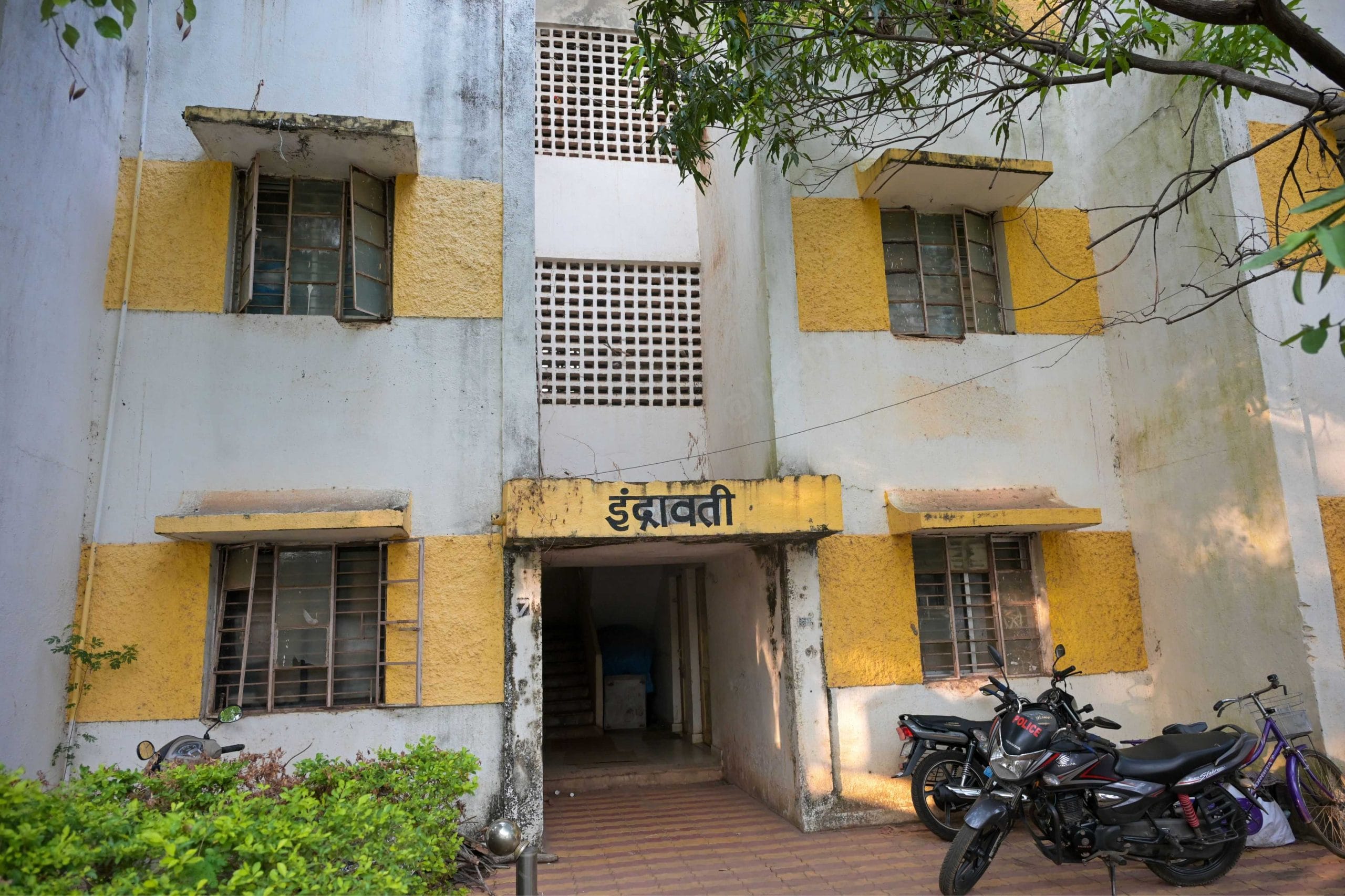
The gleaming complex is named after the Indravati river that flows through the district and separates it from the forest ranges in the Bijapur and Narayanpur districts of Chhattisgarh, an area once known as the den of the Maoists.
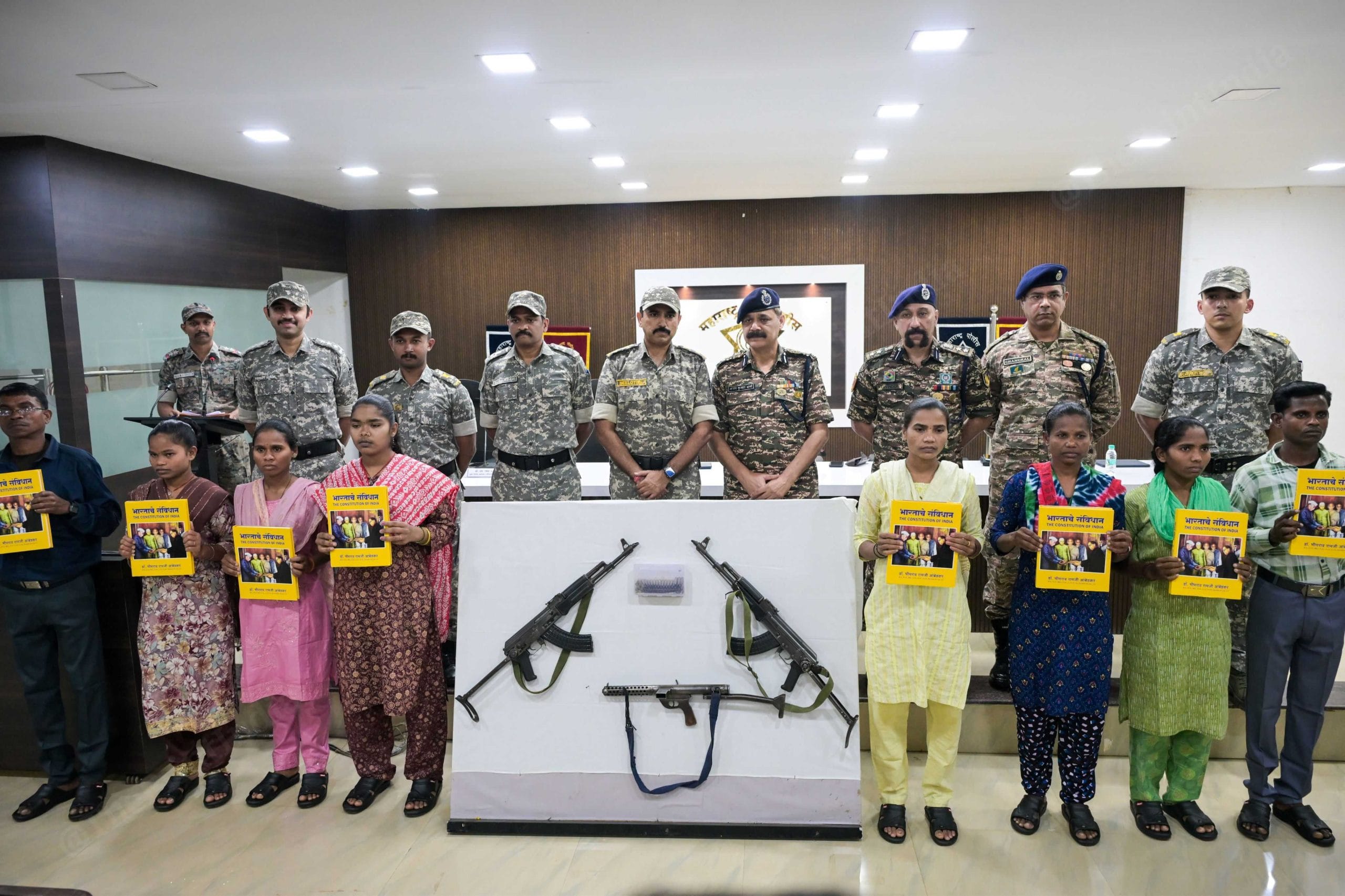
In one of the rooms, a newly-printed copy of the Constitution of India lies on a cot.
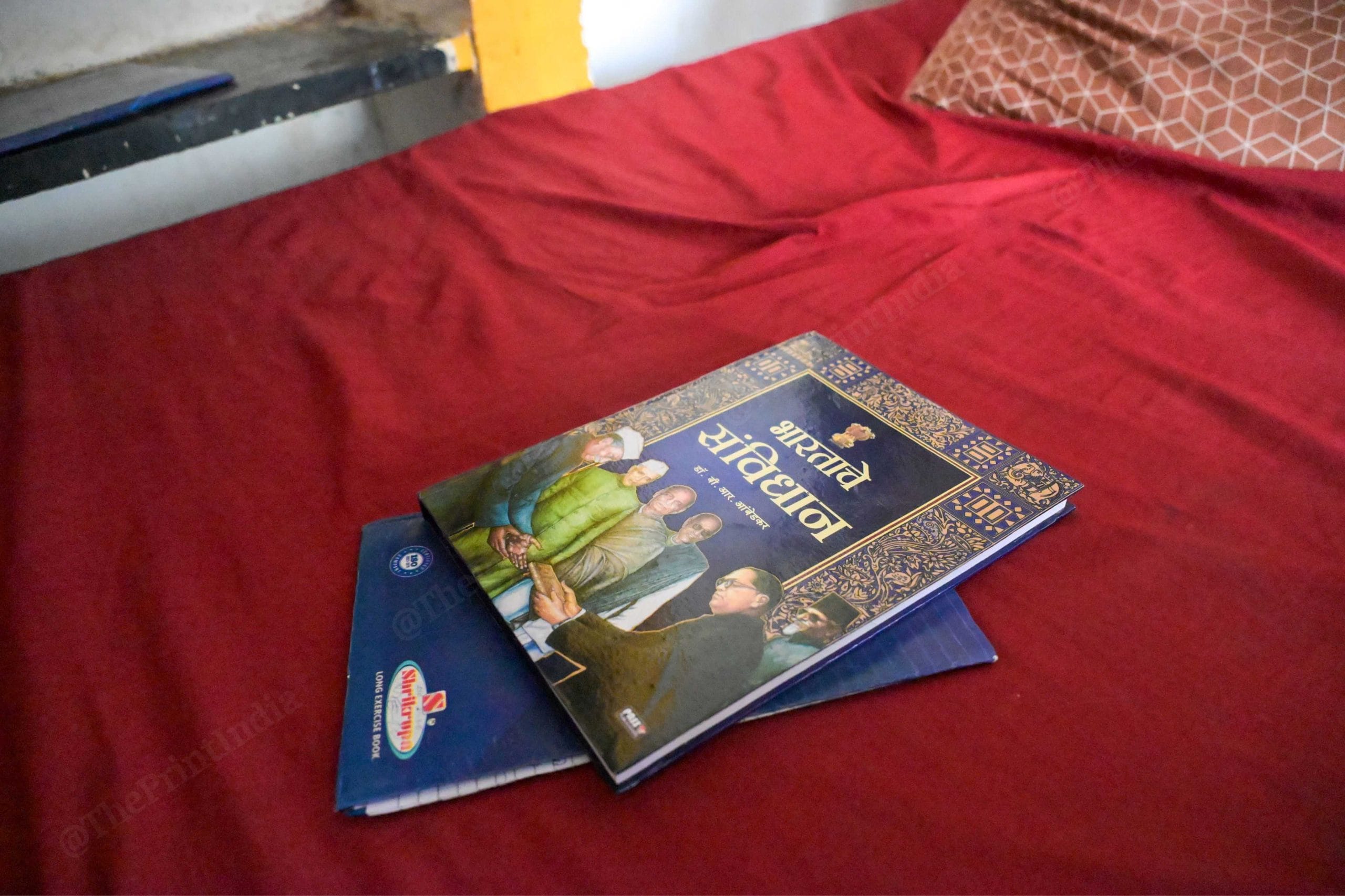
The presence of the Constitution in police premises would normally be a routine affair, but it’s significant in this case as the former Maoists had once rejected it as part of their armed struggle.
The Gadchiroli Police have handed a copy of the book to each Maoist cadre who surrendered in the district.
Officials said surrendered Maoists sometimes stayed at police lines for extended periods while authorities completed the documentation for them to claim benefits under government schemes.
Some are monitored closely because of a security threat and to prevent them from returning to their old lives.
“There is no set rule and criteria for housing them at the police line for a definite period of time. It differs on a case-by-case basis, and this is not through an enforcement mechanism. The surrendered cadres are told why they are kept at the police line, and they agree with the reasoning,” a senior police officer told ThePrint.
Some, such as Mallojula Venugopal, also known as Sonu and Bhupathi, a former member of the central committee and the Politburo, face genuine threats to their lives. He has been kept at the police headquarters for protection since he surrendered last year.
“When Sonu surrendered, the Maoist leadership was still in good numbers, and he was called a traitor. There was a genuine chance he could have been harmed, which could have been severely deterrent in the series of surrenders that took place after Sonu’s surrender,” another police officer said.
While Sonu’s surrender grabbed headlines and highlighted the Maoist leadership’s disenchantment with the movement after more than four decades, the Gadchiroli Police had already overseen the surrender of many cadres at the district level long before Sonu gave up.
In June 2024, the chief of the Gadchiroli Divisional Committee and a member of the Dandakaranya Special Zonal Committee, Nangsu Tumreti alias Giridhar, had surrendered along with his wife before Chief Minister Devendra Fadnavis.
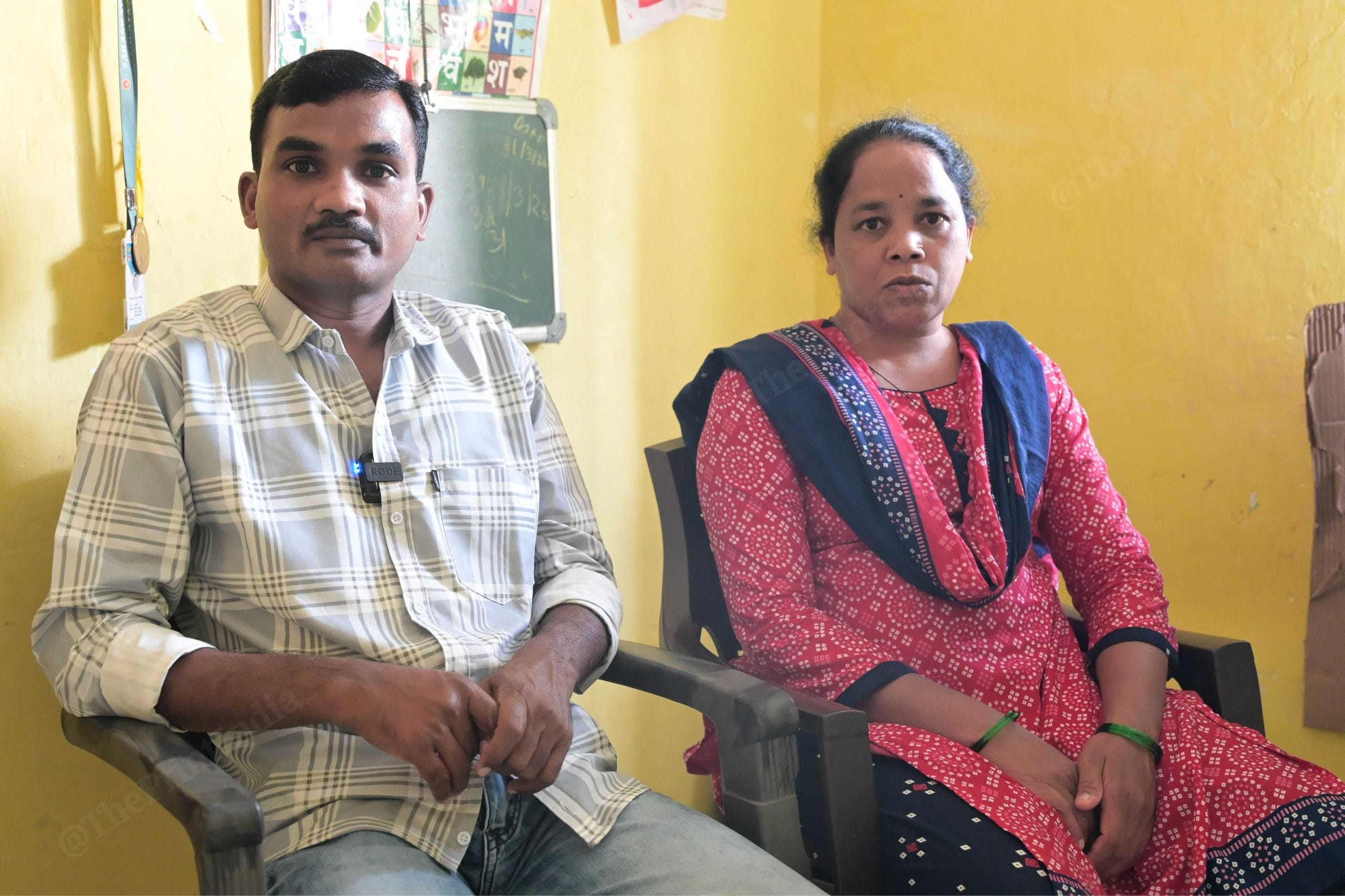
Girdhar was considered the most dreaded Maoist in the region, with 170 cases against him and a bounty of Rs 25 lakh on his head.
The couple has been living in the residential complex at the police line since April last year, after months at the police headquarters.
“I wake up early in the morning to fill the supply water for daily use and then go out around 5.30 for running and walking, but only inside the police line,” Girdhar told ThePrint from his one-room accommodation arranged for by the police.
Girdhar wants to return to his village to get back to farming, but he concedes that he can’t due to security concerns flagged by the police.
Girdhar said that he was making ends meet with interest payments from the rehabilitation package—Rs 25 lakh for him and Rs 9 lakh for his wife.
“The money has been invested in a fixed deposit, and we are living our life from the interest,” Girdhar told ThePrint.
Mahua flowers
While some former insurgents work at the factory, others have returned to their villages and found different occupations.
Located more than 70 km from the Gadchiroli district headquarters, villages such as Gurekasa and Katejhari were once a hotbed of Maoist insurgency and a no-go zone for security forces.
But now, around 8 am, on the outskirts of the village of Gurekasa, scores of villagers search for Mahua flowers, which are used to brew Mahua, a liquor ubiquitous in the tribal heartland.
Dozens of villagers spread out across the fields for the flowers, which sell for Rs 40 per kilogram in the nearby market. One of them wore aviator sunglasses, sportswear, and a smartwatch.
Many who returned to their villages said their villages had not improved.
The roads to these villages are patchy in most places, highlighting why the region fell so far behind and came under Maoist control.
In December last year, Fadnavis inaugurated a bus service from these villages to the town of Gadchiroli, which was celebrated as a monumental achievement.
Janita Jade, 32, who was known as Anju in the Maoist outfit, says the village she left behind in 2007 has not improved. “The panchayat has got crores of money for development, but certainly it does not reflect in reality,” she told ThePrint.
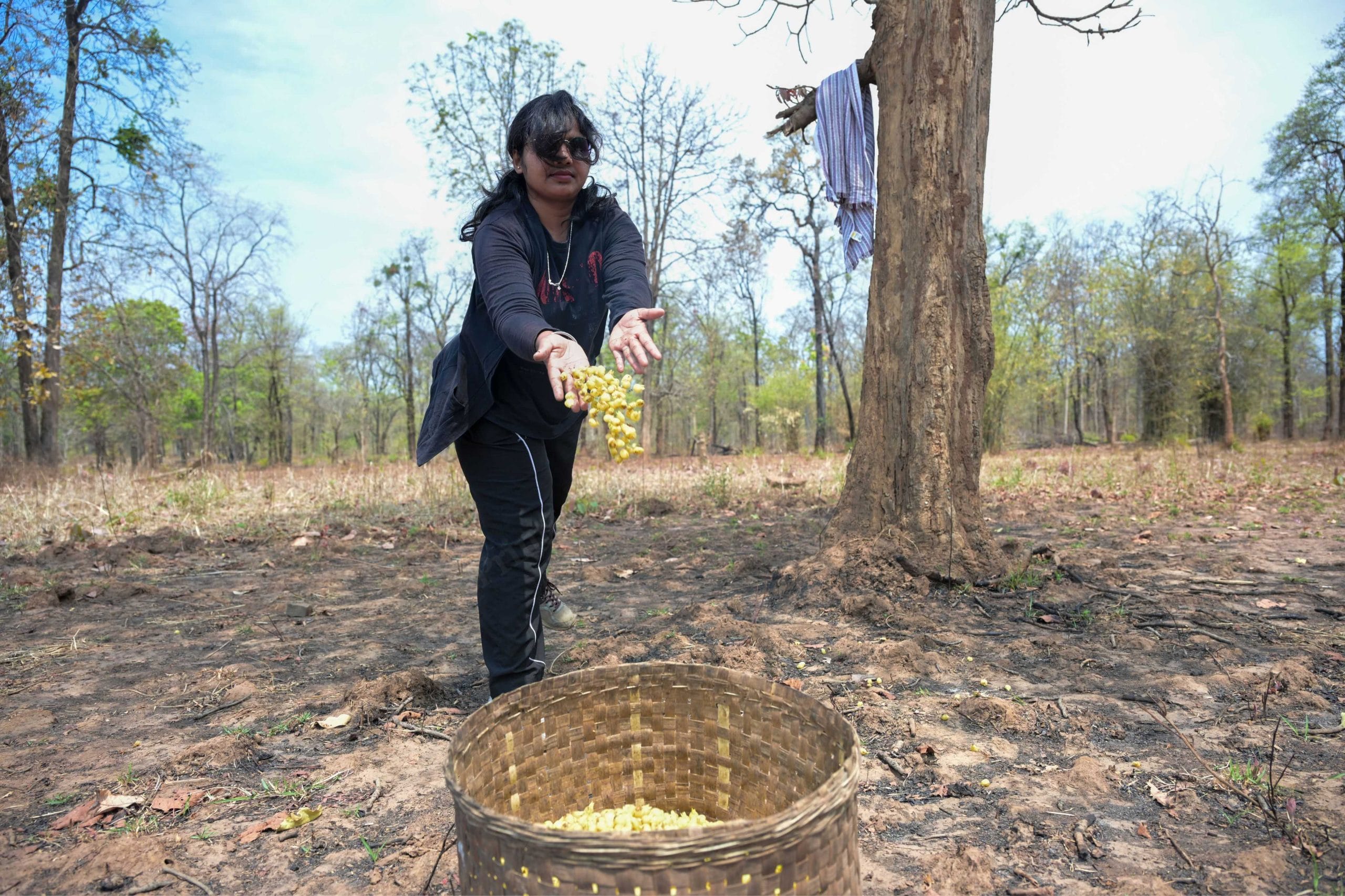
She said her family could not afford her education and had her removed from school in Class 7 before the party recruited her. “For several years, I did not do anything for the party. I feel I lived my childhood in the Maoist party,” she added.
She speaks fluent Hindi, compared to other villagers, mostly because of her work with the outfit.
“I used to work in the press department, and we used to publish the Jan Sangram magazine in Odisha, along with my husband,” she told ThePrint at a farm field.
She surrendered in August 2024 and returned to her village in January this year.
She said this was a calculated move by her and her husband, nearly seven years after they had already renounced the banned outfit.
She said that they left the party in 2018 and went to Himachal Pradesh, where they lived a quiet life and earned a livelihood through jobs in literature and translation.
However, the fear of arrest always loomed, she conceded, which eventually drove them to officially surrender to the police.
Others returned to traditional village life under different circumstances.
Sandip Sahangu Tulavi, known as Vikram in the party, was arrested and spent three years in custody.
“I was arrested on the grounds of providing food and grains to the Maoists in the early 2000s and was let off only after three years when the court declared me innocent,” he told ThePrint, while drying Mahua flowers at his farm hut in Kuregasa village.
He said that he also cuts and sells bamboo before the Mahua season, his traditional source of income. In addition, he cultivates his farm.
“I have around six to seven acres of land on which we cultivate paddy and pulses, and agriculture is our livelihood,” Vikram told ThePrint.
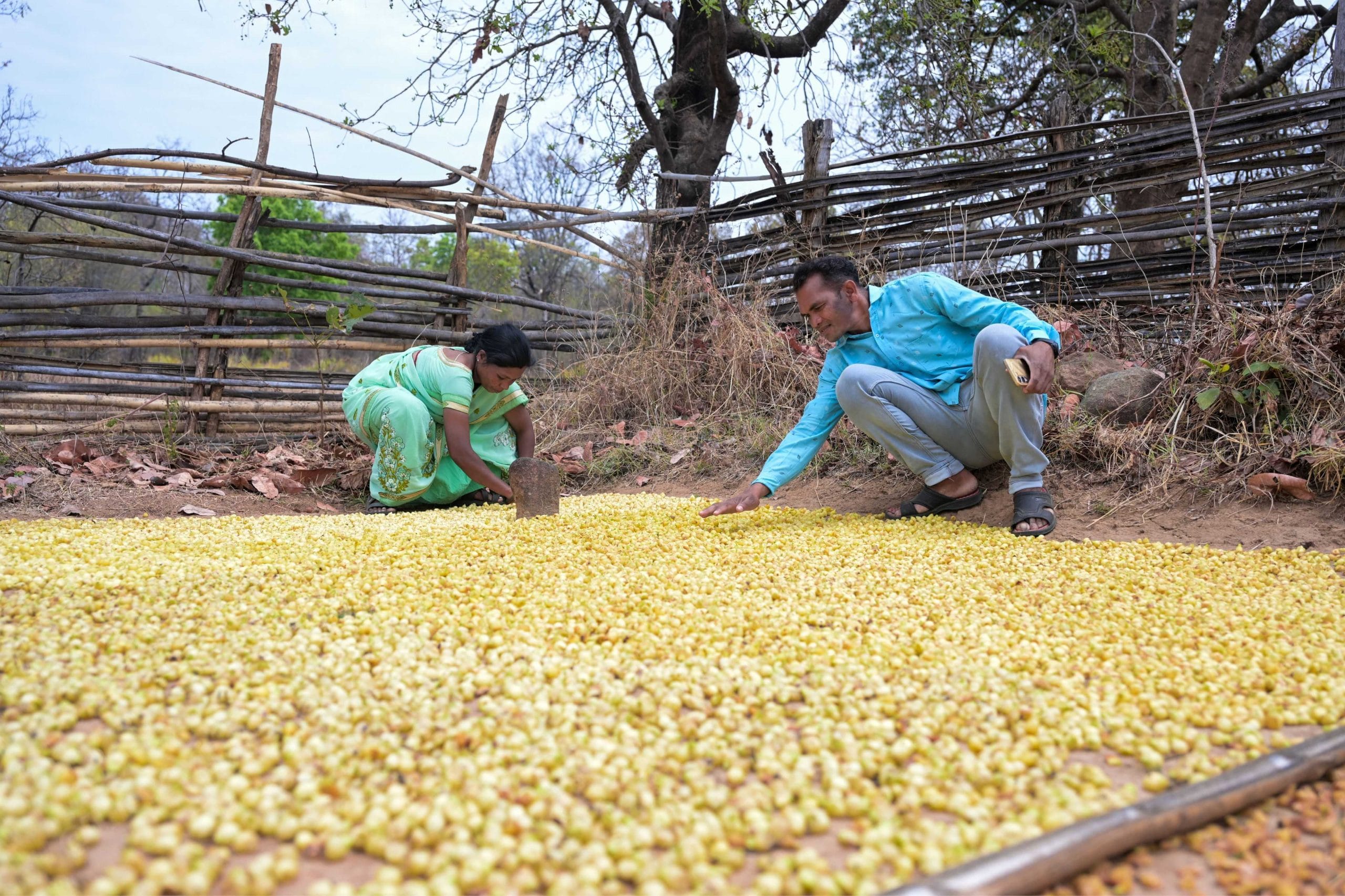
Like Anju, Vikram also said he didn’t see much change in his village, Gurekasa.
“The work of development, which should have taken place by now, has not happened. The Nal Jal campaign has reached the village, but not everyone has received it yet,” Vikram said.
Vikram said he was trained in medicine after joining the movement in 2004 to provide first aid to fellow cadres—a role he held until his surrender in 2024.
Asked if he would go out of his village or Gadchiroli for work, Vikram takes a pause.
“Aadhi zindagi beet gayi gaon se dur, ab jaane ka man nhi hai. Ab yahin rahenge (Half of my life spent outside of the village, now I don’t want to go out. I will settle here),” he says, before going back to drying the Mahua flowers collected in the morning.
(Edited by Sugita Katyal)
Also Read: Basavaraju, Sonu, Devuji: How Maoist top leadership was whittled down after Amit Shah set deadline
Great article. I am glad companies and govt are willing to give them a chance. I mean they are getting trained for 3 months ? That’s amazing.