





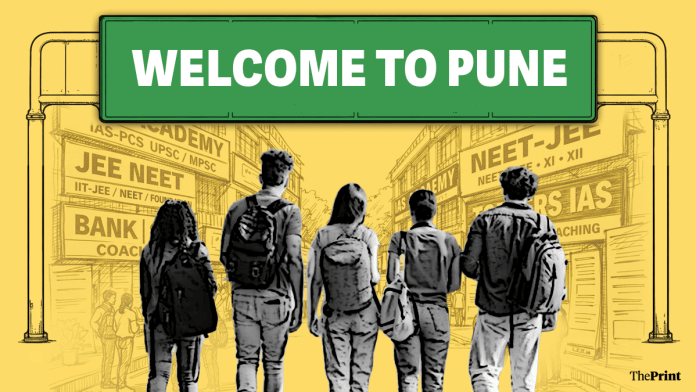



Pune: Traditionally known for a slower life, with shops shutting down for an afternoon nap, the city of Pune is seeing a transformation. Its streets and narrow lanes are now bustling all day—full of teenagers lining up outside coaching centres, clutching backpacks, notebooks and cups of coffee.
Within hours of the morning lot leaving, another group marches in for an evening lecture, while nearby hostels and paying-guest accommodations slowly come alive with students revising formulae for the next morning’s tests.
Over the past decade, the city—long known as the “Oxford of the East”—has quietly morphed into one of India’s fastest-growing hubs for private coaching, with institutes preparing students for the Joint Entrance Examination (JEE) and National Eligibility-cum-Entrance Test (NEET), for undergraduate engineering and medical courses, respectively.
Pune has also become popular for coaching for the Union Public Service Commission (UPSC) exam and the Maharashtra Public Service Commission (MPSC) exam.
Drawn by Pune’s long academic history, large student population and relatively affordable living costs, compared with traditional coaching hubs like Delhi and Kota (Rajasthan), major national institutes as well as local coaching centres have expanded rapidly in the city.
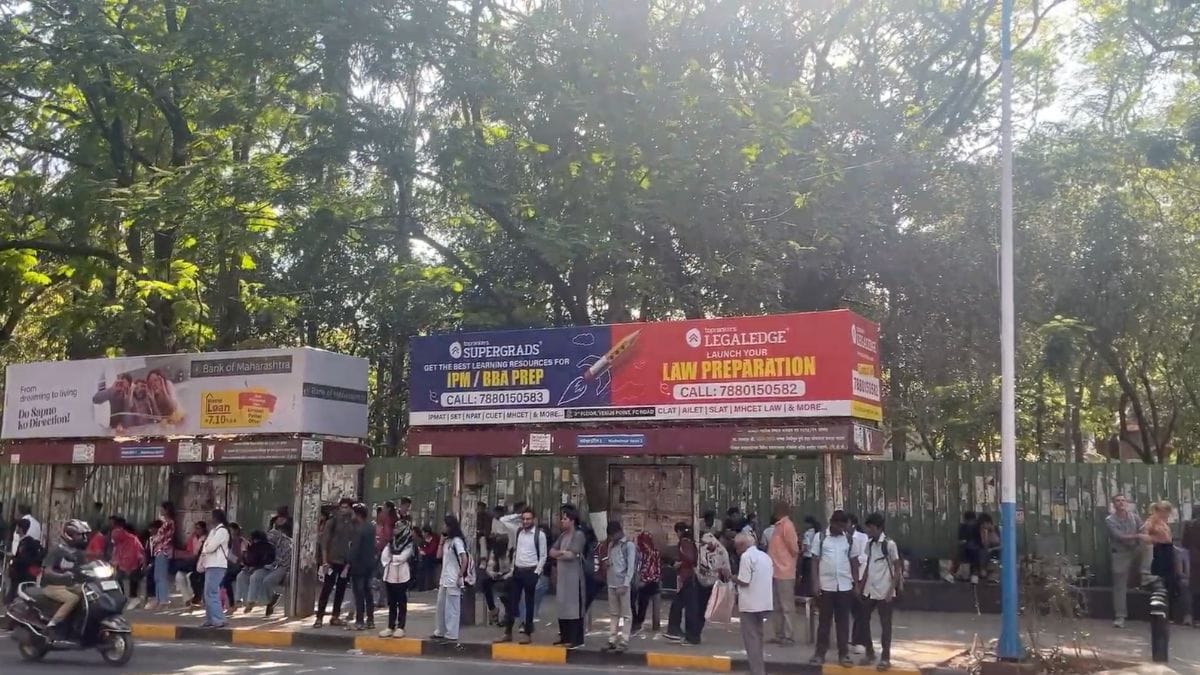
However, the coaching hub remains a far cry from that of Delhi and Kota, as Pune’s students are mostly local or from Maharashtra’s interiors rather than from other states. Additionally, in a select few coaching centres in Pune, the top-tier faculty is mainly visiting, while others have more local or regional professors.
Speaking to ThePrint, the founder of a coaching centre in Pune’s Sadashiv Peth, not willing to be named, admitted that the city, although flourishing with young adults, hasn’t yet come close to the coaching economies of places such as Kota or Delhi.
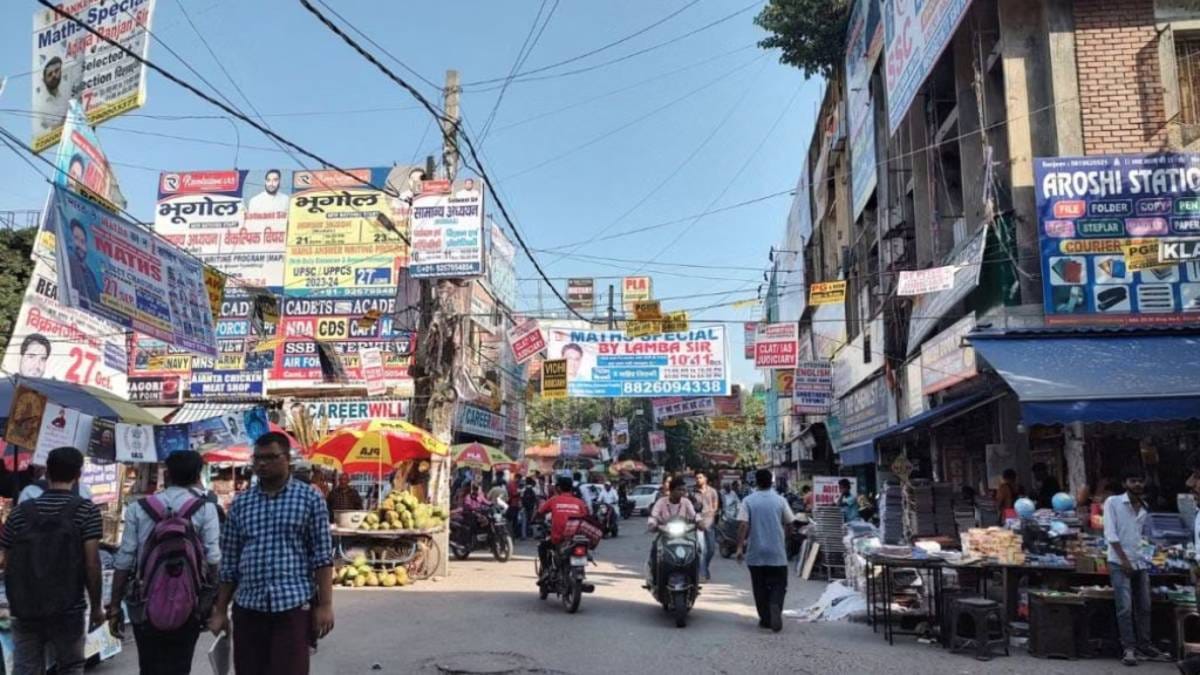
“The students choosing to study in Pune are still local. We have many students coming from the Marathwada and Vidarbha regions of Maharashtra to study here, but not a significant number from other states. Cities like Delhi and Kota have managed to sustain and therefore still live on their reputation,” he said.
He noted that “Pune has the scope to attract more and more students not only from Maharashtra, but also from neighbouring states, but it is not there yet”.
Also Read: Coaching centres are a sign of broken-window economics. See how China crushed it all overnight
Pune’s educational evolution
What began as a handful of local tutorials in the early 2000s paved the way for a sprawling ecosystem of coaching campuses, integrated school programmes, test-series centres and libraries and student hostels, reshaping Pune’s education landscape and turning parts of the city into full-fledged exam-preparation districts.
Across neighbourhoods such as Sadashiv Peth, Shivajinagar, Fergusson College Road, Swargate, Baner, Aundh and Pimpri-Chinchwad, small and large coaching campuses, study hostels and test-preparation centres have become a prominent part of the urban landscape.
Pune’s identity as an education centre dates back to the late 19th and early 20th centuries, when several prominent institutions were established in the city. Among the most influential is Savitribai Phule Pune University, founded in 1949, which became one of India’s leading centres for higher learning.
Alongside it, colleges such as Fergusson College, Sir Parashurambhau (SP) College and Modern College built a reputation for academic excellence and attracted students from across Maharashtra and other states. Over time, the presence of prestigious institutes like the College of Engineering Pune, Film and Television Institute of India and the several Symbiosis institutes strengthened the city’s educational ecosystem.
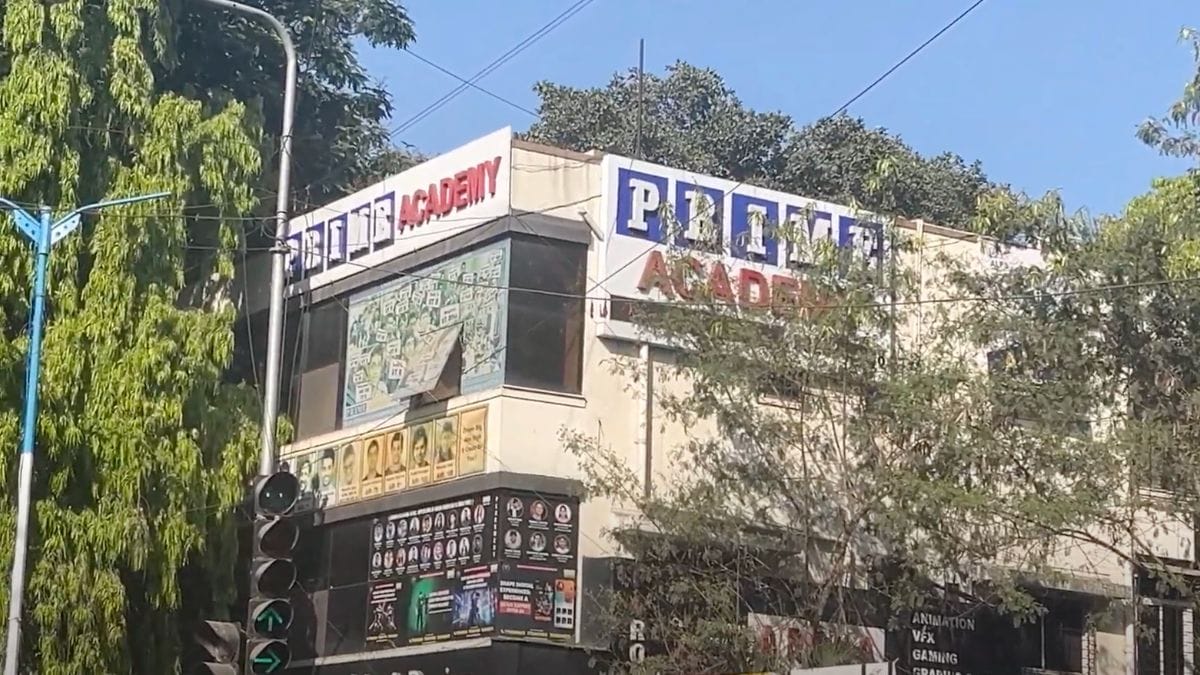
Transforming into a key powerhouse of India’s coaching economy, Pune now boasts local institutes such as Bakliwal Tutorials, Prime Academy and Chanakya Mandal Pariwar, which have expanded rapidly. National chains like Allen Career Institute, Aakash Institute and Vision IAS have also cemented their presence in the city over the past decade.
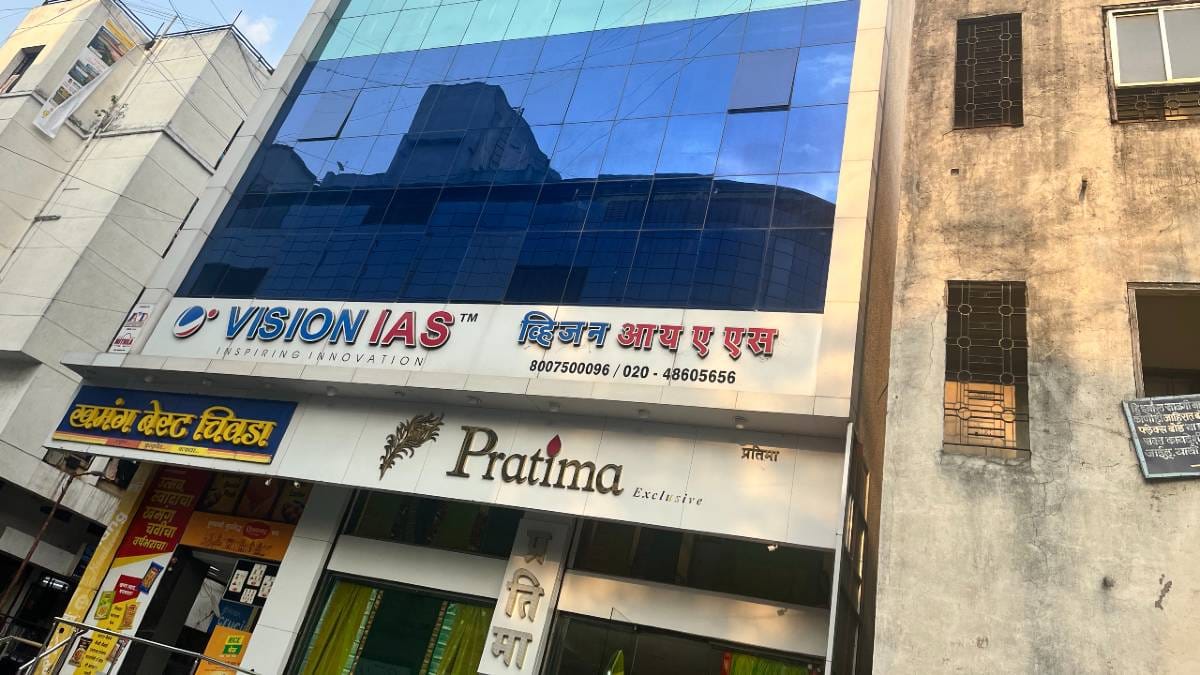
According to Swarada Oak, a student counsellor at Chanakya Mandal Pariwar, Pune’s coaching classrooms reflect a wide geographic spread. “About 80 to 90 percent of our students are from outside Pune,” she told ThePrint.
Many come from smaller towns across Maharashtra, drawn by the city’s reputation and accessibility. Well-connected by rail and bus routes and dotted with hostels and paying-guest accommodations, Pune offers a middle ground—close enough for families to visit frequently, yet far enough for students to focus on their preparation.
That combination has helped transform the city’s identity.
Once seen as a relaxed retirement destination and university town, Pune today functions as a multi-layered education economy, where universities, coaching centres, hostels and libraries operate in parallel, shaping the daily rhythm of entire neighbourhoods.
And as India’s competitive exam culture continues to expand, Pune’s role in that ecosystem is only likely to grow—cementing its reputation as what many students now casually call “the Kota of the west”.
Why Pune works
For many students, Pune offers a balance that traditional coaching capitals do not and cannot.
Inside a cool classroom on the second floor of a coaching institute in Shivajinagar, Rohan, a 23-year-old aspirant preparing for the civil services at Vision IAS, waits for his evening class to begin. Hailing from Sangli district, Rohan’s day begins long before the lecture hall fills up.
“My day starts at 4 am with revision,” he said. “Then I study until lunch. Classes run from 3 pm to 8 pm.”
Rohan was expected to eventually help run his family’s business. Instead, he decided to prepare for the civil services exam. “My parents were okay with me joining the family business,” he told ThePrint. “But I wanted to do something with more impact. That’s why I chose the UPSC.”
His original plan was to move to Delhi, the country’s most famous hub for civil services coaching. But his father’s declining health made that difficult.
“Pune was a better compromise,” he explained. “It’s closer to home in case of emergencies but still has excellent coaching institutes.”
He now lives about 8 km away from his classes, as a paying guest (PG), close enough to avoid long commutes, yet far enough from his home to stay focused. That logistical calculus is becoming increasingly common among aspirants.
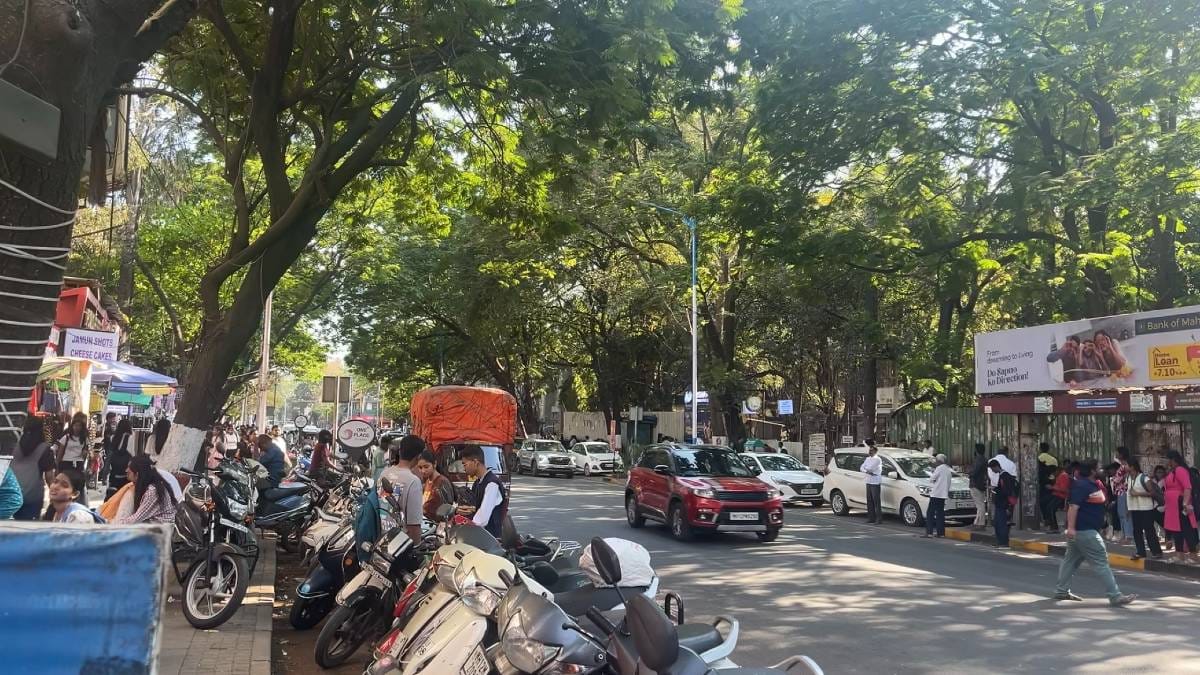
For 17-year-old Priya Rai from Indore, who chose IQRA IAS in Pune’s Sadashiv Peth, the city is not only a safer option but a logical one. “I told my father I want to become an IAS officer and he was elated. Delhi was a no-go from the start, not only for him but for me too,” she told ThePrint.
Delhi has long been a harbour for UPSC aspirants, but safety concerns have been highlighted by many. Now with its growing pollution issues, students are making a conscious choice to look for better options.
Priya’s mother Anjali told ThePrint: “For her father, safety in Delhi was a major concern but she herself chose Pune because the air quality in the capital is so bad that she was not comfortable moving there. Pune was the best bet for her and us.”
The economics of coaching
For many students from smaller towns in Maharashtra, Pune’s affordability compared with cities like Delhi is also a major draw.
Shubham Raut, now a professor who first came to Pune in 2013 to prepare for the UPSC exam, remembered making the same calculation.
“The decision was based on two factors,” he said. “First was feasibility. Pune wasn’t a completely new city to me. And the second was economy. It was affordable.”
He recalled that many of his classmates at the time were also from smaller towns across the state.
“Most of my UPSC (exam) classmates were from outside Pune: Marathwada, Vidarbha, Nagpur, Ahmednagar,” he added. “Many of us were enrolled in undergraduate colleges here while simultaneously preparing for the exam.”
For students from middle-class families, that affordability matters. “Because Pune is comparatively cheaper, there’s more scope for students preparing for civil services here,” he told ThePrint, adding: “Especially for those coming from a middle-class background.”
He said the city is particularly attractive for aspirants of the Maharashtra Public Service Commission exams. “Earlier, people preparing for UPSC would automatically go to Delhi, but now even the premier civil services institutes from Delhi have opened branches in Pune.”
Many institutes have multiple centres in the city. Sadashiv Peth, Fergusson College Road, Swargate, Shivajinagar and Pimpri-Chinchwad have become concentrated hubs of students, with coaching centres lining up one after the other on these streets.
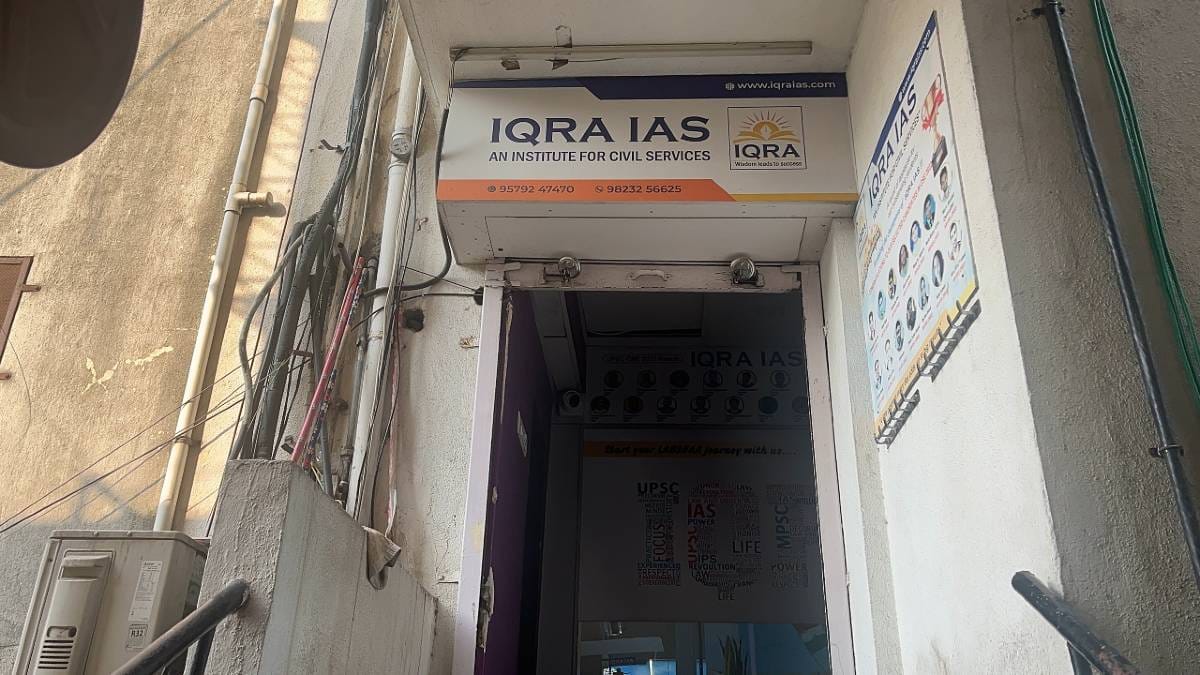
These are not big classrooms in posh buildings. Some of them are situated in old buildings with thin and long stairways that lead to centres that barely take up space, with classrooms fit to hold not more than 30 students.
The coaching fees are largely in the same range nationwide; it’s the living costs in Pune that make all the difference.
The coaching fees per year of Vision IAS is Rs 1,30,000 for general studies, while IQRA IAS charges Rs 75,000 for the same. Bakliwal Tutorials offers specialised coaching for JEE for students in Class XI with fees generally ranging from Rs 3,65,000 to Rs 3,85,000 for two years. Allen Career Institute charges Rs 1 lakh for one year of JEE Mains coaching for Class XII students, while for two-year coaching, it charges Rs 1,20,000 per year, according to data available online.
The living costs in Pune as a paying guest range from Rs 5,000 to Rs 20,000, depending on the location and amenities. Double and triple occupancy rooms are cheaper, ranging between Rs 5,000 and Rs 12,000, while single occupancy rooms fall in the Rs 15,000 to Rs 20,000 bracket, said the students.
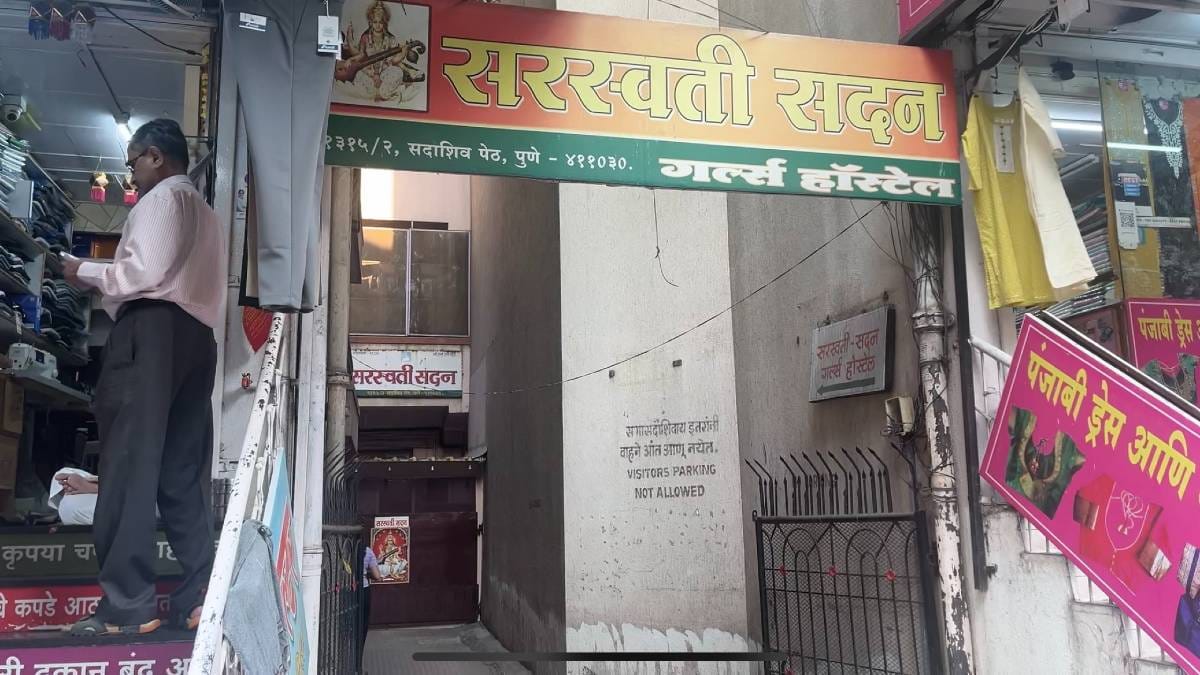
A caretaker of Saraswati Sadan, a girl’s hostel in Pune’s Sadashiv Seth, told ThePrint: “Hostel rate is at a maximum of Rs 2,000 per month and tiffin prices are at a fixed rate of Rs 2,000 for lunch and dinner.”
Delhi, on the other hand, is more expensive in terms of living costs and other expenses.
Riju Chanda, from Kolkata who is currently studying in Delhi, told ThePrint: “For a decent single room with a single bed, table, a washroom, cupboard and food services thrice a day, the range is Rs 18,000-Rs 20,000, and can be higher too, up to Rs 22,000. For double sharing, it is Rs 15,000 to Rs 17,000 per person in a decent PG with food three times, a bed, cupboard and washroom. For triple sharing, it is Rs 11,000 to Rs 12,000 per person with the same amenities.”
“PGs for girls are a bit high-ranging, costing Rs 4,000 to Rs 5,000, as they are better kept, with security, and have better food. It’s mostly the girls who continue with PGs for their entire college life and coaching. Boys, after completing their first year or who have lived in Delhi, tend to shift to a flat with friends. Per person costs come down to Rs 8,000-Rs 10,000 in a flat.”
Tiffin prices in Delhi range from Rs 1,700 to Rs 2,500 per person per month for food twice a day.
City built for students
The student rush to Pune has been aided by the city’s long academic history, with the presence of premier institutions creating a dense student population and a city infrastructure designed around academic life.
“Pune he shikshanacha maaherghar aahe! (Pune is the maternal home of education),” said Yogesh Kulawade, an administrator at Vision IAS, summing up the city’s reputation in Marathi.
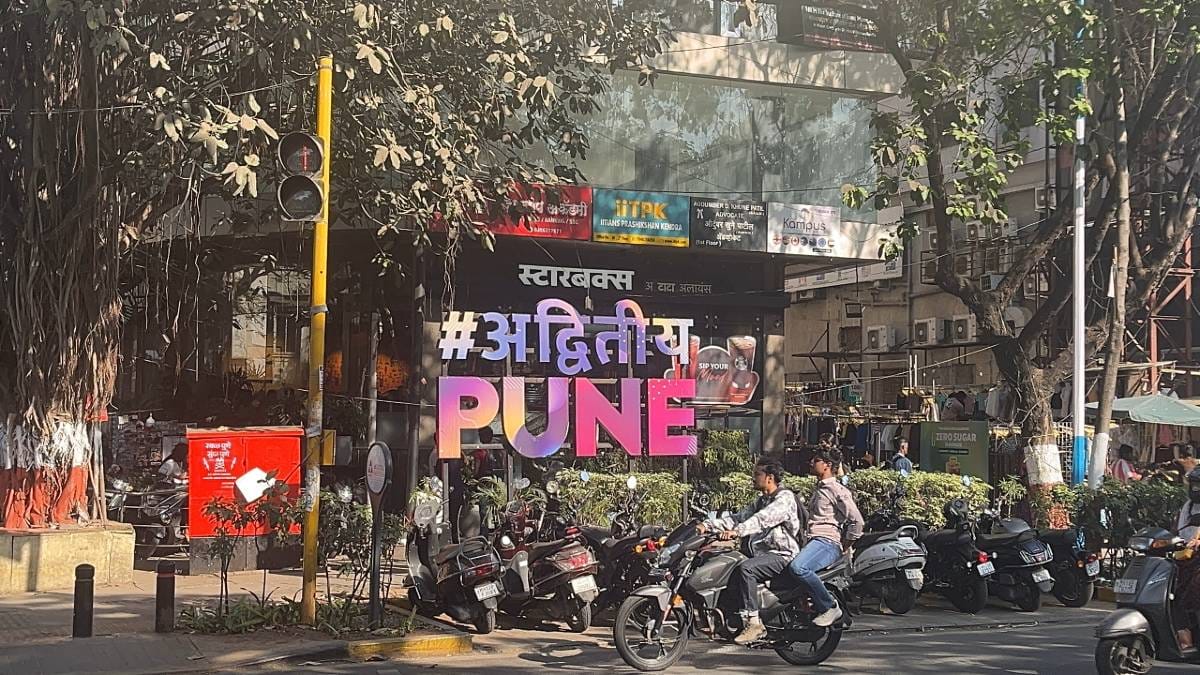
Students arriving in the city often already carry that reputation in mind.
Yash, a 20-year-old UPSC aspirant from Maharashtra’s Ahmednagar city who joined Vision IAS last year, told ThePrint he never seriously considered another city.
“Pune is popular for its education after all. Everybody comes here to study. I had no doubt about choosing Pune,” he added.
Yash is simultaneously pursuing a Bachelor of Science degree while preparing for the civil services exam. But in practice, the coaching schedule dominates his routine.
“I don’t go to college every day,” he admitted. “Attendance is mostly only for exams. My entire day is spent at the coaching institute.” Some of his classmates, he said, follow a different schedule.
“Students from Pune attend college in the morning and come here for evening classes.”
That flexibility—enabled by the city’s dense network of colleges and coaching centres—has become a defining feature of Pune’s education ecosystem.
Another administrator at Vision IAS in Sadashiv Peth shared a slightly different view. He told ThePrint that while Pune has been the top choice for locals from Maharashtra, that dynamic has now changed.
“We have very few students coming from remote parts of Maharashtra. Since we are an established organisation, our fees are higher, which makes affordability an issue. We now have centres in Nashik, Nagpur, Sambhaji Nagar, Ahilyanagar, etc, so students don’t necessarily need to come all the way here,” he said.
With the advent of online lectures and test series, students don’t need to leave their homes and spend the extra buck on travel, food and accommodation, making their lives easier.
“During the Covid-19 pandemic, the coaching centre business took a big hit. The only solution was to move online completely, which came with its own issues at the time. Now online learning has become a more convenient option for students who juggle college studies and coaching. Many students living in villages, who don’t have the means to travel, now attend lectures from the comfort of their homes,” the Vision IAS administrator said.
Also Read: UPSC aspirants are replacing coaching institutes with ChatGPT — ‘I save lakhs in fees’
New integrated system
In many cases, coaching institutes work directly with schools and junior colleges.
Institutes like Bakliwal Tutorials run integrated programmes in partnership with schools. Students remain formally enrolled in their school, but subjects crucial to competitive exams are taught by coaching faculty. The model eliminates the need to commute between school and coaching classes, compressing both systems into a single schedule.
But there is another system operating quietly alongside it. In some cases, students remain officially enrolled in colleges but rarely attend regular classes, a practice widely known among students as the “dummy college” system.
Although not legal in Maharashtra, dummy colleges are said to enrol students for grades 11 and 12, but do not require them to attend classes, allowing them to focus full-time on competitive entrance exams like JEE and NEET.
One Class 12 student preparing for JEE at Prime Academy, who wished to stay anonymous, described how his schedule works.
“I only attend my regular school for practicals and form-filling,” he told ThePrint. His parents work in Pune’s IT sector.
“I take the 6 am bus to the coaching institute. After classes, my batchmates and I study together there. The institute has a silent library atmosphere,” he said, adding that “the routine is intense but structured.”
Human side of coaching
Despite the pressure associated with competitive exams, some students say Pune’s coaching environment feels less harsh than the stereotype associated with Kota.
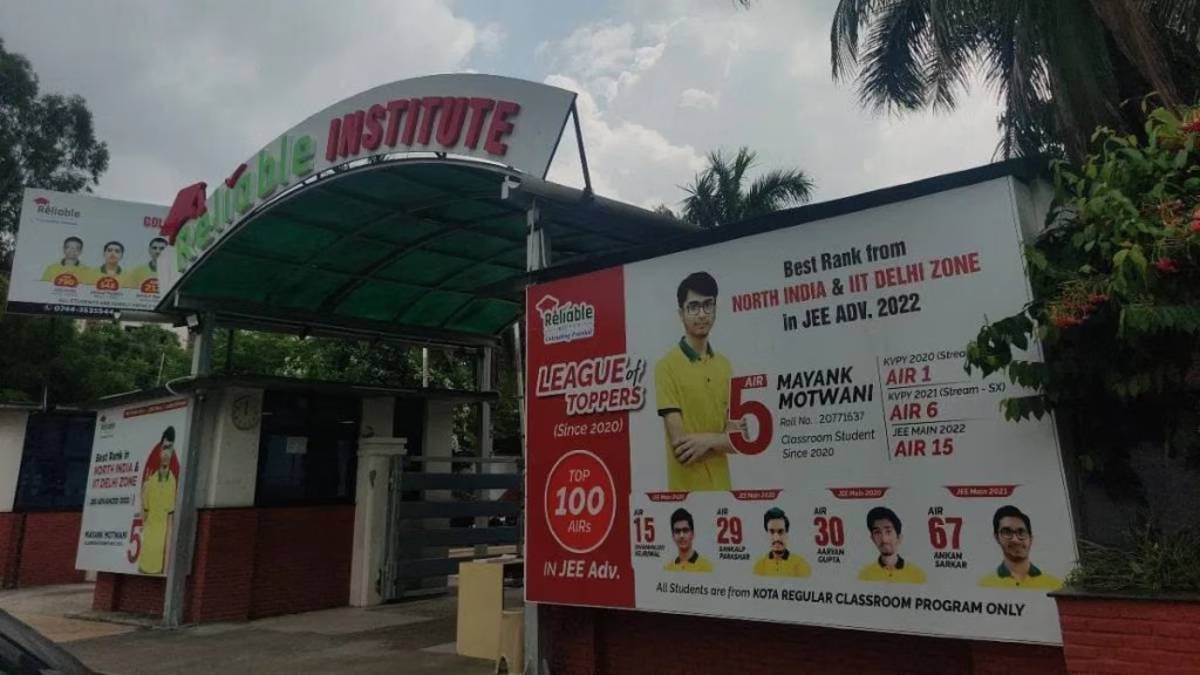
“Our teachers here check in on us,” one NEET aspirant studying at Allen Career Institute told ThePrint. “We even had a meditation session recently. If someone is falling behind or feeling low, they can approach teachers. It doesn’t have to be about studies, it can be about problems at home too.”
She said the institute also offers counselling services and motivational sessions. Preparing for medical entrance exams can stretch over years. “You usually prepare for NEET for over a year,” she explained. “If you don’t clear it the first time, you try again. So, people often need reassurance.”
But the system is not without its pressures. Her batch is divided into two groups. “We have two divisions, one for toppers and one for followers. There’s a lot of difference in the amount and depth of content covered,” she said.
Her father said the system has both advantages and drawbacks.
“It pushes high scorers to reach their highest potential. But it also creates a risk that other students might be neglected,” he explained.
He believes coaching institutes sometimes struggle to adapt to the diversity of student abilities. “All students are different,” he said. “Our five fingers are not the same.”
(Edited by Nida Fatima Siddiqui)
Also Read: Home to Kota education hub, Rajasthan looks to regulate coaching centres. What its new bill mandates
And a city known for rampant use of drug’s and mistreatment to outsiders specially north and South Indians only part of pune is safe
Cost of residential is on the extreme higher side with charging advance rents for 4 months on non refundable basis