





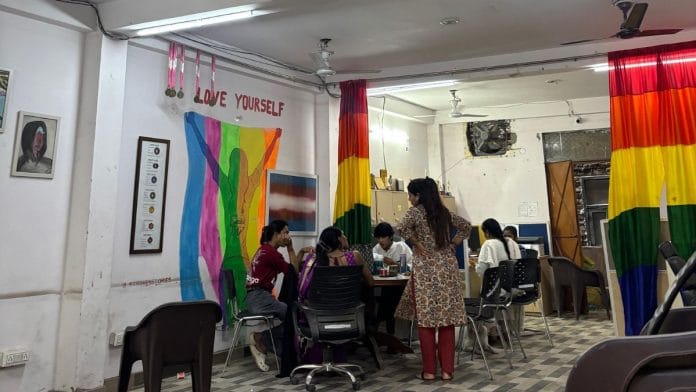



New Delhi: For 24-year-old Ayaan, a transman, there is no other place to go. His home in Muzaffarnagar, Uttar Pradesh, is not somewhere he can return to. For the past three months, Delhi’s only Garima Greh—a government-supported shelter for transgender persons—has been the one place where, after years of hiding his identity, he can live as himself.
That sense of safety is now precarious.
Following the Transgender Persons (Protection of Rights) Amendment Bill, 2026, residents and staff at the shelter say the system they depend on has become a source of anxiety, raising questions around safety, documentation, and the future of State support. Six years after the landmark NALSA judgment recognised the right to self-perceived gender identity, the Bill is being seen by the trans community as a rollback of their rights. And its vague wording on criminalising persons ‘compelling’ an individual to ‘assume, adopt, or outwardly present a transgender identity’ has led to fears of misuse against shelter homes and community organisations. In the absence of communication from the government, Garima Grehs nationwide are operating under a cloud of confusion.
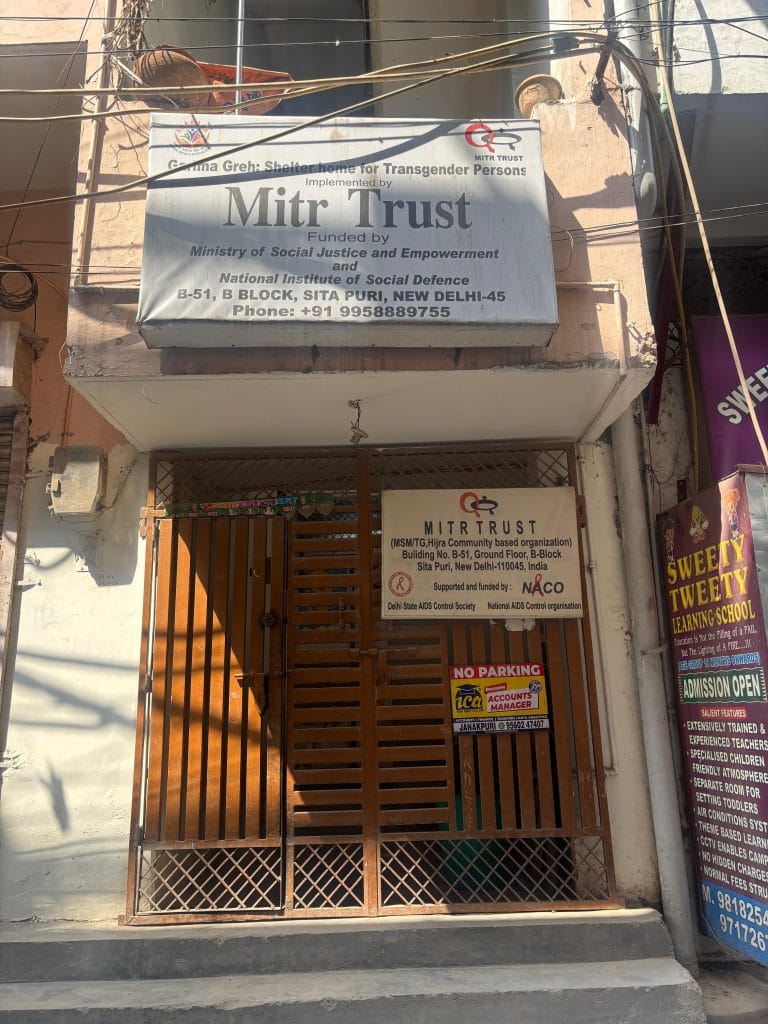
Tucked inside the quiet lanes of Sitapuri in southwest Delhi, the Garima Greh, run by Mitr Trust under the Ministry of Social Justice and Empowerment, does not try to hide itself. Inside, the hum of conversation fills the room as residents gather for lunch, colourful curtains and artwork brightening the space. Yet beneath it all, there is unease.
“There is a lot of confusion now,” Ayaan said. “This will directly impact my transition. Only I can tell who I am—nobody else can define me.”
Garima Greh shelters were announced in November 2020 under the Support for Marginalised Individuals for Livelihood and Enterprise (SMILE) scheme, and are run by community-based organisations with government support. The Transgender Persons (Protection of Rights) Act, 2019, enabled individuals to apply for a certificate of identity through a centralised portal, which formed the basis for accessing welfare schemes and updating official documents.
The newly introduced amendment Bill, tabled by social justice and empowerment minister Virender Kumar and passed in Parliament last week amid Opposition protests, seeks to redefine aspects of this framework. Critics argue that the Bill, to which President Droupadi Murmu gave her assent on 30 March, shifts away from self-identification and introduces greater ambiguity around how transgender identity is recognised.
Families already come with the police and accuse us of keeping their child here. They say we are forcing them, that we are ‘converting’ them. With this law, they can easily say we are forcing them and file a case against us.
Kanta Singh, Mitr Trust
Trying to rebuild amid uncertainty
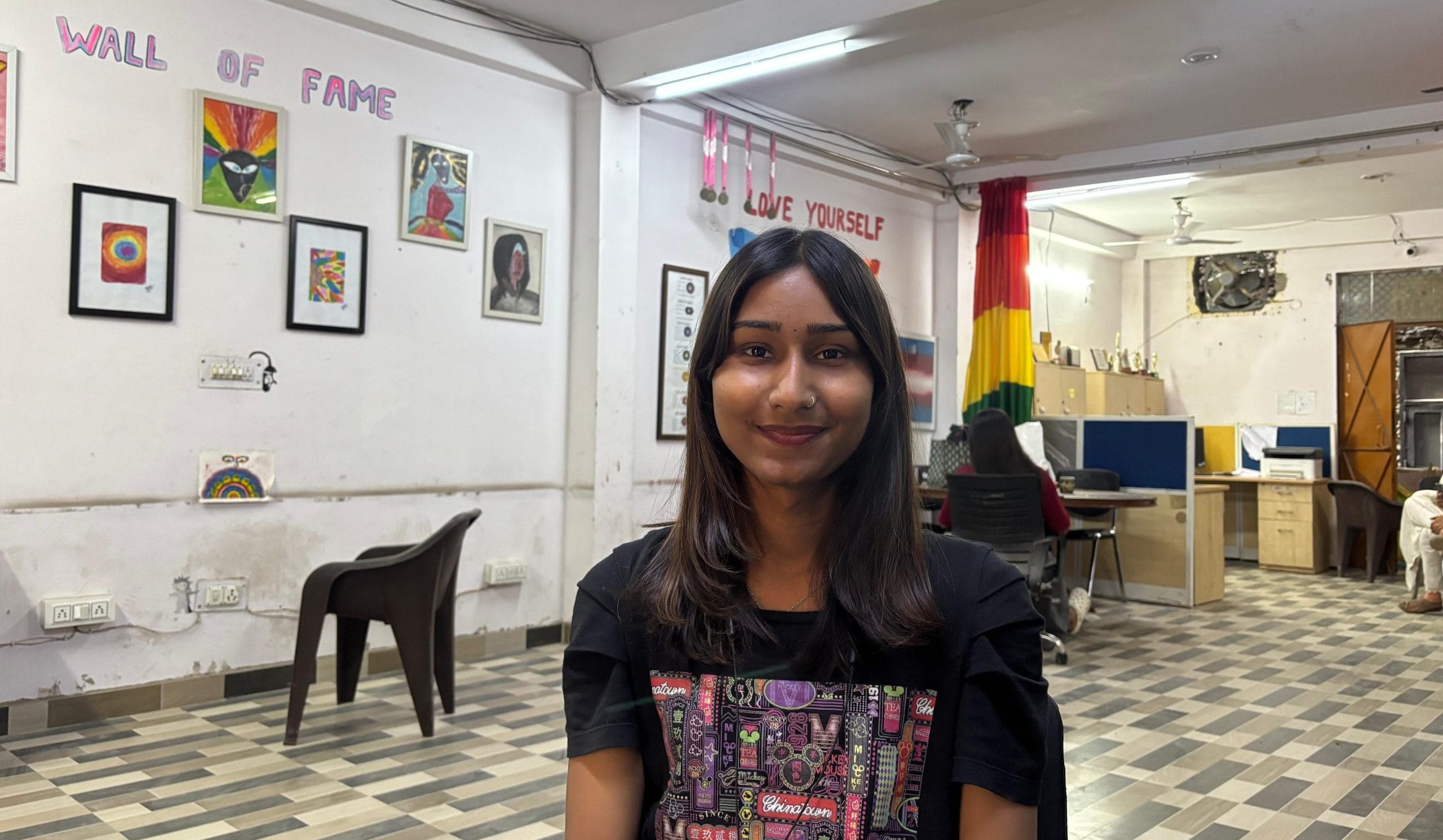
At 20, Himanshi is trying to rebuild her life—again. After spending nearly a year at the shelter, she had moved out to live on rent while working as a graphic designer. But when her six-month internship ended without a full-time offer, she returned.
“I am looking for a job again. At the same time, I am completing my Class 12 so I can be eligible for better opportunities,” she said.
Originally from Agra, Himanshi left home after her family rejected her identity and forced her to stop her education. She arrived at the shelter in December 2024, just 18 years of age.
“This was my base ground. Here I started understanding myself—about transition, about what I really feel,” Himanshi added.
Like many others, she is also caught in delays around documentation. She had applied for a transgender (TG) identity card almost a year ago, but it hasn’t come yet. This uncertainty has only deepened after the Bill.
At the Garima Greh, most residents are not from the kinnar or hijra communities, but identify as transgender, transfeminine, or transmasculine. Most are young people between the ages of 18 and 30 on a path to self-discovery and safety. For many, this is a last resort—after running away from abuse at home, to be themselves.
They are arguing that this will help welfare schemes reach those who are in need. But look at us—we have not received funds from them in the last three years, despite writing to them multiple times.
Representative from Kolkata Rista
The Garima Greh helps them apply for TG cards, holds counselling sessions, and supports access to hormone replacement therapy (HRT). It also runs skill development courses, helping residents stand on their own feet while navigating a complex system. Above all, it offers a sense of belonging.
But since the amendment, the future feels in flux—especially for those in the middle of their transition, those without documents, and those who already have TG cards based on self-identification.
“Earlier, there was self-identification. If I feel I am a woman, I can say that. Now there are talks of medical checks. How can a report decide what I feel?” Himanshi said.
She describes the shift as a reversal of hard-won rights. “It’s like giving someone a gift and then taking it back. Right now, the future feels very unclear.”
Also read: Trans Amendment Bill echoes Criminal Tribes Act. It wants them to stay in violent families
Transition interrupted
Just 10 days into HRT, Sahil is already thinking about what could go wrong.
The 22-year-old, who also goes by Bebo, has been associated with the shelter for nearly a year while pursuing a master’s degree in social work. Having been an active member of the LGBTQIA+ community from a young age, their work with NGOs, from HIV awareness to human rights, also became a space to explore their gender identity.
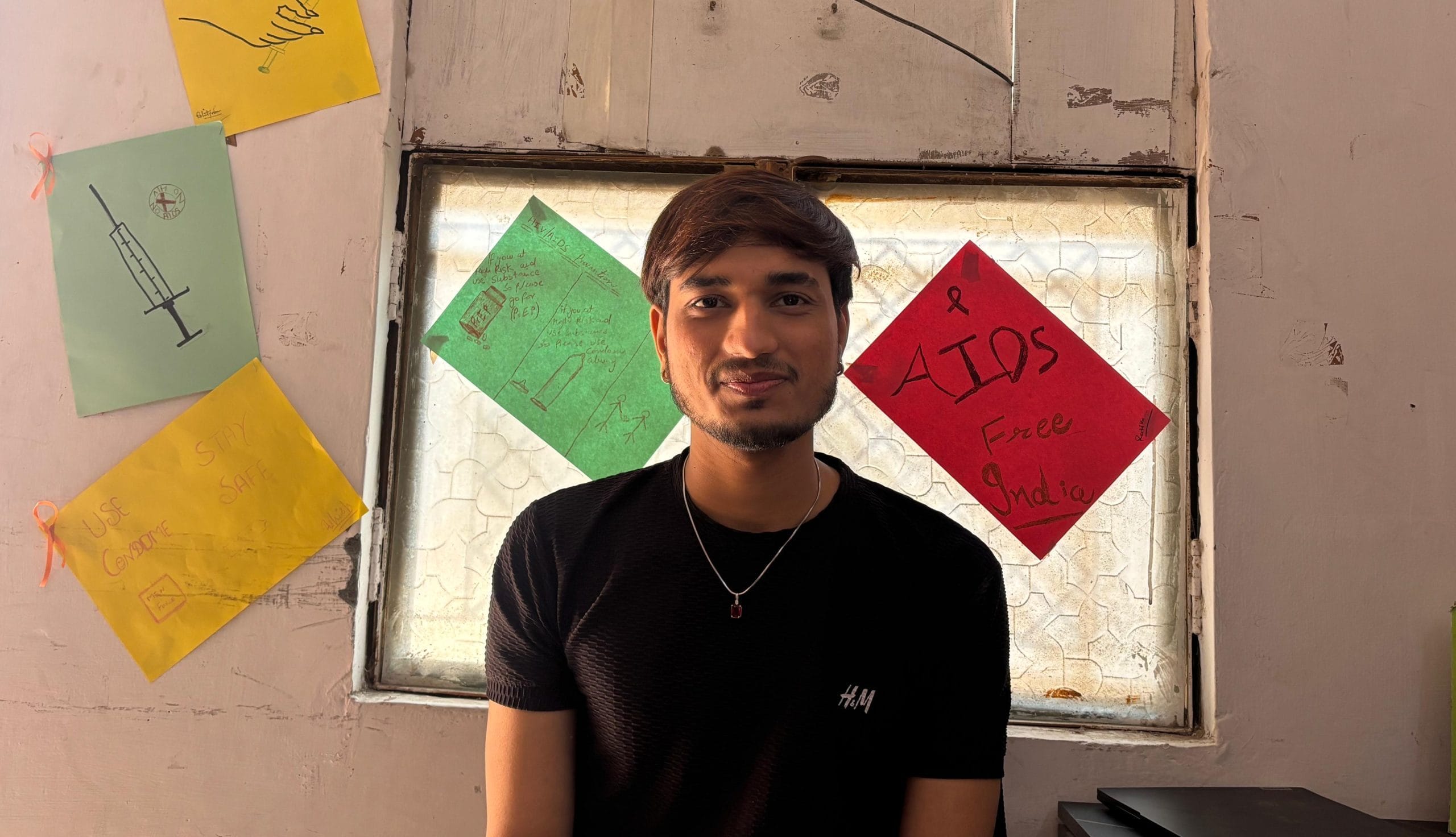
Always aware that they did not fit society’s heteronormative expectations, Sahil moved through multiple identities—from gay to non-binary—before identifying as a transwoman.
They received their TG card in January 2026 and have recently started HRT, which is necessary before gender affirming surgery. For most transgender persons, this is the process, which starts with self identification. Only after a gender dysphoria certificate can the process of transitioning begin in India. According to standard operating procedures released in 2024 by the Ministry of Health and Family Welfare, mental health certification is required to access HRT and gender affirming procedures.
The new Transgender Amendment Bill, however, distorts this process by mandating a medical board certification to identify as transgender—even though, for most, gender affirming surgery comes at the very end of the transition journey. The Bill also leaves out transgender persons who do not want to have gender affirming surgeries.
Sahil, and others like them, are now unsure whether their TG cards will remain valid. “Now they are talking about medical boards. Who are these people? How will they decide who I am?” they said.
For those at the beginning of their transition, they add, the uncertainty is amplified. “My transition has just started but I don’t know if I’ll be allowed to continue. For people like us, everything feels uncertain.”
‘There is no clarity’
Inside the Delhi Garima Greh, the impact of the Bill is already shaping decisions. For newly out trans people, those who want to apply for TG cards, and those beginning their transition journeys, the path ahead has grown more complicated.
“We are asking people to wait. There is no clarity,” said Kanta Singh, who is the programme officer at the Garima Greh and has been working with Mitr Trust since 2005.
The shelter currently houses 19 residents, with a capacity of 25. Most arrive from outside Delhi after leaving unsafe homes.
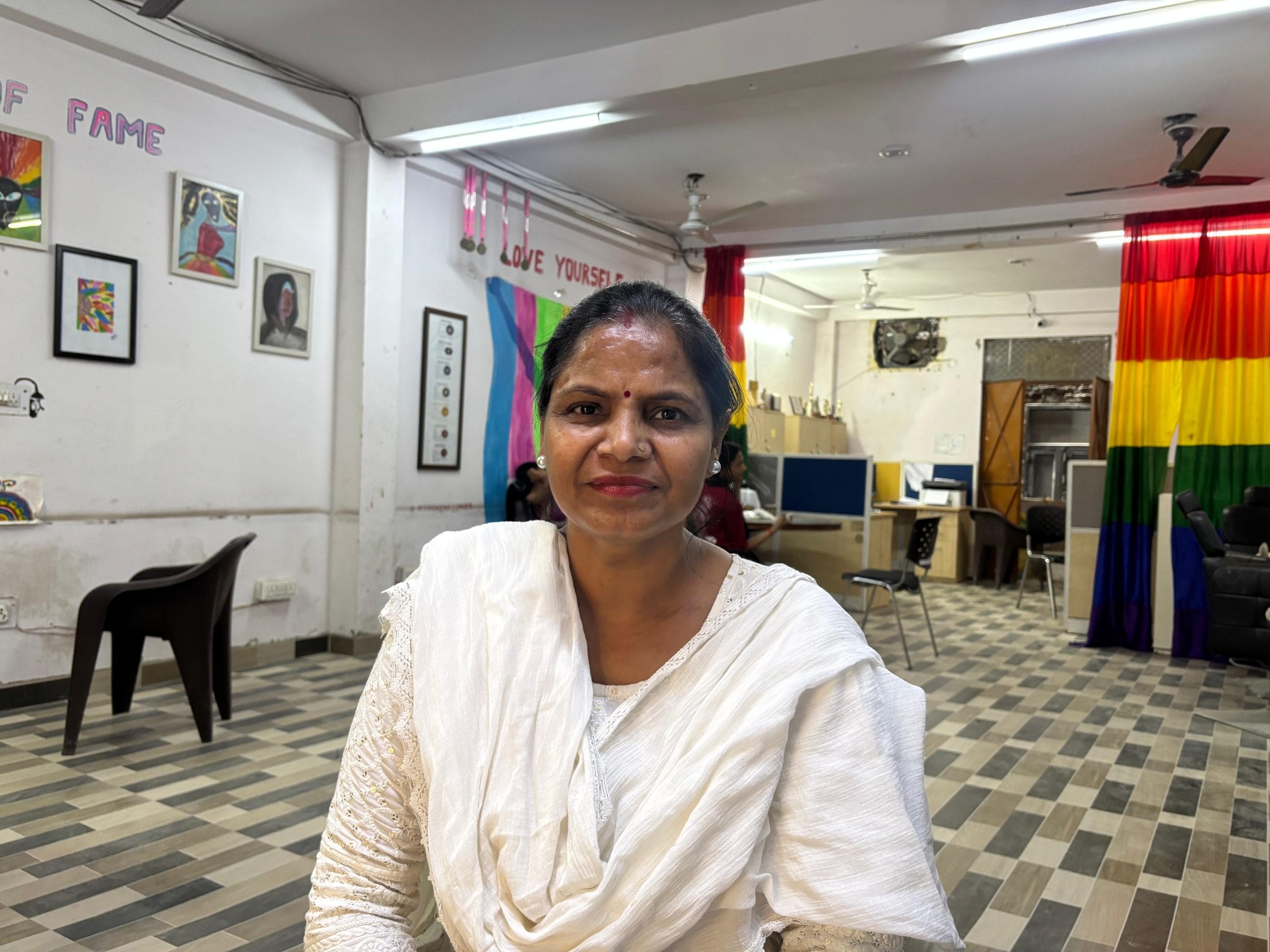
“The only requirement to come here has been self-identification and being over 18. But now, with the new Bill, I don’t know what will change,” Singh said.
As most people who arrive here have little awareness of the application process, the Garima Greh facilitates documentation and educates residents about their rights and welfare schemes available to them. The shelter has applied for more than 300 TG cards, according to Singh, but only 9 or 10 have been issued so far.
According to the SMILE national portal for transgender persons, 668 TG certificates and ID cards have been issued in Delhi, while 504 remain pending. Although district authorities are required to issue the card within 30 days, thousands of applications remain delayed, some for over a year.
Also read: Dr TK Lahiri is Varanasi’s ‘Dr God’. He almost died lonely, now his folklore grows bigger
Fear beyond paperwork
The struggle at the shelter goes beyond documentation. Conflicts with residents’ families are constant, often involving police intervention. There have been instances where shelter workers were beaten, abused by families, and accused of luring or “converting” their children.
The Bill has a new criminal category addressing the “coerced” assumption of transgender identity, with punishment ranging from a minimum of ten years’ rigorous imprisonment to life. Given that it uses vague language regarding “forced” transition, there is growing fear that these provisions could be misused against NGOs and families supporting a person’s transition.
“Families already come with the police and accuse us of keeping their child here. They say we are forcing them, that we are ‘converting’ them. With this law, they can easily say we are forcing them and file a case against us,” Singh said.
The contradiction is stark to her.
“This shelter exists with government support, so there was trust. But after this Bill, that trust has been shaken. They have pushed us back 10 years,” she added.
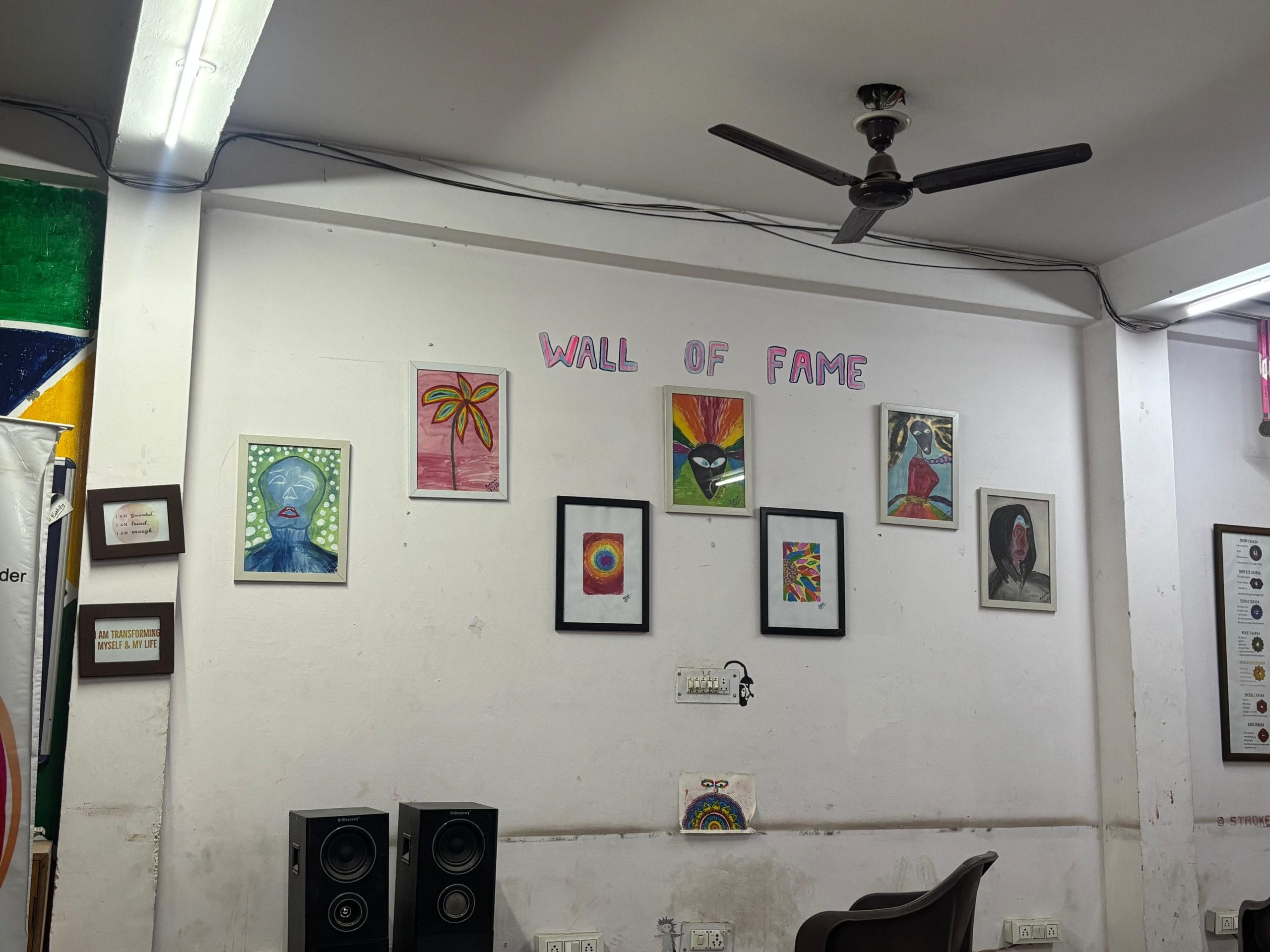
The Garima Greh in Delhi looks like any other house in the neighbourhood. Locals either say they do not know what exactly the NGO does or remain indifferent to its existence. “We see people come in and out. It’s an NGO, but we don’t know much about it,” one resident said.
Bhupender Yadav, an autorickshaw driver, says he is unaware of any social work organisation operating in the area.
“There are times when we see police come here, but otherwise it’s nothing. As long as it doesn’t bother us, we don’t care,” said another resident.
Regarding the new Bill, we have not issued any notification yet to the Garima Greh. This will be handled by higher authorities once the Bill is actually passed. Nothing has been done so far.
Brijesh Kumar, Joint Director, Ministry of Social Justice and Empowerment
Uncertainty across the system
For Rudrani Chettri, the founder and managing director of Mitr Trust, the current moment is nothing short of hopeless. A transgender rights activist for over a decade, she sees the Bill as a major setback.
“We are very confused about how we are supposed to go on. We haven’t received any intimation from the government about what this means for our functioning… This Bill is a big hit on our identity, and it is not like we face any fewer struggles as it is,” she said.
For her, the biggest concern lies in the narrowing definition of who is recognised as transgender.
“If we get 100 people in the shelter, 99 are transfeminine and transmasculine. Kinnar and hijra communities usually don’t approach Garima Grehs because they have their own separate communities and ways of functioning. If this legislation is applied, we may not be able to help most of the people who come to us,” Chettri added.
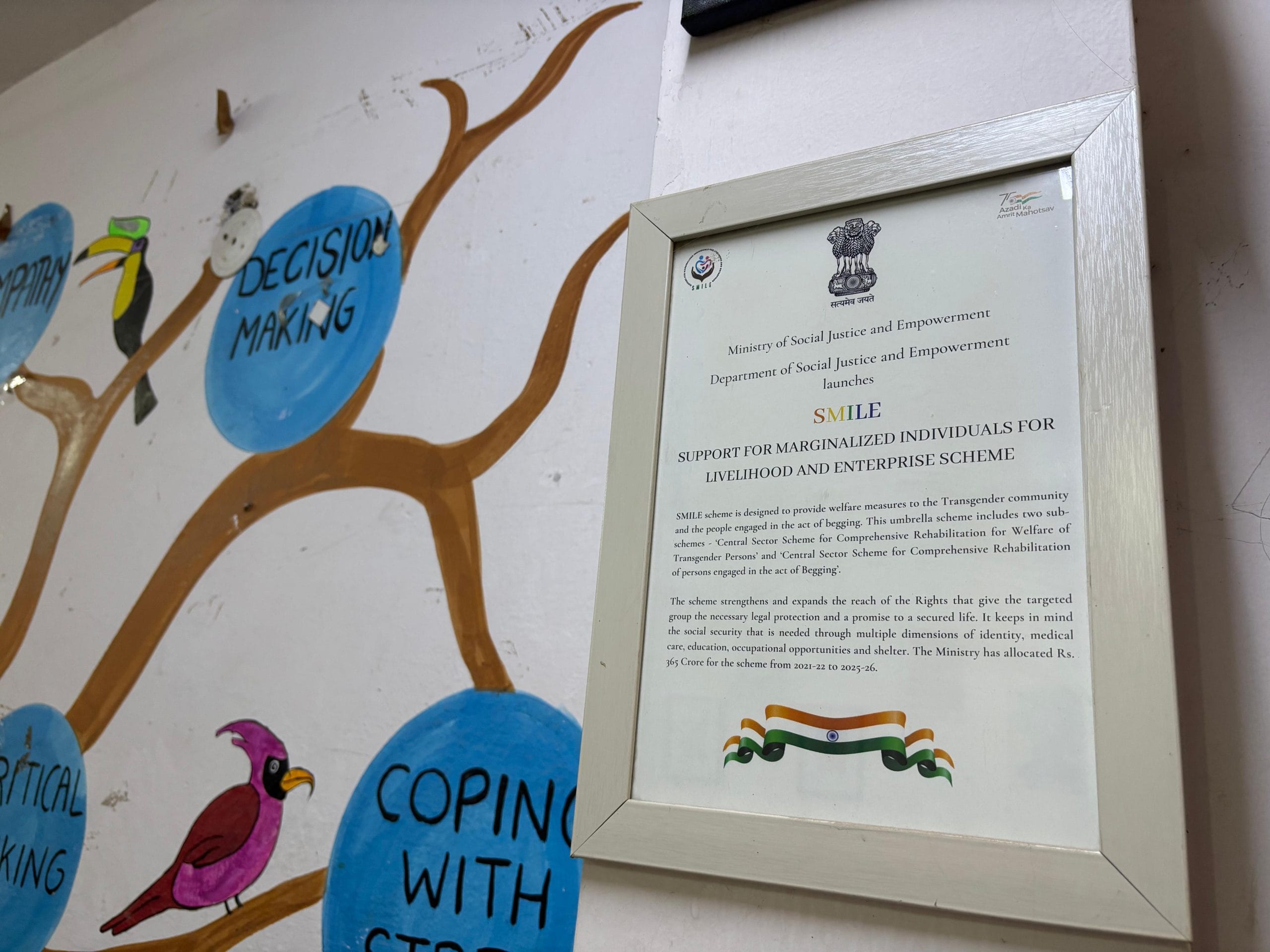
Across India, there are 20 operational Garima Grehs and three have been sanctioned in 2025-26, according to Brijesh Kumar, Joint Director within the Ministry of Social Justice and Empowerment.
“Regarding the new Bill, we have not issued any notification yet to the Garima Greh. This will be handled by higher authorities once the Bill is actually passed. Nothing has been done so far,” Kumar, who manages matters related to transgender people, told ThePrint.
Across the country, Garima Grehs are in a state of conundrum and fear.
At India’s first Garima Greh in Vadodara, Gujarat, there is an “udasi ka mahaul (environment of sadness)”. Sylvester Merchant, founder of Lakshya Trust, the organisation that manages the shelter home, says that they currently have almost a full house but have not yet received any information from the government.
“The Bill is very worrying. We are already under major funding pressures, and now it just shows where the priority of the government lies,” Merchant said.
A representative from Kolkata Rista, the non-profit organisation that manages the Kolkata Garima Greh, said that the Bill goes against the NALSA judgment and indicates that the government considers itself above the Supreme Court.
“They are arguing that this will help welfare schemes reach those who are in need. But look at us—we have not received funds from them in the last three years, despite writing to them multiple times,” they said.
The issue of delayed or no payments to Garima Grehs is prevalent across the country, making their functioning a major challenge. The workers at the Kolkata Garima Greh have another concern: The state is set to go to polls soon, and none of the political parties has come out in opposition to the Bill.
“There is a sizable population of transgender persons in West Bengal, and their response makes us worry for our rights,” the representative said.
In Dhanbad, Jharkhand, a Garima Greh was inaugurated just a month ago. But its fate now hangs in the balance.
Biplab Mahato, secretary of Manthan, the organisation managing the shelter, applied for the Garima Greh a year ago, but the release of funds took time. The shelter has not yet begun taking residents, and now, there is confusion about how it will function after the Bill.
“In Dhanbad, people from the trans community are not educated about their rights or welfare schemes. Although there is a large network, they don’t like being tangled with legal jargon or lengthy processes. We need targeted interventions to reach them,” he said.
However, if the services remain limited to those with TG cards or certificates, the reach will be extremely limited.
Also read: Sheila Dikshit to Kejriwal, every CM pledged to fix Old Delhi. Now BJP wants NDMC-like teeth
‘The future feels scary’
People like Ayaan stand to lose protection, a safe space, and a chance to live as themselves.
His journey to the shelter has already been long. He knew who he was at the age of 15, but speaking about it at home was met with abuse and violence. After completing his degree in biology, he switched off his phone and came alone to Delhi in December 2025.
His family tracked his phone, arrived with the police, and tried to take him back, but the shelter staff stood by him.
At the Garima Greh, he began counselling and is now waiting for his third dose of HRT.
“This is the first place where I feel a sense of belonging. When I see others being themselves, I feel hopeful,” he said.
Now, that sense of certainty has turned fragile.
He applied for his TG card in January and is still waiting for it. In the middle of his transition, the changes brought by the Bill weigh heavily.
For now, the shelter is the only place where he feels at home. “But the future,” he adds quietly, “feels scary.”
(Edited by Prasanna Bachchhav)