


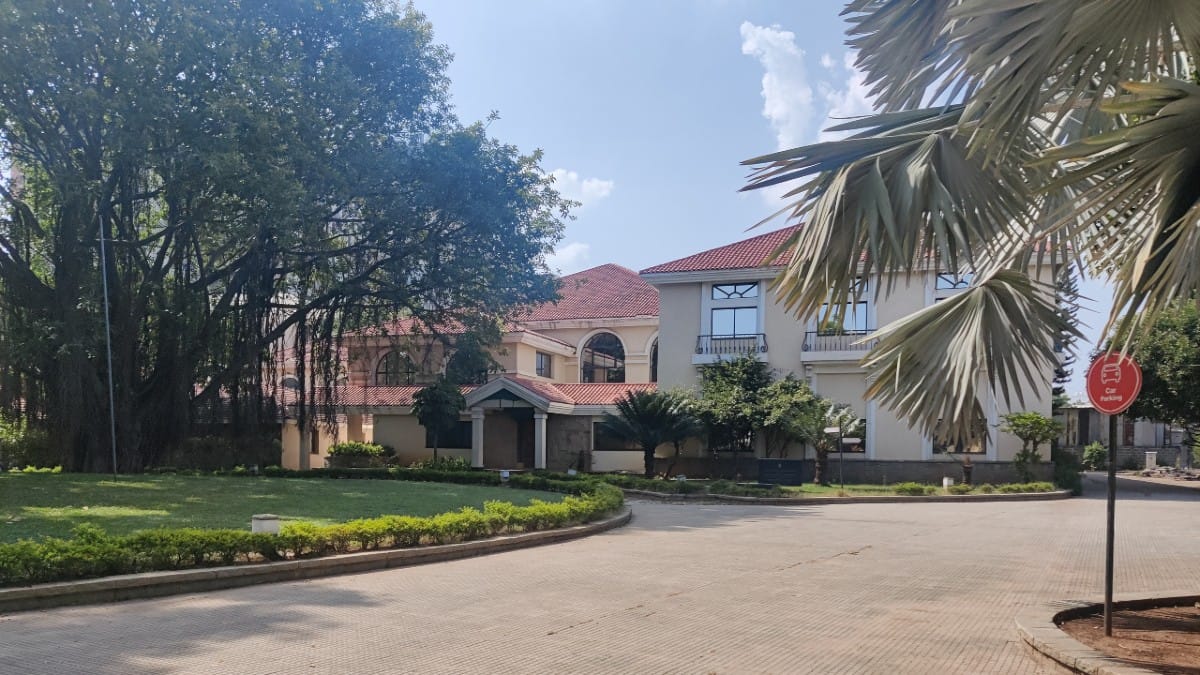
Hyderabad: The eggshell-coloured bungalow on Road 62 is unassuming, much like its occupant and Satyam Computer Services founder B. Ramalinga Raju. There is no nameplate, nor the anti-truck barriers that dot the streets in ultra-posh Jubilee Hills. A lone CCTV camera flanks the sliding metal gate. The guard, sitting in an anda cell-like enclosure, looks wearily at visitors.
“The boss comes here sometimes, won’t find him here,” he says, by now trained to throw people off the scent.
Public records show this is the primary home of Byrraju Ramalinga Raju, feted as a business visionary and IT czar in the 1990s. Raju’s story is set in the Deccan granite that spawned Hyderabad, the city that shaped India’s software dreams, boosted economic growth, and flexed the nation’s global muscle. And Raju was poster boy of the Hyderabad hustle. But he flew too close to the sun. Today, his meteoric rise and accounting fall is the stuff of B-school folklore. If anything, he is a cautionary tale, leading a quiet, anonymous life, withdrawn from all public engagements, away from the city chatter.
“If he doesn’t meet the press, it’s also because he isn’t very comfortable [doing so]… all of them will ask questions about the Satyam scam,” Kingshuk Nag, author of The Double Life of Ramalinga Raju: The Story of India’s Biggest Corporate Fraud, told ThePrint.
To Nag, a veteran journalist, Raju’s impact and influence haven’t vanished. “You have to give it to him. He was the pioneer of offshoring. He had a lot of local support owing to his image as a homegrown entrepreneur.”
In his book, Nag details that by the time the law caught up with him, Raju and his family had accumulated 6,800 acres of land and floated 325 companies, which were, on paper, owned by his immediate and extended family.
“Those who have known Ramalinga Raju for long or have worked with him at close quarters swear that he has a duality of character—he can be the friendly, benevolent Dr Jekyll as well as the evil Mr Hyde,” wrote Nag in his book.
There was a time when people of the Raju community beat their chest and claimed Ramalinga garu as their kin. Now if you ask about him, they feign ignorance.
– Satyam Enclave resident
Meanwhile, Hyderabad has moved on. Eateries and supermarkets have sprung up in every nook and corner, nesting in glass-and-steel edifices in the New Hyderabad that Raju helped rechristen in the 1990s as Cyberabad. But he isn’t part of the new narrative today.
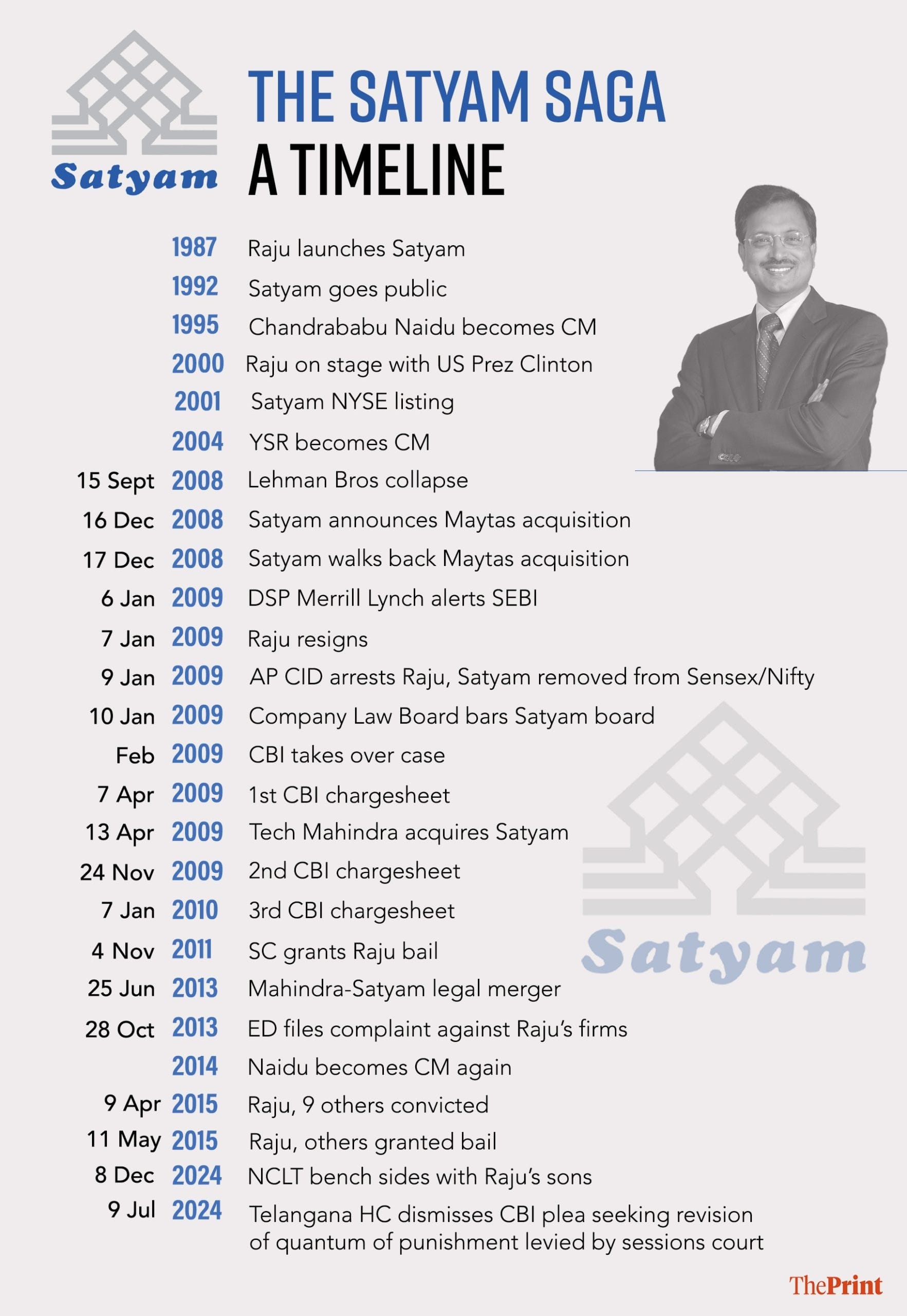
Yet, HITEC City still bears Raju’s imprint. This was where Satyam’s 12-acre campus became the brood nest of his offshoring empire—the same Cyberabad belt where Microsoft first set up shop at the persuasion of Chandrababu Naidu. Notified as an SEZ in 2006, the campus was later expanded by Tech Mahindra, which acquired Satyam in April 2009.
“I used to tell my colleagues, we were like a dented Ferrari. No one wanted to buy it, and those who did weren’t sure if the dent would ever go away,” recalled a former Satyamite who was with the company for 10 years.
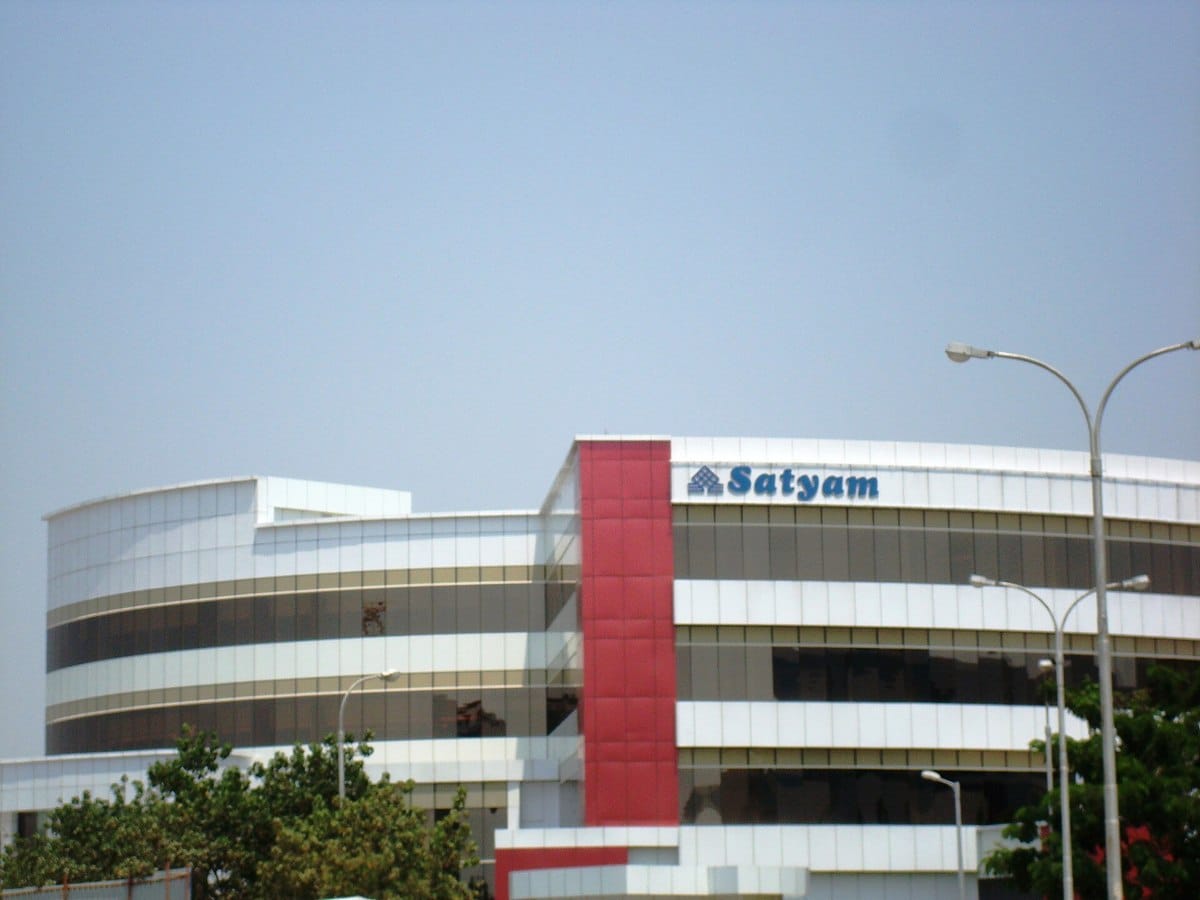
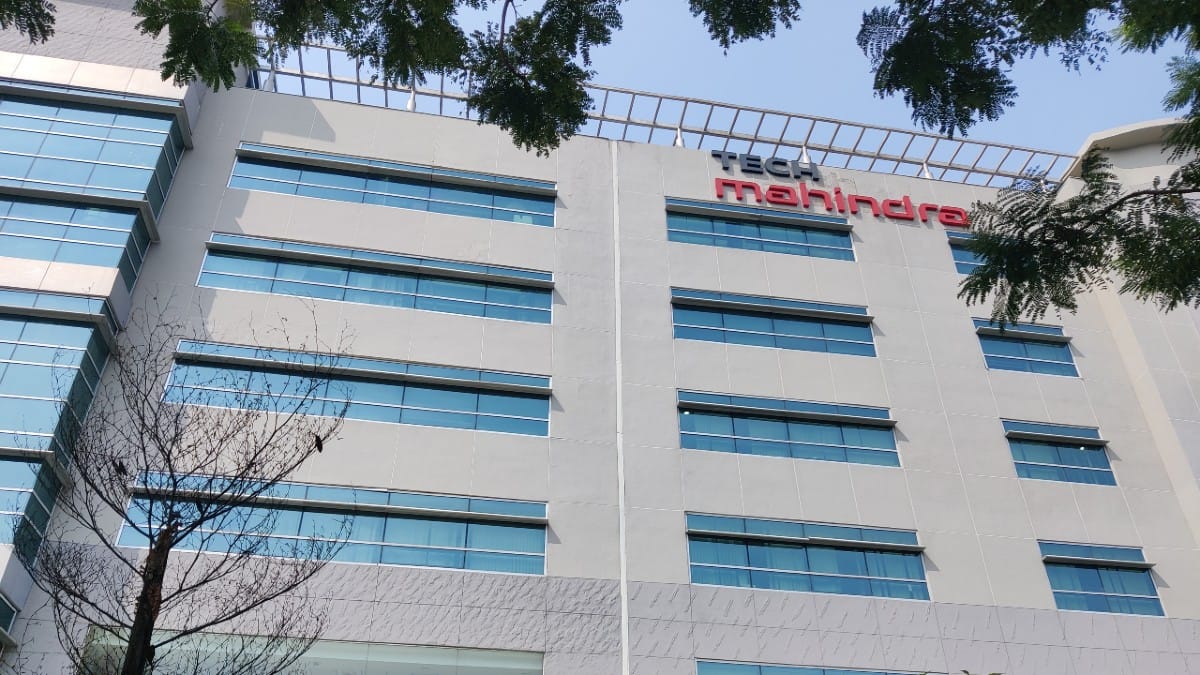
On a recent afternoon, the Infocity campus in HITEC City’s Madhapur is buzzing with activity. Tea shops, food vendors and autorickshaws cater to thousands of Tech Mahindra employees working round-the-clock shifts. The name Satyam, once India’s fourth-largest IT firm, has long been scraped off the facade of the building that for years housed over 40,000 Satyamites, the force that lit the fuse of India’s IT exports. It’s been replaced by Tech Mahindra signage and its tagline ‘Together We Rise’.
“I remember thinking to myself, how could someone throw away something so beautiful, so nicely built, for greed?” said a resolution professional who worked out of Satyam’s state-of-the-art HQ.
Today, the facility is just another busy node in the city’s tech corridor, the scandal having faded from conversation almost as completely as the signage from the walls.
Just before Raju’s dead-stick landing wiped off an estimated $2 billion (Rs 14,000 crore) in market cap almost overnight, Satyam had an annualised revenue run rate of Rs 11,276 crore.
That dream run came to an abrupt halt on 7 January 2009 when Raju in a letter to the Satyam Board, SEBI and the bourses offloaded the “tremendous burden that I am carrying on my conscience”: a Rs 7,000-crore gap in the books inflated by non-existent bank balances, accrued interest, understated liabilities and overstated debtor position. He was arrested, first by Andhra Pradesh CID, then CBI, and spent about 33 months in prison. His appeal against conviction in the CBI case, and ED’s PMLA probe are both grinding at a comatose pace.
But Satyam wasn’t Raju’s first business. Nor was it his last. Today, many family businesses and CSR vehicles reared in the Raju stable are going entities still. Like his unmarked home, Raju’s family businesses fly under the radar too. Traversing various sectors, from real estate to tech, healthcare and agriculture, they maintain a church-state distance from him, with family members or associates listed as promoters or directors.
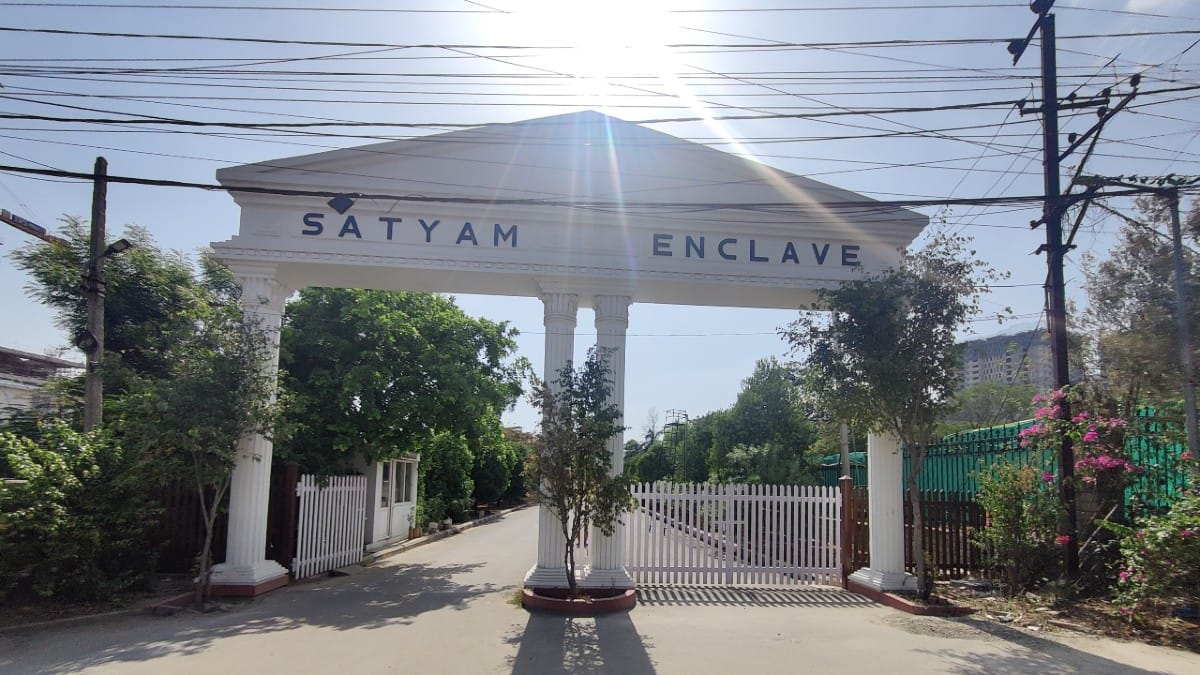
What’s missing is any trace of Satyam. The name is visible only on the arched gateway to Satyam Enclave in Kompally, the township Raju built and named after his crown jewel.
Also Read: Adani controversy brings back the story of how Manmohan Singh govt rescued Satyam
The old family bastion
Ramalinga Raju no longer rules over Hyderabad mindspace like he used to. He is rarely visible or written about, and hasn’t uttered a word in public, other than a speech at a 2024 summit organised by Brane, a controversial AI company linked to his family, where he was referred to internally as ‘chief mentor’. Since that speech, he has once again faded from public view.
Yet while the man remains unseen, Hyderabad is still marked by his early footprints.
Smack opposite Pet Basheerabad police station and running parallel to NH-44, a gigantic patch of land is now a bare earth crater, several feet deep. Men in hard hats lay the foundation for a high-rise to rival the ones coming up on either side.
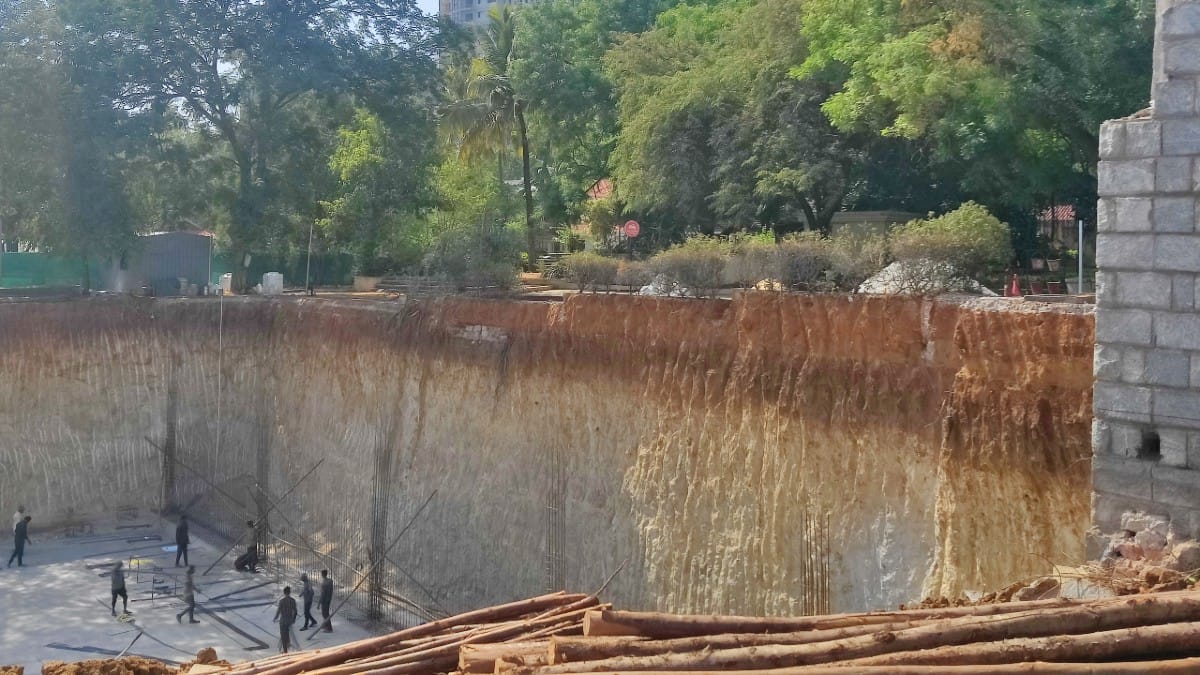
The patch of land is part of Satyam Enclave in Kompally, the north Hyderabad suburb central to Raju’s origin story. This is where many public figures made their early real estate investments, according to local developer Srinivas Baddam.
“Tollywood actors Sobhan Babu and Murali Mohan, even Jayalalithaa had property here,” said Baddam.
The family’s Kompally connection goes back to the 1960s, when Raju’s father Satyanarayana bought land here from local farmers for grape farming.
His brother Suryanarayana still lives here, in one of the dozen upscale bungalows huddled around an arid central park and a bust of their father, with freshly cut flowers laid at its plinth.
He (Raju) had a fancy for land. He was on a mission to acquire more and more land to make up for what his father and grandfather had lost.
– Former Satyamite who was with the firm from 1996 until 2009
Raju’s own bungalow in Satyam Enclave looks desolate, its doors and windows sealed shut. Its battered entry gates and decrepit vintage lamps corroborate the guard’s claim that the owners, once the toast of Hyderabad high society, no longer visit.
“This is the house (Raju’s) but it has been empty for the last two years,” the guard said.
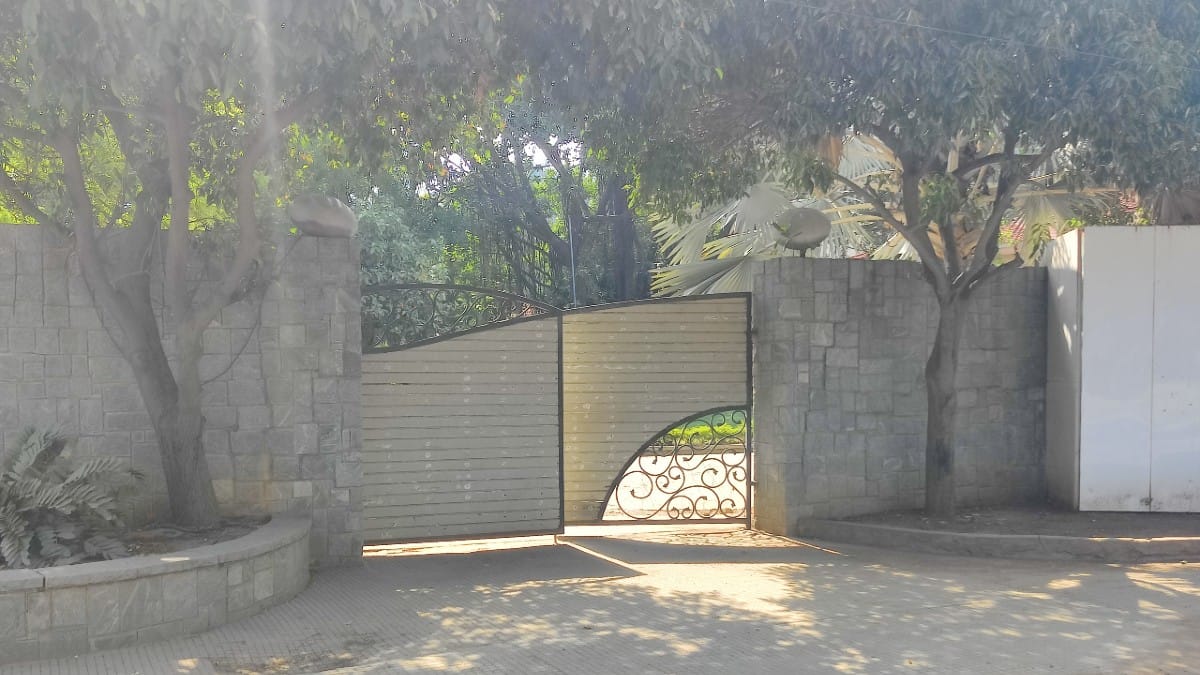
This bungalow was earlier the base of operations for Byrraju Foundation, the NGO Raju set up in his father’s memory within a week of his death in 2001, to adopt and transform 200 villages in undivided Andhra Pradesh.
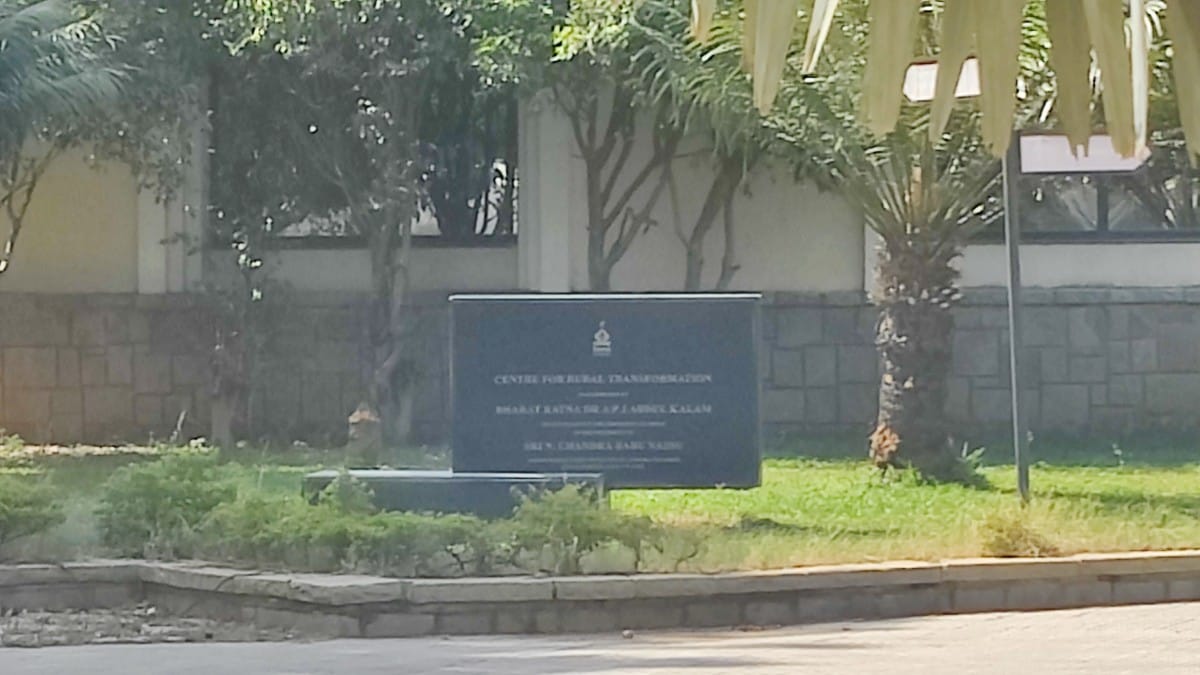
It was here in Satyam Enclave that then President A.P.J. Abdul Kalam and Andhra Pradesh CM Chandrababu Naidu stood next to Raju to lay the foundation for the NGO’s Centre for Rural Transformation in 2003.
That headline moment is carved in a black granite plaque at the front porch. It narrates the arc of Raju’s influence — the man who stole a march on the city of Nizams, now reduced to a shadowy figure in family businesses.
Raju’s kryptonite
The Rajus are a relatively small yet influential Kshatriya caste group in undivided Andhra Pradesh. Their relationship with real estate is as symbiotic as the one sand shares with cement and steel.
Ramalinga Raju had cultivated the aura of a fountainhead in this community, with a fervent commitment to caste peers, many of whom Satyam hired as part of a pet project to uplift the youth of the community. Some have now turned their backs on him.
“There was a time when people of the Raju community beat their chest and claimed Ramalinga garu as their kin. Now if you ask about him, they feign ignorance,” said a Satyam Enclave resident.
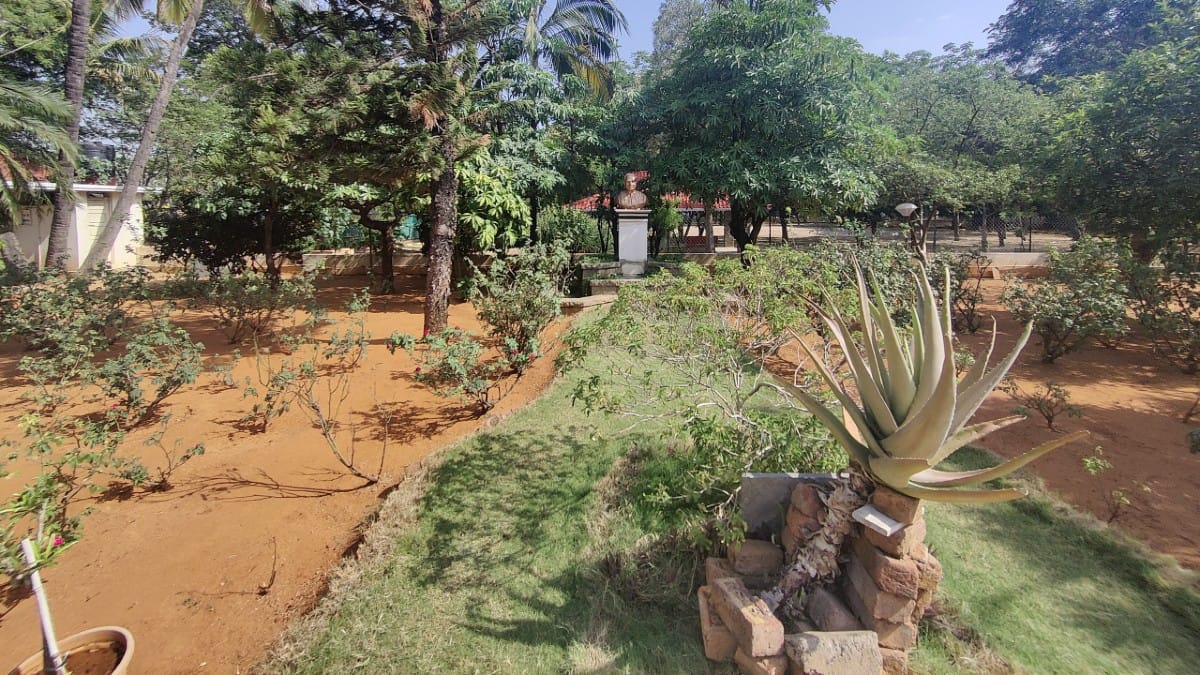
But unlike Raju’s social currency, Satyam Enclave isn’t a dead asset yet. If anything, it’s a reminder of his keen eye for prized land, which might even be seen as his kryptonite.
Growing up, land acquisition was a central theme in Raju’s life. His grandfather poured much of the family silver into a sugar mill that did not take off. Raju took away from this experience a lesson his clan had learnt the hard way: land holdings are the surest cushion against misfortune.
“He (Raju) had a fancy for land. He was on a mission to acquire more and more land to make up for what his father and grandfather had lost,” said a former Satyamite who was with the IT firm from 1996 until 2009.
This unyielding appetite for land, rooted in what many insiders describe as a feudal mindset Raju perhaps couldn’t outgrow, is also what they say derailed his dream of diversifying the House of Raju into the next great Indian conglomerate.
Also Read: Netflix releases final episode of Bad Boy Billionaires after 5 years—why the delay
What is Raju up to now?
In the 17 years since he sent that infamous resignation letter, Ramalinga Raju has been “completely out of Hyderabad’s social circles”, as a city-based businessman who knew him since their Loyola College days put it.
“Hyderabad entrepreneurs were devastated when he fell. He approached peers for investments after the collapse of Satyam and some extended help. We haven’t seen him in I don’t know how long,” said the businessman.
But Raju still has his share of admirers. A Hyderabad-based journalist described him as “pavan” — pure, sacred, holy.
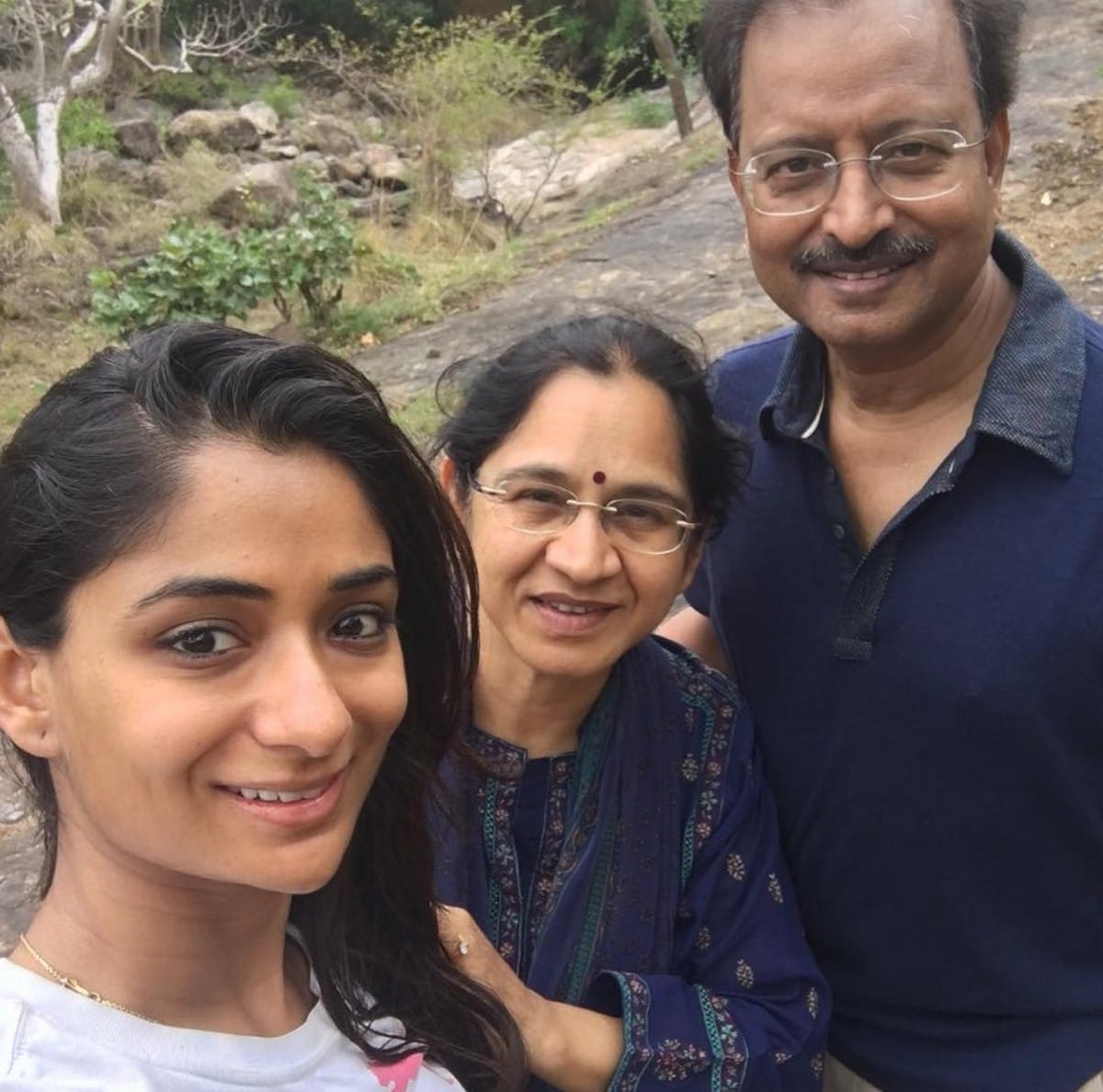
Few photographs of Raju have surfaced in recent years, barring those from his 2015 bail hearing and a smattering uploaded by his daughter-in-law Sandhya Raju on Instagram, showing the 71-year-old former Satyam boss in his role as a benevolent family man. In one post from August 2015, he smiles into the camera with wife Nandini, son Rama Jr and Sandhya. The photo is captioned: “All dressed up”. In another image from October that same year, Sandhya— a Kuchipudi dancer— poses with her in-laws ahead of a performance at the state-run Ravindra Bharathi auditorium. One from July 2016 shows Sandhya, Nandini and Ramalinga Raju outdoors with the caption: “Rajapalayam mini trek ! With the hyderabadis”.
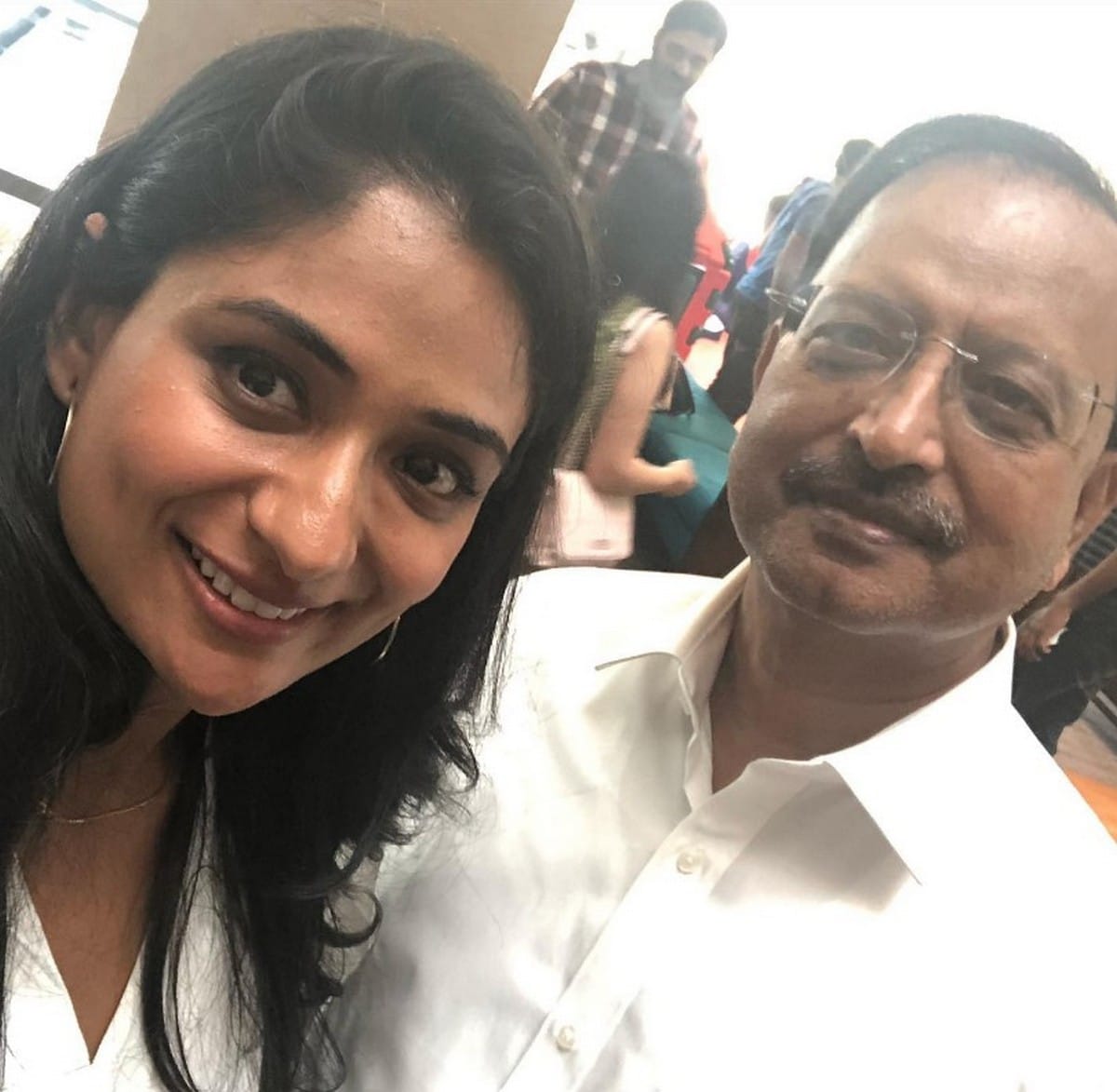
The most recent photo is from January 2020, with Sandhya and Ramalinga Raju at The Westin Hyderabad Mindspace. It is captioned: “Lunch date with my other father”. Most replies were complimentary, with some calling him a “hero” and a “father to thousands of families”, although one replied “narcissist and cheat”.
A source close to him said Raju hasn’t read any general news magazines or newspapers in the last 10 years.
“He (Raju) has always been interested in science and related research topics and is quite content in pursuing the same,” the source told ThePrint.
Like the Chola ruler who governed his native town Bhimavaram almost a millennium ago, Raju now seems to have ceded much of the visible realm to his two viceroys, sons B. Teja Raju and B. Rama Raju Jr. Still to outgrow their father’s shadow, they too walk on shards of the Satyam dream in silence.
You have to give it to him. He was the pioneer of offshoring. He had a lot of local support owing to his image as a homegrown entrepreneur
– Kingshuk Nag, journalist and author of The Double Life of Ramalinga Raju
Their hands at the helm were first tested with Maytas — Satyam, or truth, spelled backwards — the family’s real estate business that Satyam tried to buy in December 2008, triggering an investor revolt weeks before Raju’s confession. Raju would later call the aborted deal his “last attempt to fill the fictitious assets with real ones”. The fate of Maytas was anchored to Satyam’s, and plunged with it when the sons couldn’t follow in Raju’s footsteps and build an empire of their own.
Insiders say they also were not able communicators like Raju who could command a room even if responding only in monosyllables.
“You could count the words he (Raju) uttered in a meeting. Yet, he could also disagree with grace,” recalled a former Satyamite.
In December 2024, the Hyderabad bench of the National Company Law Tribunal dismissed a 15-year-old Ministry of Corporate Affairs plea seeking to bar Raju’s sons and Maytas directors from holding directorships in other companies — an old overhang from the Satyam case.
But in Raju’s case, invisible doesn’t mean inactive. Today, while out of sight, the former Satyam boss is still active behind the scenes, mentoring a new crop of entrepreneurs as well as family businesses that stared at the Satyam eclipse and lived to tell the tale.
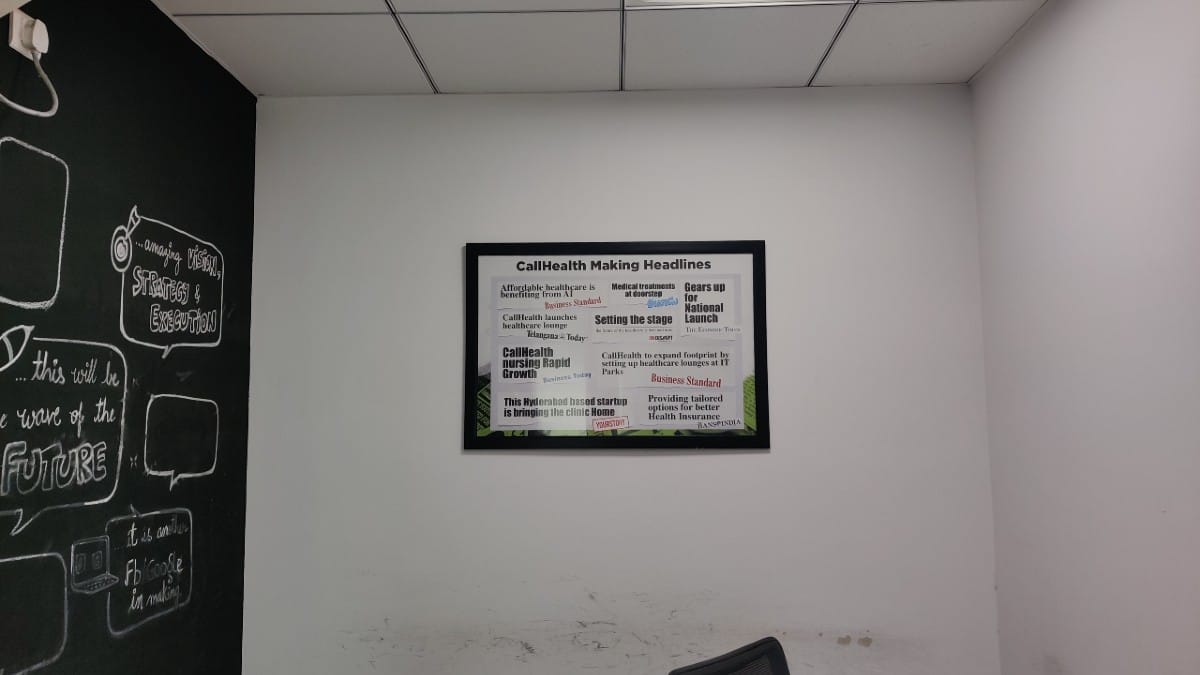
One such business, CallHealth—an integrated healthcare platform— had leased empty office space at Satyam Enclave in Kompally in its early years, to use as a training centre for field staff. Led by a top former Satyamite, it has grown by leaps and bounds since it was set up in 2013. A goal board in one of its meeting rooms announces it aims to become “the next Google or Facebook”.
Wheels of justice
Meanwhile, the cases against Raju drag on.
Raju and nine others were convicted by an Additional Chief Metropolitan Magistrate in 2015 in the case filed by the CBI. By then, Raju had already been out on bail for nearly four years, after spending about 33 months in jail following his January 2009 arrest by the Andhra Pradesh Crime Investigation Department.
The subsequent CBI case judgment was the culmination of daily hearings during which the court examined reams of documents and heard 226 prosecution and 10 defence witnesses.
After the 2015 conviction, Raju was taken to Cherlapally Central Prison again, but was granted bail within a month, with his seven-year sentence suspended pending appeal. In 2024, the Telangana High Court dismissed the CBI’s plea to revise the quantum of punishment. The agency had cited` delay by the trial court in delivering a ruling on appeals by Raju and the others.
As for the Enforcement Directorate, by 2015 it had attached assets worth Rs 1,000 crore and fixed deposits worth Rs 822 crore in the Prevention of Money Laundering Act probe against Raju and his family, which names 212 individuals as accused.
Raju’s legal counsel said in a statement to ThePrint that they “intend to vigorously defend the case from our end, as we proceed with the case”.
On ED’s attachments, they said the “actions covered assets, that in our considered opinion, do not fall within the ambit or scope of such action”.
“We have appealed the same and will continue to represent our facts in this matter,” the statement added.
Queries via email, calls, and messages from ThePrint to Byrraju Ramalinga Raju and members of his immediate family, as well as those in management positions at family-run businesses, did not elicit a response.
Also Read: 4 ‘Bad Boy Billionaires’ & where to find them — What Netflix’s controversial show reveals
A business incubated in the Raju household
The ground floor lobby of Ramky Grandiose, a 15-storey commercial building in Madhapur, is brimming with candidates. A recruitment drive for CallHealth is in full swing. AI and full-stack developers, sweat running down their temples, wait for their names to be called out.
“I heard about the job vacancy through a friend who works here,” said a freshly minted engineering grad from Guntur, as he took the elevator.
Sharing the elevator is a man in his early 20s, a CallHealth ID card around his neck. He has been with the company for two months. When Ramalinga Raju’s name is uttered, he struggles to place it.
Since he comes from a business family, we are always discussing different business ideas. Whenever there is an idea, we talk about it
– Sandhya Raju, in a 2017 interview with iDream Media
CallHealth is perhaps now the most visible in Raju’s post-Satyam universe of family businesses. The integrated health platform, swimming in the same pond as Practo and a clutch of diagnostics players, is now in the middle of an expansion drive to cater to the post-Covid spike in demand.
Among its early promoters was Sandhya Raju, the National Film Award-winning creative director and Kuchipudi danseuse married to Raju’s younger son Rama Jr.
In a 2017 interview with the Telugu infotainment platform iDream Media, she shared how the idea for CallHealth stemmed from personal experience after she twisted her ankle. The idea was to create a digital marketplace where hospitals, labs and medical practitioners were all a click away.
“Since he comes from a business family, we are always discussing different business ideas. Whenever there is an idea, we talk about it,” she said in the interview, explaining that dinner table conversations with Raju and other family members helped crystallise the solution statement.
CallHealth eventually took form as a cluster of companies, the first of which was set up between 2013 and 2015. The primary firm, of which Sandhya Raju is a promoter, has two directors. One is Dr Subba Raju Kosuri, a Texas-based internal medicine physician and cardiologist with 42 years of experience.
The other is 62-year-old T Hari, who started with Satyam’s HR department and later headed its Global Marketing and Communication division.
A former Satyamite recalled that Hari enjoyed Raju’s absolute trust. In his resignation letter, Raju had named Hari among the six “most accomplished leaders of Satyam”.
CallHealth’s rise
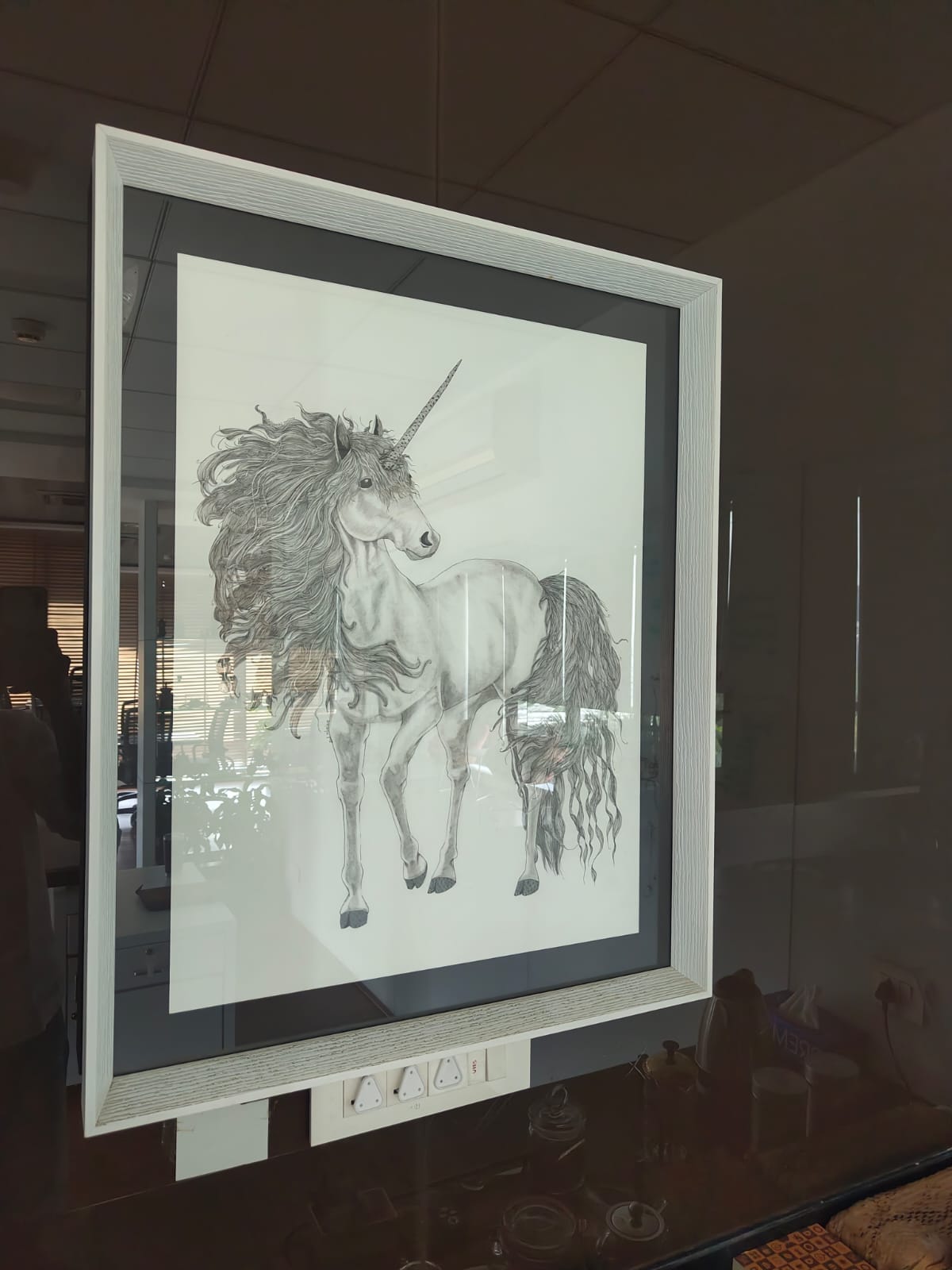
Sitting in his carefully curated office, with the portrait of a unicorn in the background to remind him of his goal for CallHealth, CEO Hari is by every definition a purebred in the “Satyam Way”.
The phrase was Raju’s attempt to emulate the once-mythic “GE way” associated with General Electric boss Jack Welch — a management code for how senior executives dressed, behaved, spoke, and conducted themselves.
The “Satyam Way” was the company’s own management catechism, built around four stakeholders — employees, investors, customers and society — and evangelised through leadership grooming at the Satyam School of Leadership.
Wearing a flawlessly ironed blue-silver patterned cotton button-down shirt, with his hair tied in a neat ponytail, Hari’s solemn demeanour carries traces of that old code, although he refuses to discuss Satyam at all.
CallHealth currently services 1,600 locations across India, with staff in about 10-12 cities and tie-ups with 2,000 diagnostic labs. Of its 650-680 employees, about 60 per cent are under 30 and about half are doctors or nurses.
When the large wave comes, those who adopt and adapt will survive
– T. Hari, CallHealth CEO
The menu of services includes online consultations, lab tests, X-rays and scans, home consultations by doctors, besides nursing assistance, physiotherapy, attendants and health plans.
About 18 months ago, it launched what Hari describes as a “smart report”. The idea was to translate complex medical reports into easy-to-understand health insights. And CallHealth has no plans of stopping there. It is looking at a future where insurance companies will bid to foot the coverage for those in good health. In this pole vault, Hari sees AI as an “inflexion point”.
“When the large wave comes, those who adopt and adapt will survive,” he told ThePrint, adding that FY26 has been a cash-positive year and revenues have been growing consistently year-on-year since the pandemic.
“We pivoted from B2C to B2B2C in 2020. This was a significant change in business direction and focus. Previously, investments were made to address the operationally intense nature of the B2C operations which included field staff, field offices, gadgets, training and so on. Scaling that down with minimal impact to people and business happened over two years,” he said.
Many former Satyam employees claim that Hari was one of Raju’s closest confidants. But Hari himself maintains he hasn’t spoken to Raju in years.
Also Read: Talk Point: Is SEBI’s ban on PwC over the Satyam scandal well deserved or too little too late?
Brane & Social Tech
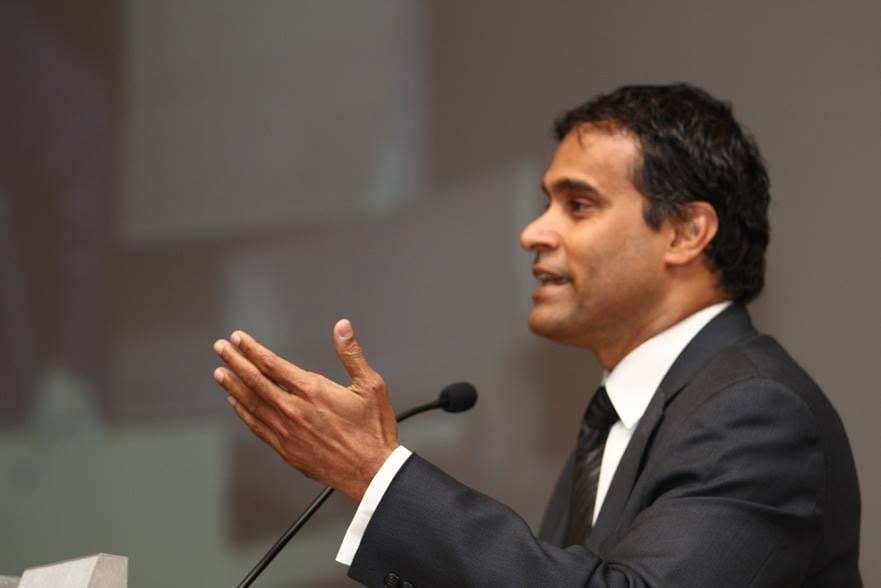
It almost went unnoticed. At a closed-door summit in Hyderabad in April 2024, Ramalinga Raju delivered the closing remarks at the Brane Transformation Partners Summit.
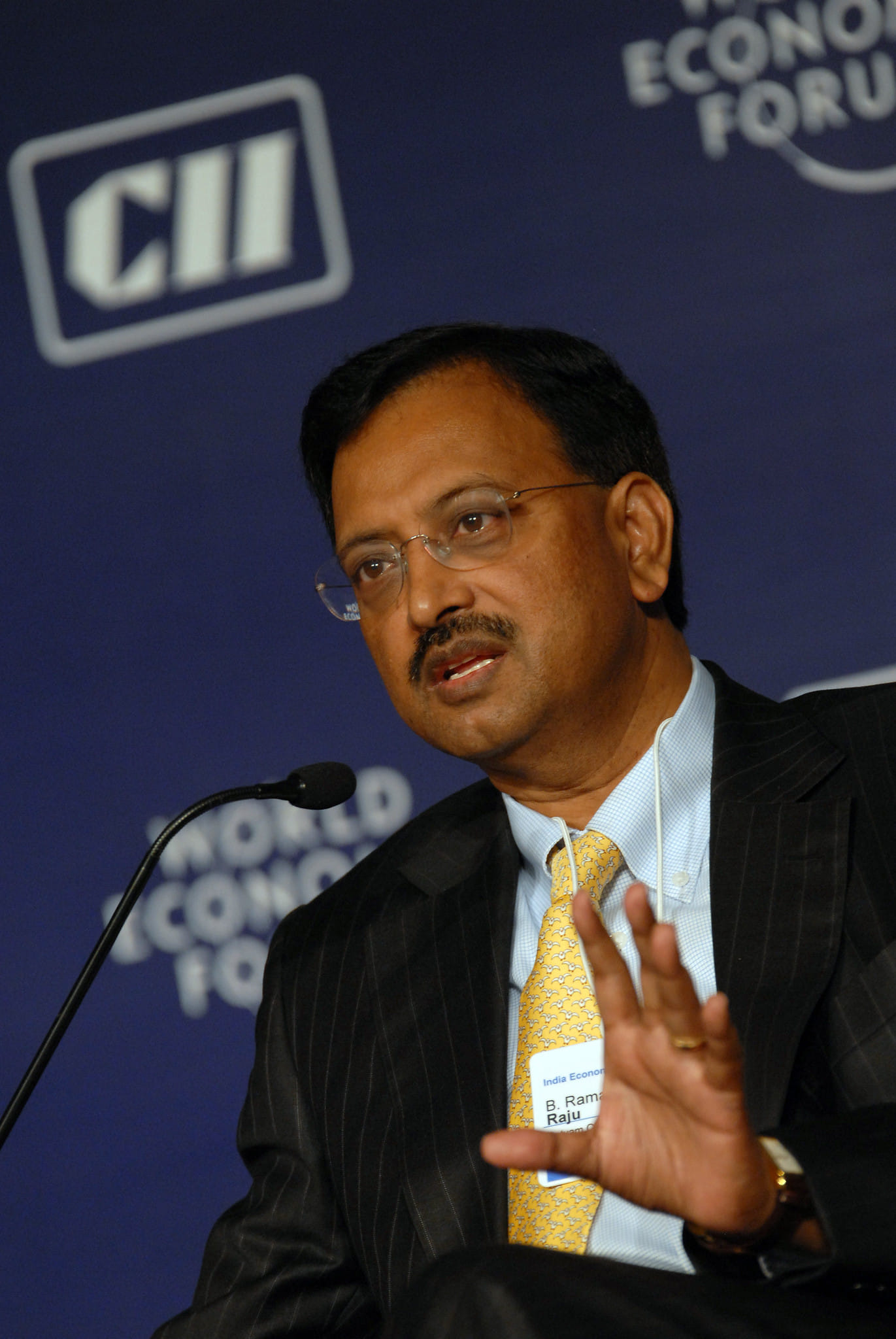
In the few hazy images available, Raju looks far removed from the suave, black-haired man who once shared a stage with Bill Clinton in Hyderabad. His hair is all salt, no pepper. Dressed in a buttoned-down white shirt and a dark blazer, he looks almost like a physics professor, one hand raised mid-explanation before the crowd.
There was no media splash at the time. The appearance surfaced months later, when reports about unpaid salaries and tax violations at Brane began to emerge.
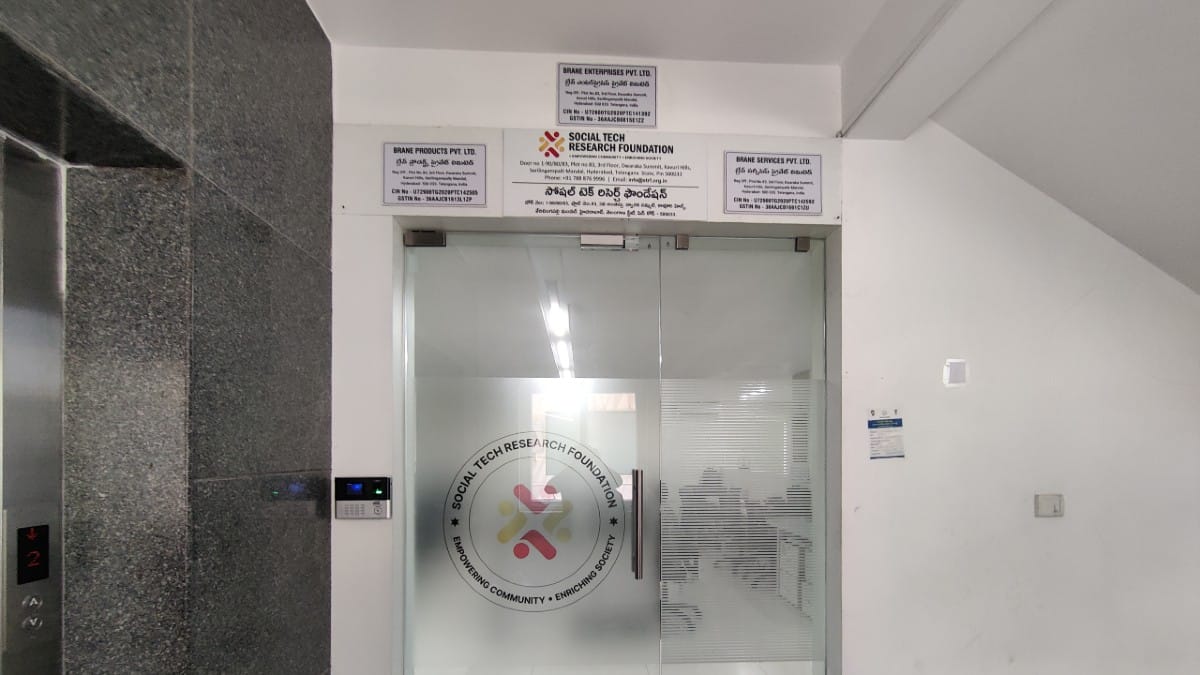
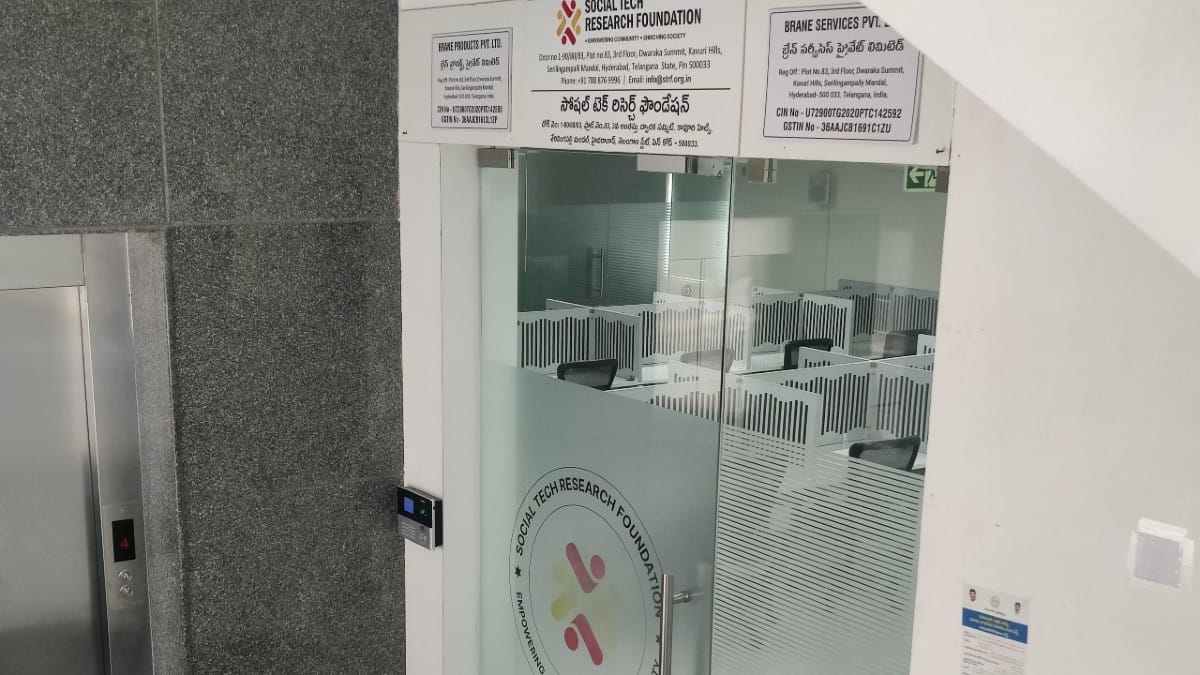
The summit brought to the fore Raju’s position as chief mentor to Brane, a little-known venture linked to his family. It also has a CSR arm, Social Tech Research Foundation, which has made a concerted effort to stay out of the public eye.
At the small Banjara Hills office shared by Brane Enterprises and Social Tech Research Foundation, there are fewer people on the floor than the building elevator can hold.
“No one from Brane sits here,” said a Social Tech employee.
Brane, incorporated in 2017 as a limited liability partnership firm with Deepthi Byrraju and Rahul Raju Byrraju, Ramalinga’s niece and nephew, as investors, defines itself as a “no-code platform designed to help enterprises build, deploy and modernise their enterprise solutions in the shortest, fastest and most cost-optimised manner”.
The little-known company came under the spotlight only months after the April 2024 summit when various media outlets reported employee allegations of unpaid salaries amounting to over Rs 17.5 crore. In a LinkedIn post, Rajya Sabha MP Praveen Chakravarty called Brane “an ‘AI’ startup by Ramalinga Raju of Satyam fame” and alleged that it had hired 3,000 graduates from elite colleges to impress potential investors, only to later fire them and stop paying salaries. He said he chaired a public hearing for the employees and that Telangana IT minister D. Sridhar Babu had promised to intervene.
Now, its remaining employees have mostly been working from home, with the 2,300 square feet Banjara Hills office, leased over two years ago, populated largely by Social Tech employees.
Divya Byrraju, the Bharatanatyam dancer married to Raju’s elder son Teja, holds 99 per cent stake in the CSR arm, which says it uses Brane’s technology to “develop solutions for social good”.
However, for an entity claiming to be engaged in “maintenance of websites of other firms”, Social Tech does not have a website to call its own.
A former employee said the CSR vehicle works for the betterment of the Raju community, but refused to divulge any more details on the exact nature of the work. A source in the know claimed Social Tech is working on one of Raju’s “pet projects”. What that ‘pet project’ is has spawned several whispered conspiracies in the city. But it is wrapped in a cloak of secrecy.
Back at Raju’s Jubilee Hills bungalow, the guard springs to attention at the sound of a car horn. A white SUV, its windows veiled, emerges from inside the bungalow and swishes past toward the metro line, disappearing into the Hyderabad sunset, away from the pink trumpet trees jutting out from the edge of the bungalow’s outer walls.
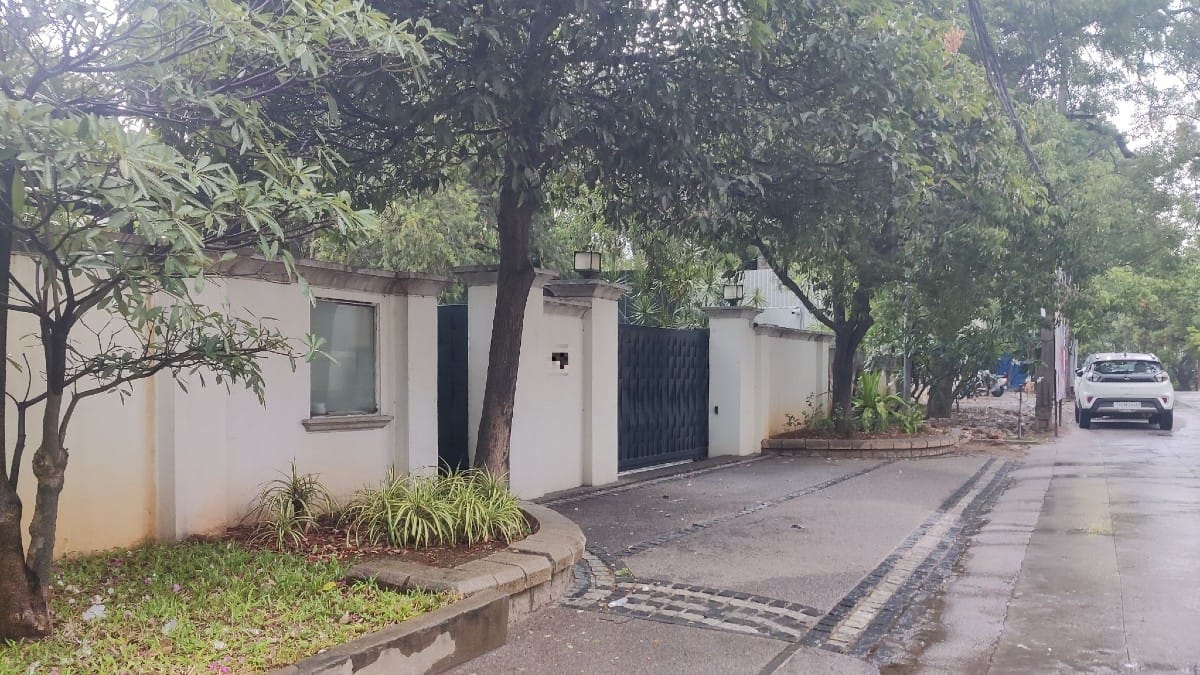
Outside the fortified cocoon, all that remains is the corporate lore of the IT Nizam and the billion-dollar “tiger” he described riding in his 2009 resignation letter — one he did not know how to get off “without being eaten”.
(Edited by Asavari Singh)