





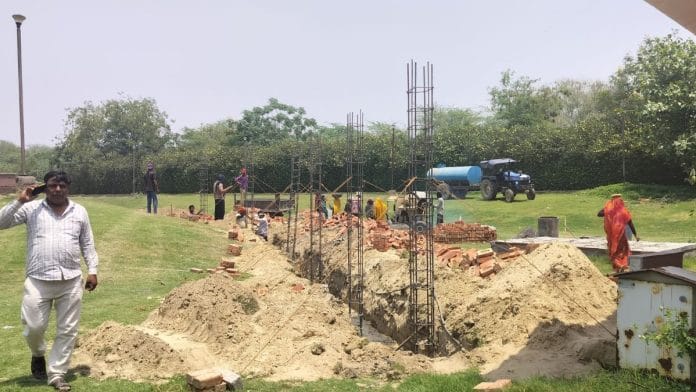

New Delhi/Noida: Noida is set to have a brand new deer park by December this year. The park in Sector 91 will house 87 deer inside specially designed enclosures, alongside a range of bird species. But just across the Yamuna, the city has a ready-made cautionary tale of what can happen when deer populations outgrow the habitats designed for them.
The Uttar Pradesh Horticulture department is projecting the new park as Noida’s first big biodiversity initiative, a space where residents can encounter wildlife without leaving the city and children can learn about animals they know only from storybooks.
“We want our children to learn about the creatures that caught the attention of Sita in the Ramayana,” Anand Mohan Singh, director of the Noida Horticulture Department, told ThePrint, alluding to the magical, golden deer that captivated Sita in the Hindu epic.
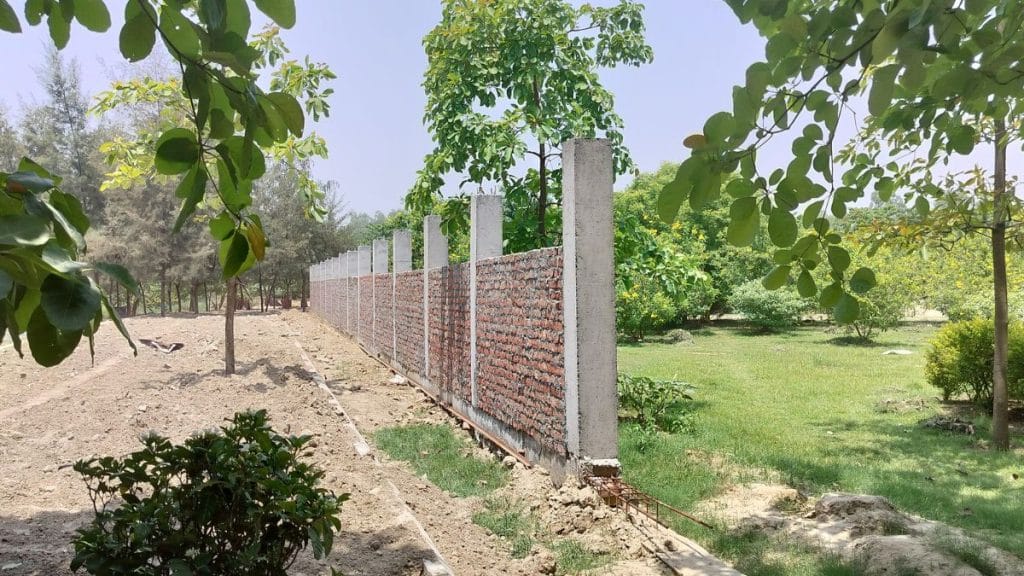
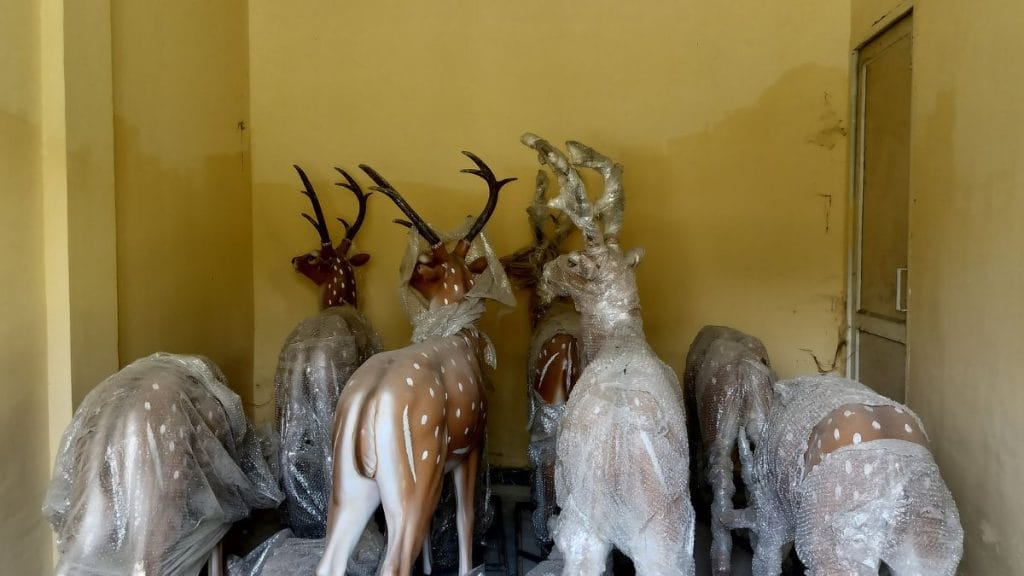
The construction of the park’s boundary wall began at the end of May after the project received approval from the Central Zoo Authority in September last year. The nearly 32-acre park will house nine different deer species including spotted deer, sambar deer, hog deer and mouse deer brought in from zoos across India. Authorities also plan to bring in African antelopes and wildebeest.
But conservationists and wildlife experts say the project is reviving a debate that Delhi has spent years wrestling with: how many deer can an urban park realistically sustain before conservation becomes containment?
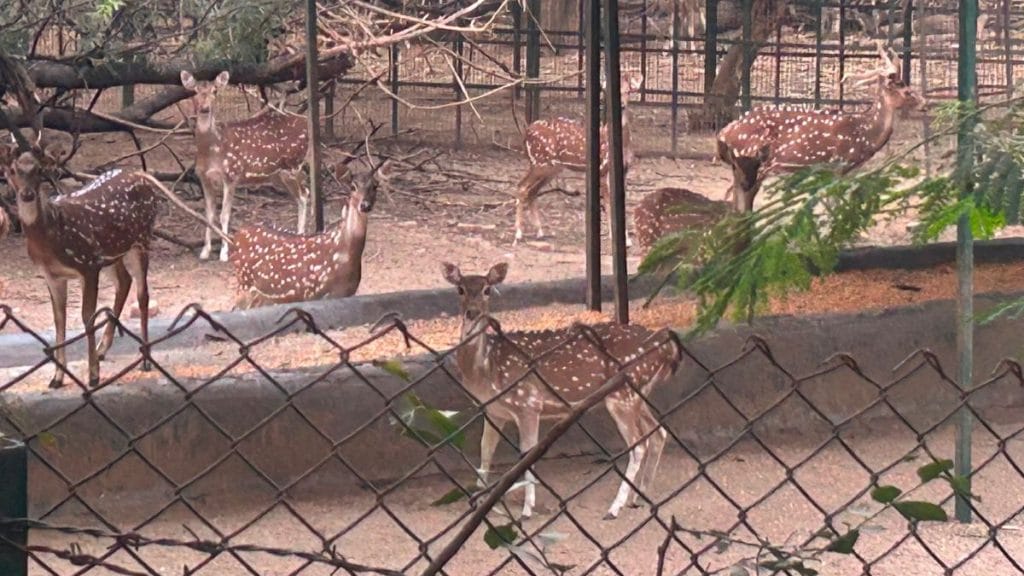
Just 26 km away, the AN Jha deer park in Hauz Khas has a long-standing crisis. Plagued by overpopulation, over-grazed land, and sick deer, the Hauz Khas deer park turned into a problem that the Supreme Court, activists, the zoo authority, and a specially empowered committee had to put their heads together to resolve.
The Supreme Court, in April, had to step in after the park’s population swelled significantly, sparking concerns over ecology, overcrowding and animal welfare.
At the Noida park, the curated nine enclosures for the deer have been allotted roughly 7 acres of space. To put the numbers in perspective, the Supreme Court said that only 38 deer will be allowed to remain in the 11-acre land at Delhi’s deer park.
“Population control and translocation was a failure (at the Delhi deer park), but the deer park itself was a great initiative,” said environmentalist and conservationist Vikrant Tongad. “We are hoping that we manage the new park better than the Delhi authorities.”
Success to crisis
The crisis at Hauz Khas’ deer park was not triggered by predators, disease or poaching. It was triggered by success.
The park was first inaugurated in 1968 with just six deer, but that population grew to over 500 in the past few years. When the issue reached the Supreme Court, the court endorsed a plan for a “scientifically managed translocation of captive-managed spoiled deer to ecologically suitable wild landscapes”. But no exact locations were recommended for the relocation, and even over a month after the case concluded, no action has been taken.
One of the strongest critics of the relocation plan was Verhaen Khanna, founder of the New Delhi Nature Society, and lead petitioner in the Supreme Court case against the Director Horticulture, Delhi Development Authority (DDA) and others.
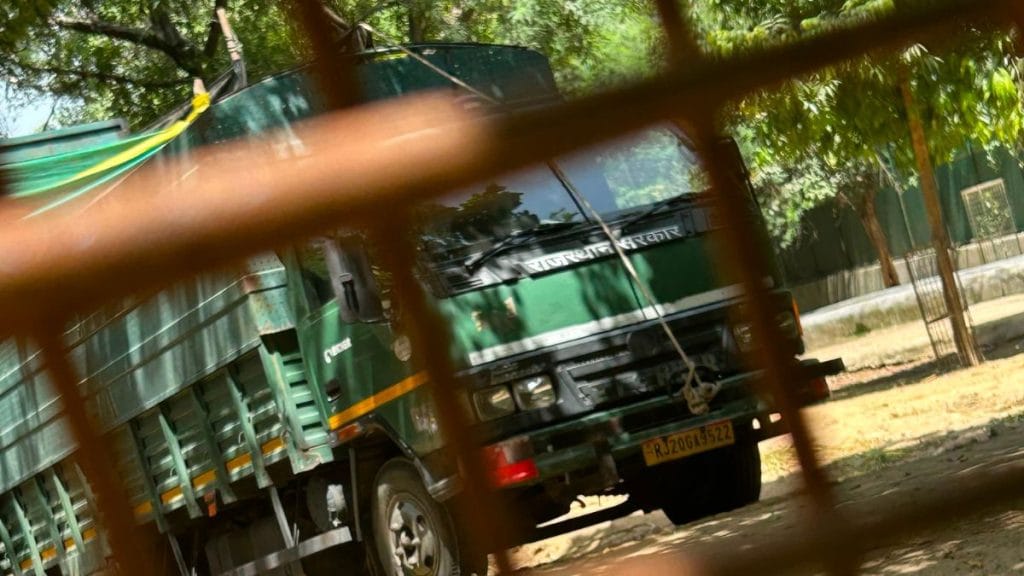
When Khanna hears ‘deer relocation’ he is reminded of the last time deer were moved from the AN Jha Deer Park to Ramgarh Vishdhari and Mukundara Hills Tiger Reserves in Rajasthan. He alleges the deer were packed into crowded trucks and shipped off without the proper guidelines. The CZA, too, in court documents admitted that the relocation was not done properly.
“There are a plethora of wildlife protection laws in India which have been defied by the DDA,” Khanna’s legal representative, Advocate Amita Singh, wrote in an affidavit filed before the Supreme Court on 23 March.
When Khanna and officials went for an inspection after the first relocation, he found basic facilities lacking. Water sources were located far from the deer enclosures, staff was inadequate and the deer had not been tagged yet.
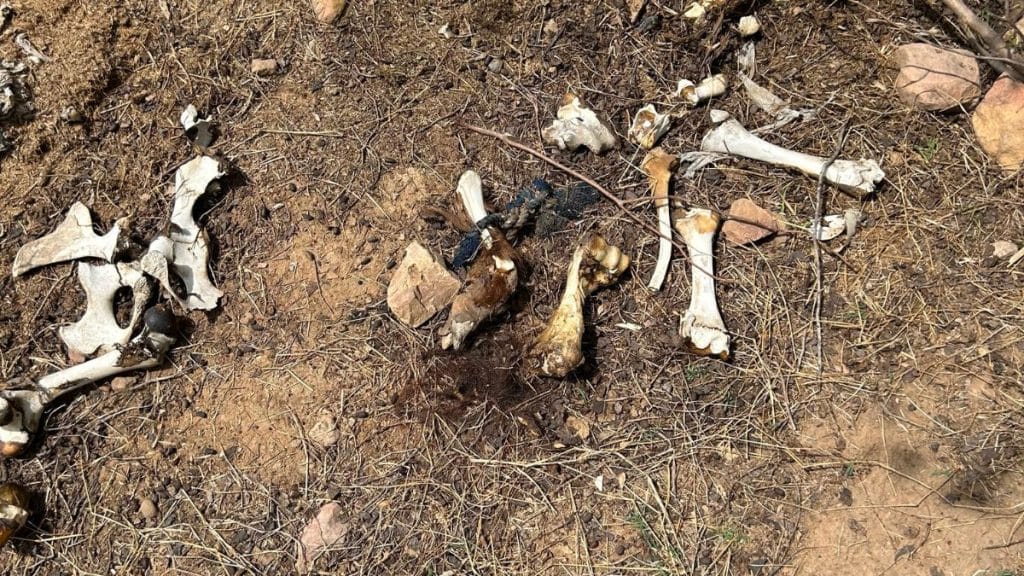
“We found a deer leg bone with a rope around it, and the other end tied to a tree nearby, as if the deer had been kept tied up as prey,” Khanna recalled.
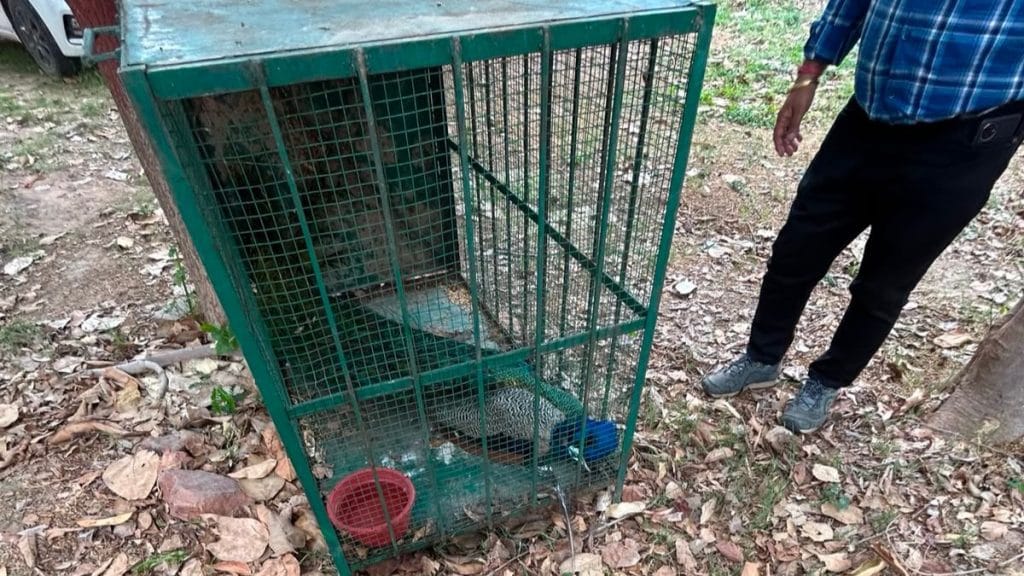
Khanna said they even found a peacock in a cage at the forest department office which, according to the staff, was alive and treated by a vet but after a closer inspection it was found to be dead. There were no details of any vet or any treatment administered.
But the relocation process is not a cakewalk.
Pawan Pilania, deputy director of the Delhi horticulture department explained that it is hard to find “ready-to-receive” habitats for deer.
“The deer at the AN Jha Park have been raised in captivity and lack exposure to diverse forest ecosystems,” he said. “If they are abruptly relocated, that would be detrimental to their survival.”
Can Noida avoid the same fate?
Strip away the legal battles and expert reports, and the problem comes down to a simple ecological reality: deer reproduce quickly, but urban parks do not expand.
But Noida officials insist they can solve the population problem.
The Centrally Empowered Committee that looked into the AN Jha deer park concluded that only 38 could remain in the 11-acre enclosure. But forest experts that vetted the Noida deer park plan, say that having 87 deer in a smaller enclosure is unlikely to lead to a population problem.
“Experts always say different things. Why will overpopulation become a problem? We will be careful,” Anand Mohan Singh said. “We will separate the males and the females during reproductive seasons. We will have scientists and doctors here too, so population control measures will be taken care of.”
Not everyone is convinced.
Vivek Choudhary, a scientist in-charge of the Tughlaquabad Biodiversity Park argues that managing deer populations inside confined urban spaces is rarely as straightforward as planners imagine.
“Captive conditions alter metabolic regulation, immune function, and reproductive patterns of wildlife animals. In such cases, many animals become permanent breeders instead of seasonal breeders,” he said. “If you have a small area, you should not keep animals with such a high breeding rate.”
Globally, some of the most successful deer habitats, such as Richmond Park in London and Nara Park in Japan, function on a vastly different scale, allowing animals to roam across thousands of acres rather than within carefully curated enclosures.
While overpopulation itself is a concern, one of its lesser highlighted effects is the way it impacts the ecology of an area.
The grass beneath the story
Deer may be the headline attraction, but grass is the real protagonist. Without healthy grasslands, every deer park eventually becomes an exercise in ecological accounting.
“I have seen the area of the Hauz Khas deer park. There are no grasses, and whatever grass is there, it is all dried up. There is no regeneration either,” said environmentalist CR Babu.
To create a space for deer to survive, grasslands are a key, and as of now, Delhi’s grasslands are far from enough.
Other than the lack of proper grass for deer, Delhi is also plagued by Prosopis julifera, an invasive, drought resilient shrub or tree found in Mexico. Prosopis julifera was first brought into India during colonial rule so that arid regions like Rajasthan could fight off desertification and also have a reliable source of fuel. But when the shrub spread unchecked, it began eating into the natural biodiversity of a region. Experts warn that Prosopis julifera can even ‘poison’ the soil with chemicals making it impossible for other grasses to survive.
“There is nothing different here, in fact compared to the Hauz Khas deer park the state of the grass here is just worse,” environmentalist and conservationist Vikrant Tongad told ThePrint.
Tongad hopes that the Noida authorities will manage to preserve the ecological landscape of the new deer park better than the Delhi authorities, but his faith in the Noida Horticulture Department is uncertain.
He explains that even among the green belts that have so far been developed, he sees a lack of scientific temperament. There are very few water bodies in the green belts, and even though over 20 crore trees were planted across Noida, in several places the authorities failed to diversify the kind of plants.
“Around sector 123, there is a 2-3km long green belt that has just neem trees. Neem is a great plant, but if one of them catches a disease, the entire belt will suffer,” Tongad said.
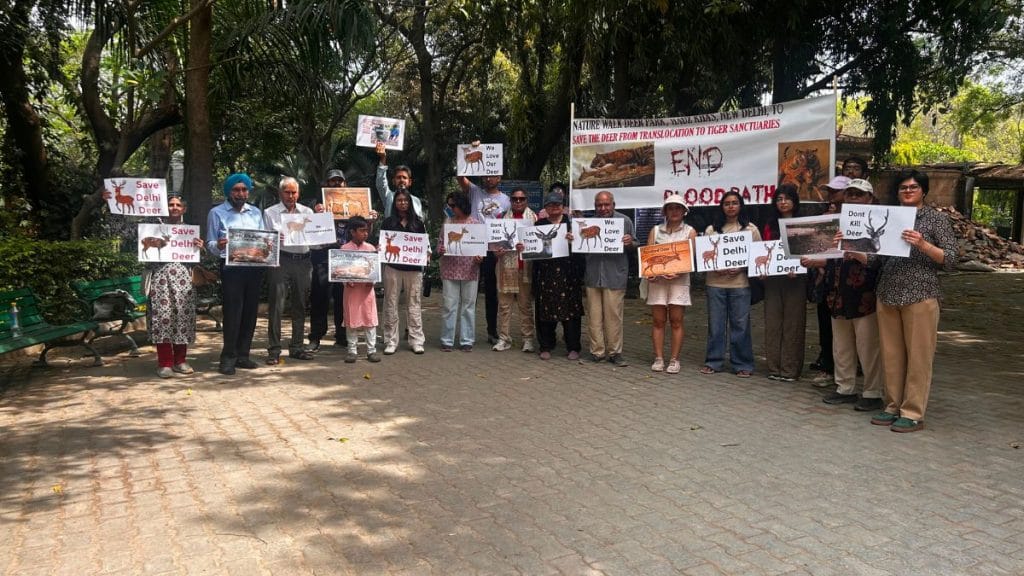
Several residents have also complained against the whirlwind construction, generating massive amounts of dust in the area. Visitors of the Hauz Khas deer park also protested in April against the relocation of deer from the park.
Will history repeat itself?
Few environmentalists oppose the deer park outright.
“Banana to hai, banega. It must be made, it will be made,” Tongad said with a shrug.
The intention, he added, is largely seen as positive. The concern lies in execution.
For Choudhary, the lesson from Hauz Khas is straightforward.
“If you want to have deer, you have to have the proper habitat, the space for them to run, and grasslands. If you want to have any animal in a space, you have to have a proper food chain, competitors, so that they can maintain the populations,” said Choudhary. “Biology looks simple, but it is very complicated.”
As Delhi searches for destinations willing to accept hundreds of deer that no longer fit inside its own deer park, Noida is preparing to import dozens more.
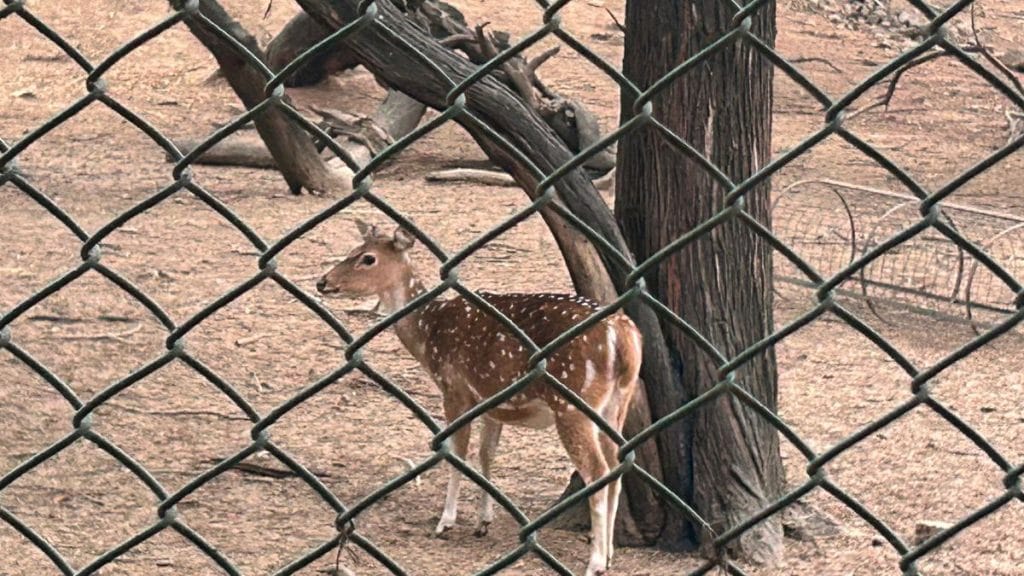
In cases when such self-sustaining ecosystems are not built, the balance of nature is disturbed, and human intervention becomes more and more necessary whether it be for population control or repairing the ecology. The Hauz Khas deer park is a prime example of such a space.
After the Supreme court’s verdict, Khanna tried contacting the Noida Biodiversity Park authorities to request them if they could take some of the deer from the Hauz Khas deer park. The proposal went nowhere.
Also Read: Kuno Cheetahs tranquilised 110 times in first two years of project, shows inspection report
“Most of the deer at Hauz Khas have tuberculosis. They would never even pass the required medical tests to be shifted to an upcoming deer park,” said a wildlife expert, requesting anonymity.
Trucks carrying 87 deer from Kanpur, Hyderabad and Lucknow zoos are expected to arrive in Noida over the coming months. The promise from officials is simple: they will not repeat Delhi’s mistakes.
(Edited by Stela Dey)