





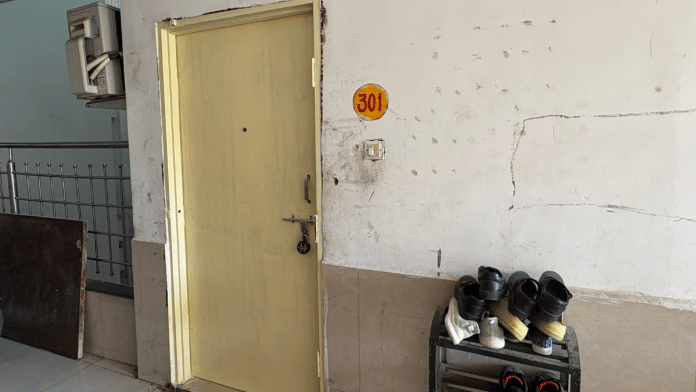



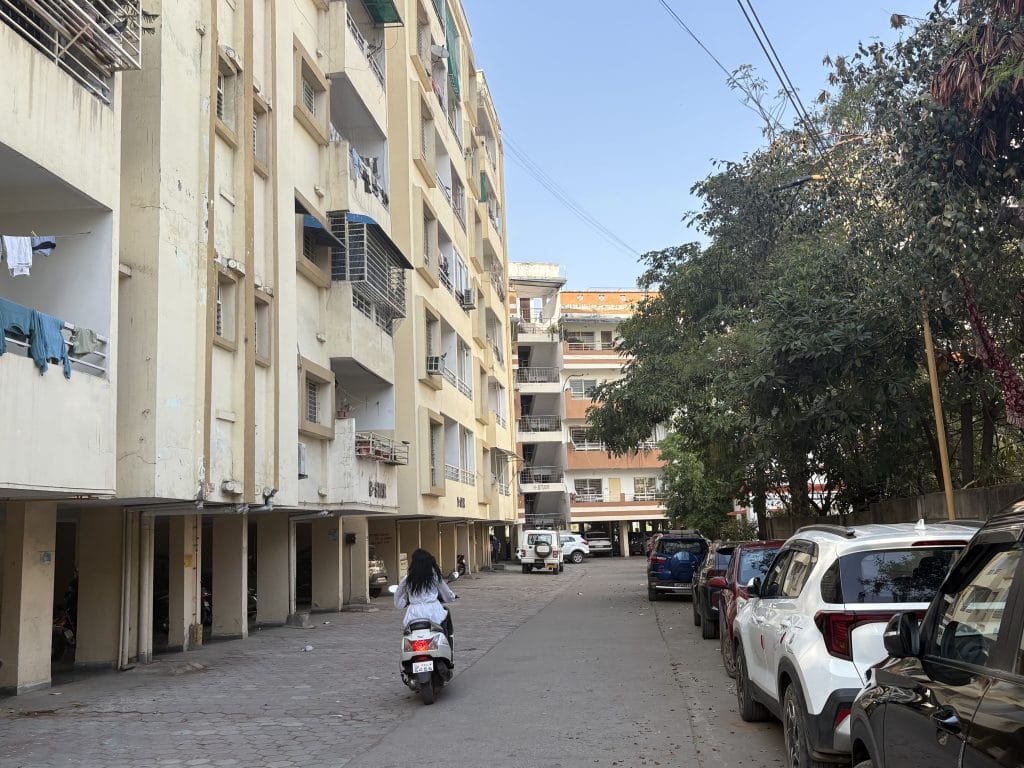
Bhopal: Sleepy Bhopal is now abuzz with a crime drama that is straight out of a Manohar Kahaniyan series. People can’t stop dissecting how two Muslim women lured several young women from poor families with the promise of jobs, and then forced them into a sex racket with strange men. Flat 301 in Bhopal’s Sagar Royal Villas complex has become a sight of fear for residents of the housing society.
From rickshaw drivers to paan shop owners, almost everyone in the city is talking about the case. The promised jobs were made as seductive as possible — Rs 10,000 a month, free accommodation, and a glamorous life. But it soon turned out to be a trap for young women with little means and no steady income.
The fact that the two perpetrators in question were burqa-wearing Muslim women has added fuel to the fire, with many wild stories stoking Hindu anxieties about forced conversions, so-called ‘love jihad’, and Islamist politics. Bajrang Dal is amplifying the ‘forced conversion’ claims even as the Bhopal police haven’t corroborated it.
Inside the housing complex, women and their daughters now gather in a flat to share theories, rumours, and WhatsApp updates, while worrying about their children. They are unable to look away from the dark story surrounding Flat 301. They exchanges messages containing links to YouTube stories of uploaders with a few thousand followers who have jumped into the case as an opportunity to boost subscribers, running videos with inflammatory titles such as “Roommate got her brother to rape a beautician”. Others are drawing parallels with “The Kerala Story 2” film widely perceived as propaganda. Several more are running wild with narratives about what was going on inside the flat: “Hindu ladkiyon ko Muslim bana kar jihadi behnon ne kama liye crores”; “Reel ke peeche real crime, do behnon ki ghinauni kartoot.” Some are calling it a “perfect” plot line for Anurag Kashyap’s next film.
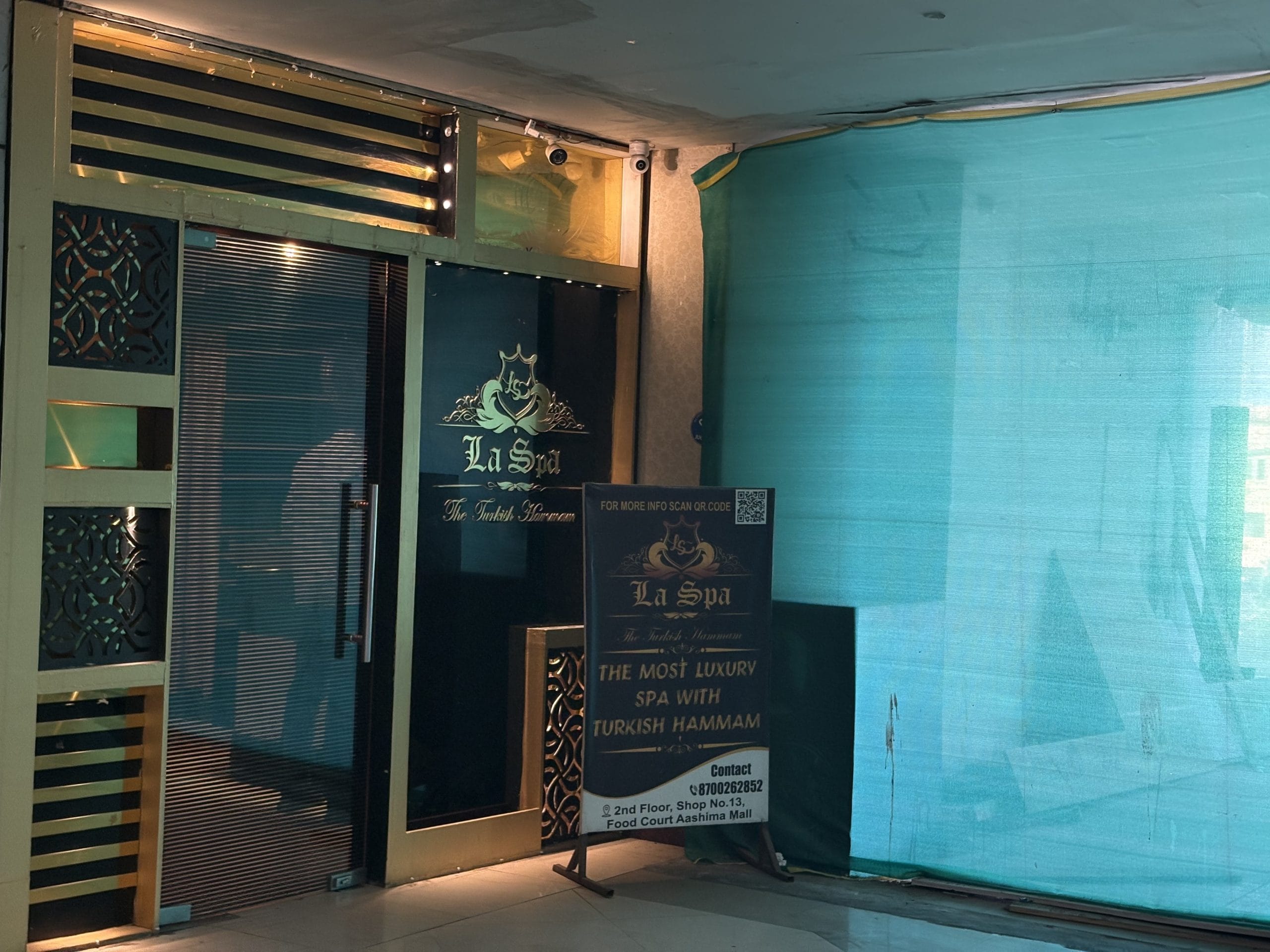
The case drew widespread attention in the beginning, but police and media interest has since waned. Local newspapers initially ran wild stories about “love jihad” and Muslim women running sex racket — “spa centre ke aad mein deh vyapar (sex trade under the guise of a spa centre)”, but have stopped the follow-up coverage. The police investigation too tracked the Bhopal to Ahmedabad connection, but is now stuck at “accused are absconding” status.
At the centre of it are two burqa-clad sisters, who reportedly were the only Muslim family in the housing complex.
“Amreen and Afreen never spoke to anyone, and there were people regularly visiting their house,” said Sangeeta, showing her guest the infamous Flat 301 from her balcony. “They all wore burqas, and sometimes we could hear loud arguments. Who would have thought all this was going on inside?”
Two victims, aged 21 and 32 Mungeli district in Chhattisgarh and Hoshangabad in Madhya Pradesh, filed an FIR under BNS Sections 64 (rape), 123 (administering drugs), 351 (criminal intimidation) and Madhya Pradesh’s anti-conversion law on 22 February. Amreen, Afreen, and their associate Chandan Yadav have been arrested. The victims alleged that they were trapped, threatened, drugged and repeatedly raped by several men, including absconding accused Bilal, Chanu, and Yasir.
“I wanted to just leave everything and run away with my daughter, but I feared what they might do to my mother,” said the 32-year-old, now back home in Hoshangabad (Narmadapuram).
Also Read: Uttarakhand hotels are turning away interfaith couples. Their fear—raids by ‘love jihad’ vigilantes
Shifting narratives
The fight has now shifted to controlling the narrative. Multiple versions of the story have emerged, each with its own perspective, and yet, no single account seems complete.
The victims, who have the support of the Bajrang Dal, alleged that they were forced to wear burkhas, eat beef, and study Islamic texts — familiar claims to those seen in other love jihad cases and more recently in the film The Kerala Story 2 (2026).
The local police, however, see little evidence to back these allegations. Police officials said that they aren’t even confident in calling it a “sex racket”, as no other women have come forward in the investigation so far.
With Amreen, Afreen, and Chandan behind bars, and their families missing, the accused’s side of events has got accessorised with many unverifiable details. Many suggest that this could simply be the story of vulnerable women from troubled families trying to make a living, rather than part of a larger conspiracy.
“We haven’t found evidence suggesting the involvement of influential people, politicians, or white-collar workers. We are not ruling out the possibility of sexual abuse or forced conversions, but it’s possible that while the victims may have been initially exploited, over time, they began working together. This doesn’t fit the classic pattern of ‘love jihad’, though there are signs the victims may have been pressured to adopt certain practices, like wearing a burqa,” a senior police officer, speaking on condition of anonymity, told ThePrint.
What happened at Flat 301
Outside the Bag Sevania Police Station, the 32-year-old victim stood in tears. Her head was covered with a dupatta, a mask hid her face, leaving only her large, round eyes and a black bindi visible.
She said the FIR was filed after long hours of despair and hopelessness.
“But when I saw my daughter, I knew I couldn’t let this happen to her — or to any young girl. Seeing her face gave me the strength to fight,” she said.
She first arrived in Bhopal looking for work in 2023. Event management, stitching, and daily wage labour – she was ready for anything as long as she was able to send some money home.
In Hoshangabad, her mother worked as a labourer; her father had died years ago. Her brother drove a bus. She had three children from a previous marriage— two daughters and a son, all under the age of 10. She needed a steady income.
Within weeks of reaching Bhopal, she said she met Amreen at the Ashima Mall.
“I had come to the mall with my aunt’s daughter. She knew Amreen, who stopped and complimented my eyes. Later, she said that if I ever needed work, I could come to her,” she recalled.
A few days later, she began working at Amreen’s flat in Sagar Villas Complex as a domestic worker and nanny to her daughter, who was in Class 3 at the time. The salary was Rs 10,000 a month, and she eventually moved in.
For the first three months, she said her job was limited to cleaning the house and tending to the child. Amreen was living there with her boyfriend, Chandan. But she recalled sensing that something was unusual as Amreen would frequently attend late-night parties, carry small white packets and return home intoxicated.
“When I asked what they were, she said that I was too naive to understand,” the victim added, claiming they were drugs.
The police, however, did not find any narcotics in the house.
Also Read: A day with the Dehradun women who sprayed anti-Muslim graffiti. They are also Meerut stars
About two months after she started working there, Amreen took her to her third sister’s home. She was told there was a party and she would only have to help with the cooking and cleaning. At the party, she met Jamal, Amreen’s sister’s husband.
“I was made to drink orange juice again and again. After that, I lost consciousness. In that state, Jamaal and three or four of his friends raped me,” she alleged.
She said that Amreen and Chandan recorded videos and took photographs, which they later used to threaten her.
She also accused Chandan of harassing her. And when she confronted Amreen, she said there was a ‘fake’ fight between Amreen and Chandan, who then left the house in a fit of rage. Later, Amreen took her to Chandan’s sister’s home to persuade him to return.
She said Chadan told Amreen that if she didn’t listen to him, he would “kill myself and expose all her secrets.” She alleged that he then raped her later that day.
Also Read: Assam went to war on Kaziranga poachers. Rhinos are winning
The second victim
For nearly a year, she claims, the abuse continued. She would sometimes return to her mother’s house for 15 to 20 days. At one point, she stayed home for two to three months. During that time, she said, Amreen lured in two younger girls who went through similar abuse. She claimed it was part of a larger network involving spa owners, where photos of women were shared, and clients chose from them.
When she finally returned to Bhopal, Amreen allegedly threatened her.
In December 2025, she decided to leave, regardless of the consequences.
A few days later, another victim and the second complainant in the case contacted her via Instagram. The two soon realised they had suffered similar fates at Flat 301.
She said that they first approached the Misrod Police Station but were discouraged. “We were told that if it turned out we had worked with them, we could be jailed,” she said.
With no immediate action from the authorities, they returned home feeling helpless.
Yet, she said, staying silent was not an option. In January 2026, they turned to the Bajrang Dal, the youth wing of the right-wing Vishva Hindu Parishad (VHP), and filed a written complaint at the Bag Sevania Police Station. She said that her statement was recorded multiple times before the FIR was finally registered.
Also Read: After ‘no blanket to Muslims’, something shifted in Rajasthan village. ‘Now we have to be wary’
Two sisters from slums
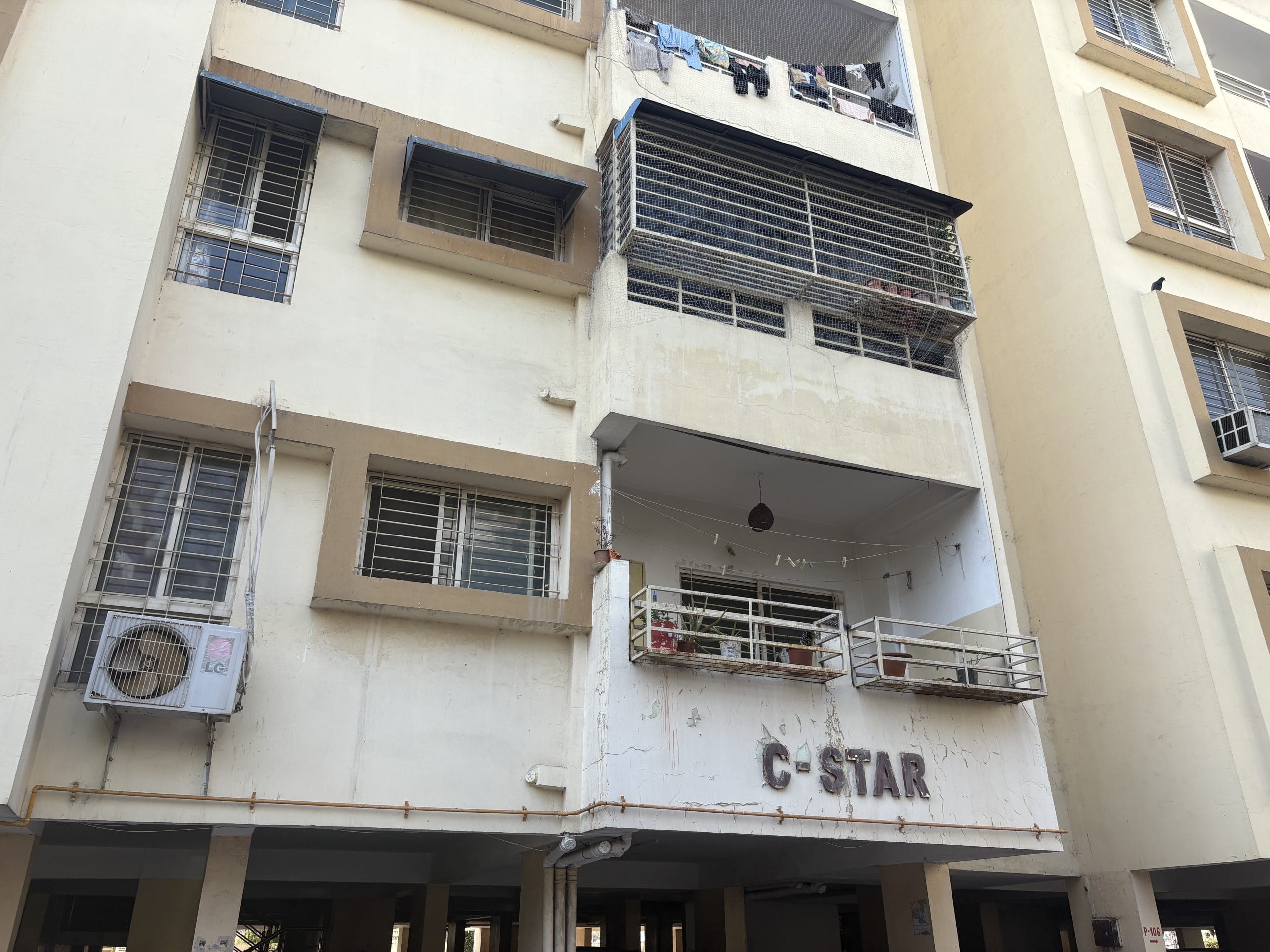
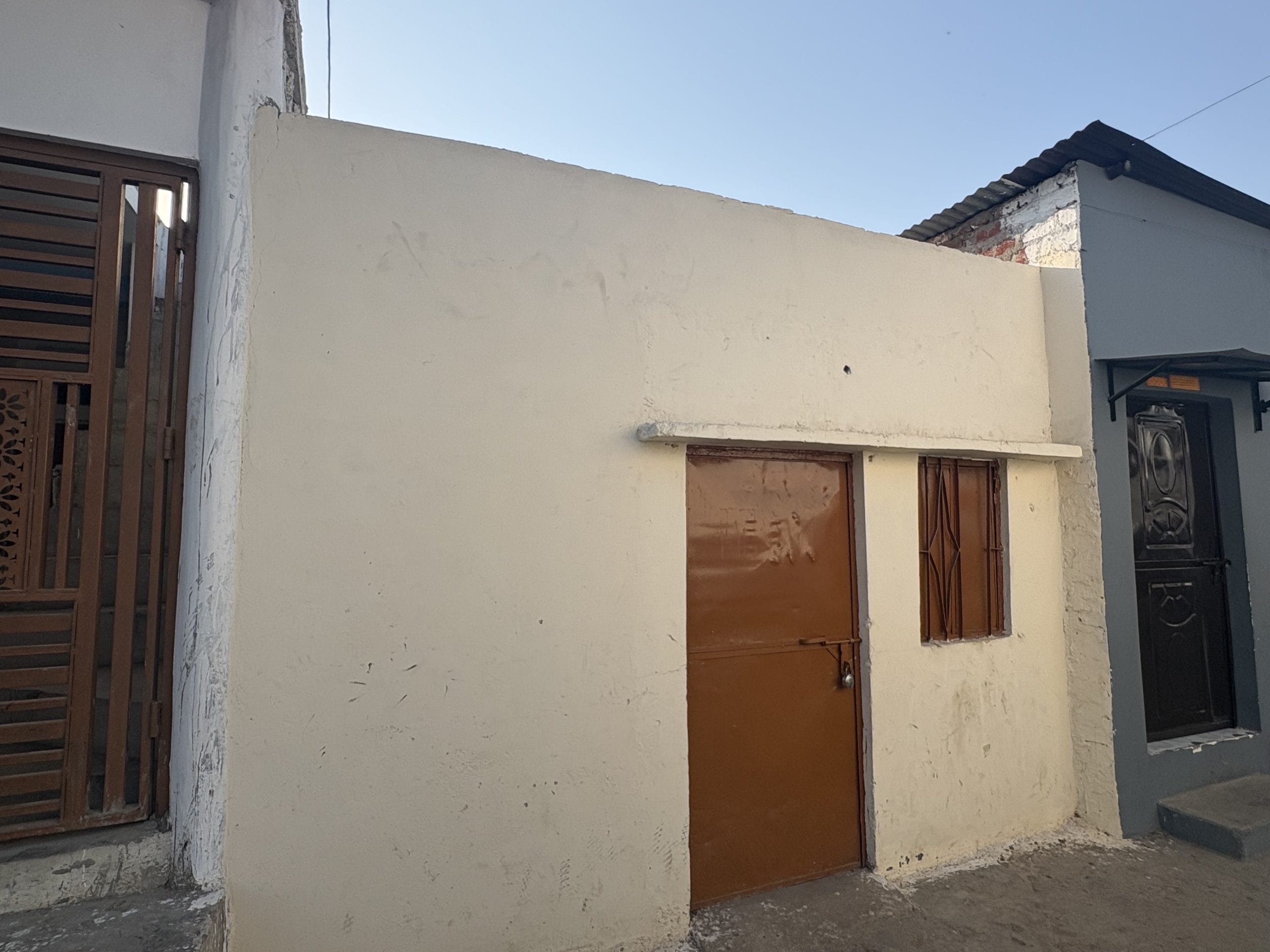
Amreen and Afreen once lived in the slums of Abbas Nagar before moving to the more upscale Sagar Villas Complex in Bhopal. Even days after the case came to light, little is clearly known about their lives.
Police said the sisters were likely educated only up to Class 12, but one of the victims said otherwise. “Their English was very good. It felt like both of them had gone to college. I would even tell them to teach me English,” she said.
The sisters grew up in a broken household. Their father died when they were still teenagers, and they were forced to shoulder the financial burden that came with it.
According to police sources and local accounts, they entered sex work soon after turning 18 and started working at one of the 21 spas in Ashima Mall.
Residents of Sagar Villas said they would occasionally see Amreen at the mall. “We would see her in the food court area many times. She would just say that she worked there,” said one resident of the complex.
Over the years, their personal lives also took complicated turns.
Amreen married a man named Deepak Gupta. According to the police, he later started practising Islam and changed his name to Ayaan Khan. The couple have a nine-year-old daughter together. Their marriage, however, did not last. One of the victims claimed that Deepak disapproved of Amreen’s work and sometimes assaulted her. Eventually, they separated.
Afreen, too had a troubled marriage. She was married in Ahmedabad and has a nine-year-old daughter from that relationship. She is also now divorced.
Around four years ago, when Amreen moved into Sagar Villas, she began living with Chandan Yadav. For nearly three years, the two were together before they eventually separated. Chandan, the police said, worked as a manager at the Holistic Spa Centre inside Ashima Mall.
In the building, neighbours remember her as stylish, often with straightened, bleached hair. Some assumed she worked at a salon or beauty parlour and would casually ask her about it. She always denied it.
“She would never even take the lift with us. She always avoided talking to people,” said Sangeeta, now sitting in her flat stunned at what might have been happening in that apartment.
Her teenage daughter recalled Amreen’s young child roaming around the building most days. She would move people’s things around, ring doorbells and run away, always seen roaming outside.
Sometimes, the girl would insist on going to neighbours’ homes.
“She would insist that we take her home with us. We would refuse, but many times she would still come along,” the daughter said.
Looking back, Sangeeta said the child’s behaviour now made more sense to her. “She was alone… maybe lonely. Or maybe scared of the shouting and fights the immediate neighbours often complained about,” she said. “No child deserves that.”
The victims have also alleged that Amreen’s mother was aware of what was happening. According to them, she sometimes spoke to men herself and sent photos of her daughters to lure clients and arrange meetings.
“Many girls come to big cities from small towns in search of work. Some leave deeply abusive homes hoping they can find a job and build a life of their own. Even Rs 50,000 of a big city isn’t worth it,” the 32-year-old victim said. “The glamour of big cities is a facade.”
(Edited by Prashant Dixit)
Such lame reportage – seems like ThePrint’s repeated claims of ‘un-hyphenated journalism’ is just window-dressing.
People like Sakshi Mehra are quite clearly ideologically motivated activists. Their interpretations of events and facts, the wording of their articles give it away. They are just interested in furthering their own agenda and propaganda – not represent the on-ground realities and truth.
Ms. Sakshi Mehra is following in the hallowed footsteps of Shivam Vij, Ananya Bharadwaj and Ishadrita Lahiri. One can clearly see her own biases – both anti-Hindutva and pro-Islamist – oozing out of every line of this reportage as well as her earlier reports. She tries her level best to discredit the allegations of the victims while attempting to exonerate the accused of all charges.
Outlets like the BBC, DW and others must be waiting in a line to lap up someone like her.