






New Delhi: For generations, diamonds have been closely tied to proposals, weddings and symbols of lasting commitment or love. But that is no longer the case; more women are now buying diamonds for themselves.
This turn has changed diamonds from being a symbol of romance into a symbol of personal achievement. This drive is partially due to the growing availability of lab-grown diamonds, which are substantially cheaper than mined ones.
Speaking to the Financial Times, Alexis Nasard, chief executive officer of Swarovski, said that lab-grown stones have “enabled self-purchase for women”, unlike traditional diamonds, which were often bought by men as engagement rings.
“Today, a woman comes into our store. She sees it. She’s beautiful. She tries it and says, ‘You know what? Let me get it (for) myself. I’ve earned this,’” Nasard said, describing the trend as “endearing and encouraging”.
The trend comes as lab-grown diamonds become more accessible. The FT report, citing Nasard, stated that more than 60 per cent of stones in diamond engagement rings sold across the United States are now lab-grown.
The Swarovski CEO also predicted that figure could reach 80 per cent within the next two years.
Industry estimates cited by the newspaper put lab-grown stones at about a fifth of the global diamond jewellery market.
Prices have fallen sharply as production has expanded. The report further added that the world’s leading diamond company, De Beers, has put the average wholesale price of synthetic diamonds at about $100 a carat, down 93 per cent since 2020. According to an IDEX report, Toranj Mehta, vice president of marketing at De Beers India, said that about 64 per cent of women in India now buy diamonds for themselves, and over half of all diamond purchases are by the under-40s.
Natural stones, meanwhile, remain far more expensive at the wholesale level. But the affordability of lab-grown diamonds is helping take diamonds beyond the engagement-ring market.
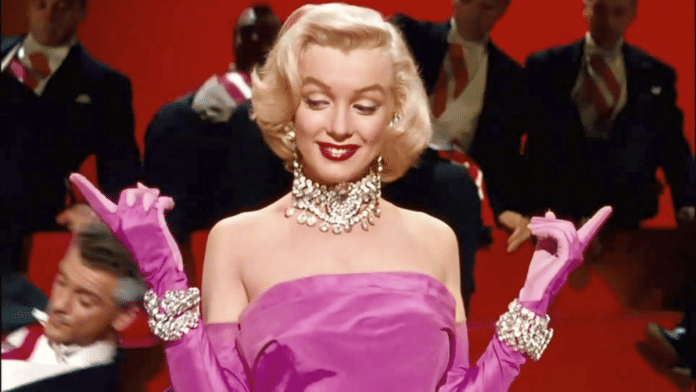
Diamonds are a girls’ best friend
Vogue India recently profiled women purchasing jewellery with their own money, often to mark milestones unrelated to marriage. Vogue also reported that women are increasingly looking for pieces that can be worn regularly rather than kept away as occasional or inherited jewellery.
The shift is also reflected in industry research. According to the State of Fashion 2026 report by the Business of Fashion and McKinsey, 42 per cent of women are buying more jewellery for themselves than they were a few years ago.
Jewellery retailers are seeing the change in what women want to buy. Havisha Jeyachandran, founder of Alagi Jewels, told Vogue India that pieces priced below Rs 1 lakh, which are designed for everyday wear, were becoming common among women choosing gemstones. She added that some were even commissioning personalised jewellery to mark life transitions, including divorce.
The idea of women buying their own jewellery has been recognised by the diamond industry for years. A 2019 Diamond Insight report by De Beers, cited by Chase Bank, identified rising purchasing power among women as a growth opportunity, including women buying jewellery for themselves. Chase also reported that women who purchase their own rings, or contribute toward jointly purchased engagement rings, tend to spend more than when male partners pay.
The meaning attached to the diamond is changing alongside the buyer. Chase noted that women increasingly purchase jewellery to mark graduations, promotions, buying a home, launching a business or achieving financial independence. Right-hand diamond rings, sometimes called “power” rings, are being framed as symbols of independence rather than marriage.
For the jewellery industry, the shift represents more than a change in who pays. It is a change in what the diamond is for.
Once marketed overwhelmingly as a promise from one person to another, the stone is increasingly being bought as a personal marker and a celebration of earning, achieving and the freedom of choosing something for oneself.
(Edited by Insha Jalil Waziri)