



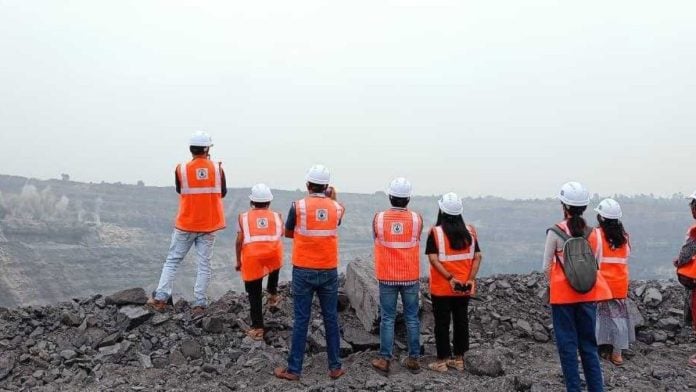
Ramgarh: At North Urimari, the road gives way to a vast, terraced coal pit. Smoke drifts across its dark slopes as water is sprayed to settle the dust. Trucks rumble past, while employees relay updates over walkie-talkies. This is no ordinary sightseeing stop. Urimari is where Jharkhand has opened an operating coal mine to tourists, in what the state describes as India’s first mining tourism initiative.
For visitors, the main draw is a close-up view of mining operations, from blasting to coal transportation. The experience, however, comes at a price: a guided trip from Ranchi costs Rs 2,500 per person, plus GST, and must be booked in advance.
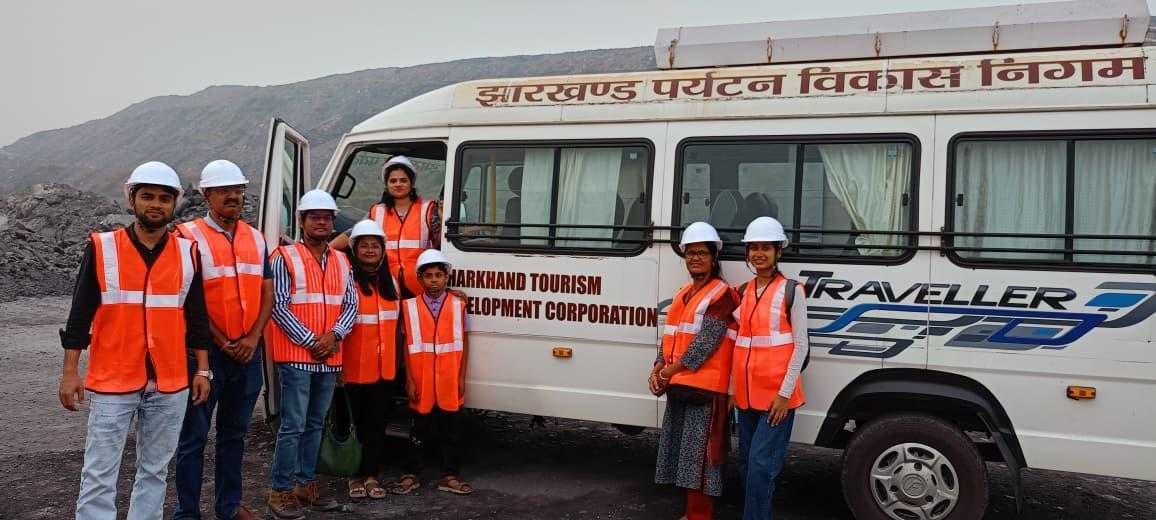
For decades, coal mines have conjured up images of towering machines, giant trucks hauling coal, workers in helmets and blasts that tear through the earth. For many Indians, this world has largely remained out of reach, glimpsed through films such as Kaala Patthar (1979), in which Amitabh Bachchan, Shashi Kapoor and Shatrughan Sinha portrayed coal miners. Now, for the first time, India’s coal mines are opening their doors to tourists, with Jharkhand leading the way.
Mining tourism has proved successful elsewhere: Poland’s Guido Coal Mine attracted around 2.5 lakh visitors in 2024. But Jharkhand’s North Urimari mine, opened to tourists in 2025, has seen only 12–13 visits, according to Jharkhand Tourism Development Corporation director Prem Ranjan, raising questions about publicity and awareness.
For the past few years, the Jharkhand government has been promoting tourism to position the state as a tourist destination. Domestic tourist visits to the state rose from 3.83 crore in 2022 to 3.58 crore in 2023, before jumping to 5.40 crore in 2024, according to the state’s Economic Survey 2025–26.
As part of its efforts to expand tourism, Jharkhand has partnered with coal companies to open up its mining industry to visitors. In July 2025, the Jharkhand Tourism Development Corporation signed a five-year agreement with Central Coalfields Limited (CCL) to start guided tours of the North Urimari open-cast coal mine in Ramgarh district. The state also expressed plans to develop another mining tourism circuit with Bharat Coking Coal Limited (BCCL).
According to the government official, this is just the beginning, and two more such projects are in the pipeline. The government of Jharkhand has signed the MoU with Tata Steel to open copper mines and Amandi mines for tourism.
The idea took shape after Chief Minister Hemant Soren visited Spain in April 2025. At the Gavà Museum of Mines near Barcelona. He saw how mining heritage could be turned into an educational attraction. Three months later, on 21 July, Jharkhand partnered with CCL.
“The idea was to attract tourists and people who are into adventure, so they could make bookings and we could take them there in groups. It’s not like a usual site, where you go on your own, buy tickets and visit. We take care of safety and make all the arrangements. CCL staff accompany the tourists and explain everything to them,” said Prem Ranjan.
What was once seen primarily as an industrial site is now being presented as a destination where people can experience the world of coal mining up close. The initiative aims to turn an industry synonymous with the state into an experience for visitors and students.
But it’s not cheap. The first group of tourists visited the mine in September 2025, according to Ranjan. From live blasting to vast open pits, the package offers visitors a glimpse of how coal is extracted.
The trip begins in Ranchi, includes a stop at Patratu Valley for a meal, and then proceeds to the Urimari mine. People from Kerala, Maharashtra and West Bengal, Bihar and other states have so far made bookings on the JTDC website.
“We take tourists around the mine in vehicles and schedule the live blasting so they get a better idea of how a coal mine works. People love this experience. We go slow during the monsoon, and we have to take care of safety measures as well,” Ranjan said.
Tourist testimonies
Aditi Ganguly—who lives in West Bengal—is always looking for something offbeat to do. She was scrolling through Facebook one day and came across the advertisement where the Jharkhand government has opened a coal mine for tourism. The 37-year-old had never heard about something like this before.
“I called my friends and asked them if they wanted to visit. We made the booking online through the website. I booked my spot. It was for 2,500 rupees for a day trip which seemed like a very reasonable price to me,” said Ganguly, who visited the mine in August.
She went with a group of 32 people. She not only had a thrilling experience but also learnt a lot about coal mining.
“At first, we were given a safety helmet and jacket. And then we were told about how this whole mining thing works. They showed the live mine blasting, which was the highlight for me; then they told how coal gets loaded into trucks, the whole process. Till now, people have seen tea factories and biscuit factories, how they get made, but seeing the coal digging from the giant mountains seemed surreal,” said Ganguly.
At the mine, CCL staff are in charge of making the experience safe for tourists. They provide them with safety gear and guides explain the mining process as visitors watch live operations.
“Earlier, people who are related to us, family members, used to come through personal contact and out of curiosity; now tourists are coming here. It is a good thing that the government is capitalising on this. We used to think who would come here to see this dust and coal but it seems like we were wrong. Many people are interested in this,” said a CCL employee at the Urimari mines on the condition of anonymity.
Also read: Addict to anti-drug crusader—Inside Parvinder Singh Jhota’s crackdown on ‘criminal chemists’
Expansion on the books
The open pits stretch across the landscape, their dark slopes broken by layers of exposed earth and rock. In places where the coal has been exhausted, the ground is covered with stones and mining waste. From a distance, the pits resemble enormous mountains carved into the earth, bearing the marks of years of extraction.
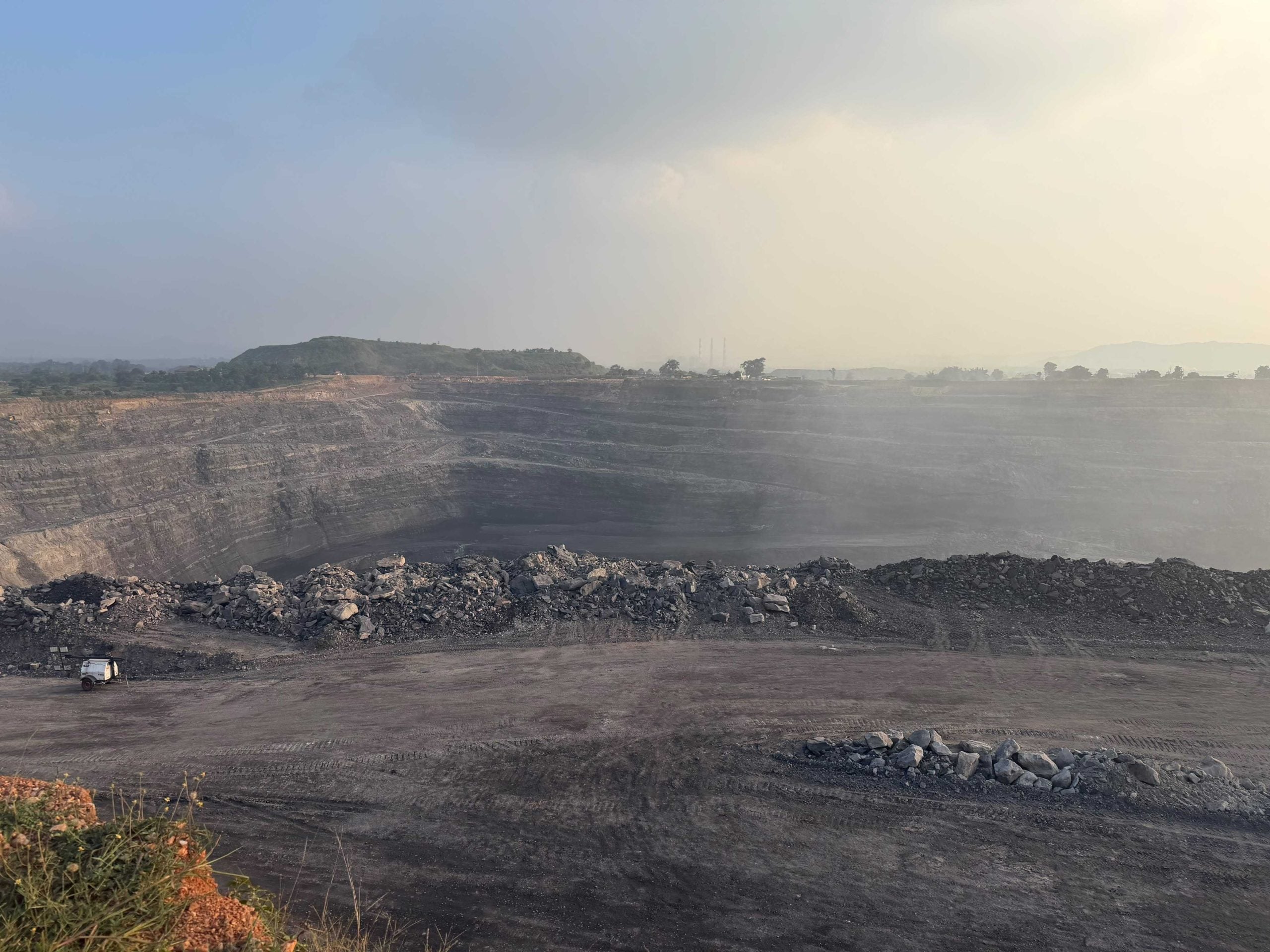
For tourists, this is the attraction: a glimpse of an industry that most people encounter only through films or the coal that reaches their homes. But the experience begins and ends at the mine. The vehicles carrying visitors head straight to the site, leaving little reason for them to stop along the way. The small houses and roadside settlements, where people live alongside the mining economy, remain largely outside the tourism circuit.
North Urimari began producing coal around 2009-2010. Its approved annual production capacity has increased from 30 lakh tonnes to 45 lakh tonnes, though estimated output in 2024 was around 7.9 lakh tonnes. Coal is transported by road to a railway siding for onward movement.
The mine may have opened its gates to visitors, but the communities along the road have yet to see much of that footfall translate into an opportunity.
“We didn’t know this had opened for tourists. We only see a few buses and cars come across every now and then, but that doesn’t matter for us because it adds nothing to our lives,” said Manoj Tikka, a daily wager near the Urimari Mines.
The tourism department, meanwhile, is working to expand the project. According to Ranjan, JTDC is going to buy more vehicles to carry along visitors. He also claims that Coal India is going to open up more mines for tourism.
“Our next goal is to take this to more people so more people will come and we can explore other options in Jharkhand for mine tourism as well,” said Prem Ranjan.
(Edited by Ratan Priya)