





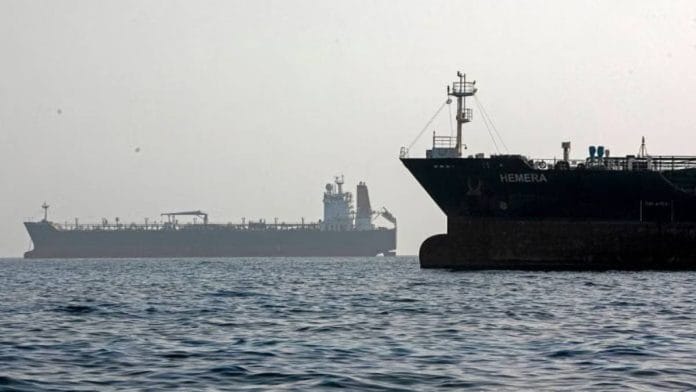

New Delhi: In the six months since the Hormuz crisis began on 28 February, fossil fuel-importing countries have spent over $330 billion extra to buy oil. Countries have had to shell out an extra $55 billion every month, making this the largest oil shock since the 1990 Gulf War, reported the Centre for Research on Energy and Clean Air.
The crisis began following the US-Israeli attacks on Iran that disrupted global shipping. To arrive at its analysis, the Centre for Research on Energy and Clean Air (CREA) compared what countries had paid for seaborne fossil fuel between March and August to what they had been paying before 28 February.
Diesel price highest since 2022
A breakdown of the $330 billion, a conservative figure according to CREA, reveals that crude oil accounts for nearly $164 billion at a cost nearly 35 per cent higher than market prices before the crisis.
However, the price of refined fuels rose by a higher proportion than crude oil. The price of diesel and gasoil rose by 59 per cent, adding up to $74 billion. Countries spent $38 billion more on LNG, $36 billion more on gasoline, and $20 billion more on jet fuel.
As a fuel, diesel’s impact goes beyond just motorists and affects freight, agriculture, and even the price of goods. Of the 170 countries that CREA analysed for the report, 134 paid far more for diesel than they did before the war began. Even the US, the world’s largest producer of diesel, could not protect itself from the crisis — the average price of a gallon of diesel rose to $ 5.57 mid-August, the highest it has been since 2022.
Among all countries, China recorded the highest additional cost for fuel at $35 billion, followed by India at $22 billion and the US at $16 billion.
The report also highlighted that countries with better clean energy infrastructure were better insulated to such fossil-fuel price shocks.
“The best way to protect against high oil prices is to get off the black stuff as quickly as possible. Oil and gas prices have long proven to be an Achilles’ heel for both household finances and the global economy as a whole. Meanwhile, countries that invested in clean energy after past energy crises have saved billions of dollars,” Luke Wickenden, energy analyst at CREA, said in a statement.
Also read: Why the Philippines is the new draw for Indian students who want to pursue medicine
Poorer countries hit hardest
The report found that the burden of the Hormuz crisis has been unevenly distributed. Low- and middle-income countries paid nearly an additional 1 per cent of their 2024 GDP in accounting for fossil fuels in the past 6 months. In comparison, high-income countries had to pay up to 0.45 per cent of their 2024 GDP.
“Across every fossil fuel product, this crisis is a multi-car pile-up, and where you land depends on what you’re driving. Wealthier nations, for whom paying extra is less of a burden in the short term, can absorb the higher prices. That’s not the case for lower-income countries that are far more price-sensitive. The countries best placed are the ones already in the EV lane: with fuel imports slashed, they can skirt the pile-up altogether,” added Wickenden.
(Edited by Ratan Priya)