



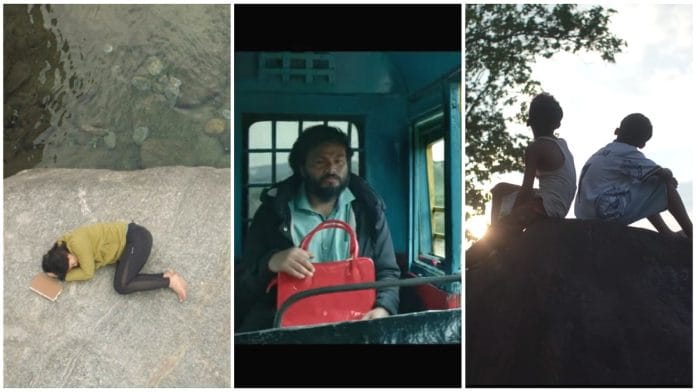

New Delhi: A daughter back from Delhi to her Sikkim village, a Meghalaya hamlet down to six residents, a boy packed off to rural Assam. Three new films from Northeast India have gone deep into what home means and won awards at prestigious international festivals from Moscow to Berlin and Busan.
Tribeny Rai’s Shape of Momo (2025), Pradip Kurbah’s The Elysian Field (2025), and Rima Das’s Not a Hero (2026) strip away the region’s postcard imagery and the cliché of “simple” rural life to reveal a complex terrain of ambition, community survival, migration, and remigration. Home is not always comfortable in these films, but it is powerful.
Shape of Momo took home awards at Busan and Kolkata in late 2025, while The Elysian Field won both Best Film and Best Director at the Moscow International Film Festival. Most recently, Not a Hero earned a prestigious Crystal Bear Special Mention at the Berlin International Film Festival in February 2026.
These films are part of a ‘new wave’ in North-Eastern cinema. The momentum began with Rima Das’s Village Rockstars (2017), India’s official Oscar entry, and was cemented when Lakshmipriya Devi’s Boong (2025) won a BAFTA for Best Children’s and Family Film this past February.
But Kurbah, who is from Meghalaya, has a grouse: despite this global acclaim, cinemagoers in India are not taking enough notice.
“How many people will show up to watch an independent film? That’s why a lot of independent filmmakers first take their film abroad to get the kind of global recognition that might help their films get noticed in India,” he said.
ThePrint takes a closer look at how the three films explore “home” and “belonging” in the Northeast, and why these stories are speaking to audiences across the world.
Also Read: Boong brought Meiteis and Kukis together in Delhi, Bengaluru. ‘Best outcome,’ says director
Shape of Momo
In Sikkimese director Tribeny Rai’s Nepali-language film Shape of Momo, Bishnu (Gaumaya Gurung) returns from Delhi to her village in Sikkim and struggles to reconcile her individualist ideals with the conservatism back home. She is ambitious, sharp-tongued, and impatient with the compromises that seem to govern life in the hills.
Living in an all-women household, Bishnu rages and revolts against her mother and sister’s compliance with the patriarchal order around them. She resists the pressure to marry and fumes at the old idea that a good wife must know how to shape the perfect momo for her husband.
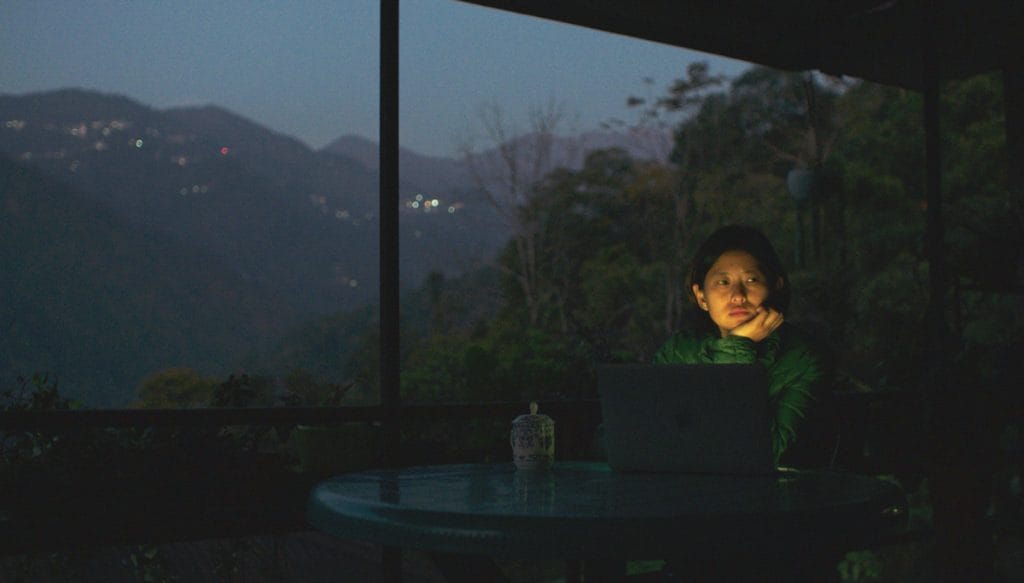
Rai told ThePrint that the film was inspired by her own life experiences.
“The film was shot in our family house in the village of Nandok, on the remote outskirts of Gangtok… sons are valued more than daughters and women are often treated as ‘second-class citizens’,” she said.
Rai and her co-writer Kislay Kislay sought to portray Bishnu as a complex but relatable character who doesn’t try to be likeable. She demands that tenants pay her mother on time. She reprimands the family’s porter for his laziness. She scolds her mother for caring about what the villagers will think.
“We recognised the need to highlight both Bishnu’s anger against the patriarchy and her privilege over the villagers,” Rai said.
The film strips away the idyllic image of the hills to show the social structures that often drive young people from the region to bigger cities. Slowly, Bishnu confronts the possibility that she may never feel fully at home in the hills, even as she begins to understand her mother’s deep attachment to the village.
Judged Best Film at Busan last October, Shape of Momo was praised by the festival for its writing. The festival note described the making and eating of momos within a family as a way to show “how tradition can nourish even as it confines”, and as a symbol of “women’s entanglement with culture and custom.”
The Elysian Field
Khasi filmmaker Pradip Kurbah’s The Elysian Field is set in 2047, a hundred years after India’s independence, in a remote Meghalaya village that’s been hollowed out by migration. Laitduh has no proper roads or electricity. Only six residents are left. Everyone else has either migrated to Shillong or died.
Set in the Sohra highlands, the film is a creative rumination on the loss and persistence of community. It chronicles the joys and sorrows of the six remaining inhabitants of Laitduh village, as they weave together an eccentric little community.
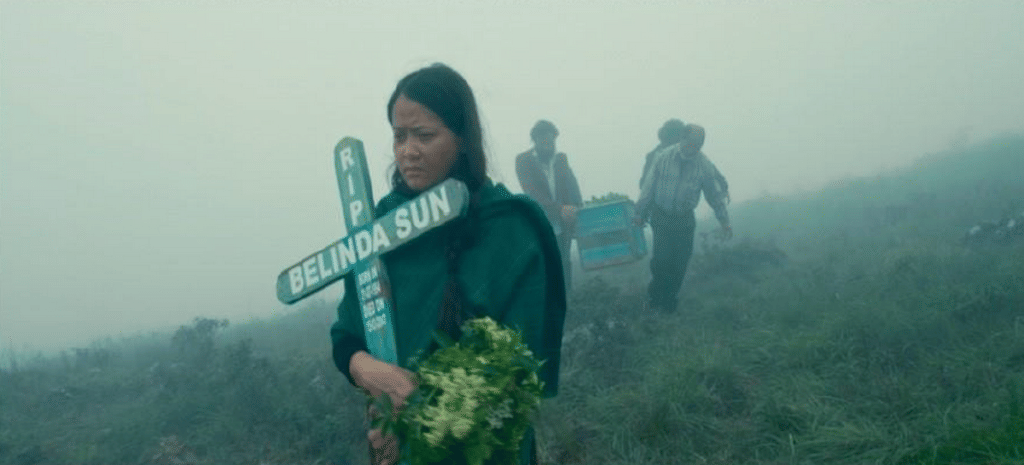
It’s a bleak world, but they still manage to laugh and find meaning in pursuits such as fixing an electrical transformer. The men prepare for death by digging their own graves but they also have light moments, lubricated by liquor. The title refers to Elysium, the Greek afterlife reserved for the blessed.
For Kurbah, who has won three National Awards, the film is personal.
“I lost my father during the pandemic. Around the same time, I also started thinking about the loss of community and how people were becoming isolated from one another,” he said.
The Elysian Field won Best Film, Best Director and the NETPAC Award at the Moscow International Film Festival in 2025. But the prize came with a sting. Kurbah has said the film was later sidelined by some European festivals because of the ‘Russia’ tag.
Also Read: Rock capital Shillong has a new path to music, fame, and ambition — school choirs
Not a Hero
Assamese director Rima Das’s latest film, Not a Hero (2026), begins with a city boy being sent on an unwanted trip to his ancestral village. Mivan is made to stay in a heritage home with a bitter aunt he barely knows. Gradually, he starts enjoying the untamed adventures of growing up in the village and forms a close bond with its people, animals, and rhythms.
The village has long served as a well-spring of inspiration for filmmakers from Assam. Since the 1980s, the acclaimed director Jahnu Baruah has made several films on agrarian distress, deforestation, and children’s education in the rural countryside.
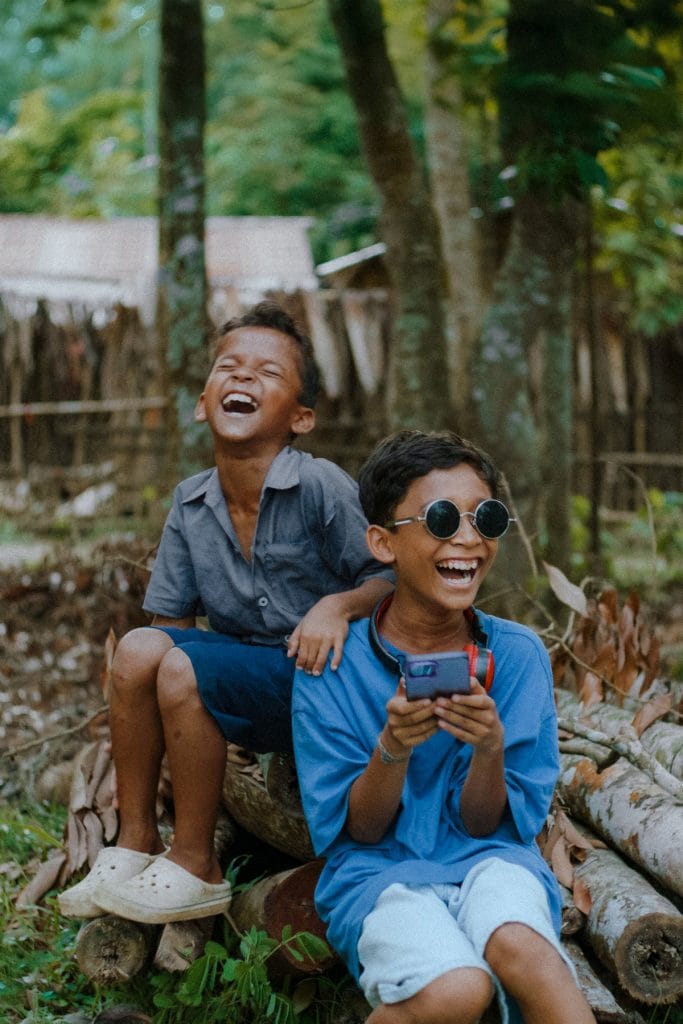
Das, the self-taught filmmaker whose Oscar-nominated Village Rockstars (2017) also explored village life through the eyes of a child, takes that tradition in a more intimate direction. Her films excel at portraying how nature’s fury and beauty are intimately entwined with the simple pleasures and crushing hardships of the rural countryside.
Her ancestral village of Chaygaon has served as the location for several of her films, including Village Rockstars, Village Rockstars 2, Tora’s Husband, and Not a Hero, which premiered at the Berlin Film Festival this year and received a Special Mention from the children’s jury. The jury noted called it “a funny film with great actors that takes us on an emotional adventure.”
“The film is about the quiet courage of growing up,” Das told ThePrint in an email. “It explores how children experience loneliness, empathy, responsibility, and belonging amid the challenges of the digital world and the realities of village life.”
(Edited by Asavari Singh)