



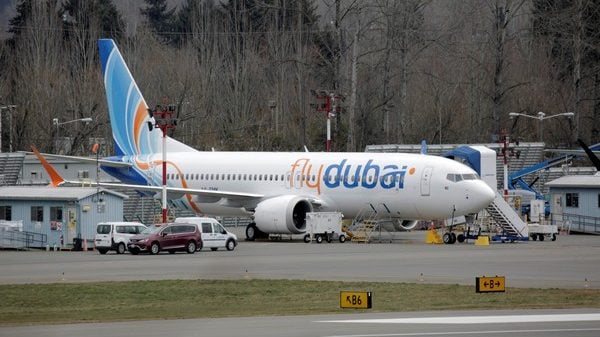
New Delhi: The flydubai flight from Dubai to Tel Aviv transmitted the numbers 7700 and later 7500 on its transponder Wednesday, when a pilot stabbed the captain and attempted to take control of the flight, according to Israeli officials. These numbers helped air traffic control be aware about the nature of the trouble unfolding onboard.
The codes are part of an international system used by aircraft to signal emergencies without relying entirely on radio. 7700 means a general emergency; 7500 indicates unlawful interference, including a hijacking; and 7600 is used for a communications failure. The codes are recognised under international aviation procedures.
What is a squawk?
A transponder is an aircraft’s electronic identification system. It responds to signals from ground radar and sends back information that helps controllers identify and track the aircraft.
The four-digit number entered by the crew is called a squawk code. Ordinary flights are assigned codes by air traffic control. Certain codes, however, are internationally reserved for emergencies.
A controller seeing 7700 or 7500 on a radar or surveillance display immediately knows that the aircraft is signalling an emergency condition. US aviation body FAA describes these as emergency status codes, with the transponder automatically indicating the corresponding emergency status when one is selected.
7700
7700 is the broad emergency code.
A pilot can use it when the aircraft is experiencing a serious emergency and needs immediate attention from air traffic control. The emergency could involve a wide range of problems — for example, a serious technical malfunction, medical emergency, fire or another situation requiring urgent assistance.
United Nations’ aviation agency ICAO’s procedures say a pilot of an aircraft in an emergency should set the transponder to 7700, unless ATC has already assigned another code.
But, 7700 does not tell the ATC the exact nature of the emergency. The pilots will normally provide more information by radio if they can.
7500
7500 is a much more specific emergency.
It indicates unlawful interference with an aircraft in flight and includes hijacking as well.
ICAO procedures say that when there is unlawful interference, the captain should try to set the transponder to 7500 to indicate the situation. If possible, 7700 can be used instead.
A crew dealing with an unlawful interference situation may not be able to openly tell controllers what is happening so the code is very useful in a critical situation.
In this case, the flydubai flight sent out the second code as well, indicating a hijacking.
Why would ATC ask about 7500?
There is a safeguard against an accidental selection.
ICAO procedures provide for ATC to ask the crew to confirm a 7500 selection. The pilot can confirm it or, depending on the circumstances, not respond. ICAO says that if the pilot does not reply, ATC can treat that as confirmation that the code was not selected inadvertently.
The controller cannot assume that every 7500 signal means the same thing and completely depends on circumstances and communication with the crew.
7600
The third major emergency code is 7600.
It means the aircraft has lost its normal two-way radio communications with air traffic control. In simple words, the radio has failed.
ICAO lists these three as the emergency transponder codes: 7500 for unlawful interference, 7600 for communications failure and 7700 for emergency.
So what did 7700 and then 7500 mean on the flydubai flight?
The aircraft first signalling 7700 indicated a general emergency. The subsequent 7500 indicated unlawful interference. The aircraft later returned to 7700.
Those changes gave air traffic control successive signals about the emergency status of the aircraft. They did not tell controllers exactly what was happening inside the cockpit.
The investigation is ongoing. The transponder codes are one part of the evidence available to investigators, alongside radio communications, flight-data recordings, cockpit voice recordings and accounts from the crew and passengers.