





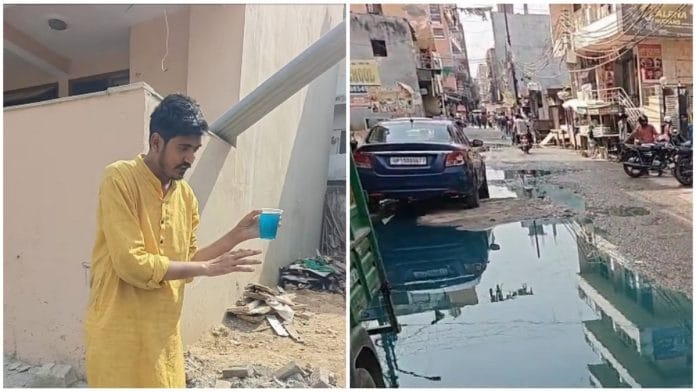



New Delhi: Residents of Gali 7 in Noida’s Mamura encountered a surreal sight in the locality’s drains this week: dark blue water spilling onto the roads, filling potholes, and disrupting daily life. The reason? A small dyeing factory in the village lanes that has been discharging untreated water for the last two days.
“The colour of the water changes every now and then, but this is the first time the colourful water is on the streets,” said resident Moni Kumari. She and her husband have been unable to station their vegetable cart for the past few days due to the huge puddles on the street. Residents told ThePrint the water has been overflowing because of a sanitation workers’ strike for the past four days. The workers generally clean the drains and flush out the dyed water.
‘Chemical cocktail’
Residents noticed the blue water on Monday, and videos started surfacing on X and Instagram by the next day.
One such video was posted on Instagram by Earth Warrior, an organisation that works on cleaning the Yamuna. In it, Pankaj Kumar, founder of Earth Warrior, collects the blue liquid in a plastic cup. The caption said the “toxic blue water” was untreated wastewater from illegal small-scale dyeing units running from homes and backyards in Mamura.
Several such units operate in the area. One of them, residents said, is barely 50 metres from a large puddle that has formed on Gali 7.
The organisation also shared a separate video on X showing an auto and cars parked in the blue puddle.
“This chemical cocktail (dyes, heavy metals, surfactants) flows into bigger drains and eventually kills the Yamuna River. How do these dyeing units operate in residential areas?” read the post accompanying the video.
Toxic Blue Poison in Noida's Residential Drain – Sector 66, Mamura This small stormwater drain (nallah) in Block M, Mamura, Noida was built ONLY for rainwater and treated water. Instead, it’s carrying untreated bright blue dye wastewater straight from illegal small-scale dyeing… pic.twitter.com/8iav1EAuJQ
— Earth Warrior (@Earthworri1) March 17, 2026
The post garnered the attention of the Noida Authority and the Uttar Pradesh Pollution Control Board, which were both tagged in the post.
The civic authorities arrived Wednesday morning and flushed the blue water out of the drains using fresh water, residents say. While the colour has faded, the road is still waterlogged, making it impossible for Kumari to set up her vegetable cart on Wednesday.
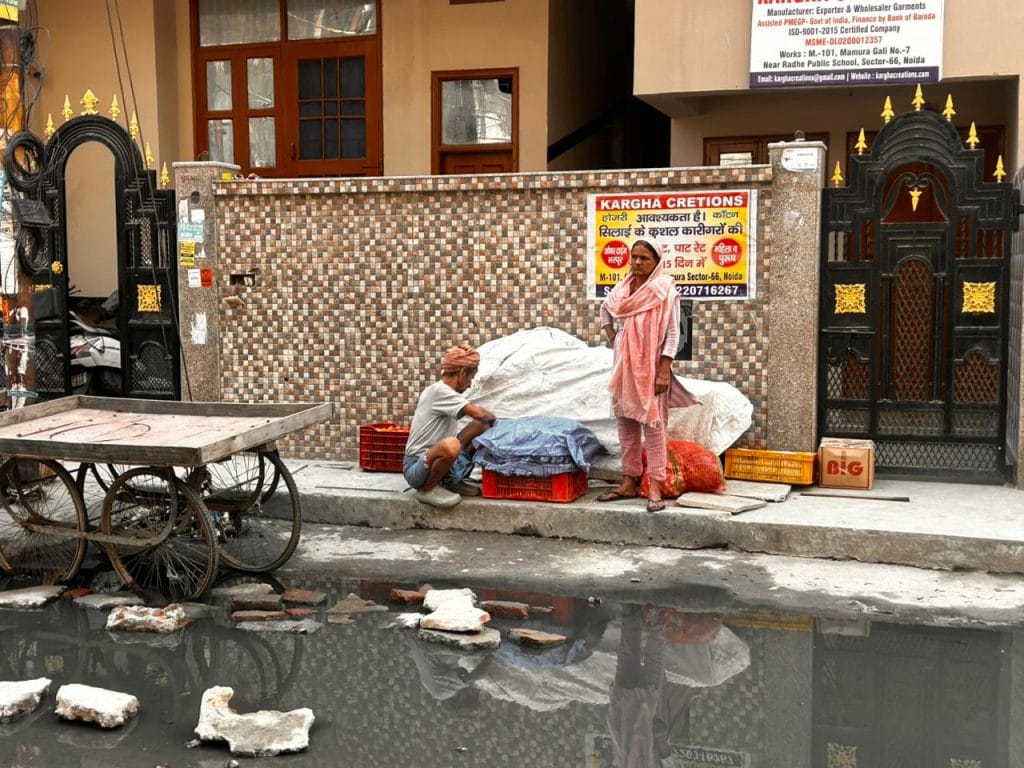
Earth Warrior has been complaining to authorities about the dyed water in Noida’s drains for weeks now.
A month ago, Kumar posted a series of videos on Instagram about the drains in Noida’s Sector 66 turning green, red, and black across several days in February.
“After our videos, the colourful water was gone,” Kumar told ThePrint.
Water from these drains flows into the Kondli drain and eventually gets dumped into the Yamuna.
“The chemicals used in dye are non-degradable. They deposit on the banks of the river, contaminating it and blocking sunlight,” Kumar said. “The Noida pollution board should provide proper guidelines to these illegal factories or shift them from residential areas.”
Earth Warrior’s posts alleged that several unauthorised jeans and textile dyeing units operate in Mamura, most in non-industrial zones and without effluent treatment plants.
In the last few days, the familiar white foam seen on the Yamuna in Delhi also took on a pink hue. On this issue too, Earth Warrior wrote to the Delhi Pollution Control Committee and Chief Minister Rekha Gupta, claiming that industrial discharge from Delhi, Sonipat, and Panipat had caused it.
Also Read: Neither pollution nor Iran crisis—here’s what is causing Delhi’s mid-March haze
The culprits
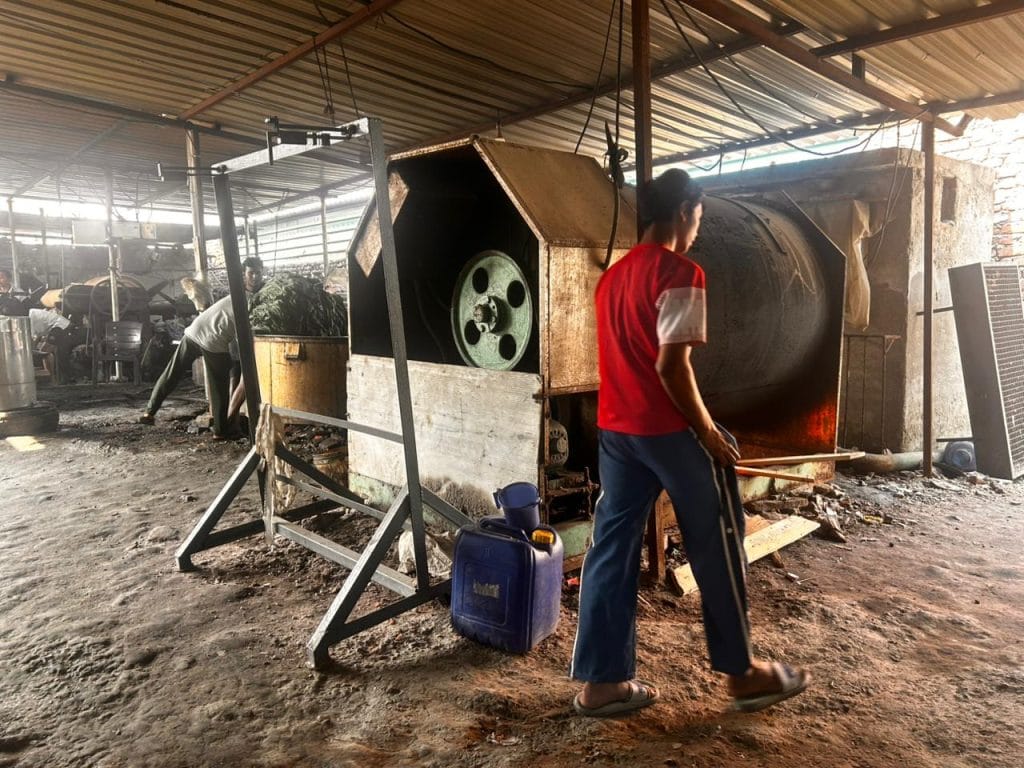
A few metres away from the puddles, a small dyeing factory is tucked into a compound, hidden from view. The drains connected to the factory still had some blue-tinted water.
Four workers were stone-washing pillow covers for a home decor company. They used a sulphur mixer to lighten the fabric, giving it a pastel shade.
The colours running through the machine on Wednesday were brown, grey, and green. The blue dye had been used three days earlier, workers said, though residues were still visible in parts of the unit.
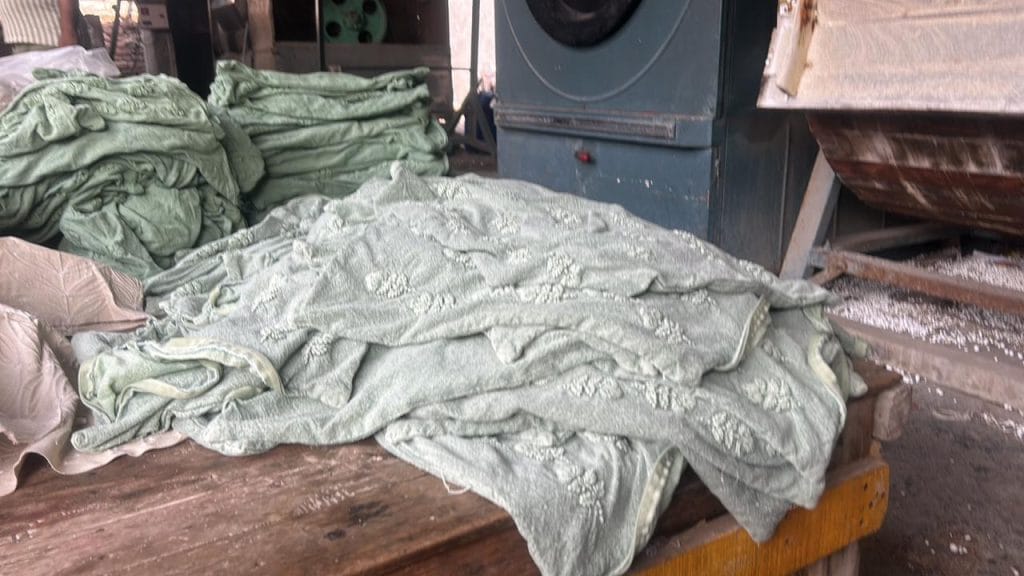
The workers dye the fabric one piece at a time, using their bare hands despite the chemicals.
They said the unit releases around 600 litres of wastewater into the residential drains every evening.
Outside, some residents watched as the blue water in the drains was washed away.
“The blue water was replaced with fresh water,” said Sunil Singh, a resident of the lane.
Residents of Mamura said the coloured water does not harm them and they have grown used to it.
“On average days, when the drains are not clogged, the colourful water passes through,” said Kumari.
(Edited by Asavari Singh)