





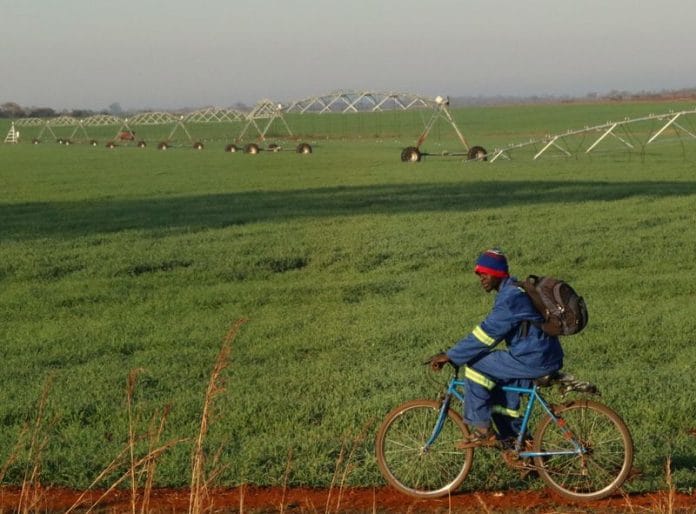


HARARE (Reuters) – Zimbabwe’s government has suspended import duty on nitrogenous fertilizer as it moves to reduce input costs and boost grain production ahead of a farming season that could be impacted by adverse El Nino weather conditions.
The Food and Agriculture Organisation (FAO) has warned that El Nino, a natural climate phenomenon in which surface waters of the central and eastern Pacific become unusually warm and cause changes in weather patterns around the world, could impact agriculture and food security in vulnerable countries during the 2023/24 farming season.
Over the past two years, farmers have struggled with high fertilizer prices, first driven up by natural gas price increases which raised the cost of nitrogen production in 2021, followed by the impact of major producer Russia’s invasion of Ukraine last year.
In Zimbabwe, fertilizer prices rose by about 30% over that period, with a 50 kilogram bag of basal fertilizer currently costing an average $45 and a bag of top dressing fertilizer about $60.
Chronically food insecure Zimbabwe will allow the duty-free import of up to 250,000 metric tons of urea and ammonium nitrate, both critical to plant growth, according to a government notice seen by Reuters on Wednesday.
“With effect from the date of publication of this notice and up to a period of twelve months, duty is wholly suspended on
fertilizers imported by approved and regulated importers in terms of these regulations,” reads the notice dated Oct. 10.
The southern African country of 15 million people has struggled to feed itself over the past two decades since former president Robert Mugabe seized white-owned farms as part of a land redistribution programme, causing the output of one of Africa’s most prosperous agriculture sectors to collapse.
Production of the staple maize grain has improved in recent years, driven by government-funded inputs, but many households in the country still struggle with food insecurity and rely on aid.
In April, the government said Zimbabwe had produced 2.3 million tons of maize, just enough for human and livestock consumption.
(Reporting by Nyasha Chingono; Editing by Nelson Banya and Deborah Kyvrikosaios)
Disclaimer: This report is auto generated from the Reuters news service. ThePrint holds no responsibilty for its content.