







By Lewis Jackson
SYDNEY (Reuters) – Extreme heat, low rain and bushfires could trigger blackouts across Australia this summer, the electricity market operator said on Wednesday, as El Nino puts once-in-a-decade pressure on a power grid transitioning to renewable energy.
The Australian Energy Market Operator (AEMO) said it was contracting extra electricity to prepare for shortfalls, especially in the southern states of Victoria and South Australia where the risk of power cuts is highest.
If outages at power plants coincided with peak demand and dips in wind or solar power, electricity use could eat into buffers aimed at insulating the system from blackouts, and trigger power cuts, it warned.
“The entire industry has been focusing and continues to focus on managing possible risks for the summer ahead, particularly during high demand periods,” AEMO Executive General Manager Operations Michael Gatt said in a statement.
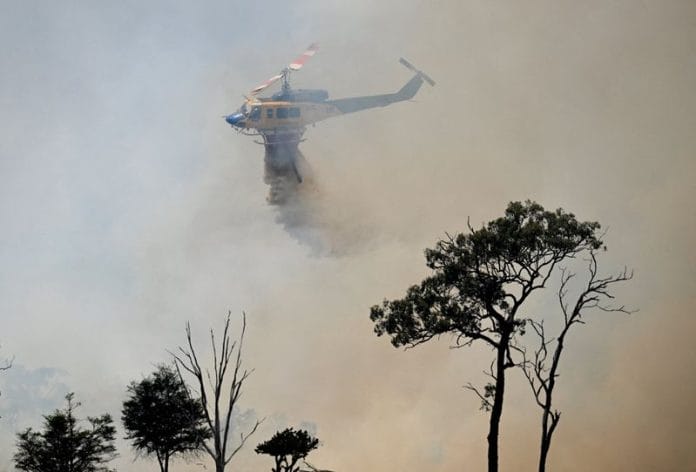
The warning is the second since August and comes as three years of cooler, wetter weather give way to an El Nino summer. Australia recorded its driest September on record while bushfires have destroyed dozens of homes and killed several people in Queensland state.
All mainland states are likely to have a “significant number” of days with high risk of power cuts because demand outstrips generations.
However, an additional 2,000 megawatts (MW) of new wind and solar projects since last summer, plus more power available from current producers, should help alleviate the strain, AEMO said.
El Nino will strain the grid during its delicate transition from a system in which coal accounts for about half of all generation to a diffuse network of wind, solar and batteries.
Australia plans to increase the share of clean energy to 82% of overall electricity supply by 2030, however the goal has been beset by delays and opposition from communities opposed to new transmission lines needed to plug in new renewable energy.
(Reporting by Lewis Jackson)
Disclaimer: This report is auto generated from the Reuters news service. ThePrint holds no responsibilty for its content.