






New Delhi: Tamil Nadu Chief Minister Vijay has already found himself at the centre of a debate regarding the allocation of ministerial portfolios to members of his party, Tamilaga Vettri Kazhagam.
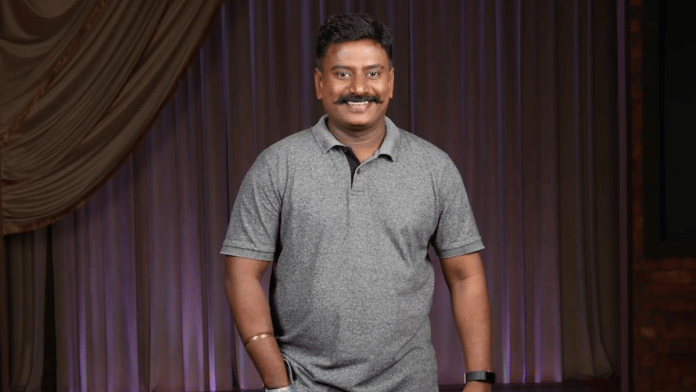
Vijay handed the Film Technology and Cinematograph Act department to actor-filmmaker Arumugam Rajmohan. A decision, which did not sit well with actor-producer Vishal, who publicly questioned the appointment on X.
“Happy to see #CMJosephVijay allocating ministries to respective elected MLAs, but it’s disheartening to see honorable minister #Rajmohan to be in charge as minister of Film Technology and Cinematograph Act,” the post read.
Vishal argued that the Tamil film industry is currently “bleeding” and needs leadership from someone who knows the business aspect of cinema. He added that the industry requires urgent reforms and wondered how producers and film associations would effectively communicate their concerns to someone with limited experience handling the larger ecosystem of Tamil cinema.
While clarifying that he meant no disrespect to Rajmohan, Vishal suggested that the CM, having spent over three decades in the industry, would have been better suited to oversee the portfolio.
Rajmohan, who also serves as the TVK’s propaganda secretary, was additionally assigned to the School Education and Tamil Development & Information portfolios.
Soon after, actor-filmmaker Raghava Lawrence defended both Vijay and Rajmohan, urging critics to give the new minister time before judging his capabilities. Lawrence, in an X post, said that Vijay would not have made the appointment without careful consideration and expressed confidence that Rajmohan would work towards the welfare of the film fraternity.
“I understand the concerns, especially given the current challenges faced by the film industry. However, Honorable Minister #RajMohan, as the Minister for Film Technology and the Cinematograph Act, deserves some time and a fair opportunity to settle into this role,” he wrote.
Producer T Siva also backed the decision, highlighting Rajmohan’s popularity on digital platforms, his experience directing films, and his close ties with members of the cinema industry.
“He (Rajmohan) shares strong friendships and close ties with many in the cinema industry. Given his deep understanding of the challenges and current circumstances facing the Tamil cinema sector, selecting him as the Minister for the Tamil Film Industry would be an exceedingly appropriate decision,” Siva posted.
Also Read: Influencer Ankush Bahuguna walked London streets in a pink suit. Homophobic slurs followed
Who is Rajmohan?
Rajmohan first rose to fame after winning the second season of the reality show Tamil Pechu Engal Moochu in 2009. Apart from acting and stand-up comedy, he became widely known through his YouTube channel, Put Chutney, especially after the viral 2017 video “Who Killed Anitha,” which examined the death of a NEET aspirant. His YouTube channel has 1.28 million subscribers.
He has played supporting characters in mainstream Tamil cinema, including Velaiyilla Pattathari 2 (2017), Natpe Thunai (2019), Naan Sirithaal (2020), Nenjamundu Nermaiyundu Odu Raja (2019), and Captain (2022).
Rajmohan made his feature directorial debut and served as a writer for the family comedy entertainer, Baba Black Sheep. It was released in 2023 and is streaming on Amazon Prime.
Demands of Tamil film fraternity
This debate, however, has also brought renewed attention to the ongoing crisis in Tamil cinema.
Vishal, in his X post, highlighted several demands from the industry, including the introduction of a government-run ticketing platform, removal of local body tax, and increased subsidies for small-budget films.
Veteran actor-filmmaker Kamal Haasan also recently met Vijay and submitted a list of demands aimed at reviving the industry. These included launching a state-owned OTT platform, strengthening anti-piracy measures, allowing five shows per day in theatres, enforcing an eight-week OTT release window, and introducing production incentives to restore Tamil Nadu’s status as a major filmmaking hub.
(Edited by Insha Jalil Waziri)