


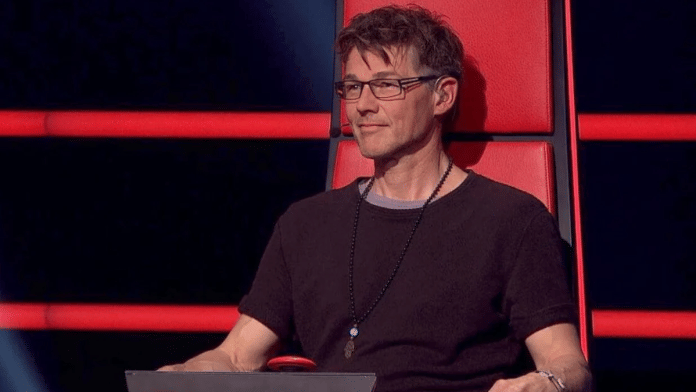
Mumbai: A-ha singer Morten Harket has been living with Parkinson’s disease for nearly four years. But according to his doctors, he may have had it for 30 years. The 67-year-old singer spoke about his diagnosis, how he broke the news to his bandmates, and what living with the condition has been like in an interview with The Sunday Times Magazine.
Harket recalled first noticing something was wrong in January 2022. The singer was brushing his teeth at his home near Oslo when he realised he was having trouble gripping his toothbrush.
He told his doctor, who suspected Parkinson’s after some preliminary tests. When the diagnosis was confirmed, Harket was told something he hadn’t expected.
“They said I’d probably had it for 30 years,” the Norwegian singer recalled.
Harket didn’t tell his A-ha bandmates straight away. He waited until they were halfway through a four-month tour.
“This was news that took some getting used to. The shock is more about what may happen in the future, not at that moment. You are beginning this dance in the dark,” he said.
Harket made his diagnosis public in June 2025. He has since undergone deep brain stimulation surgery, which involves implanting electrodes in the brain to help manage symptoms. The disease has also affected his ability to sing.
Life in A-ha
The interview wasn’t just about his struggle with Parkinson’s. Harket also spoke about disagreements within A-ha, particularly over the attention he received as the band’s frontman.
“I didn’t feel the others were protecting me. I think Pal and Mags felt the world was giving me all the credit for our combined work, which was also unfair,” he said, adding that it is not a “good cocktail when everyone is unhappy for different reasons.”
Harket, whose band is best known for the 1985 hit ‘Take On Me’, is set to release his seventh solo album, Human Grace, on 27 November. It will be his first since he revealed his diagnosis.
And he doesn’t want people to think Parkinson’s means he has disappeared.
“You discover how beautiful the world really is when you start to lose it. I hope people don’t think, oh, he has Parkinson’s, he’s gone somewhere we can’t find him. I am still here; I am still me,” he said.
(Edited by Insha Jalil Waziri)