



New Delhi: Countries in West Asia including Qatar and the UAE allegedly reached out to Iran to strike deals to protect themselves from Tehran’s retaliation during the current conflict.
The UAE and Qatar indicated their interests to drive up global gas prices or pay the Iranian government billions of dollars to prevent the war from reaching their shores.
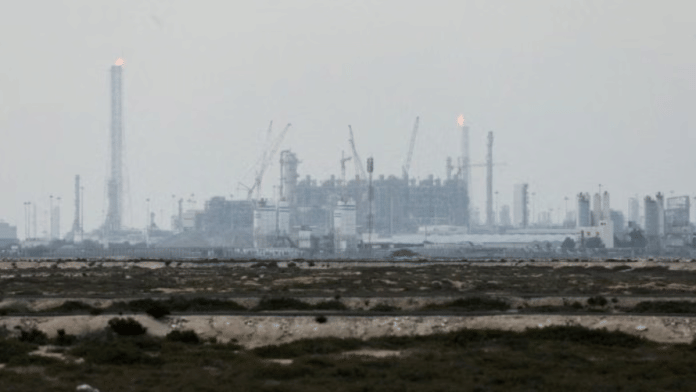
Qatar had engaged in secret negotiations to allegedly protect the Ras Laffan–one of its key liquefied natural gas refineries–from Iranian retaliation as the US and Israel launched strikes against Tehran at the end of February, The Washington Post reported Friday.
The secret negotiations, however, failed as Iran on 18 March launched a series of strikes on the gas field, impacting at least a fifth of Doha’s LNG exports. Doha was pushing for Tehran to agree to the deal, where it would allegedly shut down gas production at Ras Laffan–unleashing economic pressure on the global markets–in return for Qatar remaining safe from Iranian retaliation.
“A second official with access to the same intelligence said that Qatar’s message to Iran was that “you will achieve your objectives without striking us,” reported The Washington Post.
The American newspaper added that though Qatar did not secure a commitment from Iran, a temporary tacit agreement may have been reached.
Qatar shut down Ras Laffan on the third day of the war–2 March–despite investigations of satellite imagery by the American newspaper showing no damage to the site. It denied the report by The Washington Post, while highlighting that operations at the gas field were shut down due to the threat of attacks, keeping in mind the safety of workers.
Doha further described the allegations as an attempt to sabotage the ongoing mediation efforts to bring to close one of the more destructive wars in the region in the last decade or so. Qatar and the UAE faced a significant number of drone and ballistic missile attacks emanating from Iran as the war continued for roughly 40 days until 8 April.
Also Read: Delhi summons US CdA, lodges strong protest over attack on Indian-crewed tanker near Oman
$10 bn dollar offer
The country that faced the brunt of Iran’s retaliation–the UAE– has allegedly also sought to strike a separate deal with Iran since the implementation of the ceasefire, one which would see Abu Dhabi deliver up to $10 billion to Iran, according to Reuters. The money would ensure no further Iranian strikes on locations within the UAE.
The UAE has engaged over 2,500 ballistic missile and drone attacks since the war began – the highest number for any of the Gulf states. However, the last retaliation from Iran against the UAE was on 4 May with a strike at the port of Fujairah.
Iran has launched missile and drone strikes since then, but has taken aim at Israel, Kuwait and Bahrain in recent days. Iran and the US have also traded strikes in recent days, even as American President Donald Trump has said that the two countries are close to signing an interim deal to end the conflict.
“Two regional sources told Reuters the UAE had agreed to release a total of $10 billion, more than $3 billion of which had already been delivered. Two other sources with knowledge of the arrangement put the total funds involved at $20 billion, adding that the move had been agreed in return for a halt to Iranian attacks on the UAE,” the news agency reported.
The money is said to come from frozen Iranian funds in Emirati banks due to the imposition of American sanctions. The news agency was unable to confirm whether the $3 billion transferred to Iran till date actually came from these frozen funds, or from elsewhere within the Emirati banking system.
The UAE, like Qatar, denied the reports, calling them “entirely false.” However, the Reuters report highlights a shifting pivot in Abu Dhabi’s approach to Tehran – from open hostility during the war to the Emirates securing its own frontiers without hurting the US’ position on Iran.
Trump and US Vice-President J.D.Vance has repeatedly stated that any peace deal with Iran would not immediately lead to the unfreezing of Iranian oil funds or payments exchanging hands.
The UAE deal would allow the US to continue to claim that no funds were sent to Iran, while Abu Dhabi quietly continues to pay out billions of dollars to Tehran and secure its de-escalation goals.
Abu Dhabi has been one of the most impacted countries during the war, as its position as a safe financial and technology hub for Westerners has been seriously damaged through Iran’s retaliation.
The country had sought to carve out its diversification from relying solely on exports of fossil fuels in recent years as an oasis for Western entrepreneurs to build their businesses at. The Iranian retaliation has harmed that image.
For years Dubai has remained a critical economic lifeline for Iran. Despite American sanctions, Emirati banks held billions of Iranian oil wealth, as Tehran continued its exports to countries such as China. These funds have been frozen under Trump’s “maximum pressure” campaign of sanctions on the Iranian government.
Last month, Iranian Deputy Foreign Minister Kazem Gharibabadi during a visit to India had said that one of Tehran’s goals to end the current war has been unfreezing its assets held abroad.
(Edited by Tony Rai)