





Thank you dear subscribers, we are overwhelmed with your response.
Your Turn is a unique section from ThePrint featuring points of view from its subscribers. If you are a subscriber, have a point of view, please send it to us. If not, do subscribe here: https://theprint.in/subscribe/
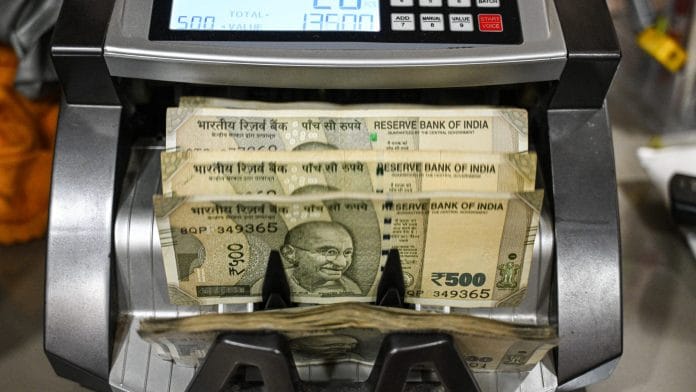
Every few months, a tragedy strikes somewhere in India, and within hours, a familiar script plays out. Politicians rush to the site. Cameras roll. And then comes the announcement: the government will pay ₹4 lakh — or ₹2 lakh, or ₹10 lakh — to the families of the victims. The number changes. The ritual doesn’t.
The latest example? A boat accident on the Narmada river in Madhya Pradesh, where many lives were lost when an overcrowded cruise vessel capsized. Within a day, the state government announced cash compensation for the bereaved families. Chief ministers expressed grief. Opposition leaders demanded more money. And then, slowly, everyone moved on.
I’m a high school senior in Frisco, Texas — a city where my parents immigrated from India. And when I watch this cycle repeat itself on my phone screen, I find myself asking a question that nobody on the news seems to ask: Why is the government paying cash at all?
The Real Question Nobody Is Asking
Cash compensation after a disaster sounds compassionate. It feels like the government is doing something. But think about what it actually means.
The boat that capsized on the Narmada was reportedly overcrowded. Eyewitnesses said safety equipment was inadequate. Operators may have ignored regulations. So where were the safety inspectors? Where was the enforcement? Where were the life jackets that should have been mandatory?
The government’s own regulatory system failed. And instead of accountability, it wrote a check.
This is not compassion. This is a transaction. The state is essentially saying: We know our systems are broken. Here is money so you don’t stay angry too long.
Does Any Other Country Do This?
Sort of — but with crucial differences.
In the United States, disaster victims can access FEMA assistance, but it is tied to declared emergencies and comes with oversight, documentation, and conditions. More importantly, it doesn’t replace liability. If a company’s negligence caused a death, that company gets sued. Criminal charges follow. Regulatory agencies face scrutiny.
Japan has disaster relief funds, but Japan also has one of the world’s most rigorous safety inspection cultures. The relief is a supplement to a functioning system, not a substitute for one.
Some Gulf nations offer royal-decree compensation after tragedies, but these are monarchies where accountability to citizens is structurally different.
India’s cash-payout culture is uniquely problematic because it exists instead of systemic reform. In most democracies, money from the government after a preventable tragedy is the beginning of accountability. In India, it is increasingly the end of it.
This Is Corruption — Just Politely Dressed
When we think of corruption, we picture bribery, backroom deals, stolen contracts. But there is a quieter form of corruption that is just as damaging: the deliberate use of public money to suppress public outrage over government failure.
Paying a grieving family ₹4 lakh serves multiple political purposes. It generates positive media coverage. It signals to voters that the government “cares.” It defuses anger before it can organize into demand for real change. And it costs the politician nothing personally — it’s taxpayer money.
Meanwhile, the boat operator may face a brief FIR. The inspector who overlooked safety violations returns to work. The regulation that was flouted stays unenforced. And six months later, another boat, another river, another press conference.
This is corruption because it uses public resources to protect a system from the consequences of its own failures. The victims’ families receive money, yes — but they receive it instead of justice, instead of accountability, instead of a government that might actually prevent the next tragedy.
What Should Actually Happen
I’m not saying don’t help victims’ families — of course they should be helped. But the help should come alongside, not instead of, three things: criminal accountability for negligent operators, suspension or termination of the officials who failed to enforce safety rules, and a publicly published audit of every tourist boat, ride, or vessel in that state within 60 days.
That’s what accountability looks like. Cash alone is hush money with a press release attached.
Back here in Frisco, we talk a lot in government class about what separates functional democracies from struggling ones. I used to think it was just elections or free speech. But watching India from across the ocean, I think a big part of it is this: whether a government fears its own failures — or has learned to simply pay for them and move on.
The families on the Narmada deserve more than “sorry money.” They deserve a government that is actually sorry enough to change.
These pieces are being published as they have been received – they have not been edited/fact-checked by ThePrint.