





The ongoing conflict in West Asia has exposed the fragility of the global energy system. Disruptions in oil and gas flows through the Strait of Hormuz have triggered price volatility and supply uncertainty, including in India. While climate efforts have laid the foundation for decarbonisation, this geopolitical crisis may accelerate the transition by placing energy security at the centre of climate policy and public concern.
Moments of crisis often lead to lasting structural change. The COVID-19 pandemic altered work, mode of payments and healthcare patterns permanently. The present shock has made energy security an immediate national as well as a household concern, and compelling economies to rethink how energy is produced, delivered and consumed.
A household-level energy paradox
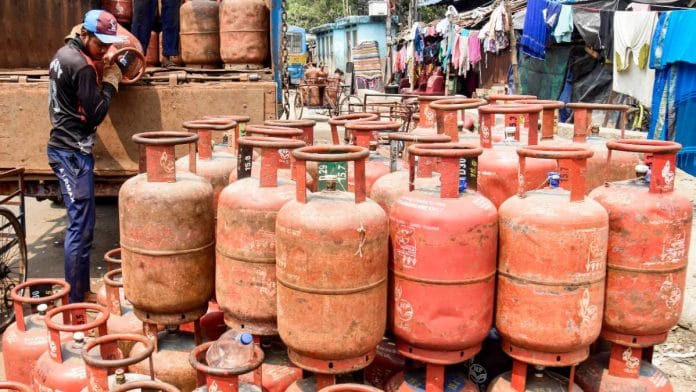
In India, the effects are being felt acutely in households. The country imports nearly 60% of its LPG, with over 90% passing through the Strait of Hormuz. Supply disruptions of 25-30% have driven LPG prices soaring. Daily bookings have surged by 60%, driven by panic. In states like Kerala, Maharashtra and Madhya Pradesh, households and businesses have reverted to biomass fuels like firewood, reversing clean cooking progress. Higher cooking costs feed directly into food prices and household budgets. India consumes 31 million tonnes of LPG annually but produces only 13 million tonnes domestically. Storage capacity remains minimal at 1.6 lakh tonnes, leaving households highly vulnerable to supply disruptions.
At the same time, India faces a striking contradiction: a shortage of cooking fuel alongside underutilised renewable electricity. By March 2026, solar capacity exceeded 150 GW, with total renewables at 280 GW. The PM Surya Ghar scheme is actively encouraging households to adopt rooftop solar installations. Yet in 2025, 2.3 TWh of solar power was curtailed due to grid constraints and inflexibility, representing a significant loss of clean energy that could otherwise have been productively used.
The challenge is increasingly on the demand side. While generation capacity expands rapidly, the electricity grid faces mounting pressure from demand flexibility issues and peak load management. Coal plants cannot easily reduce output below their minimum technical load, forcing grid operators to shut down solar generation during peak daytime hours.
Distribution companies are now being directed to address these challenges through innovative mechanisms. States like Maharashtra, Karnataka and Rajasthan have rolled out demand flexibility rules and regulations, requiring DISCOMs to actively manage demand patterns and encourage consumption during high solar generation periods. This creates a clear policy imperative: shift household electricity consumption to match renewable energy supply.
Electric cooking: solving two problems at once
Electric cooking emerges as a compelling solution addressing both the immediate LPG crisis and longer-term solar underutilisation. Electric cooking already exists in Indian kitchens through water boiling, microwave ovens and mixer grinders. The missing piece is hot meal preparation, requiring a behavioural shift towards induction cooktops. This shift is already underway, with induction cooktop sales surging dramatically on major e-commerce platforms since the crisis.
The economics strongly favour this transition. Electric cooking is now around 20% cheaper than LPG. Induction cooktops achieve 85 to 90% efficiency compared to just 40 to 55% for LPG stoves, meaning far more useful energy is delivered at lower cost. To generate the same cooking heat as one LPG cylinder, an induction cooktop requires roughly 78 units of electricity, costing approximately INR 624 compared to INR 913 for a non-subsidised cylinder.
Cooking demand naturally aligns with peak solar generation. Most Indian households prepare meals during morning and afternoon hours, precisely when solar output is highest. With the rise of rooftop solar installations across households, shifting these cooking loads to electricity would absorb renewable energy that is currently underutilised, improving grid stability while reducing dependence on imported LPG.
That said, while households are comfortable using electric appliances for auxiliary tasks, preparing hot meals on electric surfaces requires adaptation. Measures like time-of-day tariffs can provide clear price signals, offering rebates during high solar hours. Smart meter deployment is crucial for enabling such pricing. However, barriers remain significant. Upfront appliance costs, cookware compatibility issues and electricity reliability concerns slow adoption. Unlike the structured policy push behind LPG adoption through Ujjwala, there is no comparable national roadmap for electric cooking.
The behavioural frontier
The transition to electric cooking depends on household behaviour. Preparing meals on electric surfaces and aligning usage with solar hours requires changes that subsidies alone cannot drive. Policies must address affordability, convenience, and reliability through demonstration programmes and targeted awareness that positions electric cooking as modern and efficient.
The West Asia crisis has exposed both India’s dependence on global energy systems and a domestic opportunity. With growing renewable capacity and rooftop solar, the missing link is demand. Enabling households with affordable appliances, smart tariffs, and proven use cases can bridge this gap turning a moment of disruption into a catalyst for a resilient and sustainable transi