




Thank you dear subscribers, we are overwhelmed with your response.
Your Turn is a unique section from ThePrint featuring points of view from its subscribers. If you are a subscriber, have a point of view, please send it to us. If not, do subscribe here: https://theprint.in/subscribe/
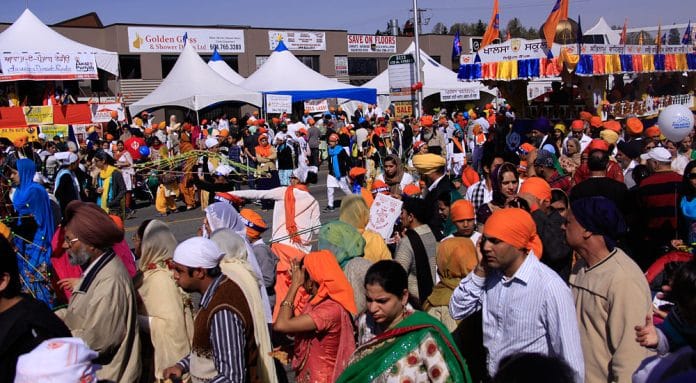
The Punjabi diaspora is one of the state’s greatest yet underappreciated assets. While Punjab has benefited from its global community for over a century, it has not fully acknowledged or effectively leveraged this powerful connection.
Punjabi migration dates back to the late 19th century, when individuals from diverse social and economic backgrounds began moving abroad in search of better opportunities. Their primary aim was to earn and send money home to support their families and build assets. This tradition of remittances became deeply embedded in Punjab’s social and economic fabric.
For decades, Punjab has been regarded as one of India’s most prosperous and progressive states. Its agricultural strength ensured food security and relative economic stability. However, another major contributor to this prosperity has been its long history of migration. The Punjabi diaspora, one of the oldest and most widespread in the world, has consistently supported the state through financial inflows driven by familial responsibility and emotional ties.
Over time, however, this dynamic has evolved. The traditional joint family system has weakened, and migration patterns have shifted. Earlier, one family member would move abroad while others stayed back. Today, entire families often relocate, leaving fewer ties to the homeland. Consequently, the flow of remittances once directed towards land purchases and family support has declined considerably.
Despite this shift, the diaspora continues to play a crucial role in Punjab’s economy. Their contributions now come in different forms: spending during visits, particularly on weddings and social functions; and, to some extent, continued remittances. In many ways, the diaspora is no longer external to Punjab—it is an extension of it. Almost every household has a member abroad, and in many cases, entire families have settled overseas.
Yet, the relationship between the diaspora and the state remains strained. A key source of dissatisfaction is the gap between expectations and reality. Those living abroad, accustomed to systems in developed countries, often find Punjab’s administrative structure cumbersome and overly bureaucratic. Governance tends to prioritize procedures in practice rather than clear, transparent rule-based systems, making it difficult for those unfamiliar with the local system to navigate.
This creates a significant disadvantage. Unlike local residents, members of the diaspora lack the on- ground understanding needed to deal with administrative processes. The state has also failed to recognize that those living abroad face practical difficulties in managing their assets and accessing legal remedies.
Property-related disputes are among the most pressing issues. Many face challenges with tenants or caretakers who refuse to vacate properties. Such matters are often dismissed as civil disputes, leaving owners to endure lengthy and costly legal battles with minimal administrative or police support. As a result, many are compelled to sell their properties, often at discounted prices.
Security concerns further compound the problem. During visits, members of the diaspora may feel vulnerable to intimidation or harassment, especially in cases of disputes. The existing support systems are not robust enough to provide them with confidence or protection.
Although Punjab has established dedicated departments and special cells, their functioning often remains a mere formality. They fall short of serving their intended purpose due to a lack of professionalism, inadequate understanding of diaspora expectations, and an inability to deliver meaningful, solution-oriented support. More concerning is the apparent lack of sustained interest from both political and bureaucratic systems in meaningfully engaging with the diaspora or fully understanding its importance.
This is a missed opportunity. The Punjabi diaspora has immense potential to contribute far beyond remittances. It can play a transformative role in rural development, healthcare, education, trade, and tourism. However, harnessing this potential requires structural reform.
There is a strong case for introducing a dedicated legal framework specifically addressing diaspora- related issues—particularly property protection, dispute resolution, and security. A clear, time-bound legal mechanism would significantly improve confidence and engagement.
Equally important is the need to build intellectual partnerships with members of the diaspora. Their global exposure, professional expertise, and institutional experience can be invaluable in policy- making. Structured involvement of diaspora professionals in advisory roles can help bridge the gap between global best practices and local governance.
In addition, collaborative platforms for research, innovation, and trade must be actively developed.
Partnerships between Punjab-based institutions and diaspora-led enterprises, universities, and industry networks can unlock new opportunities in technology, healthcare, agriculture, and exports.
Punjab must rethink its approach. It needs to build systems that align with global standards and diaspora expectations—transparent processes, faster dispute resolution, and competent, accountable support mechanisms.
The diaspora has already contributed significantly to Punjab’s growth. With the right policies, professional institutions, and genuine political will, it can do much more. Recognizing and empowering this “hidden asset” is not just an opportunity—it is essential for the state’s future economic and social development.
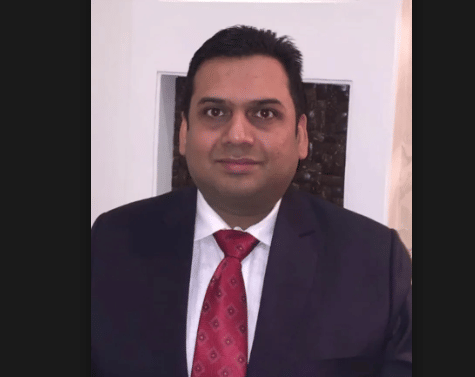
Karan Randhawa
Former Advisor, NRI Affairs (Views are personal.)
These pieces are being published as they have been received – they have not been edited/fact-checked by ThePrint.