




Thank you dear subscribers, we are overwhelmed with your response.Your Turn is a unique section from ThePrint featuring points of view from its subscribers. If you are a subscriber, have a point of view, please send it to us. If not, do subscribe here: https://theprint.in/subscribe/
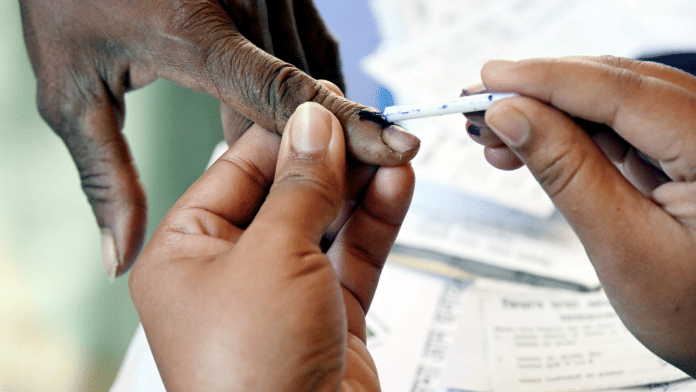
Voting in India is not just a right – it is the foundation of democracy. Every adult citizen is empowered to choose who governs them. But while the voter’s role remains unchanged, the spirit of campaigning has transformed. What was once a contest of ideas has now become a competition of influence, funding, and data analytics.
When Politics Had a Soul: In the early decades after Independence, campaigns were personal and people centric. Candidates travelled through villages in jeeps or bullock carts, delivering speeches that inspired hope and stirred public emotion. They spoke about employment, irrigation, education, and equality – issues that truly mattered.
Local party workers knew families by name and built trust through direct contact. They distributed manifestos, helped the elderly reach polling booths, and ensured every vote counted. There were no cash envelopes or freebies; crowds gathered for oratory and integrity. Elections were community events – school grounds turned into rally venues, leaders quoted mythology and literature, and people waited for hours to hear them. Campaigning was about persuasion, not purchase.
Reforms and the Rise of Money Power: By the mid-1990s, the Election Commission introduced reforms to make polls cleaner and transparent. Spending limits were imposed, bribery checked, and polling procedures tightened. Yet money power grew stronger.
Party tickets increasingly went to those who could self-finance or fill party coffers. Ideological commitment gave way to financial capability. Elections began to mirror the marketplace – candidates became investments, and power the expected return. Campaigning turned into a commercial enterprise managed by PR firms and event planners.
2014: The Digital Turning Point: The 2014 Lok Sabha election marked a watershed. Political parties deployed full-fledged data strategists and professional consultants. Campaigns became meticulously planned projects powered by technology, social media, and behavioural analytics.
Every voter became a data point – classified by age, caste, income, and online habits. Algorithms predicted preferences; hyper-targeted messages were crafted for each segment. Instinct gave way to analytics; field connect to digital dashboards.
From WhatsApp forwards to YouTube videos, every platform became a campaign weapon. Elections turned into marketing spectacles – part emotional theatre, part data science. The message was no longer what the nation needed, but what voters wanted to hear.
The Expensive Business of Winning: Modern electioneering has become exorbitantly costly. National parties spend thousands of crores on data, social media, advertising, and rallies. Even regional outfits employ professional consultants and digital teams.
This huge expenditure has changed who can contest. Merit and credibility often yield to financial influence. Candidates are now chosen for their “winnability” – a euphemism for their spending power. Money determines visibility, and visibility determines votes.
Corporate donations and opaque funding blur the line between governance and business. Every campaign rupee seeks a return – through contracts or access. Politics, once a calling, now resembles an investment.
Voters and the Mirage of Choice: Amidst this transformation, the voter is caught in a maze of perception and propaganda. Sophisticated campaigns exploit emotions and fears. Voters are bombarded with slogans and digital narratives that reinforce biases. The line between information and manipulation grows thinner.
While social media has democratised communication, it has also polarised discourse. Echo chambers amplify anger, drown nuance, and convert citizens into consumers of ideology. Voter decisions today are shaped less by performance and more by perception – often crafted by unseen strategists.
From Democracy to Data-crazy: Elections are no longer fought only on the ground; they are engineered in data labs. Algorithms measure sentiment, consultants script narratives, and parties fine-tune messages by the hour. The more one spends, the louder the campaign and the greater the chance of success.
What is more alarming is the growing talk of Vote-Chori – the silent manipulation of electoral data or digital tampering through misinformation. Even the perception of stolen votes can erode public trust. Its effects may well echo in coming elections as voters grow more sceptical and divided. We may still call it democracy, but it increasingly resembles data-crazy – a system where algorithms shape outcomes more than authenticity.
Restoring the Soul of Indian Politics: India’s democracy has matured, but it now faces a moral dilemma. Campaigns may be technologically advanced, yet they risk losing their ethical core. Elections must again be about ideas, not investments; candidates chosen for integrity, not influence.
Voters, too, must look beyond slogans and ask the right questions. For all its changes, one truth remains timeless: democracy draws its strength not from the money of the few, but from the conscience of the many. The real power still lies in the ballot – not the bank.
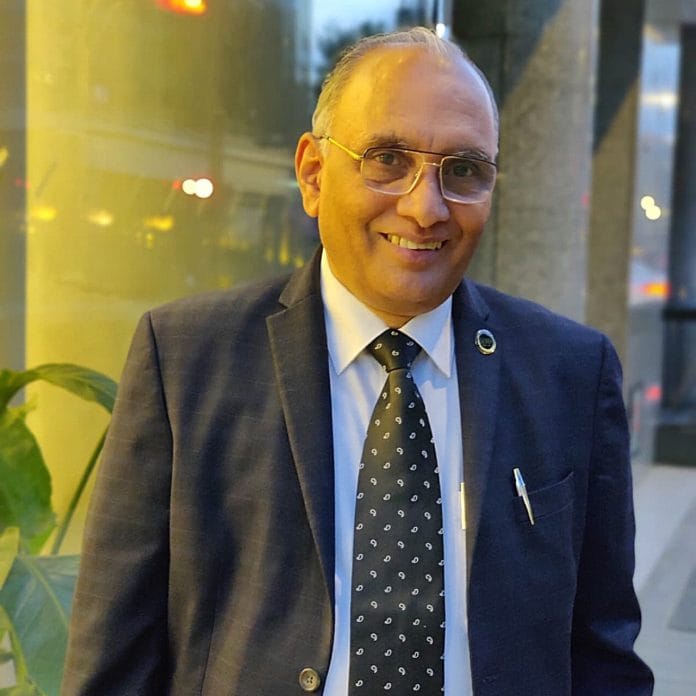
P S Parameswaran
Entrepreneur | Qualified Corporate Director | Freelance Writer
These pieces are being published as they have been received – they have not been edited/fact-checked by ThePrint