








Seoul: Late last year, more than a thousand people converged in Seoul’s convention center as elite engineers presented their latest developments in artificial intelligence. Despite the arcane jargon filling the sprawling auditorium, it was a must-attend event for Korean technology executives and investors. The talk on the floor was that the science minister had ducked out of a parliamentary hearing on a data breach at Coupang Inc. to watch the demonstrations — a rare, high-stakes contest over who had created the best homegrown AI models.
As tens of thousands tuned into the livestreamed event, cheers and shouts erupted each time contestants stepped into the spotlight, knowing that for some of them, this would be their last appearance.
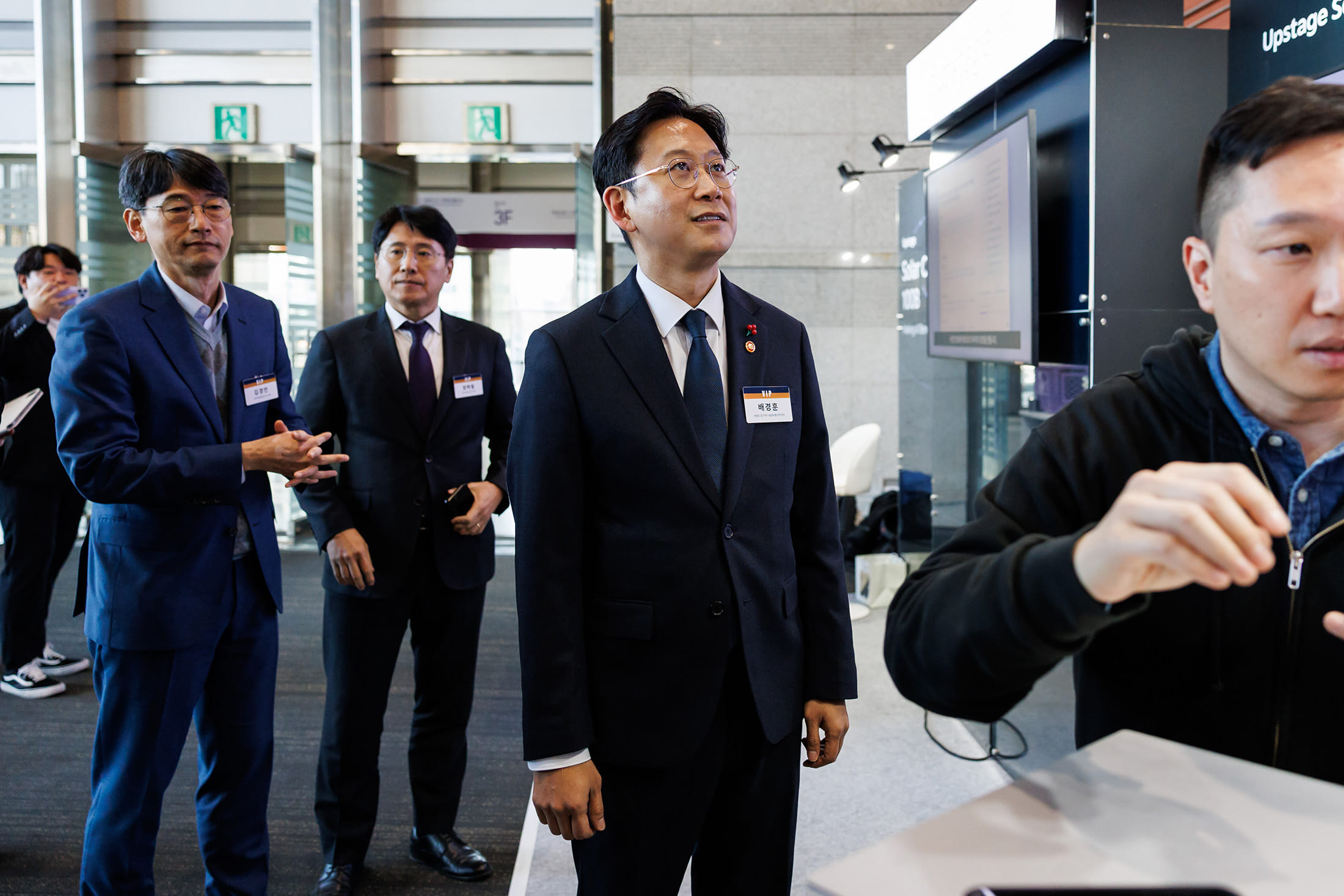
The competition, which some are calling the “AI Squid Game” in a nod to the popular Netflix survival drama, is a government-sponsored tournament that was unveiled in August and will run for more than a year. It’s designed to identify the leaders in the country’s bid to become an AI powerhouse. The format, like the show that became a symbol of Korea’s cultural soft power, is ruthless: the teams’ AI foundation models face evaluation and elimination every six months by a panel of judges overseen by the Ministry of Science and ICT.
On Thursday, the judges eliminated the unit of Naver Corp., which was criticized for using foreign technology. They also dismissed the AI subsidiary of NCSoft Corp., the only team led by a woman, based on evaluations of its model’s performance. This was a surprising development, as only one team was expected to be cut. The subsidiaries of LG and SK Group remained in the running, along with AI startup Upstage, according to the science ministry, which also announced that it would select an additional team to join in the next competition stage. Two winners are expected to be announced in early 2027.
“It may look like a spectacle, but this is a high-stakes contest that will shape Korea’s future,” said Chanjun Park, an assistant professor in the School of Software at Soongsil University in Seoul.
The government’s bet is that competition will breed innovation — at speed — and bolster a homegrown AI industry in a field increasingly dominated by US and Chinese players. The country’s ultimate goal, officials say, is to develop indigenous open-source models that are on par with global frontier models such as ChatGPT and DeepSeek.
South Korea is among a growing list of nations determined to prevent their industries and workforces from being left behind by AI. France, too, is aiming to become a third AI hub, with the government investing billions in AI projects and promoting homegrown players. Saudi Arabia and the UAE are leveraging their massive capital to acquire advanced computing infrastructure and to fund domestic models such as Falcon LLM. Others, including Singapore, Japan, Canada and India, are also working on their own sovereign AI strategies.
Korean officials are particularly committed to building homegrown foundation models as the country is already a heavy user of AI — one of the world’s biggest markets for ChatGPT by paying users. It also has the world’s highest density of industrial robots, a sector set for radical changes led by the technology.
Science and ICT Minister Bae Kyung-Hoon, appointed in July, thinks it can capitalize on its unique standing as a “full-stack AI country,” with its own advanced memory chips, domestic cloud, and applications.
“There are several countries vying to be No. 3, but we don’t see ourselves as just another contender in that pack,” he said. “We believe we have a real shot at becoming a serious global player — one capable of challenging the top two.”
Contenders and controversy
For participants, the contest could be a make-or-break catalyst for their AI ambitions. The government is providing them with access to GPUs and datasets, and winning teams will have the chance at gaining an influential — and possibly lucrative — position in the AI ecosystem. Eliminated teams will lose access to the GPUs. Shares in Naver have fallen since the announcement on Thursday, while those in LG affiliates and SK Telecom Co. have rallied.
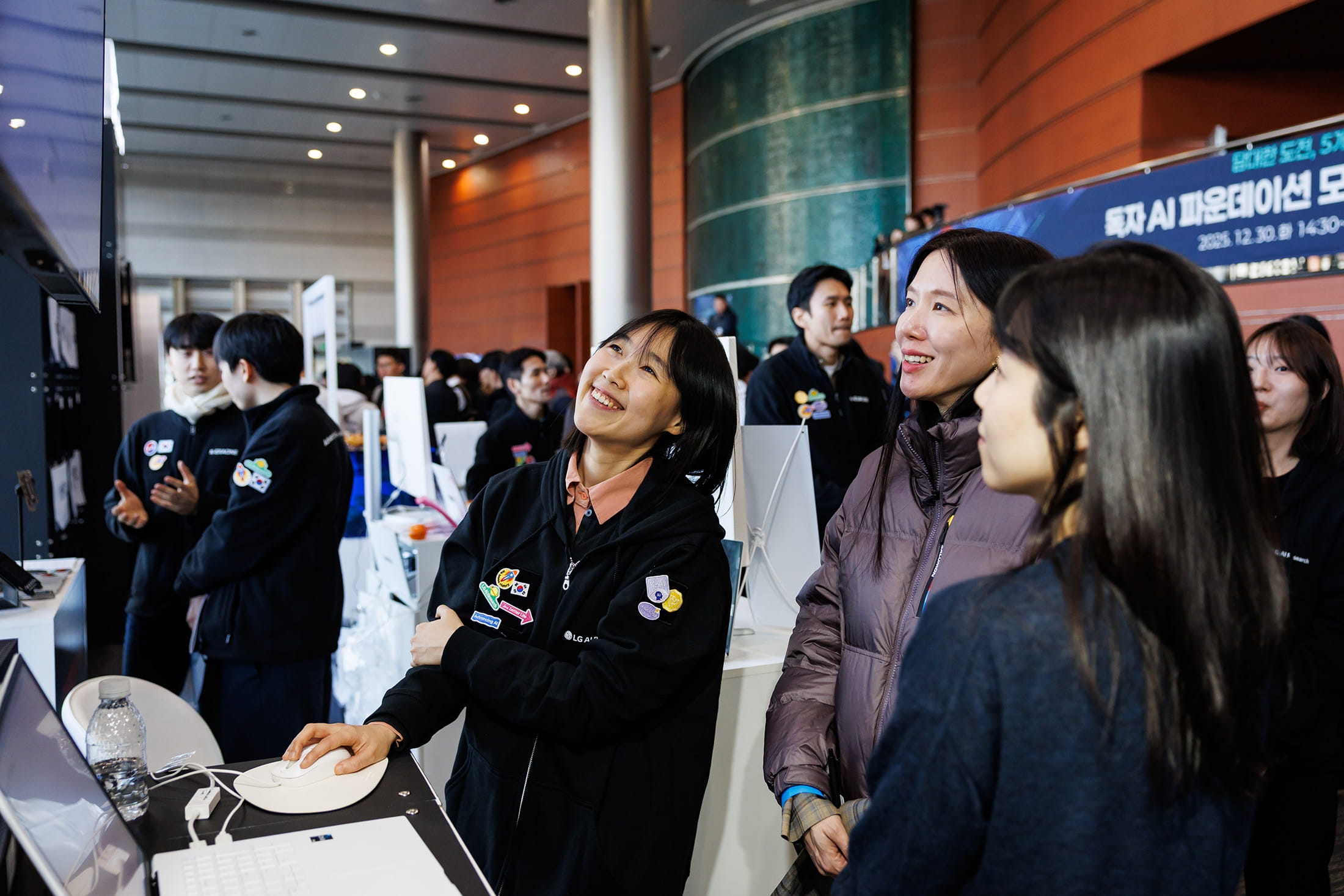
LG AI Research is widely seen as the top contender. Its model, named the K-Exaone, had the highest overall score in the latest stage.
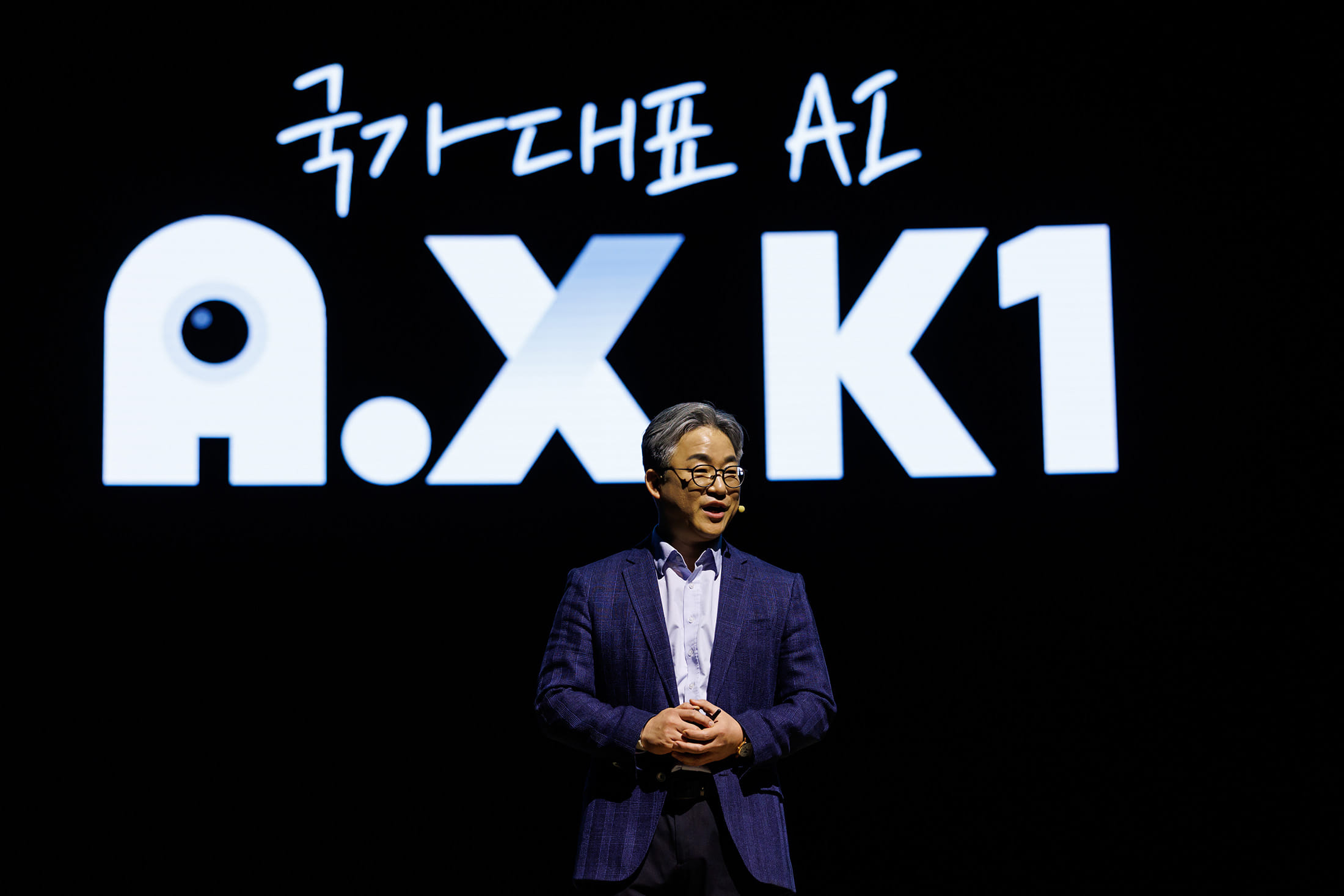
SK Telecom has also drawn attention due to the sheer scale of its model. Its model, A.X K1, boasts 519 billion in parameters, roughly double the scale of K-Exaone and near the level of the latest DeepSeek models, while it trails the most advanced version of ChatGPT. Generally, higher parameters, which reflect the number of variables used in machine learning, indicate more sophisticated models with greater reasoning power, although this can also mean heavy computing and energy requirements.
Upstage, a five-year-old startup aiming for an IPO, is also in the running after unveiling a powerful and cost-efficient large language model. The government plans to soon begin accepting applicants for a fourth contestant in the next round of evaluations expected mid-year.
The competition has also sparked a debate over what constitutes real, homegrown AI. The government has emphasized the need for AI foundation models to be trained end-to-end from the ground up with proprietary learning processes, data and architecture. As teams fight to match the performance of global leaders, they have been dogged by claims that some used foreign technology — despite the official requirement that teams build models from scratch.
The controversy came to a head when a rival firm accused Upstage’s Solar Open model of closely resembling a Chinese model, GLM-4.5-Air. Upstage denied the charge and convened a public verification session, forcing an apology from the accuser, but the scrutiny spread to other participants. Critics accused Naver Cloud of incorporating vision encoders and weights similar to architectures released by Chinese labs like Alibaba Group Holding Ltd. SK Telecom’s model also came under scrutiny for alleged architectural similarities to a Chinese model.
Building on existing architectures is common practice in AI development. For many, the time and cost involved in creating a frontier model from zero are prohibitive, and many players, to some extent, lean on foundational research by leaders like Meta Platforms Inc.
In eliminating Naver Cloud, government officials told reporters that its partial use of an existing Chinese model violated the program’s requirements. They also clarified that they saw no reason for SK Telecom or Upstage to be disqualified. On Thursday, Naver said it respected the panel’s decision.
Even without such disputes, participants said emotions have been running high throughout the competition, with engineers on the different teams working around the clock to inspect the quality of datasets and tweak the models to boost their performance, which can be both repetitive and time-consuming.
Lee Jinsik, who leads LG AI Research’s Exaone Lab, said he’s been working so late that it’s been months since he saw his toddler awake. Yet he and other project leaders say they’re excited to be part of a competition that could have major consequences for Korea’s technology industry, as well as the broader economy.
“This is nerve-racking. But this is exactly how K-pop took off,” said Upstage Chief Executive Officer Sung Kim, comparing it to the audition shows that gave rise to some of the early stars of the country’s now-famous music scene. “I’m pretty sure the same thing will happen in the field of AI and science in Korea.”
While South Korea isn’t the only country pursuing its own AI capabilities, the initiative follows a familiar pattern for the nation of 51.6 million that rose from the ruins of the Korean War through a unique synergy of state-led investment and private-sector ambition. By channeling funding into critical industries, the government has repeatedly transformed a once-impoverished country into a thriving capitalist democracy.
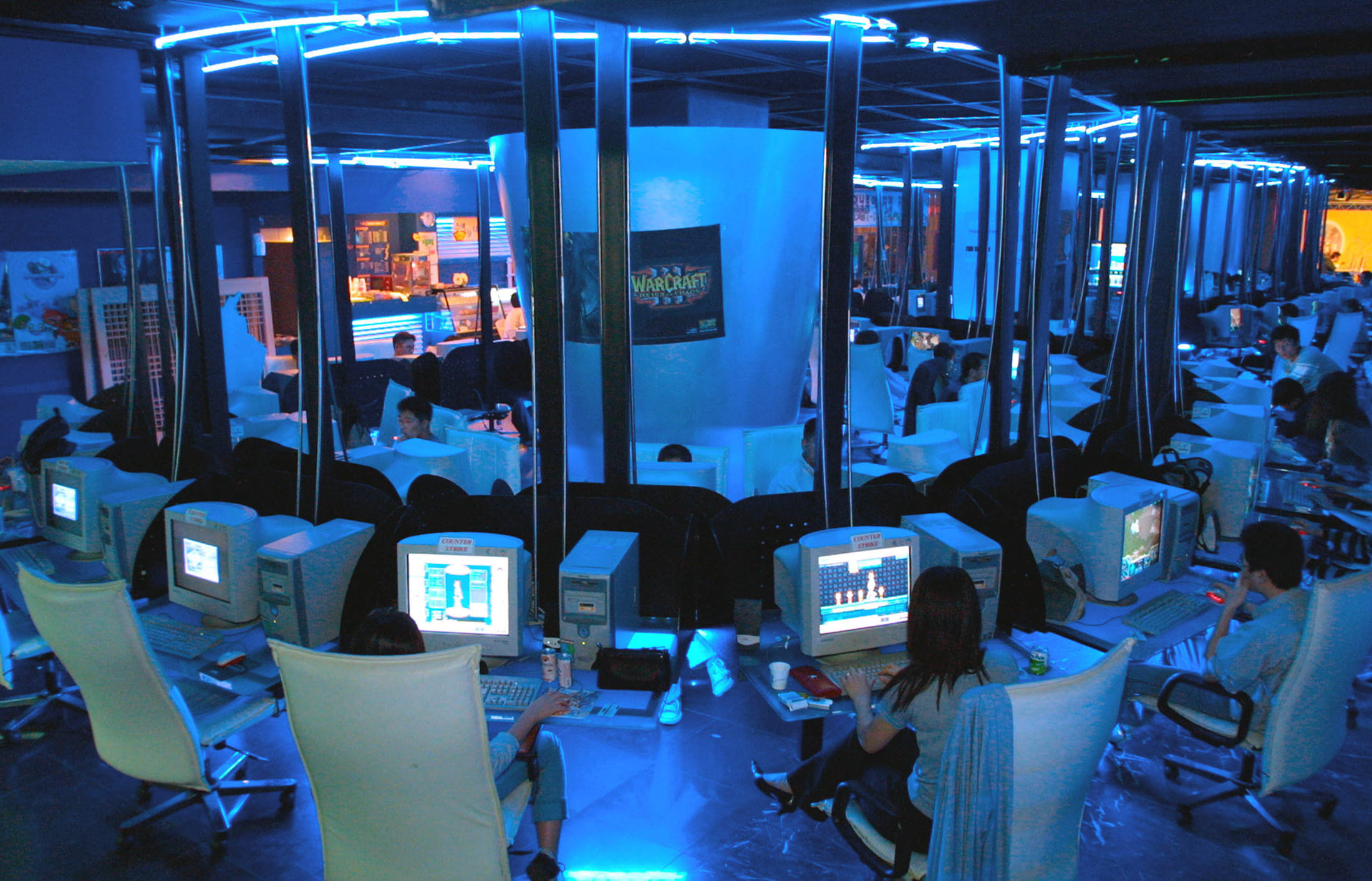
In 1968, when South Korea still depended on US food aid, then-President Park Chung Hee pushed through the Seoul-Busan highway, a project widely dismissed at the time as a reckless fantasy. Chung Ju Young, the late founder of Hyundai Group who later went on to build the world’s biggest shipbuilding company in Korea, backed it anyway — helping catalyze the country’s industrial takeoff. Three decades later, President Kim Dae Jung directed another pivot, laying the ultra-fast broadband that sparked the country’s digital rise.
President Lee Jae Myung is framing artificial intelligence as the next great leap. In a November budget speech, Lee pledged to build an “AI Highway” — a national infrastructure of compute power, data and the rollout of 6G technology. By invoking the same logic that built the roads and the web, Korea is betting that it can once again engineer its way to the top.
This time, too, the private sector — led by its chaebol and budding startups — is acting as the primary engine for the state-led initiative. SK Group Chairman Chey Tae-won made an online video appearance at the December event, emphasizing how important a homegrown sovereign AI model was for the country’s future.
All that attention can mean pressure — as well as pride, said Kim Tae Yoon, who leads SK Telecom’s foundation model team. He says he’s gone gray since the contest and, in a break from tradition, was too busy to help with the annual harvest at his parents’ tangerine farm on Jeju Island, off the southern coast.

“To be involved in a project this important is a rare honor,” he said. “It’s an engineer’s dream.”
Disclaimer: This report is auto generated from the Bloomberg news service. ThePrint holds no responsibility for its content.
Also read: After Indonesia & Malaysia, Philippines moves to block Grok AI