








Mexico’s decision to halt all oil shipments to Cuba has delivered a fresh blow to the fuel-starved country, with the island logging its first month without oil imports in a decade.
Mexico had emerged as Havana’s top supplier of oil after US President Donald Trump ordered the capture of Venezuelan leader Nicolas Maduro last month and halted fuel flows from what had been the communist-run island’s staunchest ally.
Monthly crude oil shipments from Mexico helped Cuba produce enough gasoline to meet about a month’s worth of demand, according to Bloomberg calculations. But Mexican President Claudia Sheinbaum confirmed on Monday oil shipments are “on hold” given Trump’s threat to impose tariffs on any goods from countries that sell or provide oil to Cuba.
Oil imports to the island reached zero in January for the first time since 2015, according to data from shipping reports and Kpler Ltd. Volumes have been under threat since December, when the US launched a naval blockade in pursuit of so-called dark fleet vessels transporting sanctioned oil from places like Venezuela and Russia.
Trump is pushing to undermine Cuba’s communist government after toppling Venezuela’s socialist leader, and the pressure on fuel supplies is squeezing the Cuban economy.
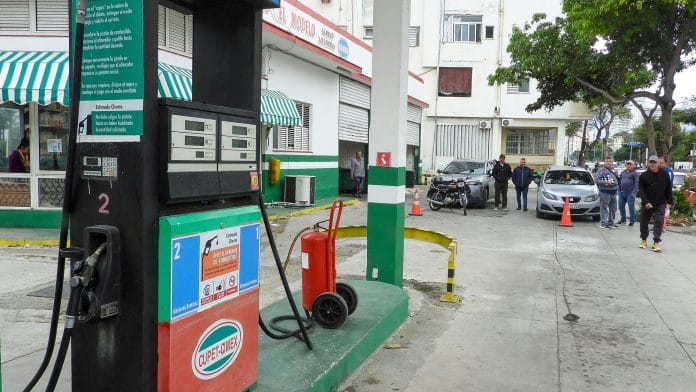
Multi-hour lines at gas stations have been getting worse across Havana. The country is facing shortages of everything, from cooking gas, to water and electricity. A shortage of jet fuel prompted Havana to tell airlines they can’t refuel on the island for the next month. At least two large beach resorts were to shut down due to gasoline shortages.
Cuba itself has been a target of US sanctions since the 1960s, but Mexico’s oil to Cuba, labeled humanitarian aid, had allowed it to flow. Nearly 80% of the island’s imported oil needs were met by Mexico and Venezuela last year, data from Kpler show.
Sheinbaum on Monday firmly rejected Trump’s move to squeeze Cuba’s oil imports. “It’s not right. They don’t have fuel for hospitals or schools. The people are suffering,” she said.
US forces seized the vessel Skipper in December, which was carrying crude that would enable Cuba to make enough fuel for roughly three months of gasoline demand. The last oil ship that discharged in Cuba came at the end of December, a few days before US forces landed in Venezuela, according to data from Kpler.
It’s hard to estimate how long supplies of motor fuels will last as Cuba doesn’t disclose the information.
In a rare comment made in 2024, a government official said gasoline demand on the island of about 10 million people totals roughly 8,200 barrels a day and has been only been marginally met amid sanctions and blockades.
This report is auto-generated from Bloomberg news service. ThePrint holds no responsibility for its content.