





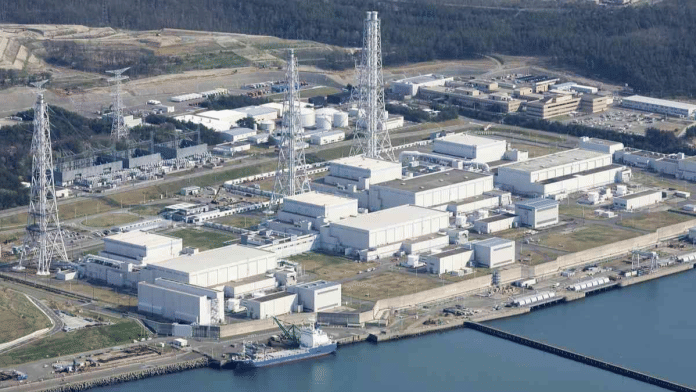



New Delhi: Japan is set to restart operations at the world’s largest nuclear power plant 15 years after the Fukushima nuclear disaster, a critical moment as the government looks to reduce its dependence on imported fossil fuels.
Kashiwazaki-Kariwa was one of 54 reactors that were shut after the massive 2011 earthquake and tsunami wrecked the Fukushima Daiichi nuclear plant, located 220 km northwest of Tokyo. The plant has a total capacity of 8.2 gigawatts, enough to supply power to seven million homes.
The Niigata prefecture assembly on Monday green-flagged a Bill paving the way for Tokyo Electric Power Company (TEPCO), which was operating the Fukushima plant, to restart one of the plant’s seven reactors.
“This is a milestone, but this is not the end,” Niigata Governor Hideyo Hanazumi told reporters after winning the vote of confidence. He also assured citizens that the government would take every step to ensure their safety.
According to Japan’s national broadcaster NHK, Kashiwazaki-Kariwa is expected to begin operations on 20 January.
However, some lawmakers criticised the decision, expressing concern about potential ripple effects in the event of a nuclear plant failure, similar to the Fukushima disaster, which reached Level 7 on the International Nuclear and Radiological Event Scale, second only to the Chernobyl disaster.
“This is nothing but a political settlement that does not take the will of the Niigata residents,” a member of the legislature who opposed the bill told reporters.
Protesters gathered outside the prefecture’s legislature, with placards saying, ‘No Nukes’ and ‘We oppose the restart of Kashiwazaki-Kariwa and Support Fukushima’.
Also Read: From Washington to Dhaka: Key elections to watch in 2026
Pivot towards n-energy
Before the Fukushima disaster, Japan’s nuclear reactors had provided around 30 percent of the country’s electricity. Since then, Japan has increased its reliance on costly imported fossil fuels, including coal and gas, for its power needs.
The Sanae Takaichi-led government has been actively pushing for the reopening of nuclear power plants, underscoring her commitment to reducing emissions and dependency on foreign imported fossil fuels.
Fourteen of Japan’s 33 nuclear plants are currently operational and the government plans to reopen more.
Japan spent about 10.7 trillion yen, or roughly $68 billion, on imported liquefied natural gas and coal last year, accounting for around one-tenth of total imports.
Even though the population of Japan is declining, the country expects a surge in energy demand over the next decade due to expanding energy-intensive AI data centres.
To achieve its decarbonisation goals, Japan aims to increase nuclear power’s share of electricity generation to 20 percent by 2040.
Vaibhav Pant is a TPSJ alum, currently interning with ThePrint.
(Edited by Sugita Katyal)
Also Read: What is Hanukkah, the Jewish festival that was being celebrated at Bondi beach when gunman struck