





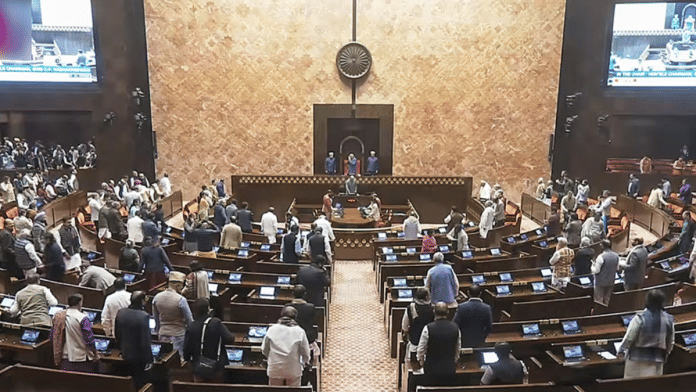



New Delhi: Nuclear energy has always been a subject of intense debate in India, and it is back in focus with Parliament earlier this week passing the Sustainable Harnessing and Advancement of Nuclear Energy for Transforming India (SHANTI) Bill, 2025.
The bill proposes to allow the private sector in India’s tightly regulated nuclear energy industry, and revises provisions of the liability clause, significantly reducing the responsibility of suppliers in case of accidents caused by faulty equipment.
While the passing of the SHANTI Bill was termed “a transformational moment for India’s technology landscape” by Prime Minister Narendra Modi, the Opposition framed it as a “dangerous leap”, with DMK MP P. Wilson even calling the proposed legislation a “nuclear bomb” aimed at India’s peace and security.
As debate about the concerns over the SHANTI Bill rages on, ThePrint takes a closer look at how countries across the world are using nuclear energy, and whether India’s attempt to recalibrate how it harnesses nuclear power is part of a broader global trend.
Also Read: How Japan is treating radioactive water from Fukushima plant before releasing it into Pacific Ocean
Renewed global interest
According to the World Nuclear Association, nuclear power accounts for around nine percent of global electricity generation at present, with more than 31 countries using it as a source of electricity.
However, by 2040, global nuclear-generation capacity is expected to rise from 378 gigawatts to 575 gigawatts, taking nuclear energy’s share to 12 percent, according to a 2025 Goldman Sachs report.
But what factors have reinvigorated interest in nuclear power worldwide, especially after the ‘nuclear taboo’ that engulfed several parts of the world, following the 2011 Fukushima nuclear disaster?
The severity of the Fukushima accident plummeted both interest and confidence in nuclear power as a source of energy, with countries like Germany deciding to disembark from the nuclear trajectory and turning to other sources of renewables.
The question on the renewed interest in nuclear energy was answered partly by PM Modi, who wrote on X after the SHANTI Bill was passed by Parliament that it will “safely power Artificial Intelligence, enable green manufacturing and deliver a decisive boost to a clean-energy future for the country and the world”.
It will also generate employment opportunities for the huge pool of employable youth, he said.
According to the World Nuclear Fuel Report, the primary drivers for this accelerated enthusiasm are decarbonisation and climate change goals, socioeconomic development aims, as well as enhanced interest for energy security and sovereignty, following the Russia-Ukraine conflict.
Nuclear energy does not emit greenhouse gases and ensures round-the-clock supply, something that solar and wind energy lack, making nuclear energy an attractive option, not just for governments but also major private emitters.
With the boom in artificial intelligence that requires energy-intensive data centers, which accounted for 1.5 percent of the world’s electricity consumption in 2024, nuclear power offers a way out to meet climate obligations.
Major tech giants like Amazon, Google, Meta and others, thereby, joined a pledge to triple nuclear power capacity by 2050.
Where do major countries stand?
Major countries across the world, including India, have harnessed nuclear energy to meet part of their power needs, but their approaches differ, shaped by politics, economics, and responses to nuclear accidents.
India
According to the Department of Atomic Energy, India’s installed nuclear power capacity was around 8780 MW in 2024-25, about 3.1 percent of the total electricity generated in the country.
India currently has 24 operable nuclear reactors with six additional reactors under construction, according to the World Nuclear Association.
India, which is dependent on massive imports of fossil fuels to meet its energy needs, has set an ambitious target of 100 GW of atomic energy capacity by 2047 to achieve its climate goals as well as energy security.
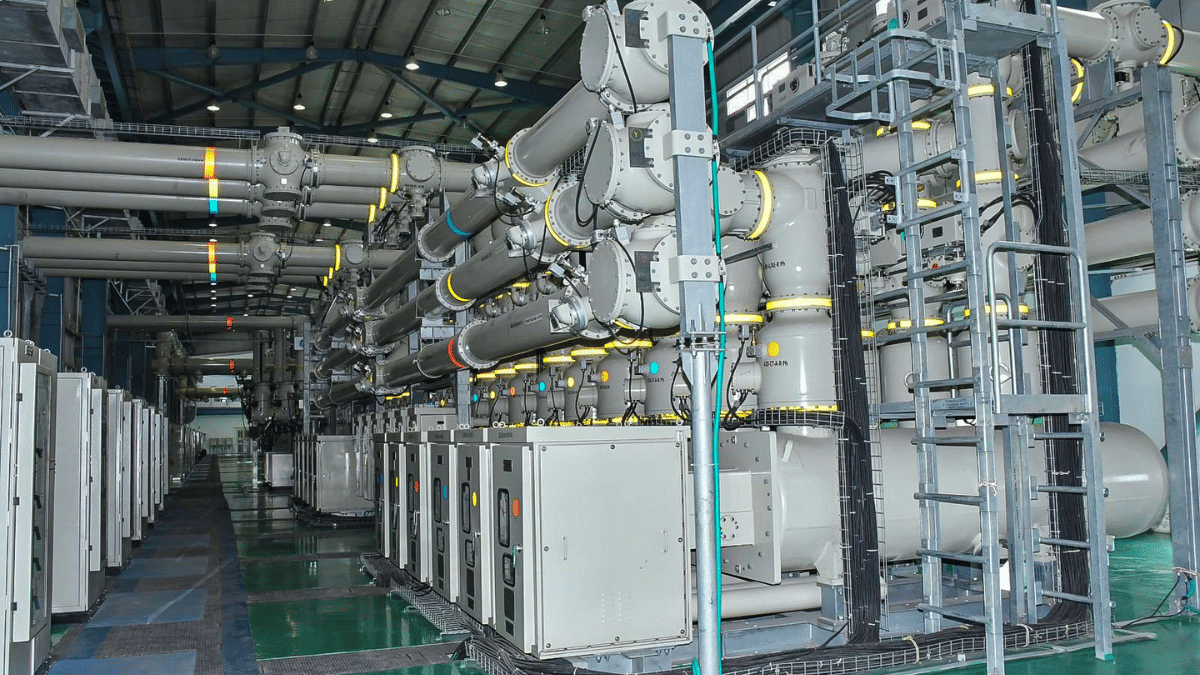
There is a sustained push in this direction. The 2025-26 Union Budget launched the Nuclear Energy Mission with an outlay of Rs 20,000 crore, focussing on Research and Development on Small Modular Reactors (SMRs), aiming to develop at least five indigenously designed and operational SMRs by 2033.
The passing of the SHANTI Bill by both Houses of Parliament marks a transformational moment for our technology landscape. My gratitude to MPs who have supported its passage. From safely powering AI to enabling green manufacturing, it delivers a decisive boost to a clean-energy…
— Narendra Modi (@narendramodi) December 18, 2025
USA
The US is the largest producer of nuclear power, accounting for about 30 percent of the world’s total nuclear electricity generation. The country’s nuclear reactors produced 816 terawatt-hour (TWh) in 2024, around 18 percent of its total power output.
For decades, though, nuclear power was not among the national priorities in Washington, with incidents, such as the 1979 Three Mile Island accident, and factors like time and cost overruns playing on the minds of policymakers.
But there has been a rethink in recent years, with both the Biden and Trump administrations taking steps towards promoting nuclear energy.
The Inflation Reduction Act of 2022, signed by then-president Joe Biden, includes new tax incentives and credits aimed at supporting existing and new nuclear power plants.
The Advance (Accelerating Deployment of Versatile, Advanced Nuclear for Clean Energy) Act of 2024, signed into law in July 2024, aims to accelerate the development and deployment of advanced nuclear energy technologies in the US.
In May this year, President Trump signed executive orders for accelerating the licensing process, expanding the domestic nuclear fuel cycle, promoting exports and prioritising commercially viable technologies.
In September, the US Department of Energy launched its ‘Speed to Power’ initiative to accelerate large-scale generation and transmission projects amid surging power demand due to the AI boom, electrification, and manufacturing.
The US administration aims to quadruple U.S. nuclear power capacity by 2050.
China
China is the second-largest nuclear-generating country with an output of 417.5 TWh, as of 2024. It currently has 59 operating nuclear reactors.
China is bolstering its capacities at a breakneck speed—out of the 70 nuclear power reactors currently under construction worldwide, 36 are in China.
The country also uses nuclear power reactors as part of its Belt and Road Initiative diplomacy. It has already supplied 6 nuclear reactors to Pakistan. Beijing’s interest in nuclear power has stood the test of time as it has been incorporated as a part of the national strategy.
It has built what it calls the world’s first “fourth generation” reactor, a gas-cooled model that can provide heat and steam for heavy industry in addition to electricity. China is also a leader in SMR technology and will start commercial operation of its homegrown SMR, the Linglong One, in the first half of 2026.
China plans to build 150 nuclear reactors over the next 15 years, with the target of reaching 200 GW of nuclear power by 2035, according to China’s 14th Five-Year-Plan.
Beijing is aiming for 10 percent nuclear share in its electricity mix by 2035, up from 4.5 percent at present.
European Union
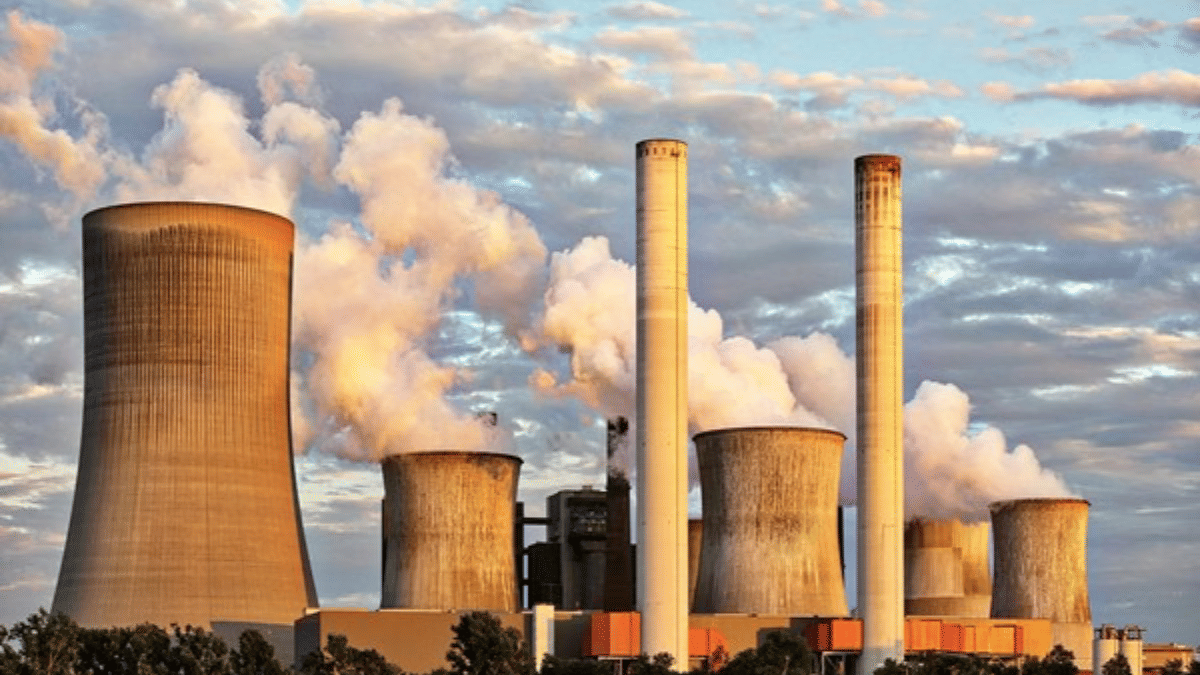
When it comes to the adoption of nuclear power in the European Union, France is the undisputed leader, getting up to around 70 percent of its electricity from nuclear energy. It remains the third largest generator of nuclear power globally, producing 364.4 TWh, as of 2024.
Other countries like Slovakia and Hungary also secure almost half their electricity generation from nuclear power.
As Russia “weaponised” its fossil fuel-based energy exports to Europe after the full scale invasion of Ukraine in February 2022, France’s president Emmanuel Macron called for a “renaissance” of low-carbon nuclear power to secure domestic energy supplies.
Ukraine, which has been granted candidate status by the EU, has relied on nuclear energy for electricity production throughout the war. Europe is thus finding a way of balancing sovereignty with sustainability using nuclear power.
The trend towards embracing nuclear power is evident, with countries such as Belgium halting a planned phase-out and others in central Europe and Sweden planning new reactors. The EU plans to expand nuclear power to 109 GW by 2050.
Germany, however, remains an exception in the EU, with its phasing out of its last three nuclear reactors in 2023.
Russia
Around 18 percent of electricity produced in the Russian Federation has its basis in nuclear power. According to the International Atomic Energy Agency (IAEA), there are 36 nuclear reactors under operation in the country, including the world’s only floating nuclear power plant Akademik Lomonosov, while seven more are under construction.
Russia also exports nuclear goods and services. Currently, it is involved in the construction of about 20 reactors abroad.
Russia is a world leader in fast neutron reactor technology and is consolidating this through its Proryv (‘Breakthrough’) project. Moscow aims to increase the share of nuclear power in its total electricity generation to 25 percent by 2045.
Other major countries
Other significant players include Japan and South Korea.
Devastated by the 2011 Fukushima disaster, Japan temporarily shut down all 54 of its operable nuclear reactors by 2014, with some later restarting under stricter safety regulations.
And in 2025, Japan’s fleet of nuclear reactors has generated the largest amount of electricity since 2011, highlighting a shift in Japanese thinking.
Sushovan Chakraborty is an intern with ThePrint.
(Edited by Ajeet Tiwari)
Also Read: The enhanced powers of govt under SHANTI Bill & what’s changed when it comes to nuclear liability