





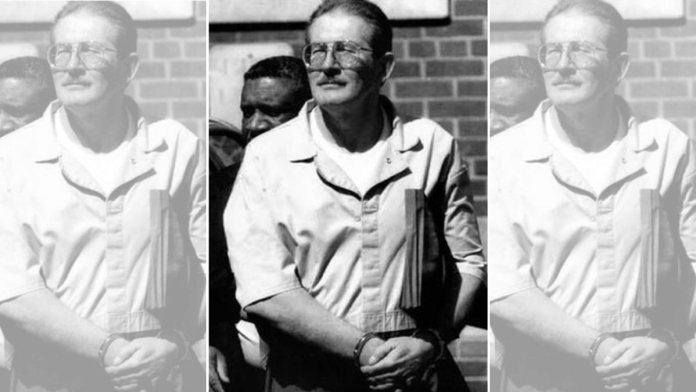



New Delhi: In the annals of the espionage world, CIA turncoat Aldrich Hazen Ames is a dark chapter for American intelligence. The rogue spy, presumably, did more damage to the US than any other Russian mole in its history.
That chapter closed Monday following the death of Ames, 84, in a Maryland prison, where he was serving a life sentence. He had admitted to being paid $2.5 million by Moscow for US secrets from 1985 until his arrest in 1994.
The double game came at a critical moment when the erstwhile Soviet Union was undergoing disintegration, and Russia was emerging as its successor state.
The notorious spy admitted to having divulged the identities of more than 30 agents spying for the West, leading to the execution of at least 10 intelligence assets of the Central Intelligence Agency (CIA).
Known by his code name ‘Kolokol’ (The Bell), Ames reportedly compromised more than 100 of Washington’s clandestine operations, resulting in a significant setback for the CIA during the Cold War.
The unprecedented rate at which the erstwhile Soviet spy agency KGB was rounding up US assets led the American intelligence to initiate an inquiry. Still, Ames remained under their radar for around a decade till the Federal Bureau of Investigation (FBI) arrested him in Arlington, Virginia, on espionage charges on 21 February, 1994.
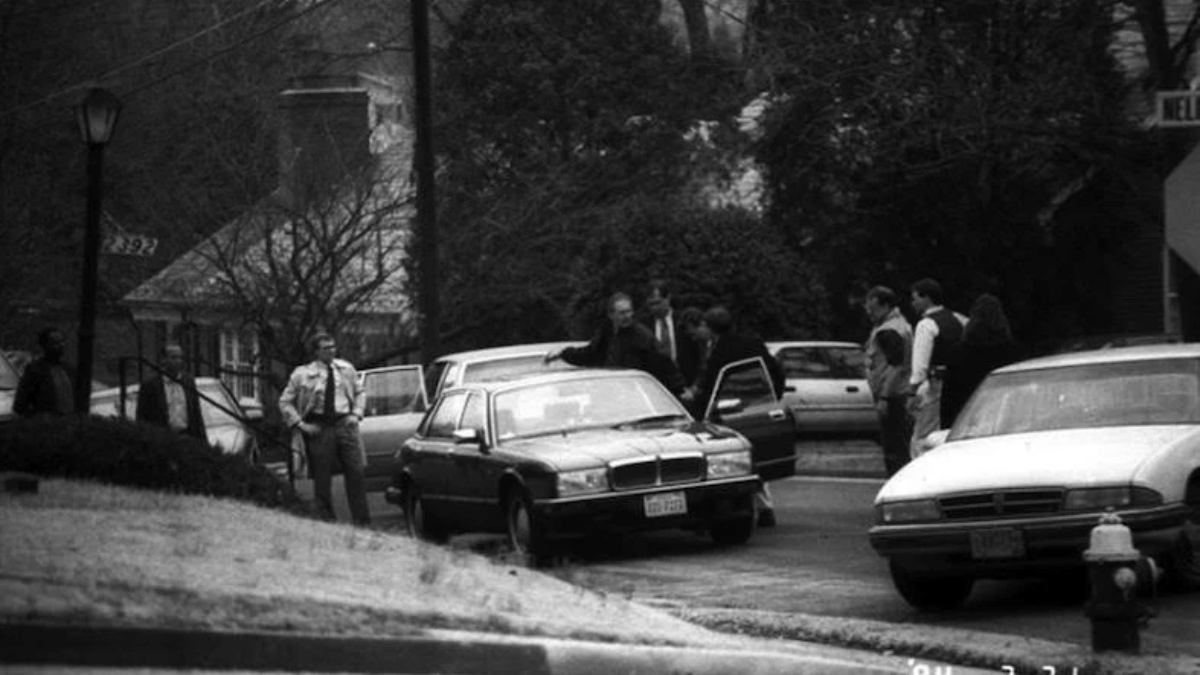
The arrest came after the FBI opened an investigation in May 1993 following analytical reviews and receipt of information about Ames’s unexplained wealth. This led to intensive physical and electronic surveillance, which revealed documents and other information linking him to the Russian foreign intelligence service.
For the KGB and the Russians, this brought an end to one of their most successful penetrations into the US intelligence networks. After eight-plus years, since 1985, of working as a CIA turncoat, Ames and his wife Rosario pleaded guilty on 28 April, 1994. He was sentenced to incarceration for life without the possibility of parole.
From utilising “dead drops” (a secret, prearranged location where spies leave items, messages, or information) in Washington to his escapades in Rome, the CIA mole gained infamy as a traitor whose leaks led to the execution of many sources that the US intelligence cultivated over the years inside the turf of its Cold War adversary.
The deep implanted assets used to provide critical intelligence about Soviet activities to the US intelligence network, which policy makers used in determining American foreign policy, according to the FBI.
Also Read: Pakistan defence exports at all-time high, ‘contracts’ worth $10 bn inked across globe in 2025
A tale of betrayal
The world of espionage was not new to Aldrich, as he was exposed to it since an early age. His father’s job as a CIA analyst helped him secure a job at the intelligence corps after he dropped out of college.
At the time of his arrest, Ames already had more than decades of association with America’s foreign intelligence agency. He was then a CIA case officer who spoke Russian and specialised in the Russian intelligence services, according to the FBI. In addition to Washington, he spent a significant part of his career on assignments in Ankara, New York City, Mexico City, and Rome.
Though Ames rose through the ranks, he was an officer with an unscathed record. He had a drinking problem that landed him in unsuitable situations quite a few times.
Mounting debts and financial troubles, as confessed by him, primarily owing to issues in his personal life, ultimately led him to sell his country’s secrets to the adversary. In an interview to The Washington Post the day before his sentencing, Ames cited “financial troubles, immediate and continuing”, as the motivation behind his actions, rather than any ideological inclinations.
It was as the head of the CIA’s Soviet counterintelligence department that Ames was able to cause such damage to the American intelligence set-up. It gave him almost unfettered access to classified information about the US’s covert operations against the USSR and, crucially, the identities of its agents in the field.
When asked in an interview about the human assets whose death or incarceration he was responsible, he told The New York Times that “they took similar risks”. “The men I sold. … What happened to them also happened to me,” Ames said in a self-justificatory tone.
Sushovan Chakraborty is an intern with ThePrint
(Edited by Tony Rai)
Also Read: Maduro’s ‘capture’ by US follows a four-month-long build-up. A look at the timeline