





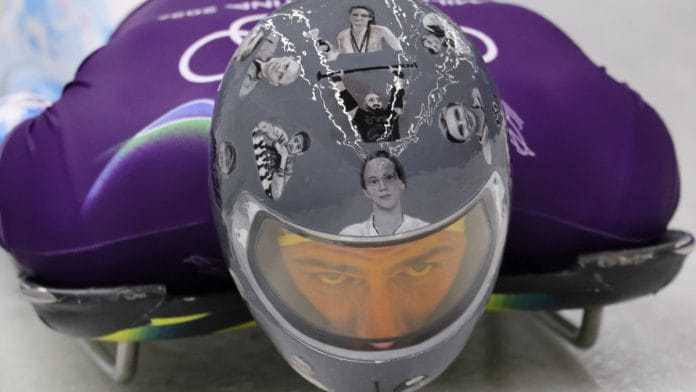



New Delhi: In a huge controversy that unfolded at the Milan-Cortina 2026 Winter Olympics, Ukrainian skeleton racer Vladyslav Heraskevych was disqualified over his remembrance helmet, triggering a global debate on athlete expression and Olympic neutrality.
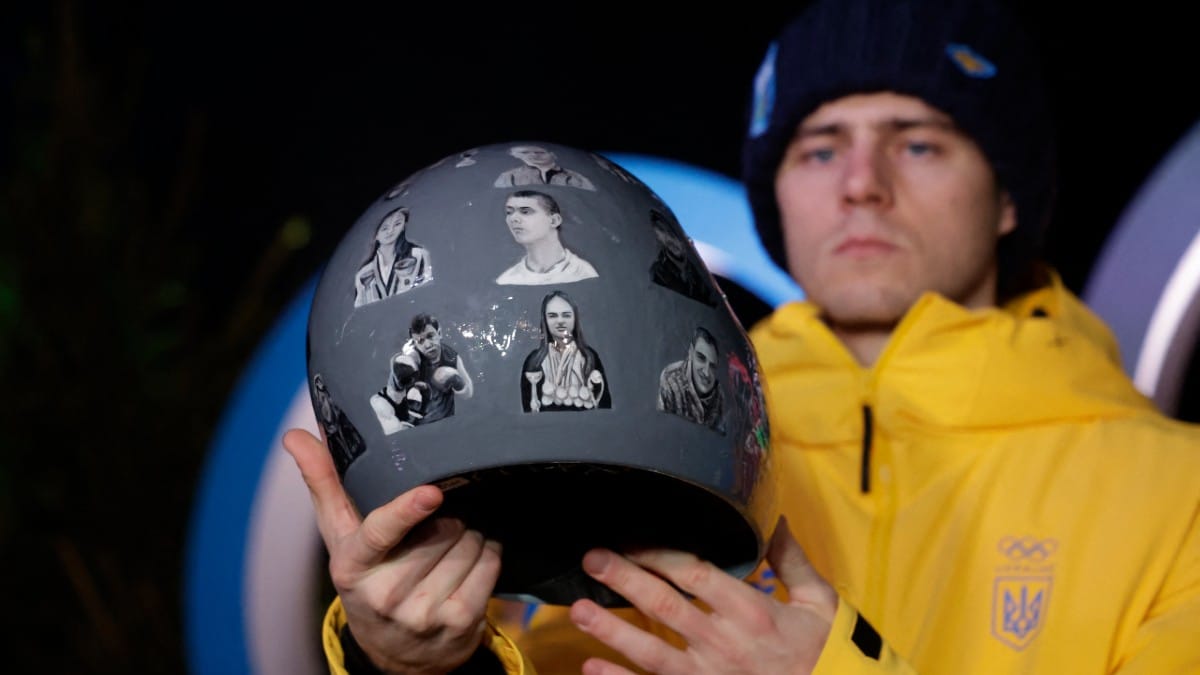
Heraskevych, one of Ukraine’s leading winter athletes, is a multiple-time World Cup competitor and Olympic finalist who also served as his country’s flag bearer at the Games’ opening ceremony. Entering the men’s skeleton event as a strong contender, he planned to compete wearing a specially designed helmet featuring artwork honouring 24 athletes and children killed during Russia’s war against the country.
The dispute began when the International Olympic Committee (IOC) ruled that the ‘helmet of memory’ violated Olympic expression guidelines requiring political neutrality during competition. Although Heraskevych wore the helmet during training sessions and interviews without objection, officials informed him that he would not be allowed to use it during official runs. After two days of negotiations in which he refused to change equipment, organisers confirmed his disqualification from the Winter Olympics on Thursday morning.
The IOC cited Rule 40.2 of the Olympic Charter, which allows freedom of expression only when aligned with Olympic values and guidelines set by the IOC executive board. Athlete expression rules codified in 2023 emphasise that the focus during competition must remain on sport and athlete performance, maintaining neutrality by separating sport from political, religious, or other forms of interference.
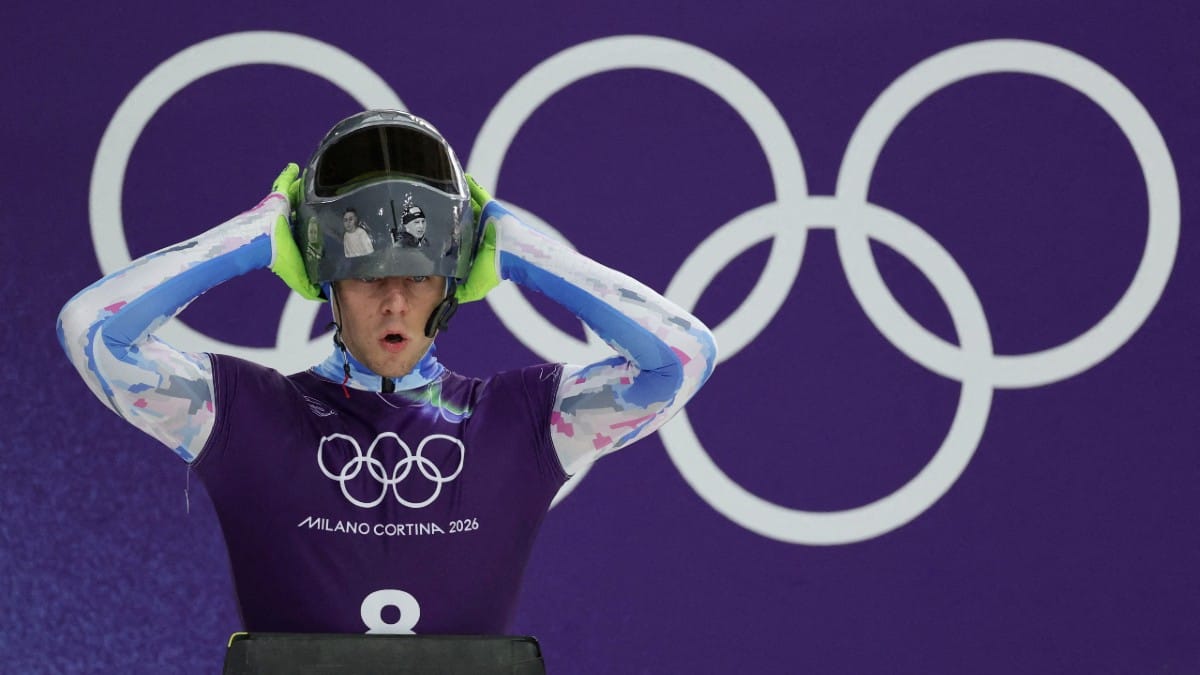
Officials also clarified on earlier confusion regarding Rule 50, which bans political demonstrations at the Winter Olympics venues. According to the IOC, these expression guidelines were developed after consultation with more than 4,500 athletes to ensure a level playing field and preserve the spirit of the games.
Following his disqualification, Heraskevych shared a photo of himself wearing what he called the “helmet of memory” on social media platform X, writing that “this is the price of our dignity”. His removal from competition drew strong reactions from fellow athletes and supporters.
The 27-year-old spoke to journalists after the IOC decision and said he felt “emptiness” when asked how he felt.
“Yesterday was amazing training. I could be among the medallists in this event, but suddenly, because of some interpretation of the rules which I do not agree with, I am not able to compete,” he said.
Heraskevych insisted his tribute is no different from what other athletes have displayed and said IOC’s interpretation of athlete expression was inconsistent. For instance, he said, at the opening ceremony, another skeleton racer, Israel’s Jared Firestone, wore a commemorative kippah to remember the 11 victims of the Munich massacre at the 1972 Games, which said: “We remember. We endure. We rise.”
Similarly, US skater Maxim Naumov, who lost his parents in the Potomac air collision last year, honoured them by holding up a photograph in their memory while he was waiting for his score to be announced on Tuesday. No action was taken against the athletes, Heraskevych said.
Ukrainian President Volodymyr Zelenskyy also criticised the decision, accusing the IOC of “playing into the hands of the Russian aggressor”.
In a lengthy post on X, Zelenskyy wrote “Sport shouldn’t mean amnesia, and the Olympic movement should help stop wars, not play into the hands of aggressors. Unfortunately, the decision of the International Olympic Committee to disqualify Ukrainian skeleton racer Vladyslav Heraskevych says otherwise.”
IOC president Kirsty Coventry has said she personally met Heraskevych and his father hours before the race, proposing compromises such as displaying the helmet before and after competition. Despite a discussion after which she was visibly in tears, no agreement was reached.
During a tense media briefing, IOC spokesperson Mark Adams defended the ruling, saying that there were 130 conflicts going on in the world and the organisation could not take a stand against countries involved in war. He also said allowing commemorative or political messages during competition could create pressure on athletes from governments and turn the field of play into a platform for global political conflicts.
Although barred from competing, Heraskevych’s accreditation has been reinstated, allowing him to remain at the games and in the Olympic village. He has filed an urgent appeal with the Court of Arbitration for Sport, which has the authority to hear cases during the Olympics through special ad-hoc panels.
With a final decision still pending, the controversy remains unresolved, continuing to spark debate over how the Olympic movement should balance athlete expression with its long-standing commitment to political neutrality.
(Edited by Viny Mishra)
Also read: A Tamil IPS officer is transforming sports in Bihar. From shame to pride
Ukrainians would not say things like “keep politics out of the game” but there are Indians from certain political ideologies and questionable fidelity towards adversarial countries, who would say it.
Anyway my unbiased view on this would be – keep it consistent towards all countries.