





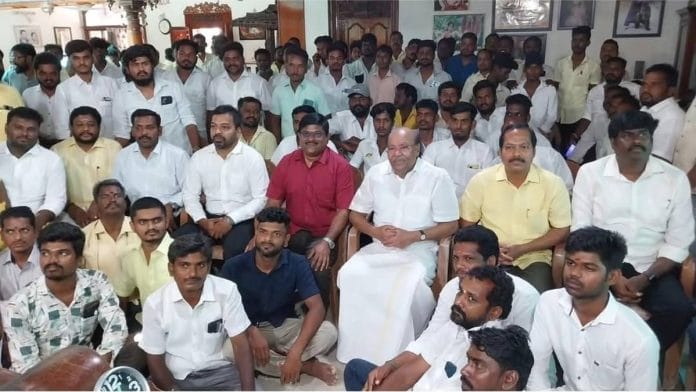



Chennai: For more than 35 years, Pattali Makkal Katchi (PMK) founder Dr S. Ramadoss’ Thailapuram residence in Tamil Nadu’s Villupuram teemed with people, particularly before elections in the state. Senior politicians from all parties used to line up, wanting to be inducted into the team he chose for the polls.
Ramadoss would stand on his terrace and find the street crowded, people jostling with one another, hoping to make way to see their “Maruthavar Ayya” or “doctor sir”, as the senior leader is fondly called.
As another state assembly election looms in less than three weeks, this time around, the attendance has visibly thinned. Giant banners flashing Ramadoss’ photos and PMK’s mango symbol are missing across Villupuram, and supporters who have chosen to stay with him, speaking to ThePrint, admitted that his influence over the state’s powerful Vanniyar community has waned.
Founded in 1989, the PMK largely represents the Vanniyars, a Most Backward Class (MBC) in Tamil Nadu, and Ramadoss himself hails from the community.
“Letting go of the PMK has been the hardest decision of my life. For 50 years, I toiled and built this (party), bringing together one worker and one family at a time into the PMK,” 86-year-old Ramadoss told ThePrint last week.
Following a severe power struggle with his son Anbumani, Ramadoss has broken away with a section of the party. While the rift first began in 2022 after disagreement over appointment of party functionaries, it intensified in 2024 and last month, factions of the PMK led by the father and son joined separate parties for the state polls. They are also litigating over the party name and symbol.
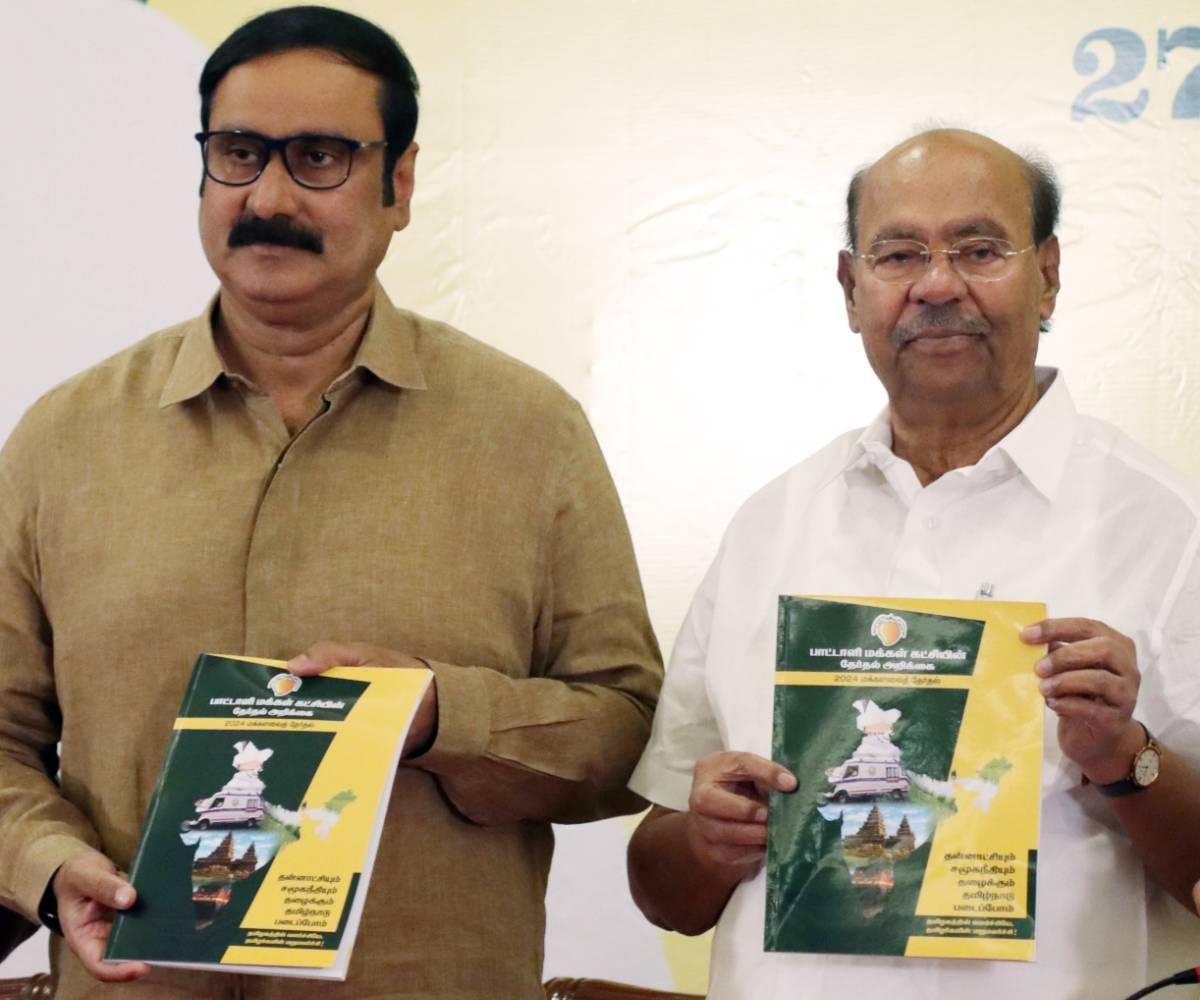
Ahead of the 23 April polls, in a surprise move, Ramadoss has sided with V.K. Sasikala, former All-India Anna Dravida Munnetra Kazhagam (AIADMK) leader and founder of All-India Puratchi Thalaivar Makkal Munnetra Kazhagam (AIPTMMK).
The alliance is seen as a ploy to enmesh the Vanniyars and the Thevars together, the communities that both leaders represent. Together with their supporters, the duo plans to contest all 234 seats in Tamil Nadu to oppose the heft of the ruling Dravida Munnetra Kazhagam-led Secular Progressive Alliance (SPA) and the opposition AIADMK, also the two major Dravidian parties in the state.
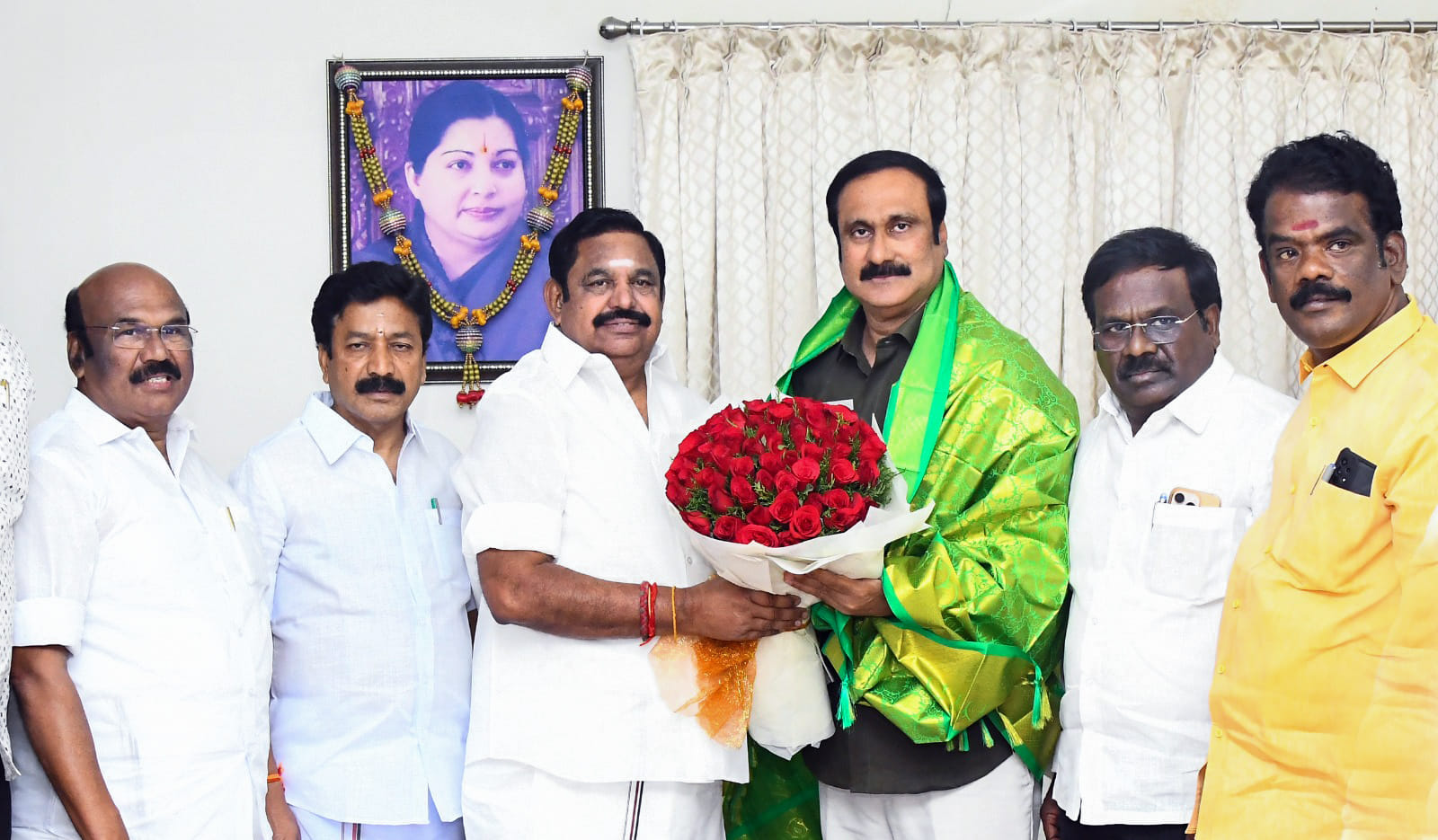
Anbumani and his PMK faction have chosen to ally with the AIADMK and BJP for the polls.
However, political observers believe the Ramadoss-Sasikala team won’t have much impact on the polls.
“Unfortunately, Ramadoss and Sasikala will have an infinitesimal impact on the electorate of Tamil Nadu. It is a coalition of retirees and their fight is more about relevance than influence this time around,” a political observer from Tamil Nadu, not willing to be named, told ThePrint.
Another political analyst and columnist, Srikumar Kannan, said the senior PMK leader had been “overshadowed”.
“Despite a successful political career spanning 50 years, he (Ramadoss) today stands overshadowed by his son and outnumbered by his supporters. He is distanced by the same community he stood for and is befriended only by Sasikala, who is herself fighting for continuity,” he added.
But how did a leader who had goodwill in surplus and whose dominance was accepted even by stalwarts such as former state chief ministers M. Karunanidhi and J. Jayalalitha, become so dispensable?
Those who have watched Ramadoss closely say the drift into near oblivion has been gradual.
Also Read: ‘Unfit to hold any position’: PMK founder Ramadoss expels son Anbumani ahead of Tamil Nadu polls
Clash of ideas
As a traditional political figure who crafted his image with great care, Ramadoss attempted to be mythologised like contemporaries Jayalalitha and Karunanidhi.
“At his peak, Ramadoss was known for blending caste assertion and political acuity. Given Tamil Nadu’s political entrepreneurship, the dozen smaller allies would count on his wisdom to read the election right and wait for his decision on which way the wind was blowing,” Sriram Seshadri, a senior political observer who is also adviser to many parties in Tamil Nadu, told ThePrint.
Many perceived that the choice of his alliance would indicate which of the major Dravidian parties would win, he added.
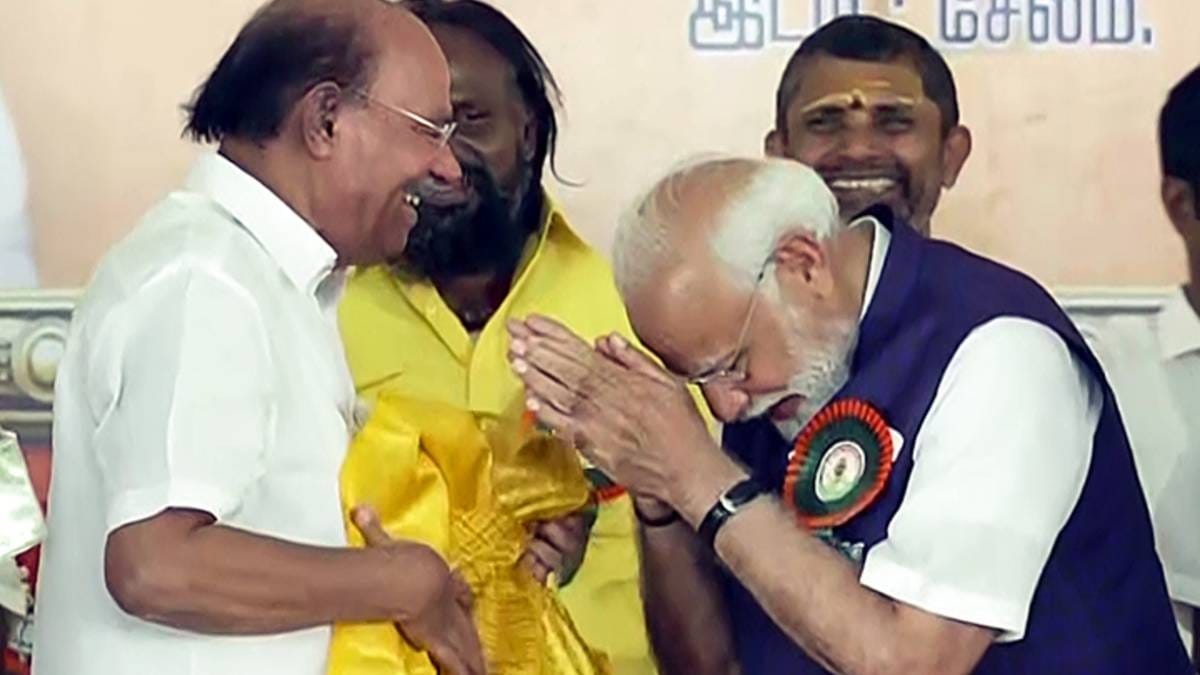
But, watchers of the Dravidian ecosystem also said that he was marginalised by his own party and supporters due to his unwillingness to understand issues plaguing the younger generation and warm up to the modern mass media brand of politics.
The father-son squabbles came into the open in 2024 when Ramadoss did not want his daughter-in-law Soumiya Anbumani to be given a ticket from Dharmapuri Lok Sabha seat. While Anbumani ensured his wife secured a ticket, the PMK fared poorly in the polls, winning none of the seats contested, and this worsened the acrimony between father and son.
Over the last two years, the party cadre saw the father and son differing on several state-level and national issues, but the final nail in the coffin was Anbumani’s firmness in taking control of the party, according to PMK’s Vellore district secretary.
Seshadri said that Anbumani had seen the writing on the wall.
“With the PMK winning just five seats in the 2021 state election and drawing a blank in both the 2019 and 2024 general elections, the party was staring at possible erasure from electoral politics if it did not rebrand and reposition itself. Anbumani saw the writing on the wall: that keeping the cadre together would be back-breaking if he did not alter his strategy,” Seshadri explained.
Rewarding his political calculation, the PMK cadre rallied behind Anbumani as he advocated for a more youth-oriented and inclusive approach, and called for greater participation from members beyond the Vanniyar community. He highlighted environmental issues, improving health indices in the state, jobs and economic inclusion, choosing consciously to move away from caste-based issues.
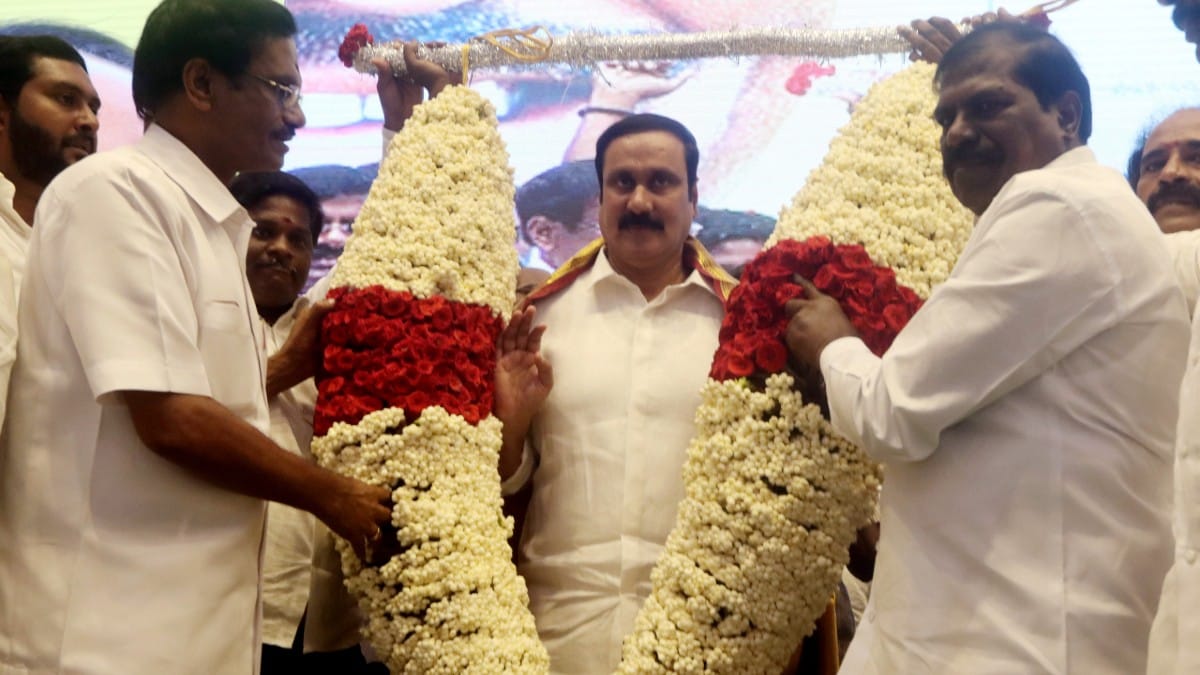
“For Ayya, everything the PMK had achieved was through a hard-fought battle. Years of agitation and grassroots mobilisation had won him the accolades and adoration of many. But today’s times have changed. We need to keep up with the changing times just as the DMK and the AIADMK have,” Satish Saravanan, a 50-year-old PMK supporter from Dharmapuri, Anbumani’s erstwhile parliamentary constituency in northern Tamil Nadu, told ThePrint.
Also Read: ‘Can’t sit dummy & give party to son Anbumani,’ says Ramadoss as PMK feud reaches Madras HC
Family rift in court
Those hoping for a reconciliation between father and son were dismayed when the PMK founder last year moved court seeking intervention in restricting the usage of the party’s name, symbol and flag by Anbumani. The internal rift also intensified following Anbumani’s expulsion from the party’s primary membership for alleged anti-party activities.
The civil court dismissed Ramadoss’ petition, and sought ECI intervention in deciding who should use the party’s name and symbols.
The ECI purportedly recognised the Anbumani-led faction of the PMK, identifying him as party president in a communication to him released by his supporters in September 2025. However, the Ramadoss camp objected and the matter reached the high court.
The HC also dismissed Ramadoss’ pleas to restrain Anbumani from using the ‘mango’ symbol, redirecting the two parties to resolve their issues in the civil court.
When Ramadoss approached the Supreme Court, on 23 March it redirected the petitioners to the civil court, upholding the Madras High Court’s order that the ECI cannot decide which faction of the party can use its symbol.
As a consequence, the civil court, which adjudicated the intra-party dispute, passed its order, allowing Anbumani to use the ‘mango’ symbol, and stating that the electoral process should be continued.
“ECI’s decision to act arbitrarily in the case of an unrecognised party such as the PMK is a murder of democracy. Instead of acting as a neutral arbiter, the commission has actively supported those trying to hijack this movement,” Ramadoss told the media last month after the civil court declined to freeze the mango symbol.
He also declared: “I will be the party president till my last breath.”
Vanniyar vote bank
With Ramadoss and his son now fighting the Tamil Nadu elections virtually as rivals, the Vanniyars, Tamil Nadu’s largest caste group constituting at least 15% of the votebank, are now divided.
While senior PMK leaders have chosen Anbumani as their leader who continues to operate as party president, how the community votes will determine which faction wins.
The community has been largely represented by the PMK and following a relentless agitation in 1987, the Vanniyars were given MBC status, which provided them 20% reservation in 1989. The agitation was spearheaded by Ramadoss.
Through the years, Vanniyar representation in other Dravidian parties has also increased, with both the DMK and AIADMK choosing to field candidates from the community in the northern belt of Tamil Nadu which includes districts like Villupuram, Cuddalore, Vellore and Thiruvannamalai.
Despite MBC reservation, Ramadoss and other senior leaders have continued to fight for internal sub-reservations, albeit unsuccessfully. In 2022, the Supreme Court struck down Tamil Nadu’s 10.5% internal reservation for Vanniyars within the 20% MBC quota in public education and employment, declaring it unconstitutional.
The court said the Tamil Nadu government did not have adequate data to prove the Vanniyars were more backward than other MBC groups.
(Edited by Nida Fatima Siddiqui)
Also Read: PMK founder Ramadoss says son Anbumani ‘held his feet & cried’ for tie-up with BJP for 2024 LS polls