






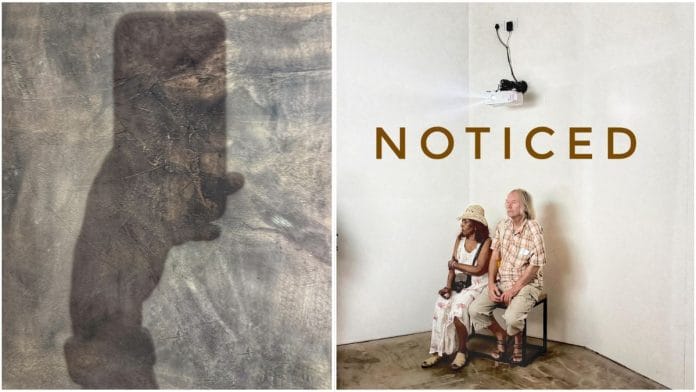



Serendipity, like most large festivals, offers an abundance that can be as overwhelming as it is generous. When everything competes to be noticed, the real challenge is separating what lingers from what merely announces itself.
These ten works stood out not through volume or provocation, but through restraint, clarity, and an evident commitment to craft. Much of what I encountered elsewhere felt mired in the obtuse — the familiar banana-on-the-wall impulse, where gesture is mistaken for substance. What continues to draw me instead is work grounded in making, in form, in a belief that beauty and basic aesthetics still matter. These are not pieces that require initiation or explanation; they reward looking, and trust the viewer to meet them halfway.
1. Hands, tools, and the living thread: from Kashmiri Craft Atelier
Curated by: Sandeep Sangaru
Artist: Multiple Kashmiri artisans
Venue: OLD GMC Building
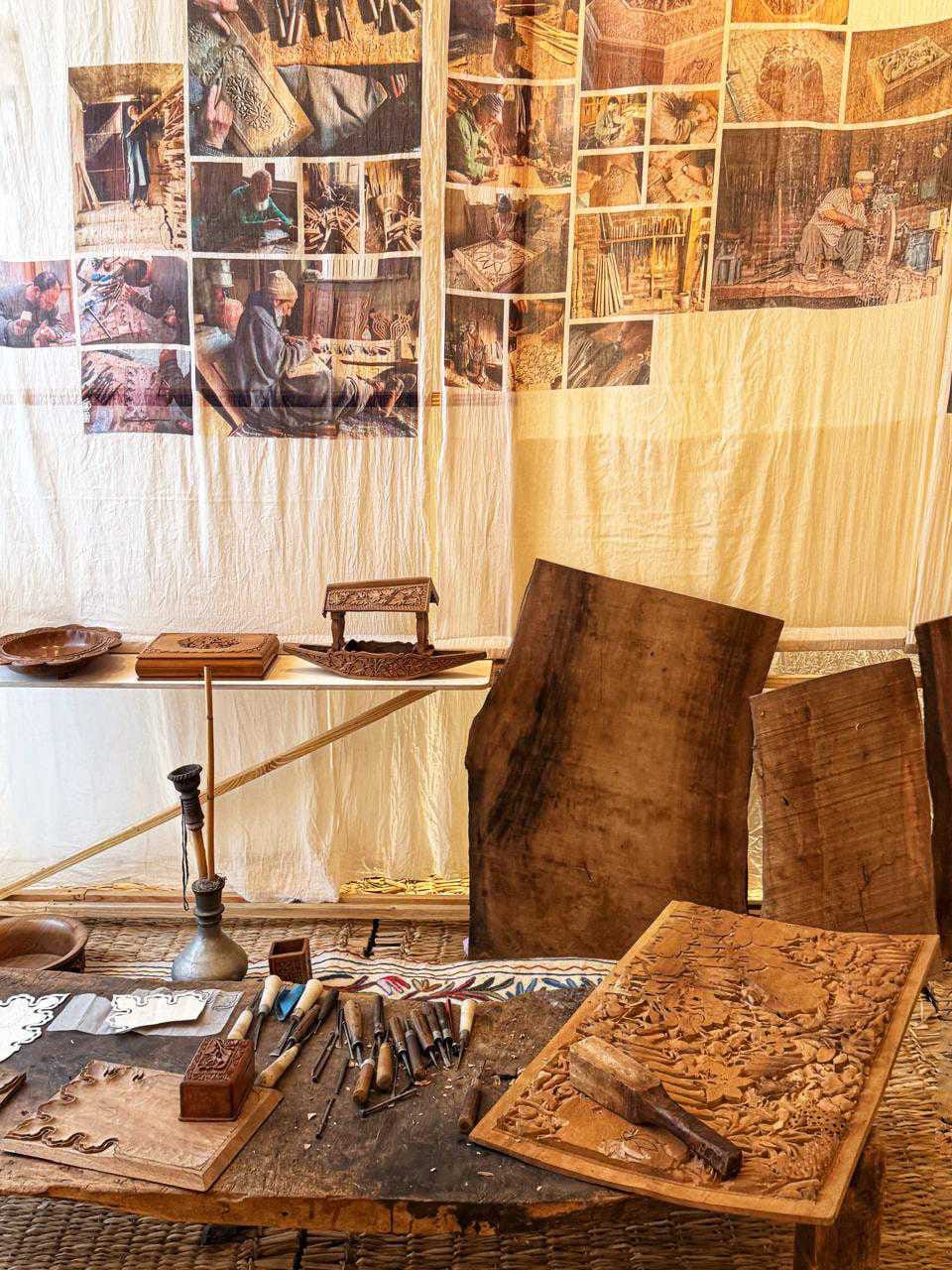 This project explores the everyday environments of Kashmiri artisans, focusing on the intimate spaces where traditional crafts are practised, transmitted, and sustained. Rather than isolating finished objects, the curation foregrounds workshops, homes, and tools—sites where craft exists as a lived, continuous process rather than a static heritage form. Through close collaboration with craftspeople, the project documents both celebrated practices such as intricate embroidery and lesser-seen aspects, including functional tools, material preparation, and informal modes of learning.
The installation brings together sketches, prototypes, and artefacts developed through dialogue and shared making, emphasising the relationship between hand, tool, and material. By situating craft within daily rhythms of labour and life, the project highlights the resilience and adaptability of Kashmiri knowledge systems. Visitors are invited to encounter craft not as nostalgia, but as a living cultural legacy shaped by patience, skill, and intergenerational care.
2. Smell, Memory and Food Systems
Curated by: Edible Issues
Venue: OLD GMC Building
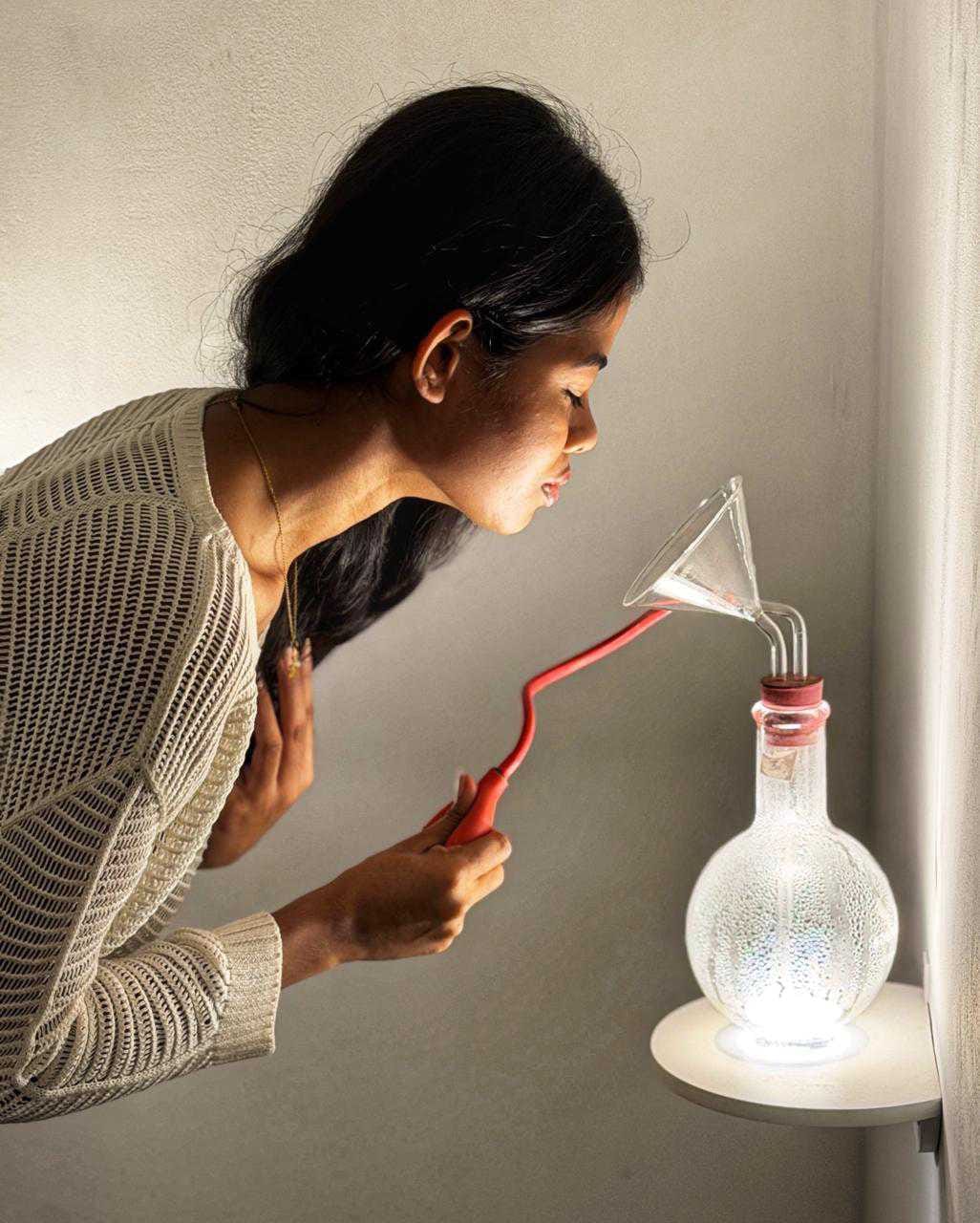 Smell, Memory and Food Systems positions olfaction as a powerful yet often overlooked sensory archive. Moving beyond nostalgia, the project examines smell as a conduit to histories, ecologies, and food systems that are disappearing or under threat. In the context of climate change and environmental degradation, scent becomes both a marker of loss and a site of resistance—capable of holding memory, absence, and imagination simultaneously.
Through carefully constructed sensory encounters, the curation invites audiences to experience smell as a form of knowledge that connects the body to land, labour, and cultural practice. The project foregrounds ecosystems in flux and food traditions shaped by extraction, migration, and climate instability. Rather than offering solutions, it opens a speculative space—asking what futures might be possible if we listen more closely to what smell remembers and what it warns us we are about to lose.
3. Duty Free
Curated by: Ranjana Dave
Venue: Old GMC Building
Performed by Bboy Ben with scenography by Sukanya Ghosh
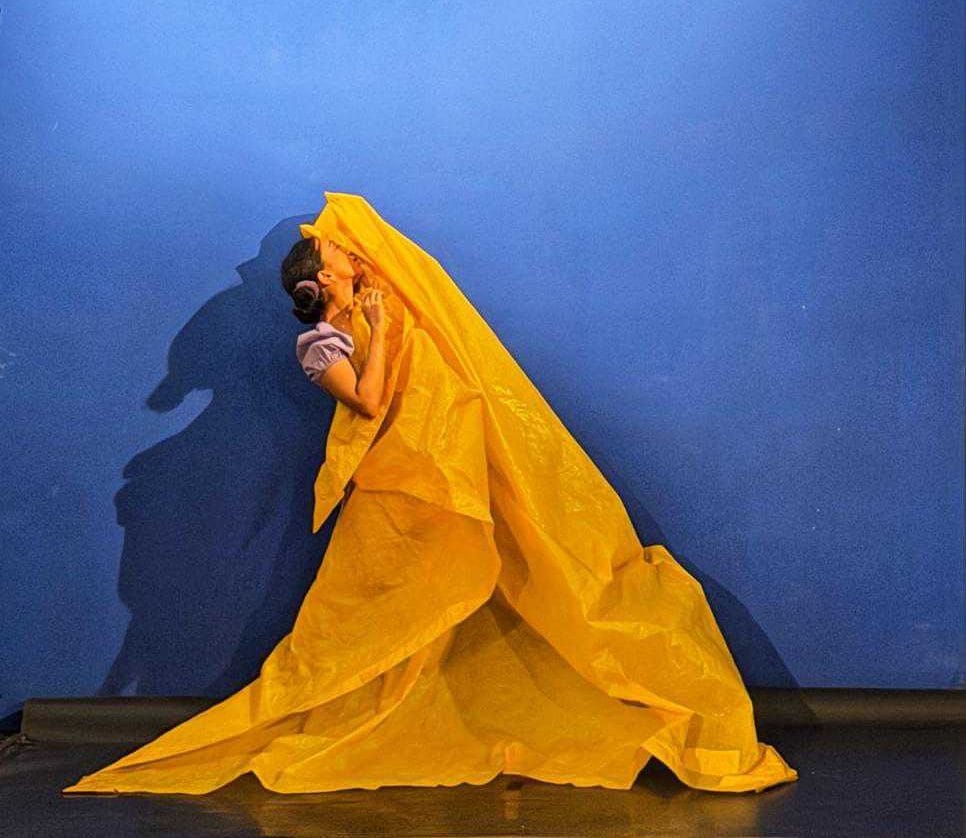 Duty Free is a durational dance installation that unfolds as both performance and archive. Over the course of eight days, three dancers inhabit the verandah, transforming it into a space of movement, rest, repetition, and labour. Rejecting the spectacle-driven format of performance, the project invites audiences into an ongoing process where dance is experienced through presence rather than climax.
Rooted in Ranjana Dave’s long-standing engagement with embodiment and visibility, the work frames the dancer’s body as a site of memory and endurance. The verandah becomes porous—open to passersby, weather, and time—allowing movement to emerge through everyday encounters. Duty Free challenges conventional hierarchies of performance by foregrounding care, persistence, and quiet resistance, offering dance as a living, breathing practice shaped by sustained attention rather than fixed choreography.
4. Stepwells: Poetry in Craft
Curated by: Anjana Somany
Venue: Azad Maidan
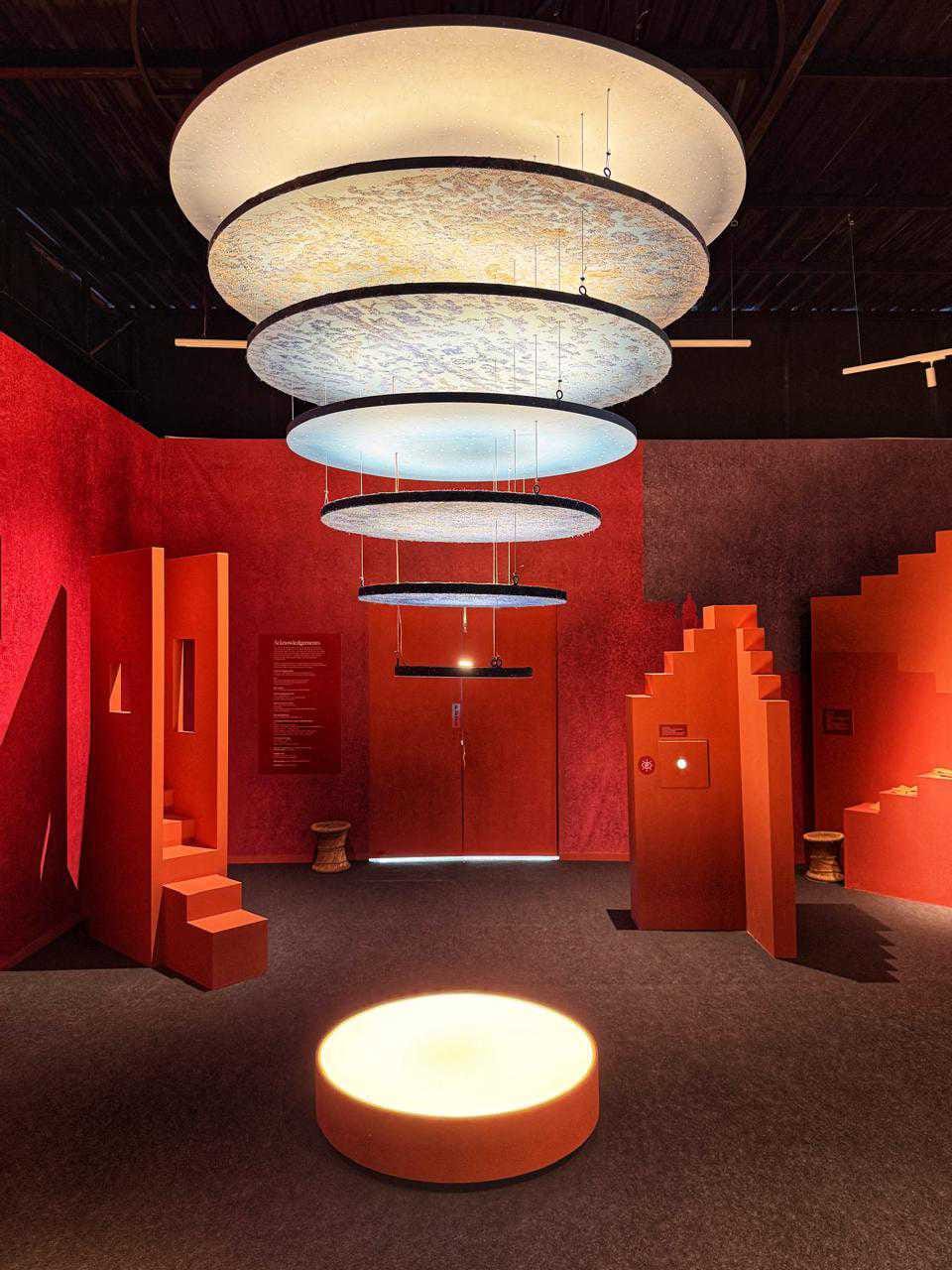 Stepwells: Poetry in Craft draws from the architectural and cultural histories of stepwells in Gujarat and Rajasthan, reimagining them as spaces of memory, ritual, and resilience. Carved into the earth, stepwells are not merely functional structures but thresholds—where water, community, and craft converge. This spatial installation does not attempt reconstruction, but resonance.
Through film, textile, scent, sound, and gesture, spectators are invited to descend into an immersive environment where inherited knowledge seeps through material and form. Water becomes both metaphor and memory, while craft holds the whispers of time embedded in stone, fabric, and ritual. The installation unfolds as a sensorial journey, allowing audiences to move through textures and narratives that remain alive in the cracks between past and present.
5. Infinite Drape
Curated by: Rashmi Varma
Collaborators: Raw Mango, Border&Fall
Venue: Azad Maidan
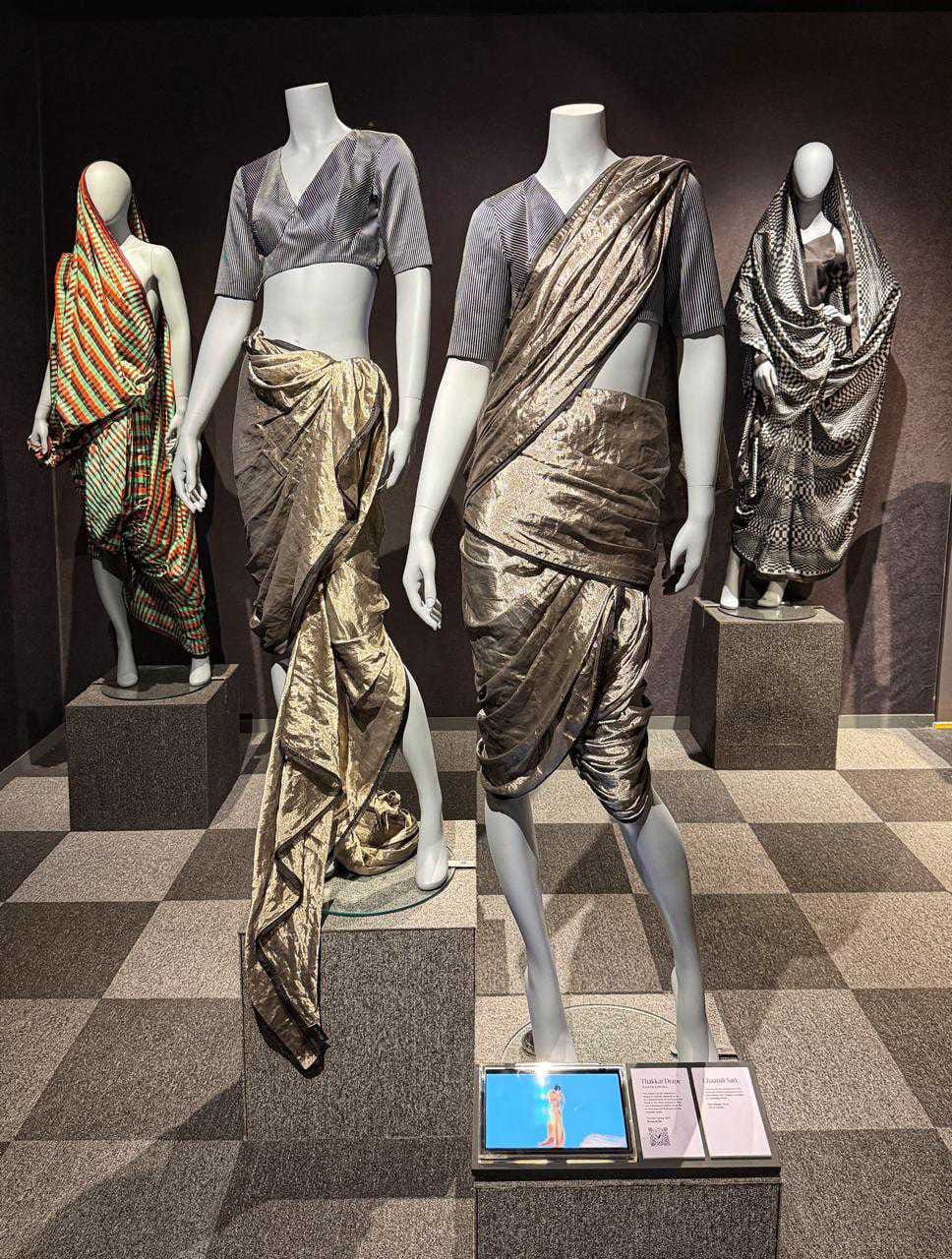 Infinite Drape explores the sari not merely as textile, but as a living system shaped by the body. Drawing from Rashmi Varma’s long engagement with cloth and form, the exhibition examines draping as an intuitive, technical, and democratic craft in itself. At its core is The Sari Series, an online anthology by Border&Fall, presented alongside handmade saris by Raw Mango.
Through folds, pleats, and tucks, the exhibition reveals a visual language passed down through generations of wearers. Draping emerges as an act of agency—responsive to context, climate, and identity. Infinite Drape invites audiences to see the sari not as a static garment, but as a dynamic interface between material, memory, and movement, holding both inherited knowledge and future possibility.
6. A Mother’s Love Is a Home
Artist: Verodina de Sousa
Curated by: Kristine Michael – Home Is Where the Heart Is
Venue: Azad Maidan
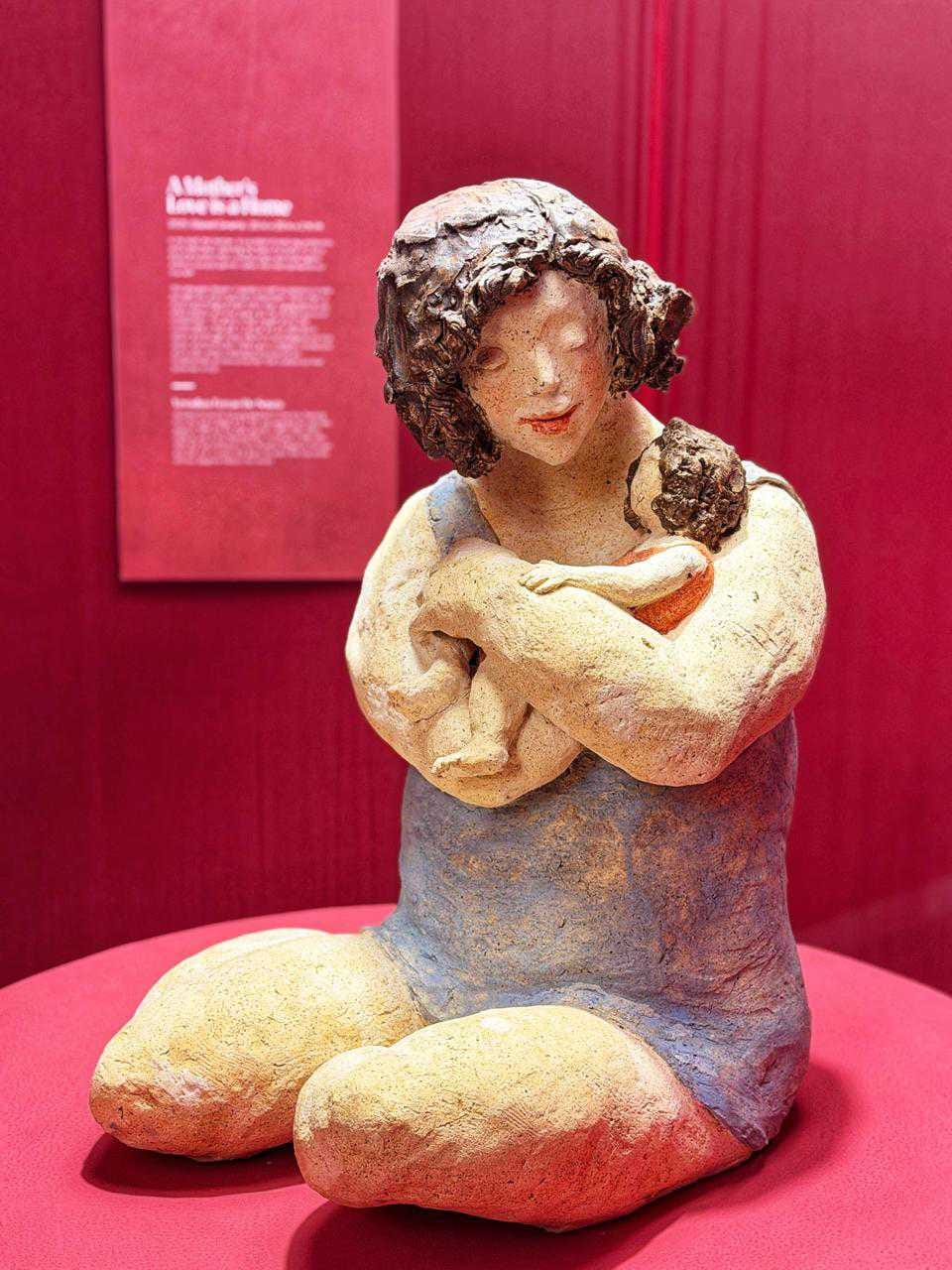 A Mother’s Love Is a Home is a sculptural reflection on care, selfhood, and belonging by Goan ceramic artist Verodina de Sousa. In this work, the figure of the woman becomes a symbol of nurturing, protection, and emotional shelter — not as a physical structure, but as the living heart of a home. The presence of the child is rendered not as a separate being, but as a metaphor for the true self, held and sustained through love and warmth.
The work moves beyond geography to explore home as a psychological and spiritual state. It speaks to self-acceptance, inner peace, and contentment — qualities that cannot be located in space, but must be felt and inhabited. Executed in glazed ceramic, the piece carries both material solidity and emotional resonance, grounding abstract ideas of care and connection in a tactile form. As part of Home Is Where the Heart Is, the work offers a quiet yet powerful meditation on how love becomes the most enduring architecture we know.
7. Caravaggio: Magdalene in Ecstasy
Artist: Michelangelo Merisi da Caravaggio
Venue: Directorate of Accounts
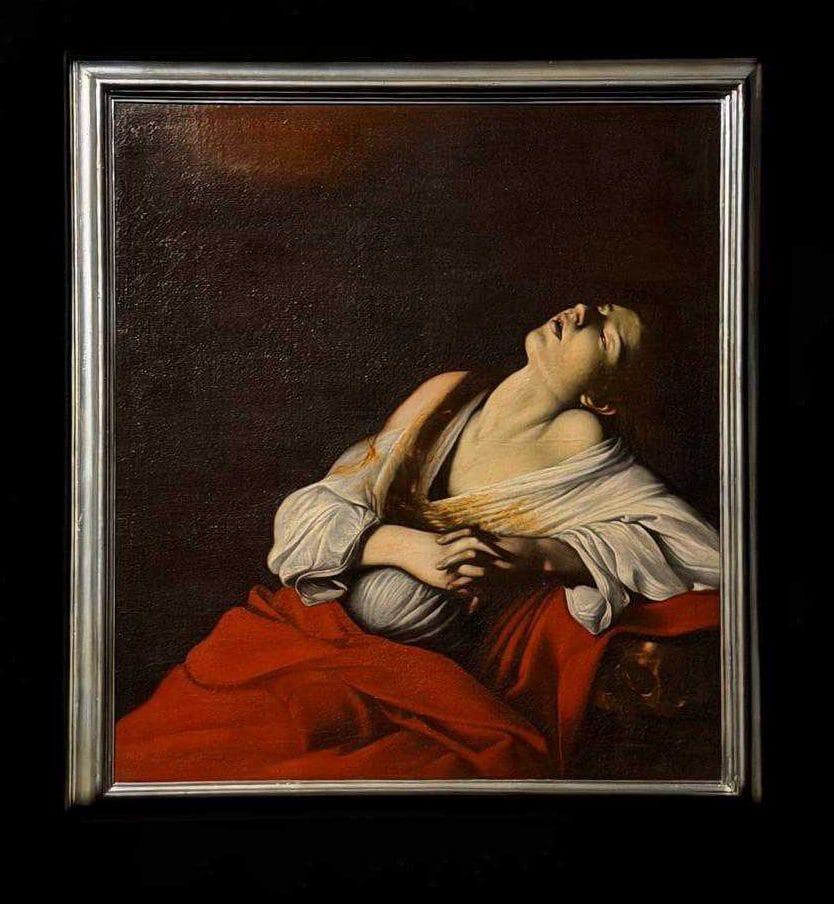 A 400-Year-Old Masterpiece Comes Alive in Goa’s Contemporary Arts Landscape. Under the patronage of the Embassy of Italy in India, the Consulate General of Italy in Mumbai, the Italian Embassy Cultural Centre New Delhi, Istituto Italiano di Cultura di Mumbai, together with Serendipity Arts along with the support of MetaMorfosi Cultural Association are pleased to present the exhibition of the “Magdalene in Ecstasy” by Caravaggio at the 10th edition of Serendipity Arts Festival.
Presented for the first time in Goa, Magdalene in Ecstasy brings Caravaggio’s late masterpiece into dialogue with a contemporary cultural platform. Created during the artist’s final years while fleeing Rome, the painting captures Mary Magdalene suspended between spiritual transcendence and human vulnerability. Stripped of conventional attributes, the figure’s inward gaze and tear-streaked face reflect Caravaggio’s radical turn toward introspection.
Authenticated in the early 21st century and bearing historical papal provenance, the work carries the weight of exile, repentance, and unresolved longing. Its presence at Serendipity Arts Festival situates Western art history within a broader, multidisciplinary conversation—inviting reflection on faith, fragility, and redemption across time and cultures.
8. Everyday Is a Cliché
Artist: Jayasimha Chandrashekar
Curated by: Thukral & Tagra – Multiplay 2.0
Venue: Directorate of Accounts
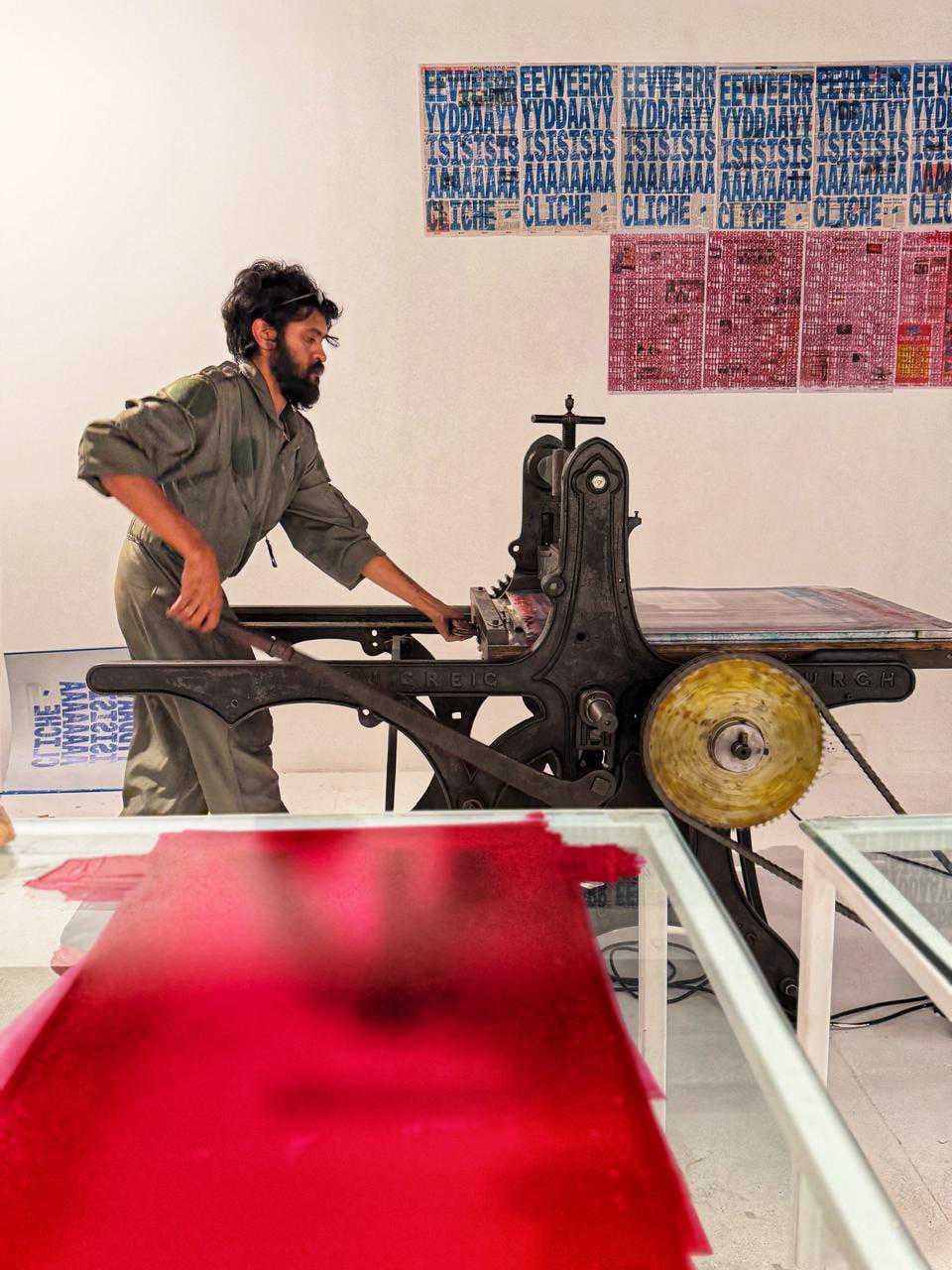 Everyday Is a Cliché is a durational print performance that interrogates labour, repetition, and authorship. Using a refurbished 200-year-old lithographic press, the artist prints hundreds of newspapers daily, each stamped by the weight of artistic authorship. Visitors are invited to take copies, turning the exhibition into a living archive.
Rooted in Goa’s history of print culture, the work questions how truth gains legitimacy through repetition and visibility. By slowing down production, the project resists the velocity of misinformation and instant news cycles. Titled after Kierkegaard’s meditation on repetition, the work proposes that resistance may lie not in novelty, but in attentiveness to process.
9. A Breath Held Long
Curated by: Sudarshan Shetty
Artist: Sudarshan Shetty
Venue: Directorate of Accounts
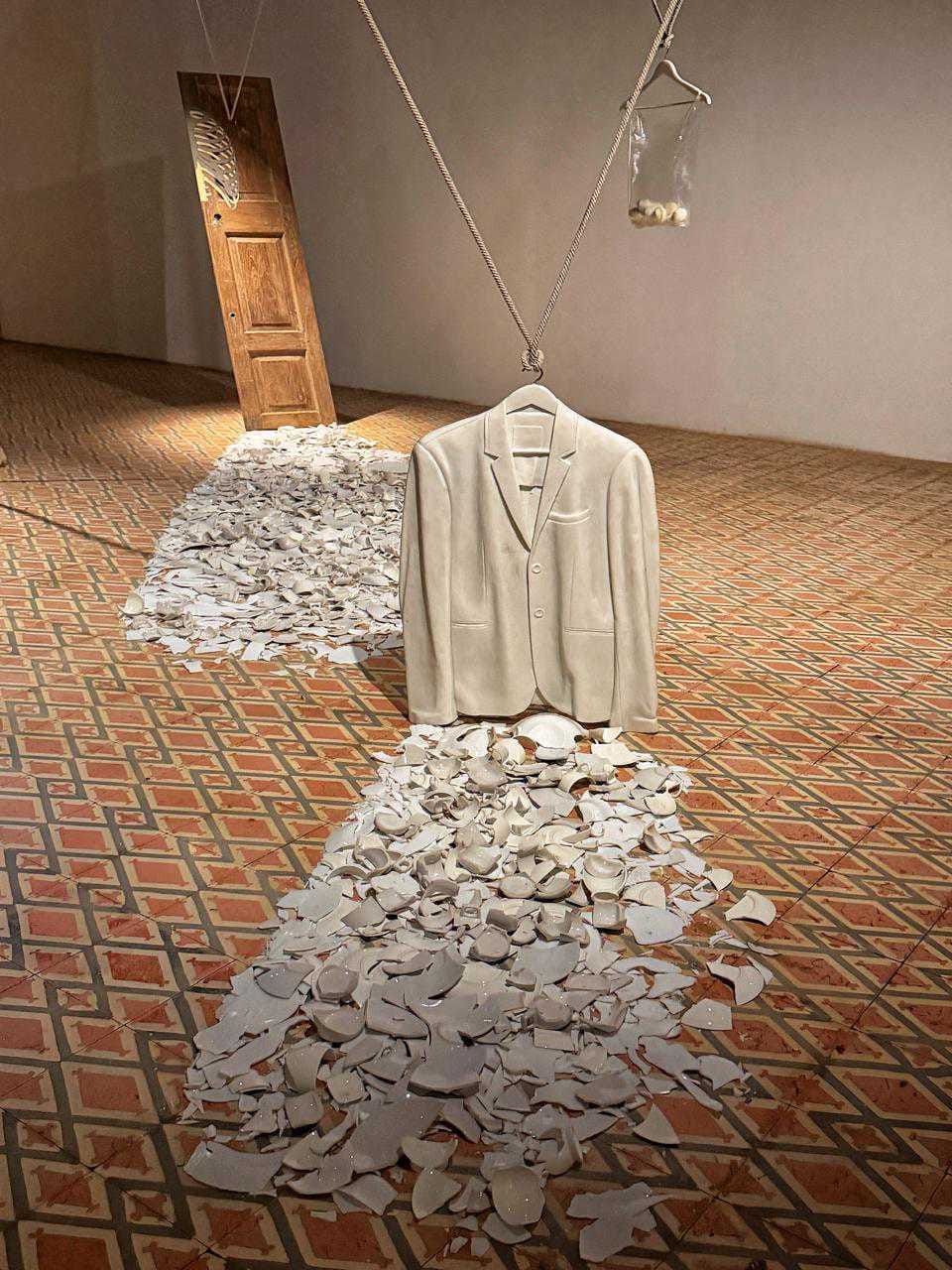 A Breath Held Long is a 20–25-minute video installation that merges documentary filmmaking with theatre and music. Set within Mumbai’s restless urban landscape, the work unfolds through long, uninterrupted narratives performed by multiple voices. Breath becomes both subject and metaphor—signifying survival, pressure, and resilience.
Accompanying sculptural objects extend the film’s concerns into physical form, acting as silent counterpoints to spoken word. Together, video and sculpture ask what it means to live and breathe within a city shaped by acceleration and constraint. Commissioned by Serendipity Arts, the installation offers a contemplative pause within urban urgency.
10. Goa’s Smallest Big Tradition: The Mini Narkasur Archive
Curated by: Diptej Vernekar
Venue: Directorate of Accounts
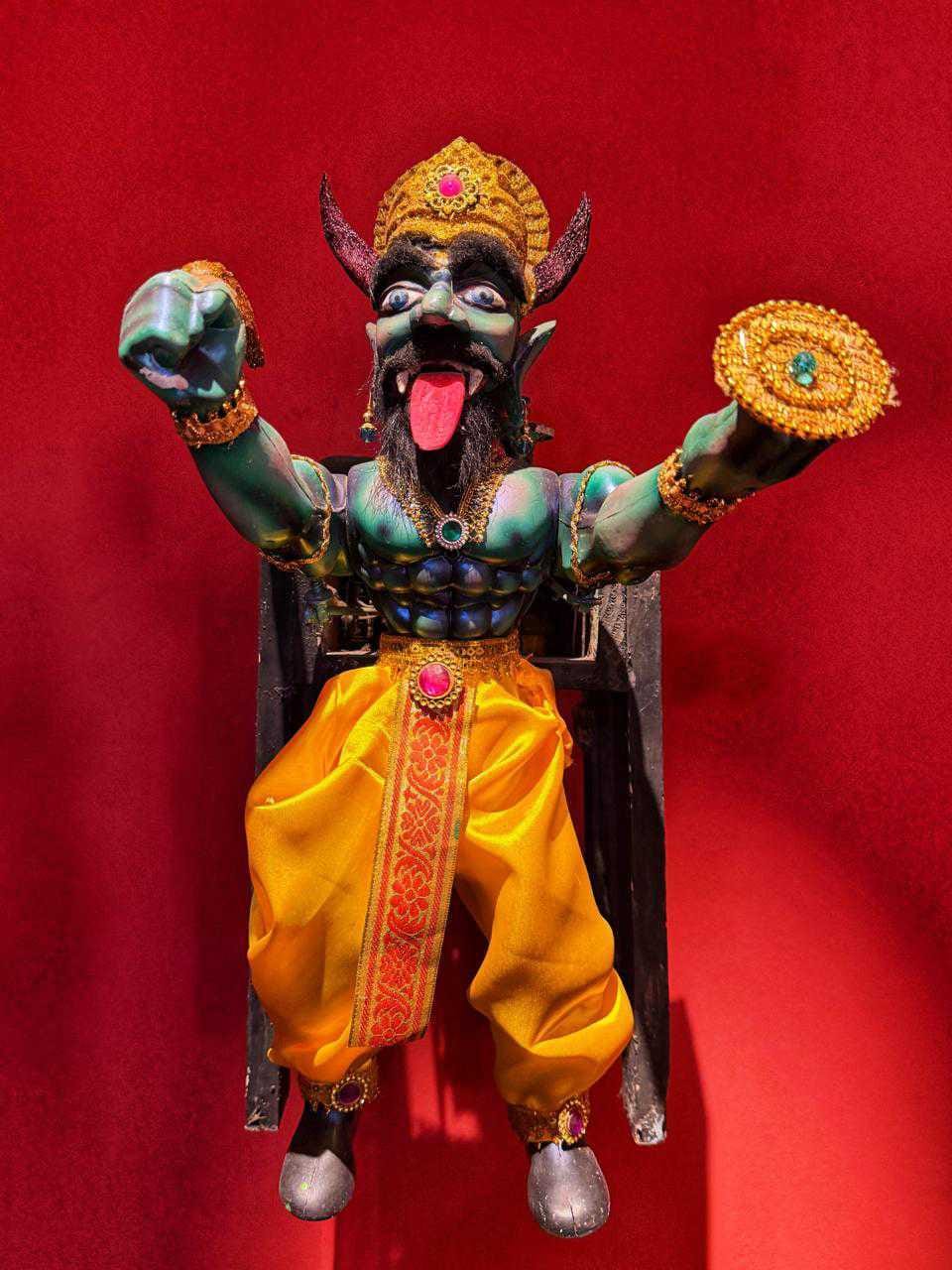 This project examines the miniature Narkasur effigy as a radical reimagining of scale, power, and ritual. Once monumental, the demon is rendered handheld—inviting proximity, curiosity, and play. The miniature collapses hierarchy, shifting agency from spectacle to maker.
Over the past 25 years, miniature Narkasur traditions have extended beyond Diwali, quietly liberating themselves from rigid ritual timelines. Through paper, wire, and pigment, local youth and artisans reinvent myth through improvisation. Goa’s Smallest Big Tradition foregrounds craft as a site of rebellion, continuity, and cultural reinvention—small in scale, but resonant in meaning.
Rohit Chawla is an acclaimed photographer and artist. He is on Instagram @rohitchawlaphotography_. Views are personal.