








Over the past decade, India has witnessed a steady rise in hate crimes against minorities. These are not limited to riot or street violence, but include everyday communalism and discrimination against Muslims, Dalits, Adivasis and other marginalised communities.
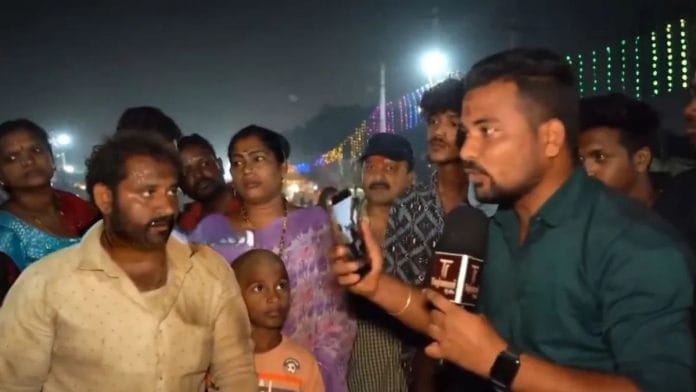
While Telangana has fared better than many northern states in preserving social fabric, a recent incident briefly shook that belief. Shaikh Vali, a poor Muslim man from Kurnool in Andhra Pradesh, selling khoya buns during the Medaram Jatara in Telangana, was harassed by a couple of YouTubers and surrounded by a mob over allegations of ‘food jihad’. They forced him to eat his own buns to prove they were safe and demanded to see his Aadhaar card. It was nothing but outright bigotry.
This came just weeks after Deepak Kumar, a gym trainer from Kotdwar in Uttarakhand, was hounded for standing up for an elderly Muslim shopkeeper being harassed by Bajrang Dal members. Deepak’s case was a test for Uttarakhand to show how it responds to hate and bigotry. While there have been instances of people rallying behind him, he has faced an economic boycott, with gym memberships being cancelled.
But the story in Telangana and Andhra Pradesh (where Vali is from) unfolded differently.
The Medaram Jatara is one of the largest biennial tribal congregations, dedicated to the goddesses Sammakka and Saralamma. With lakhs of devotees gathering, it is natural for small vendors to turn up and make some money. It’s no different from restaurants in Hyderabad selling haleem during Ramzan.
Also read: Ramzan food in Hyderabad is no longer an Old City affair
A lesson for other states
What happened next restored my faith that people in the South have still not succumbed entirely to hate and bigotry like they have in other states. Within a day of the incident, several influencers and YouTubers, many of them Hindus, began visiting Vali’s stall and publicly eating his khoya buns to show solidarity. The message to those who harassed Vali was clear: such discrimination would not go unchallenged.
Some went further, openly calling out his harassers for picking on a poor vendor. The backlash grew large enough that Andhra Pradesh IT Minister and Telugu Desam Party general secretary Nara Lokesh responded publicly and apologised to Vali.
“Dear Brother Vali, I am deeply sorry that you had to endure this. Such divisive and communal behavior has no place in our Telugu society, which has always stood for harmony, mutual respect, and brotherhood. I will meet you soon and look forward to tasting your famous Khoya bun! We stand together,” Lokesh wrote on X.
At a time when Assam Chief Minister Himanta Biswa Sarma and other politicians have openly asked people to discriminate against Muslims, this response was refreshingly different. Despite being part of the Bharatiya Janata Party (BJP)-led National Democratic Alliance at the Centre and in the state, Lokesh chose to take a stand against communal targeting.
Telugu society has its own flaws, and Hyderabad has witnessed communal violence. But by and large, social relationships have survived and communities aren’t divided.
Vali’s case showed that Telangana and Andhra Pradesh have not gone down the communal drain like some other parts of the country. The state has its share of problems, but people here still have the compassion to sympathise with the poor and defend the vulnerable when they are openly mistreated.
This is the idea of Indian society I grew up with. Ramzan begins in a few days. This incident could have been a bitter prelude to the holy month, but instead became a reminder that hate can still be confronted.
Yunus Lasania is a Hyderabad-based journalist whose work primarily focuses on politics, history and culture. He posts on X @YunusLasania. Views are personal.
(Edited by Prashant Dixit)
Sure Mr. Lasania.
But history has shown us well enough how marginalised tribals and Dalits are treated once Muslims become the majority.
Jogendranath Mandal believed in Jinnah’s promises of solidarity and brotherhood. History stands testimony to how it turned out for him and his Namashudra community.
No Muslim will ever take a stand for a harrassed tribal vendor trying to make some money during Ramzan. That’s the difference between the two communities.
People earning an honest living, be they of any religion, must not be harassed. Such, attacks ate wrong.
Petty commentary over a trivial act to acquire fame. No. Telangana did nothing in this regard.