





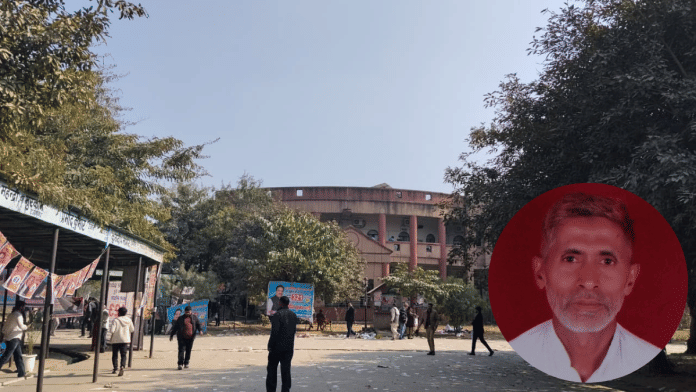



New Delhi: A sessions court in Gautam Buddha Nagar has dismissed a plea filed by the accused in the 2015 Mohammad Akhlaq lynching case to transfer the case out of the fast-track court, underlining that criminal proceedings cannot be shifted on “speculative grounds”.
In rejecting the plea on Thursday, the court in Greater Noida’s Surajpur relied on precedents set by the Supreme Court to stress that criminal trials cannot be transferred “for the convenience of parties”.
The transfer plea filed by the six accused claimed there are “compelling circumstances” to contend that continuing the trial before the same judge would leave the accused with no prospect of getting justice.
The rejection of the transfer plea comes weeks after the fast-track court dismissed the Uttar Pradesh government’s application seeking withdrawal of the prosecution in the case. With both pleas turned down, the trial is set to continue before the same court as before.
In his order, sessions judge A. Shrivatava said, “A sessions trial cannot be transferred from one court to another merely on the basis of possibilities.”
Citing the Supreme Court’s judgement in Abdul Nazar Madani v. State of Tamil Nadu and others case, the judge held that a sessions trial case “cannot be transferred for the convenience of parties or merely on the basis of apprehensions”.
The court held that such grounds, without substantive material, do not justify shifting a trial from the court lawfully seized of the matter.
The plea “lacks merit and is dismissed”, the judge said.
Before Thursday’s order, the matter had last come up for hearing the previous week, when the state government sought an adjournment on the ground that it intended to file additional documents in the same case.
Advocate Yusuf Saifi, representing Akhlaq’s family, said that the trial will now continue before the same judge.
Meanwhile, the trial has already reached the evidence stage before Judge Saurabh Dwivedi and was scheduled to be taken up on Friday, January 23. However, the hearing could not take place as proceedings across courts were delayed due to rainy weather.
The Uttar Pradesh government’s plea to withdraw the case against the accused, filed under Section 321 of the Code of Criminal Procedure—which allows a public prosecutor to withdraw from prosecution with the court’s consent—had cited inconsistencies in eyewitness accounts, lack of evidence of prior enmity, and the need to “restore social harmony”.
Also Read: Akhlaq lynching has changed everything in his village—politics to playgrounds
The lynching
Mohammad Akhlaq was killed on 28 September 2015 after a mob attacked his home in Bisahda village under the Jarcha police station area in Greater Noida. The violence followed allegations that Akhlaq had slaughtered a cow and stored beef in his refrigerator.
The mob, allegedly led by Vishal Rana and his cousin Shivam, dragged Akhlaq and his 22-year-old son Danish out of their house and assaulted them. Akhlaq, then 52, later succumbed to his injuries at a Noida hospital. Danish survived after undergoing major head surgery.
The incident sparked nationwide outrage and a broader debate on mob violence and communal tensions.
(Edited by Ajeet Tiwari)
Also Read: Survival before justice and development. The long defeat of Bihar’s Muslim politics