





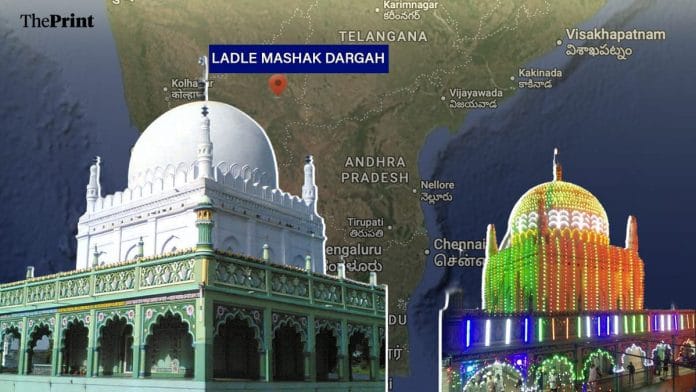



New Delhi: The Supreme Court of India, on 12 February, refused to entertain a plea filed by the secretary of the managing committee of the Ladle Mashak Dargah in Karnataka’s Kalaburagi district, seeking to prevent the Maha Shivratri Puja from being conducted on its premises.
In February last year, the Karnataka High Court allowed 15 devotees to perform Maha Shivratri rituals at the Raghava Chaitanya Shivling on the site. Its order had come in response to a petition filed by Hindu devotees following the 2022 communal unrest over religious rights at the dargah.
The latest petition by the dargah committee secretary requested the top court to pass directions to prevent any construction or modification at the site that might change its religious character. The secretary invoked Article 32, which allows citizens to directly approach the SC to enforce their fundamental rights.
Hearing the matter, a two-judge SC bench of Justices Dipankar Datta and Satish Chandra Sharma said that Article 32 of the Constitution cannot be invoked when the issue was already pending adjudication before the Karnataka HC.
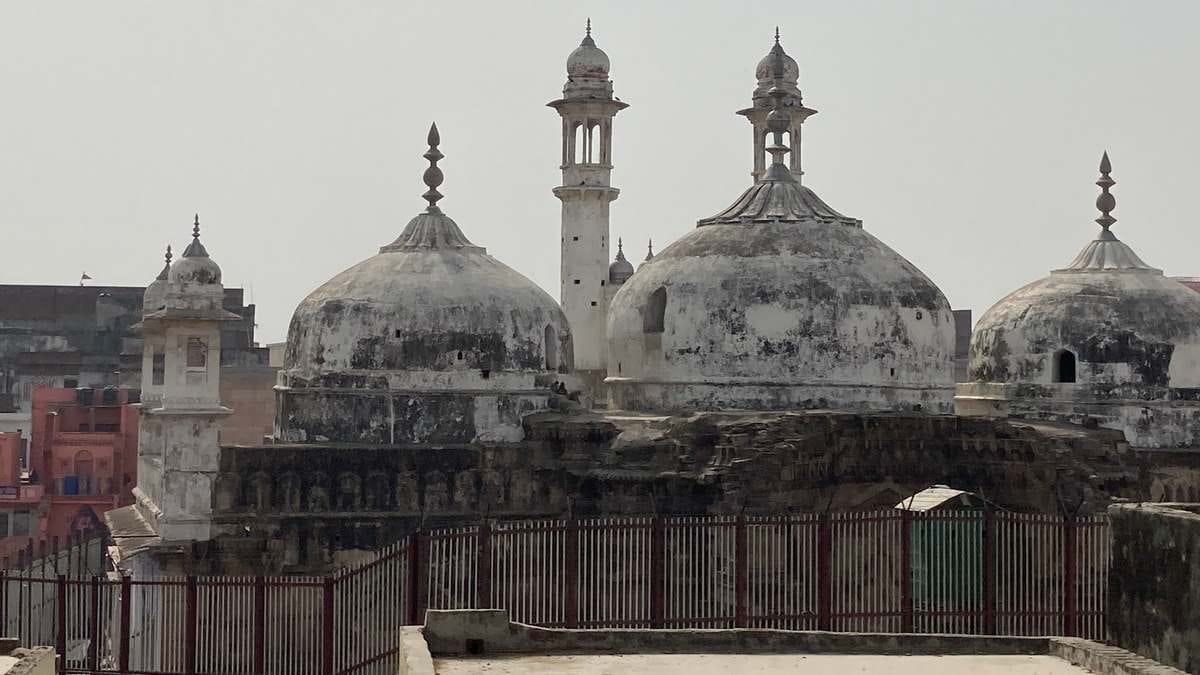
The Ladle Mashak Dargah plea highlights a widening legal and constitutional battle over contested religious sites, reflecting a broader pattern of litigation challenging the status and use of historical places of worship. On the other hand, the SC’s refusal to intervene points to the judiciary’s attempt to maintain the status quo while multiple disputes, including high-profile ones, such as Gyanvapi, remain pending before various courts.
The dargah committee secretary’s plea had turned the spotlight on a “deeply troubling” pattern of attempts to alter the character of religious places by securing interim court orders. It had alleged that every year, there were cases where permissions were sought for entry to sites during Maha Shivratri, but these permissions then evolved into practices that continued. The Ladle Mashak Dargah belonged to a 14th-century Sufi saint and a 15th-century Hindu saint and had historically been a shared place of worship, the plea had further noted.
Places of Worship Act, 1991
Earlier, on 12 December 2024, a Supreme Court three-judge bench directed courts across the country not to pass any interim or final orders, or even survey directions, in pending lawsuits connected to the religious character of places of worship.
The directive is linked to the 1991 Places of Worship (Special Provisions) Act, 1991—a law that freezes the religious character of all places of worship as they existed on 15 August 1947 and bars courts from entertaining claims to alter that status.
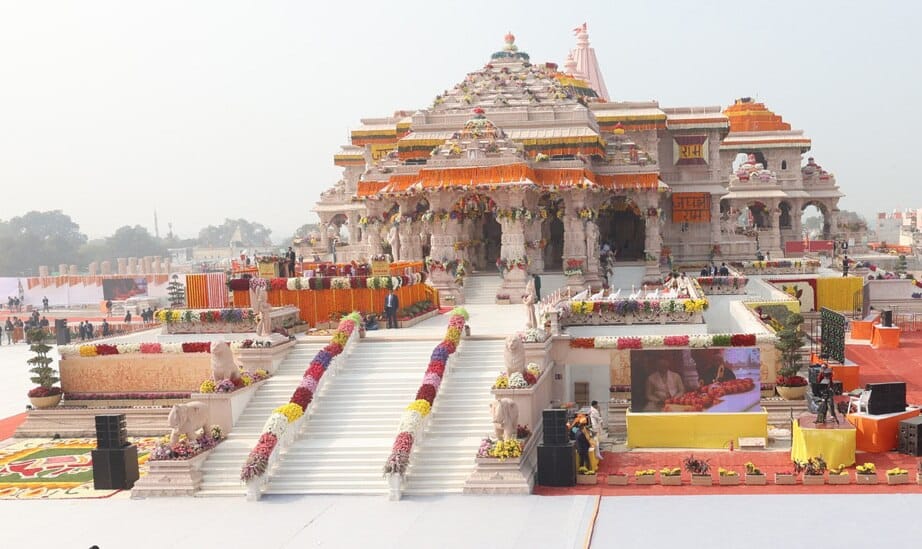
The only exception under the law was applied in the Ram Janmabhoomi-Babri Masjid dispute.
However, the Ladle Mashak Dargah matter is not the first time that a religious dispute has reached Indian courts post the 2019 Ayodhya verdict.
Over the past six years, several such disputes have reached courts.
For instance, in Uttar Pradesh, courts have heard disputes over the Gyanvapi Mosque, the Shahi Idgah Mosque, the Atala Mosque in Jaunpur, the Shahi Jama Masjid in Sambhal, the Teele Wali Masjid in Lucknow, and the Shamsi Jama Masjid in Budaun.
Outside Uttar Pradesh, the Quwwat-ul-Islam Mosque in Delhi, the Ajmer Sharif Dargah, the Bhojshala-Kamal Maula Mosque, the Sikandar Badusha Dargah, and the Malali Juma Masjid have faced similar controversies, with petitions reaching the courts.
Attributing this surge in disputes on religious sites to the 2019 Ayodhya verdict, Advocate-on-Record Sriram Parakkat told ThePrint, “When the Ayodhya judgment came out, it opened a Pandora’s box to declare several places as Hindu temples.”
Pointing to how many of these suits had been filed under civil procedural provisions and challenged in the context of the 1991 law, Parakkat said, “Under the CPC, if a suit goes into trial, evidence has to be gathered at the next stage. But how do you adduce evidence for 13th-century claims? The moment the stay is lifted, such cases will increase.”
In February last year, the Supreme Court expressed displeasure at the spate of such religious-site disputes before it, causing then Chief Justice of India Sanjiv Khanna to remark, “There is a limit to which petitions can be filed. Enough is enough.”
The Supreme Court, at the time, clarified that it would not entertain any more pleas on the Act unless they raised fresh legal grounds. The court was also informed that the Centre has not yet filed its response to the challenge to the 1991 law pending before the apex court.
Also Read: Sambhal mosque row: Is fixing historical injustices becoming a constant source of conflict?
Challenges to the 1991 Act
The petitions on religious site disputes have prompted leaders, such as Asaduddin Owaisi, to approach the top court, seeking strict enforcement of the Places of Worship (Special Provisions) Act, 1991.
The current plea also emphasised the necessity of preventing any alteration to the religious character of sites and ensuring the law’s effective implementation.
The Supreme Court, in January last year, tagged Owaisi’s plea, which sought to enforce the 1991 Act, with other pleas filed by political leaders and lawyers such as Subramaniam Swamy and Ashwini Kumar Upadhyay, who challenged the constitutionality of the 1991 Act on the grounds that it violated the tenets of secularism enshrined in the Constitution.
Swamy and Upadhyay’s plea stressed that from 1192 onwards, foreign powers such as Muslim rulers and later the British ruled parts of India and destroyed temples.
With the Act imposing a bar on altering the religious character of a place of worship after 15 August 1947, they argued that it prohibits Hindus, Sikhs, Jains and Buddhists from restoring their places of worship and violates their right to equality and non-discrimination.
What legal experts say
Former Chief Justice of the Himachal Pradesh High Court Rajiv Shakdher told ThePrint that the 1991 Act froze the religious character of worship sites as they existed on 15 August 1947, preventing excavation or digging to determine what lies beneath such structures—an exercise that would be inimical to all communities.
The 1991 Act was passed to ensure harmony among all communities, such as Hindus, Sikhs, Muslims, and Christians, with the former Delhi HC judge pointing out that India is a land of vast number of dialects and different religions, tribes, and sects.
“Even within Hinduism, there are multiple sects like the Shaivites and Vaishnavites, and tribes which follow varied practices and customs,” he said.
Underlining how admitting such cases could lead to opening a can of worms, the judge said, “Tomorrow, if a particular tribe has built a shrine to their deity, would you dig it up and say that it belongs to someone else? Permitting surveys in such matters would completely destroy the purpose & the object of the Act, in my opinion.”
Saying that the Supreme Court must close this, Justice Shakdher added, “A stay is not enough, the challenge to the 1991 Act has to be decided once and for all, otherwise this will fester. Apart from this, Articles 25–28 of the Constitution allow every person to practice, profess or propagate their religion. What is impermissible is unlawful conversion.”
Pointing out that the surge in such religious site disputes undermines the core of the 1991 Act, Advocate-on-Record (AOR) Charu Mathur said, “The Parliament deliberately chose to fix the status quo as on 15 August 1947 and foreclose endless historical disputes that threaten secular harmony. The only exception was Ayodhya.”
In December 2024, a three-judge bench presided over by Chief Justice Sanjiv Khanna intervened with a nationwide interim restraint on registration of any fresh suits of this kind, and said that no order would be passed by courts, including orders for surveys, until the Act’s constitutionality was decided upon, Mathur told ThePrint.
This interim measure has held firm.
“The plea was seeking to block the Mahashivratri Puja at a shared site. The court rightly held that extraordinary remedies cannot short-circuit ongoing proceedings in competent forums,” Mathur added.
Constitutional questions about the Act, however, still remained open, Mathur said, adding that historical grievances could not be permitted to de-stabilise the present.
AOR Paras Nath Singh said, “The Supreme Court’s interim order is very clear: no fresh suits shall be registered against any places of worship in India until further orders. It has also directed that in suits already pending before different courts, no effective orders or final orders shall be passed until further orders.”
This effectively maintains the status quo regarding the religious character of structures that are in dispute or are sought to be disputed, Paras said. Until the SC itself modified its interim order or finally adjudicated the validity of the 1991 Act—one way or the other—the current interim order remained binding on all courts, he added.
Gyanvapi dispute
The case dates back to August 2021, when five women devotees of Maa Shringar Gauri approached the Varanasi district court, seeking their right to daily worship at the Maa Shringar Gauri shrine located on the outer western wall of the mosque complex, adjacent to the Kashi Vishwanath temple in Varanasi.
The dispute gained momentum in 2022, when the women devotees brought the argument in the decades-old litigation that a Kashi Vishwanath temple stood on the site in the 17th century.
They claimed the temple was destroyed at the behest of Mughal Emperor Aurangzeb, adding that the temple at the site was built on the orders of Queen Ahilyabai Holkar in the 18th century.
Over the last five years, the case has moved through several courts—from the magistrate’s court to the district court, and then to the Allahabad High Court and finally to the Supreme Court.
In February 2025, the Allahabad High Court refused to provide relief to the Gyanvapi masjid committee, hearing its challenge to a Varanasi district court order that allowed Hindu prayers in the mosque’s cellar.
The case is still pending a final outcome.
The Supreme Court, earlier in August 2023, allowed the Archaeological Survey of India (ASI) to conduct a survey or excavation at the disputed religious site.
In doing so, it had affirmed an earlier Allahabad High Court order, which had rejected the mosque committee’s challenge to an ASI survey ordered by a Varanasi court.
Shahi Idgah Mosque–Krishna Janmabhoomi
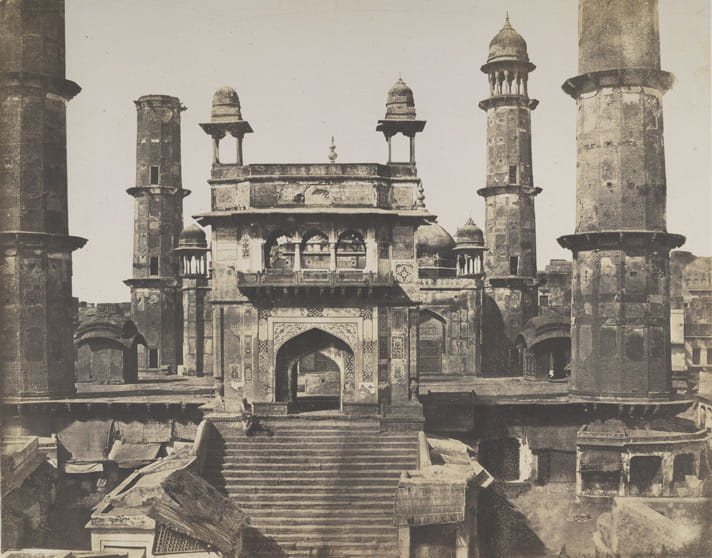
In July 2025, the Allahabad High Court rejected a plea to declare the Shahi Idgah mosque as a disputed religious site, hearing a plea that claimed that the mosque, situated next to the Krishna Janmabhoomi, was constructed on the site of a Hindu temple after Aurangzeb razed it to the ground in the 17th century. Another plea was filed seeking to remove the mosque, which lies between Vrindavan and Mathura.
Both these pleas date back to 2020.
However, it was only in 2023 that the Allahabad High Court took up all eighteen pleas that had accumulated in the case, altogether.
Later in May 2025, the court rejected a plea seeking to declare goddess Radha as a party to one of the 18 pleas pending before it.
The petitioners, in support of their contentions, argued that the lotus pillars seen in the temple were usually found in Hindu religious sites.
On the other hand, the Central Waqf Board and the mosque committee argued that the claims were not genuine, and the site was not in dispute.
In December 2023, the Allahabad High Court directed a survey of the Shahi Idgah mosque to check the veracity of the competing claims before it. But the Supreme Court later stayed the order in January 2024, after the mosque committee challenged the HC order. In January 2025, the SC extended its stay order, pausing the survey until further notice.
Quwwat-Ul-Islam Masjid
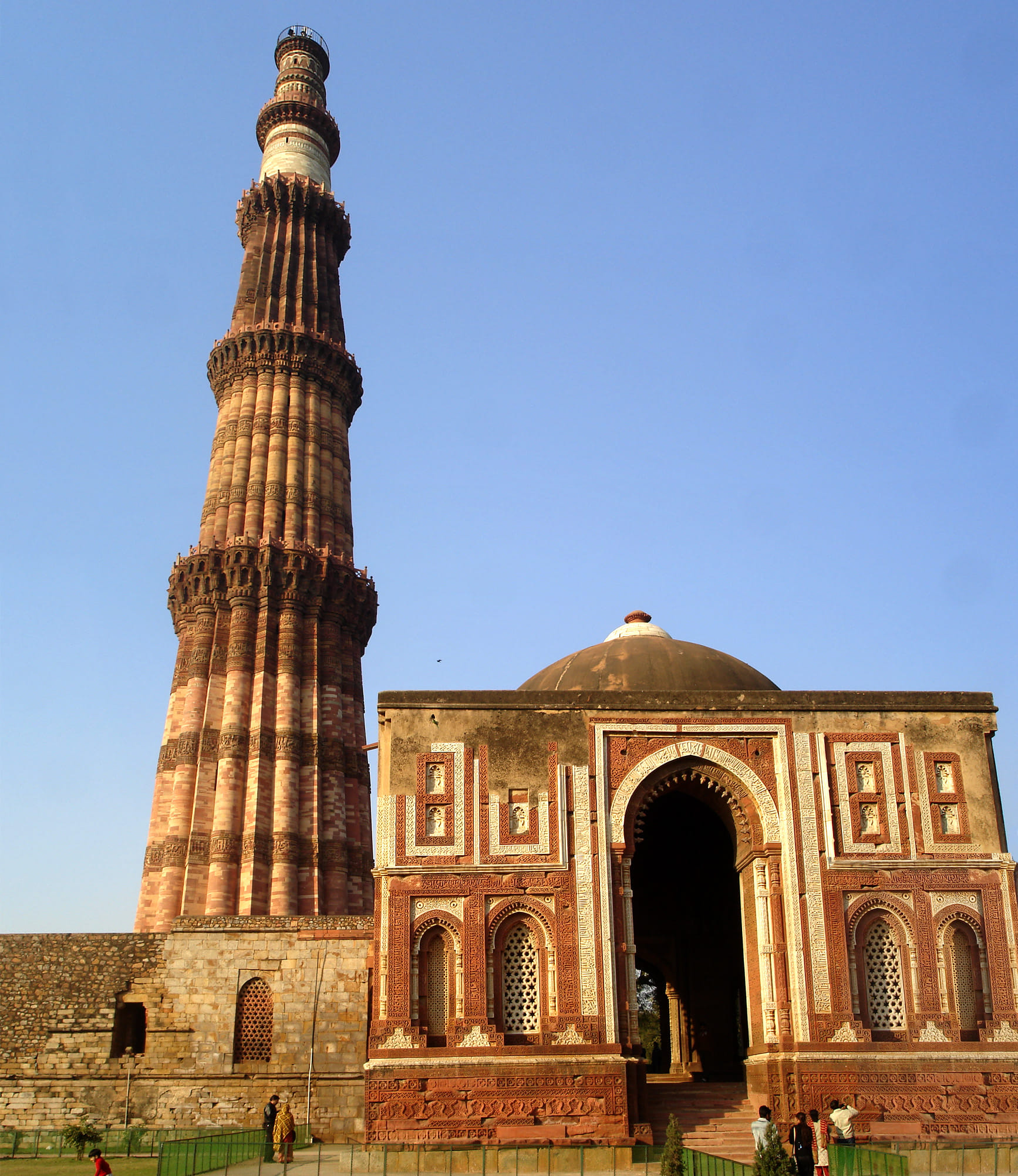
In 2020, a suit was filed on behalf of the deity Lord Vishnu, seeking restoration of Hindu and Jain deities inside the Quwwat-Ul-Islam Masjid in Delhi’s Mehrauli area.
The plea claimed that 27 temples were destroyed to construct the mosque.
In 2021, however, a Delhi court rejected the plea, but its order was challenged before the additional district judge.
“On the walls, pillars and roof of the existing building, the images of gods and goddesses, including other religious/pious Hindu symbols and deities like Shri Ganesh, Vishnu, Yaksha, Yakshini, Dwarpal, Lord Parshvanath, Lord Mahavir, Natraj and symbols like mangal kalash, shankh (conch), gada, lotus motifs, Shri Yantra, temple bells and sacred lotus etc., are engraved,” said the plea filed by advocate Vishnu Shankar Jain and his father Hari Shankar Jain, who represented the Hindu side in as many as 12 cases related to the 1991 Act, including the Gyanvapi Mosque–Kashi Vishwanath temple dispute.
Atala Mosque in Jaunpur
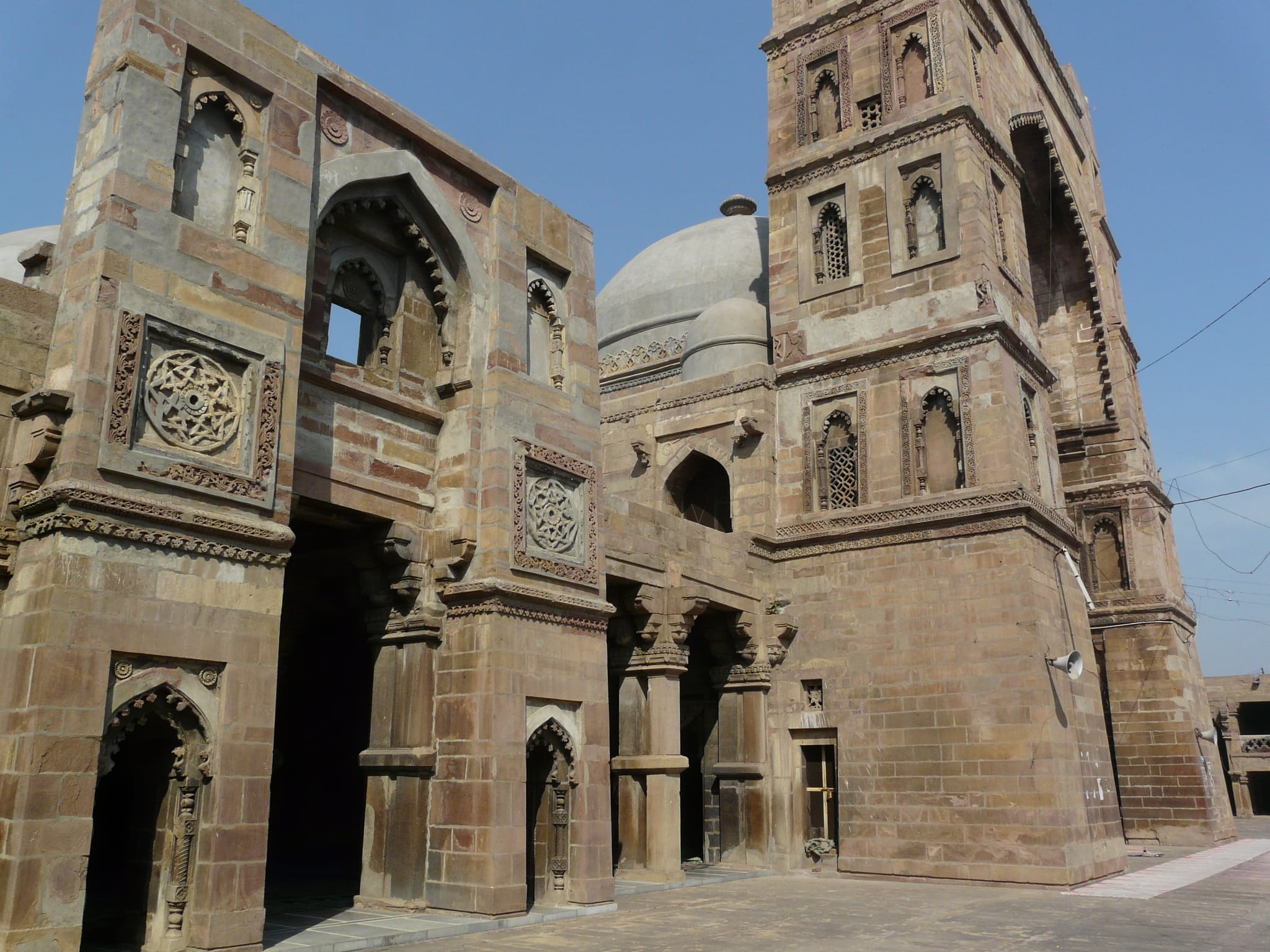
A Jaunpur court in December 2024 refused to order an ASI survey of the 14th-century Atala mosque in Jaunpur, after a plea claimed it was a temple, demolished by the 14th-century ruler Firuz Shah Tughlaq.
The court had also cited the Supreme Court’s 2024 interim stay, which prevented courts from passing orders in pending cases concerning the religious character of a place.
In December 2024, the mosque committee approached the Allahabad High Court, challenging the local court’s order that allowed the lawsuit claiming the mosque was originally the Atala Devi temple.
The mosque’s representatives argued that the Atala Masjid—constructed between 1376 and 1408 by Firuz Shah Tughlaq—has never been in possession of any other religion, except Islam.
Shahi Jama Masjid in Sambhal
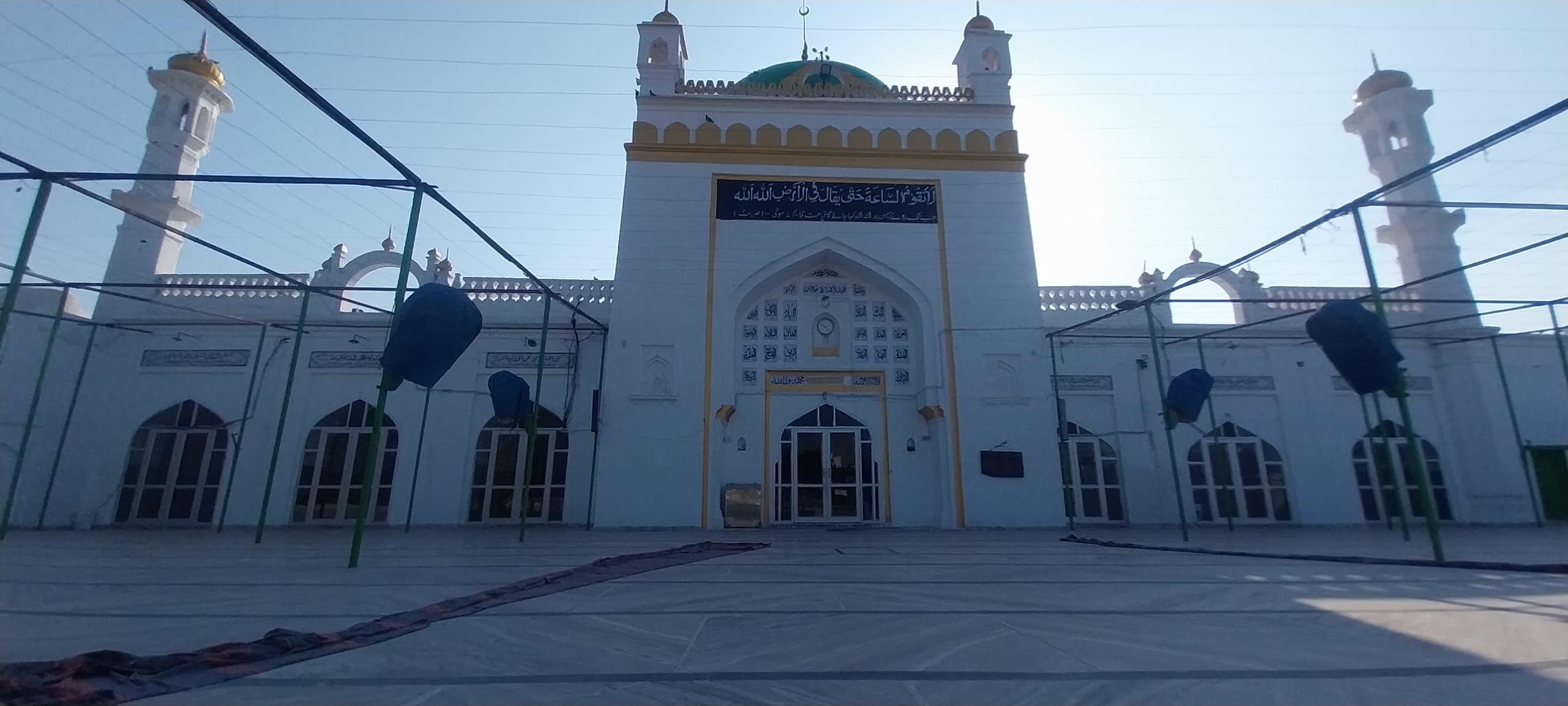
In November 2024, Sambhal’s Shahi Jama Masjid, which was constructed in 1524 allegedly by an official of Emperor Babur, became a site of dispute after a trial court in Uttar Pradesh permitted a survey of the Mughal-era mosque.
After the court order, there were reports of multiple deaths and riots breaking out in the area.
The local court was acting on a plea by some Hindus, who claimed that the mosque was built after destroying a Hindu temple.
Five days after the court-ordered survey, the Supreme Court stepped in and stayed the trial court’s proceedings, ordering that no fresh cases should be entertained that seek to survey places of worship.
Other cases
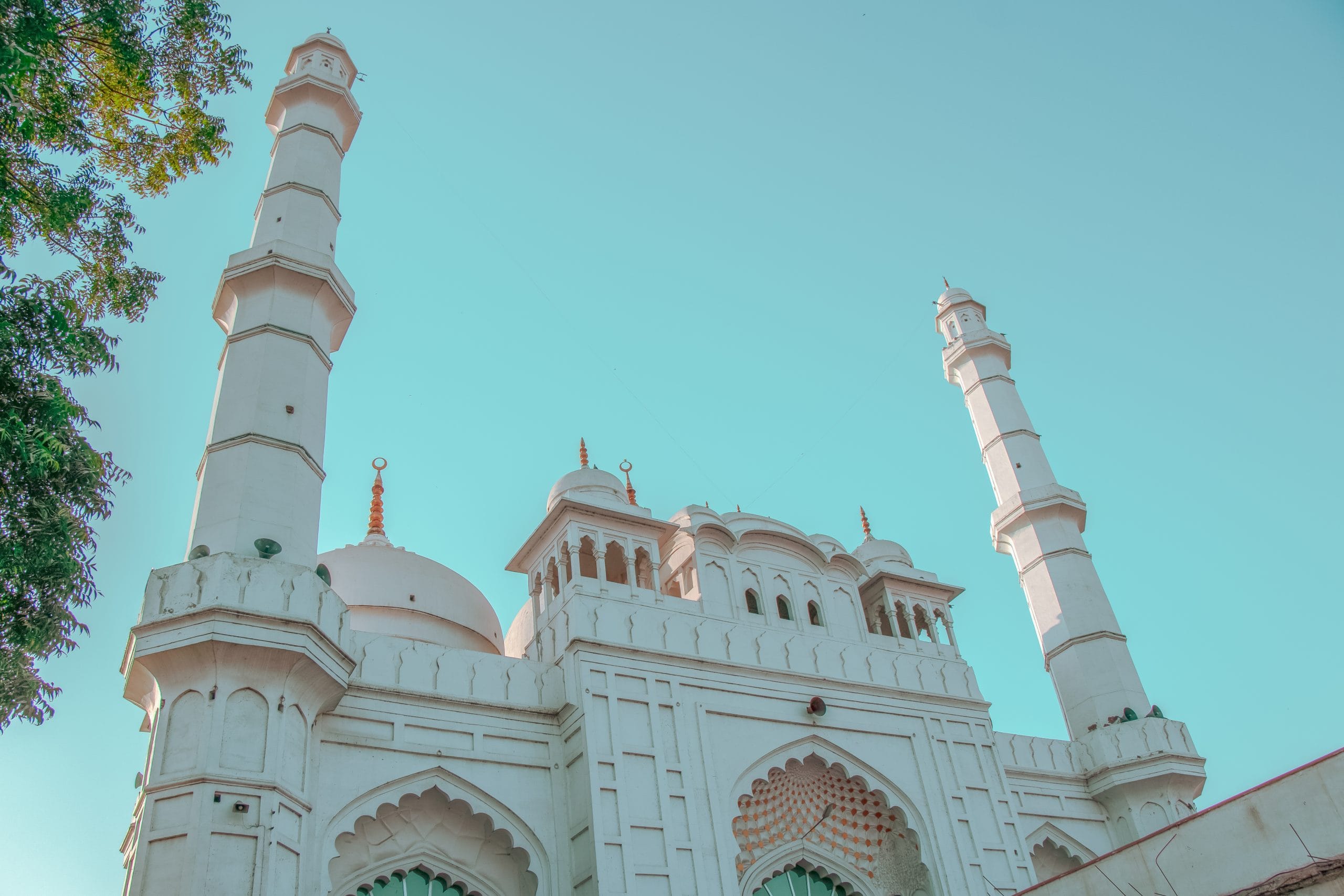
Apart from this, similar petitions have been filed concerning religious sites, such as the Ajmer Sharif Dargah in Rajasthan, the Teele Wali Masjid in Lucknow, the Bhojshala Temple–Kamal Maula Mosque complex in the Dhar district of Madhya Pradesh, the Sikander Badusha Dargah in Tamil Nadu, the Shamsi Jama Masjid in Badaun, and the Malali Juma Masjid in Mangalore.
Close to the Hindu Subramaniya Swamy Temple, the Sikandar Badusha Dargah, a 13th-century Sufi shrine on top of the Thiruparankundram hill in Tamil Nadu’s Madurai—a shrine to Sultan Sikandar Badusha Shahid— has become part of a legal dispute, as well.
In February this year, the Supreme Court declined to interfere with a Madras High Court order that allowed the lighting of the Karthigai Deepam (lamp) at a hilltop stone pillar near the site while restricting Muslim prayers at the hilltop location, except during Ramzan and Bakrid (Eid-ul-Adha). The high court also clarified that no animal sacrifice could be carried out at the site.
(Edited by Madhurita Goswami)
Also Read: Inside Bhai Preet Singh’s anti-mosque campaign in Delhi. Courts, clashes, claims