








By Sethuraman N R
(Reuters) – Renewable energy projects in Rajasthan, India’s leading solar state, are expected to become more expensive and face delays due to a recent amendment to the state’s land registration laws, industry experts said.
The Rajasthan government has made it compulsory for companies to pay stamp duty when signing an agreement for sale or leasing land for solar projects, as both types of agreements must now be registered.
New renewable energy projects in Rajasthan would see at least 8%-10% increase in land expenses due to registration charges and stamp duties, said senior executives from four renewable energy companies who did not wish to be named due to the sensitivity of the issue.
Land expenses account for nearly one-fifth of overall project costs.
“For newer projects that are yet to be bid out and developed, companies have to additionally factor the cost,” said Vikram V, vice-president and co-group head of Corporate Ratings at the credit rating agency ICRA.
Rajasthan tops Indian states in installed renewable energy capacity, at about 30 gigawatts, and Indian companies have pledged billions of rupees in investments in the state.
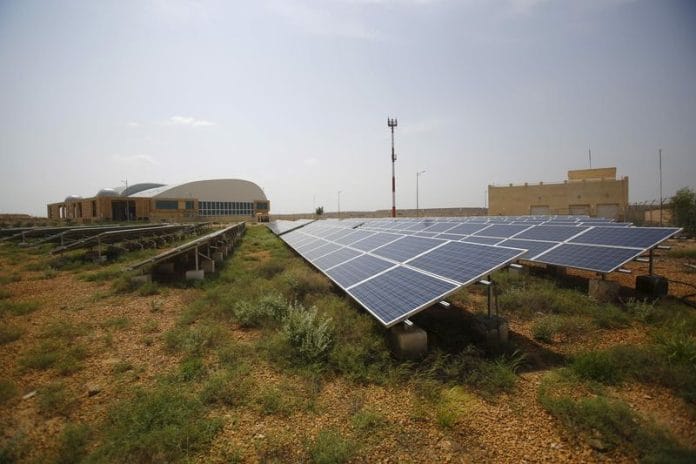
Solar projects require large tracts of land, typically ranging from at least 50 to 100 acres to build 10-20 megawatts. With abundant land and high solar radiation, the desert state of Rajasthan stands out as a top choice.
India’s clean energy sector has been facing obstacles including weak demand for tenders, delays in power agreements and project cancellations.
Issues such as the non-availability of land in resource-rich areas, site accessibility problems and complexities in land aggregation have already posed major challenges to clean energy deployment, according to a recent report from the Council on Energy, Environment and Water.
The share of land cost in the overall project expenses has more than doubled and is expected to increase further in areas with strong connectivity and clean energy potential, CEEW said.
(Reporting by Sethuraman NR; editing by Mayank Bhardwaj and Krishna Chandra Eluri)
Disclaimer: This report is auto generated from the Reuters news service. ThePrint holds no responsibility for its content.