





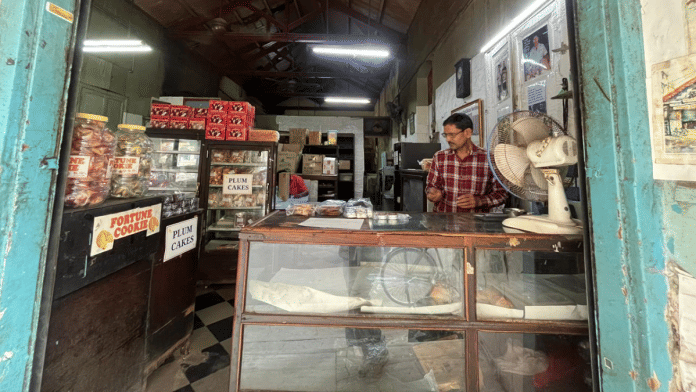



Mumbai: On a scorching Thursday noon, Safdar Khan stared at the empty racks inside the old world Yazdani Bakery, a 20th century British era Persian bakery in South Mumbai.Just then, an employee from a nearby restaurant, a regular customer, came to ask for ‘laadi pav’, a soft fluffy bread that is staple to Mumbai. He asked for 10 laadi pav. One laadi has 6 pavs.
“I don’t think I have 10,” Khan responded. The request came down to 4. Khan said, “I don’t even have that much to give you.” The employee disappointingly walked off, telling his partner, “This is the fourth place that has rejected us today.”
Such scenes are playing out in other bakeries all over the metropolis. Given the paucity of LPG supply, bakers like Khan are worried that their businesses will come to a standstill soon.
“Earlier, we used to run the bakery in ovens using traditional firewood. But because of Brihanmumbai Municipal Corporation’s rules, we switched to LPG. Now, we are facing a crisis,” said Khan. “We were better off with wood fire ovens.”
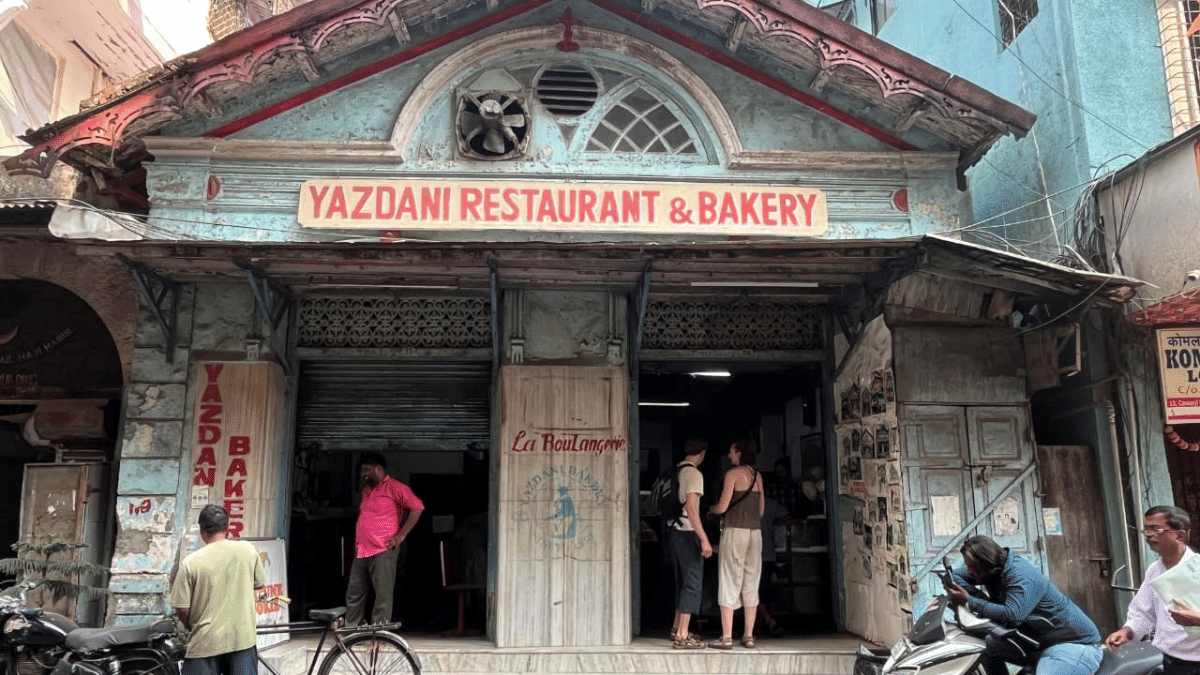
A similar scene is playing out at the Parsi Bakery in Worli, some 10 km away from Yazdani.
“We are facing a major problem right now. The situation is getting worse every day. If I don’t get the supply, I might shut down anytime soon,” one of the members from Parsi bakery told ThePrint.
The LPG crisis has also hit restaurants and eateries—small and big— across the city. The AHAR, an association representing restaurants and hotels, said that if the supply is not restored by Saturday, more than 80 percent of restaurants across Mumbai will have to pull the shutters.
“We have been holding meetings with Food and Civil Supplies Minister Chaggan Bhujbal for the past few days. I have also told him the situation. Let us see what happens,” AHAR president Vijay Shetty told ThePrint.
Even the government, hostel and press club canteens are operating partially. The Brihanmumbai Municipal Corporation (BMC) and police canteens are also struggling. Menus are trimmed down, and visitors have to settle for lesser choices.
Commercial centres, according to their owners, require 2-3 cylinders daily depending upon food items. For bakery ovens, at least 3 cylinders are required.
“The situation is worse. On Wednesday, 25-30 percent of bakeries were shut, on Thursday, it shot up to 50-60 percent. Plus, there is no point in buying LPG at black market because my costs will rise but there’ll be no returns,” Farookh Shah, a member of Bombay Bakers Association, told ThePrint.
“On an average, each bakery produces 1,000 laadis daily. The shortage exponentially increased from this week.”.
Meanwhile, the Maharashtra government food and civil supplies department issued a statement to manage the shortage of LPG supply.
“To avoid disruption in supply and ensure coordination in case of any shortage, district-level committees will be formed under district collectors. These panels will include the superintendent of police, district supply officer and officials from government oil companies,” it said.
“Their responsibilities will include monitoring the LPG supply chain, maintaining law and order and submitting daily reports on the situation.”
The government said essential services such as hospitals, government hostels, government school and college mess facilities, the mid-day meal scheme and ashram schools will get priority when supplying LPG cylinders.
Authorities were also asked to explore the use of alternative fuels such as coal or kerosene, while following norms of the Maharashtra Pollution Control Board.
Also Read: Closure of over 200 hotels & eateries in Chennai fuels DMK attacks on BJP for ‘cylinder shortage’
Bakeries feel the brunt
Mumbai’s food culture is heavily dependent on pav (bread). Be it a lower-income class person surviving the day on a vada pav and bun maska or bhurji pav or middle-income people relishing on pav bhaji or kheema pav, a day is not complete without some form of bread in the diet.
According to industry estimates, the city consumes around 80 lakh pavs daily. Out of this, 60 lakh are supplied to restaurants, eateries, street vendors while about 20 lakh are consumed by households.
“The situation is dire. Many labourers, construction workers in Mumbai depend on laadi pav for cheap food options. If the supply gets stopped, it will bring back the Covid-era memories,” said Ashfaque Siddiqui, south Mumbai president, Bombay Bakers Association.
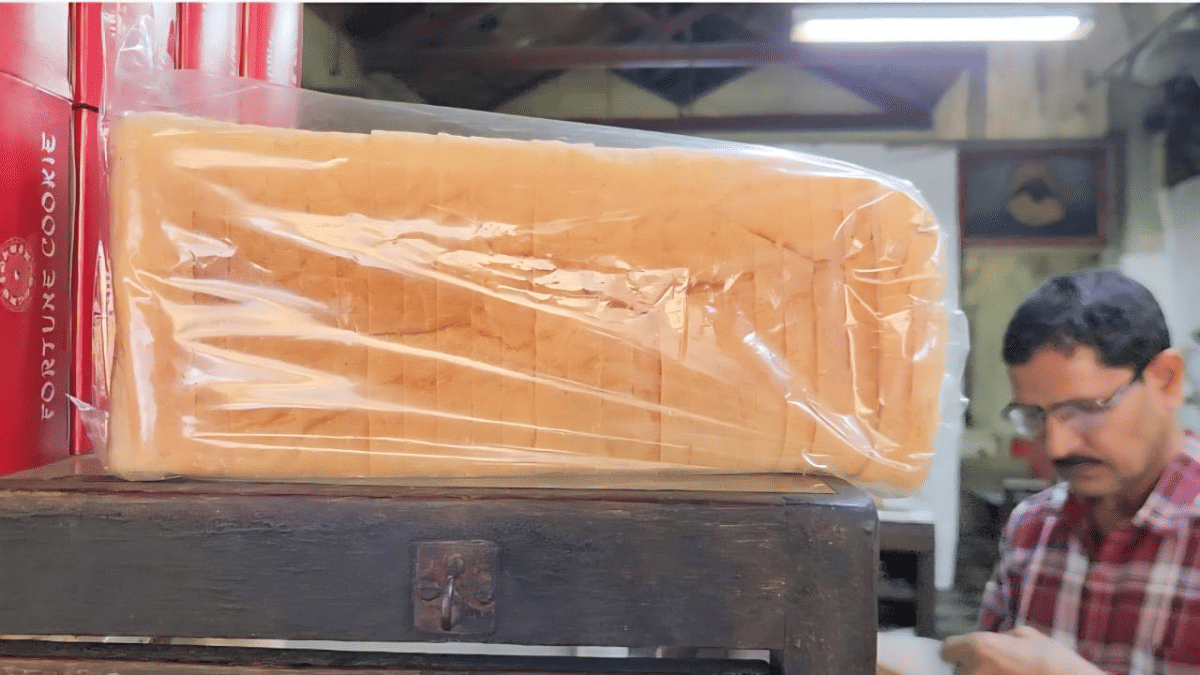
And it is not just the story of pav. For instance, Yazdani produces Khari toast, bread loaves, pizza bread, among others. Safdar Khan told ThePrint that previously they used to bake 200 laadi pavs daily, which has come down to hardly 50.
“From the last two days, we have used our last remaining cylinders for baking pav only. The other food items like cookies, biscuits, puffs are not even being baked as we don’t want to waste the fuel since demand for pav is more.”
Khan has been working at Yazdani since the 1980s but he says this kind of crisis is unprecedented. He says that there are about 5 workers who stay at the bakery and are using coal to cook their own food.
There are about 750 bakeries under the Bombay Bakers Association and around 400 with the India Bakers Association. So, Shah said, in Mumbai around 1,200 registered bakeries are running. If non-registered entities are accounted for, it can touch 1,500, mostly of them family-run businesses.
What comes as an additional burden is the costs incurred when switching from traditional to clean fuel, a move necessitated via the Bombay High Court’s August 2025 order to hotels and bakeries for checking air pollution.
About 90 percent of the bakeries began the transition as they demolished stone and brick foundations and invested in heavy machinery to adhere to the court order, which already pushed many bakery owners financially to the brink, the association said.
Since the LPG crisis began, black marketing and hoarding of LPG cylinders increased only to add to the woes.
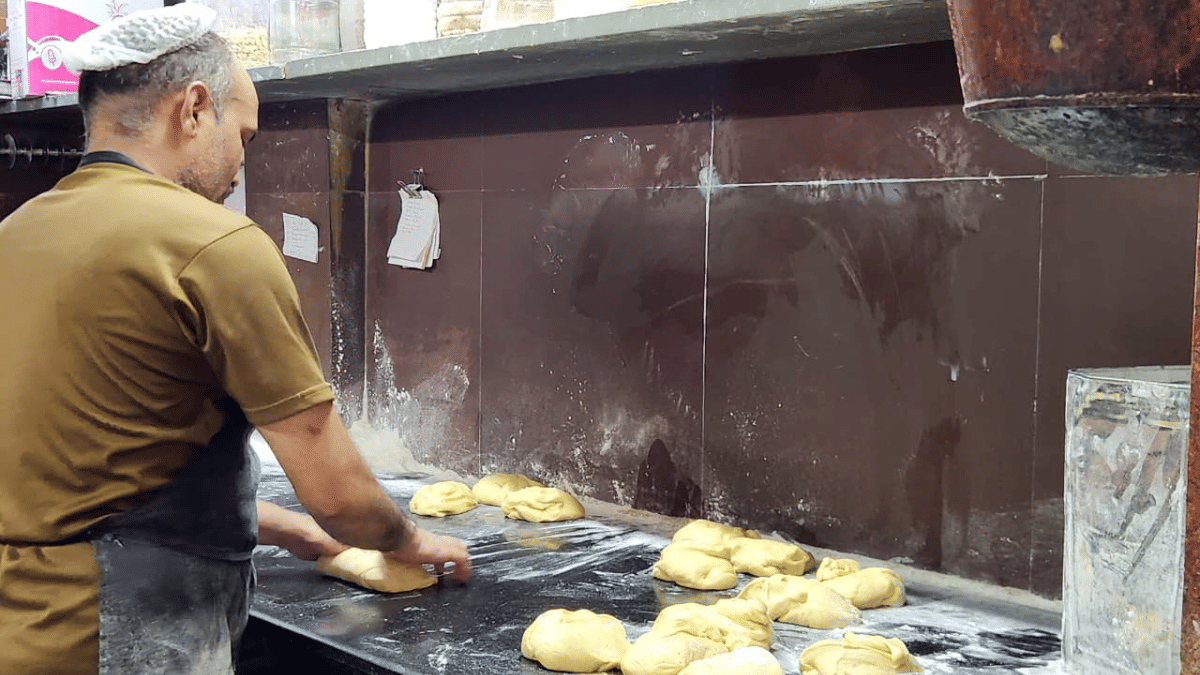
“I am ready to pay in black, but nobody is ready to give me. Without that I won’t survive, I’ll have to shut down,” the Parsi Bakery member quoted above said. He said that just a day earlier, he somehow managed two cylinders.
He used to make 50-60 loaves of bread, which he has now stopped.
“As you can see, my shelves are empty. I have cut down on production of bread that requires a lot of fuel. We are making a little bit of kharis, toasts, but that is very little. We are not taking any orders.”
In such a scenario, bakeries can switch to electric ovens. But that means investment of about Rs 4 lakh, and not many are ready for the transition.
According to the AHAR, restaurants are on the brink of shutting down by the weekend. In Mumbai, there are 8,000 restaurants registered under AHAR, providing direct employment to about 5 lakh. The scale goes up to around 2 crore people with about 5 lakh restaurants all across Maharashtra.
Shetty said on an average, a mid-size restaurant requires 3 cylinders daily.
“The challenge is how to provide food and shelter to our employees, apart from providing for customers. Fuel transition is not easy; inductions are not easily available. Besides, a setup needs to be changed, that means more investment.”
Even the Vidhan Bhavan where the Maharashtra Budget session is underway, is hit by the LPG shortage. The staff of MLAs, secretaries, security guards are feeling the brunt of it.
“In Mumbai, lakhs and lakhs of people—migrants, office-going staff rely on our hotels and restaurants. So if we don’t restore our supply by Saturday, the game will be over,” Shetty warned.
(Edited by Tony Rai)
Also Read:A war in the Gulf, a crisis in Gujarat’s Morbi: India’s ceramics capital counts the cost