








In episode 1809 of Cut the Clutter, ThePrint Editor-in-Chief Shekhar Gupta and Udit Bubna discuss growing concerns over LPG supplies in India amid the closure of the Strait of Hormuz. They explain how the chokepoint’s disruption is affecting global energy flows, India’s dependence on imported gas, and steps the government has taken to manage supply, prioritise household consumption and prevent panic buying.
Here’s a complete transcript of the episode, edited for clarity.
It will be stupid of me to say there’s no LPG crisis and don’t worry about this. There is cause for concern. Even the Modi government has accepted today that there’s concern about LPG supplies. For almost two weeks now, the Hormuz Strait has been closed. That’s where a lot of the hydrocarbons for India come from. It’s not as if hydrocarbons aren’t available from elsewhere. But it just takes time sourcing it. And in any case, the large tankers move very slowly. And for the tankers then to reach LNG terminals in India, these tankers bring gas which is liquefied under pressure, it cannot come to any port. There have to be specialised LNG terminals.
In India, the most prominent gas terminals are on the western coast, Dahej and Hazira in Gujarat, and Kochi way down on the western coast in Kerala. Then you go to the eastern side, where there’s Dhamra in Odisha and Ennore in Tamil Nadu.
Ennore, in fact, is an Indian Oil terminal; Dhamra is Adani Total; Kochi is Petronet; Hazira is Shell; Dahej is also Petronet. These are the terminals these ships will have to reach.
And until then, there will be concern and some anxiety. You can buy more gas from Canada, from the US, or even from some countries in Africa. But that takes time. You can’t immediately fill in the gaps that come up. So what exactly are the gaps?
What is it that the government has done? How have they invoked the Essential Commodities Act? And how have they decided to implement this by dividing gas users into categories? Also, what are the different kinds of gas? And how are these gases made?
So propane, butane, ethane, and methane all four come from breaking down natural gas. They’re broken down through the usual process in a gas plant. Butane and propane are then combined in a certain proportion to produce cooking gas that is then liquefied under high pressure, which is of the order of about 20 times atmospheric pressure.
The volume is reduced, say from 250:1 to 350:1, so that it can be packed in a cylinder that you carry or it can be pumped through the pipelines in case you’re in a household which has piped natural gas (PNG). That’s how cooking gas comes into our homes, our restaurants, our hotels, etc. But where’s the shortage?
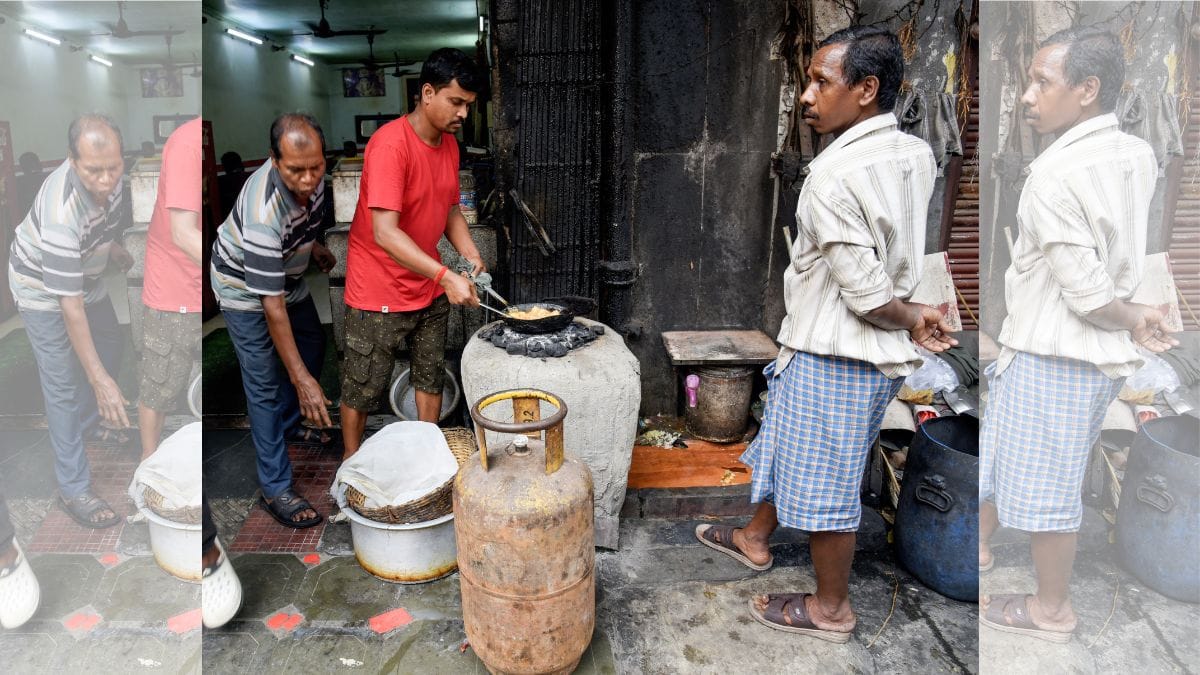
The government says it’s not expecting any shortage of PNG and that 1.5 crore households in India, mine included, are already getting PNG.
So the total natural gas India consumes per day is about 189 MMSCMD (million metric standard cubic metre). Of this, 97.5 MMSCMD is domestically produced. We have some gas fields, including a significant one in KG-D6, across the eastern seaboard, in the Bay of Bengal. The rest 91.5 MMSCMD is imported. Of this, 47.4 MMSCMD, or about 53-54 percent of everything that India imports by way of gas, is currently under Force Majeure.
Force Majeure is a standard clause in any contract that says if I’m unable to fulfil this contract because of circumstances beyond my control, such as a natural calamity, war, earthquake, etc., then I’m not held to my contractual obligations.
So about 53–54 percent of all the natural gas India imports at this point is under Force Majeure. In India also, companies that distribute gas have also issued various levels of Force Majeure. And that has caused some bit of panic.
Now, what happens?
Of all this gas that India consumes, that is 189 MMSCMD, PNG is only 3.73 MMSCMD, which means it’s less than 2 percent. And that’s why the government is confident that if you have a PNG pipeline into your home, you’ll be fine, there will be no interruption.
In fact, what the government is trying to do is, it’s trying to drive more households towards PNG. It has said that besides the 1.5 crore households that already have PNG, another 60 lakh live in the vicinity of PNG supplies. So they should reach out and upgrade to PNG.
That helps the government in many ways. One, PNG has no subsidy. Second, it’s more efficient. And third, the business of carrying cylinders then goes down. And that itself also improves the quality of our urban life.
Also Read: Centre admits LPG supply ‘issue of concern’, urges nearly 60 lakh households to shift to piped gas
Now natural gas in its processing produces LPG as a by-product. About 60 percent of our LPG is produced while processing natural gas, and 40 percent is produced while refining crude oil. In both these processes, it’s possible to tweak it in such a way that you get more LPG. That’s the directive the Government of India gave the refineries on 5 March.
India is the second-largest consumer of LPG after China, that is 31.5 million tonnes every year. Also, the Modi government in the past 10-11 years has been aggressively pushing Indian households towards LPG, subsidising the poor, initially giving them free cylinders and then giving them deeply subsidised cylinders to encourage them to use cleaner fuel, reduce pollution, and at the same time improve the quality of life of people at home; mostly the women who cook in rural and small-town or poor or slum households.
So India’s dependence on and use of LPG has gone up a great deal. Now, what happens to the LPG that is imported, which is now under stress? I told you 40-45 percent we make at home, 55-60 percent is imported. Of this, about 80-90 percent passes through the Strait of Hormuz where global energy supply chains are being strangled because of this war.
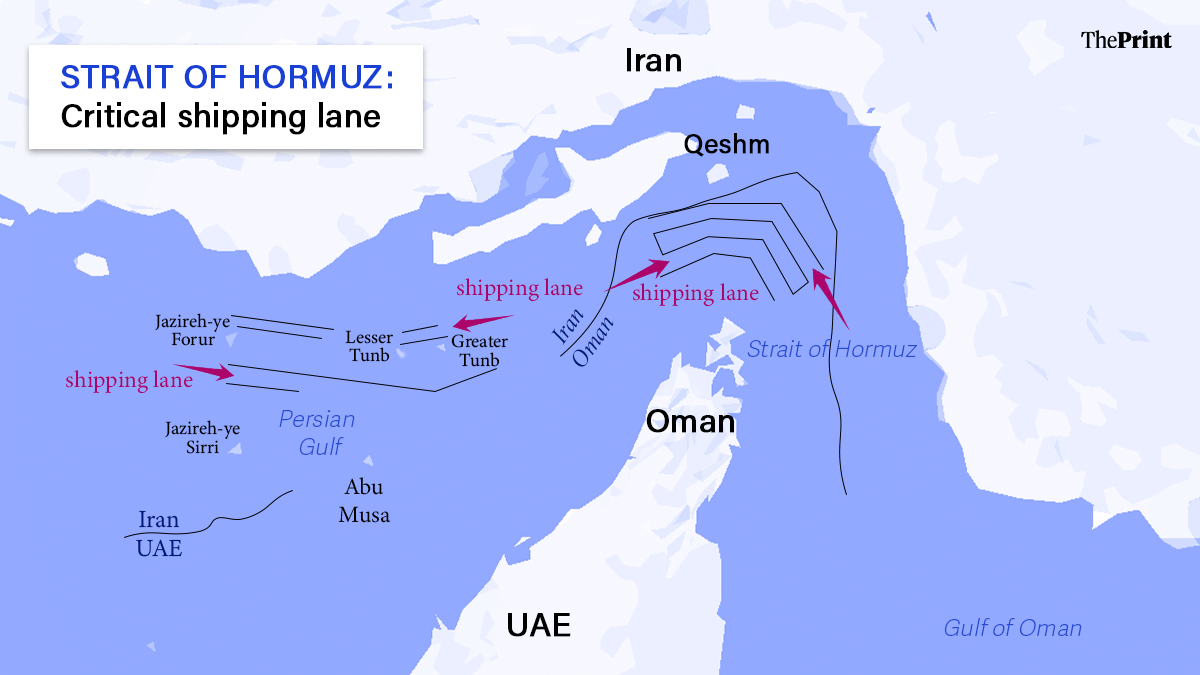
Now, if this doesn’t come from there, what option is there for a country like India, which has such heavy dependence on imported gas in general, but imported LPG also specifically, because this affects the largest number of people, immediately. This hits the households much before the shortage of gas hits fertiliser plants, because that in turn, will hit the farmers. That will take time. Meanwhile, you can find other ways of buying fertiliser elsewhere. This, however, has an immediate impact, and that’s what has caused this panic.
I will say now that the kind of panic we’re seeing at this point for LPG bookings, as if this war will go on forever or as if this war goes on, there are no other sources of gas available—maybe in a couple of weeks there will be trouble, but there is no need to hoard.
What has happened in the market right now? Usually, India has 25,000 LPG distributors. Between them, they see the bookings of about 55-60 lakh cylinders a day.
This has now gone up to 75-80 lakh cylinders. So it’s not as if we Indians have started eating 30-40 percent more. It’s not as if we Indians are cooking our food a little bit more than before. It’s the scarcity mindset. And a scarcity mindset leads to hoarding. And we’ve seen this all the time because we are a society that’s used to shortages.
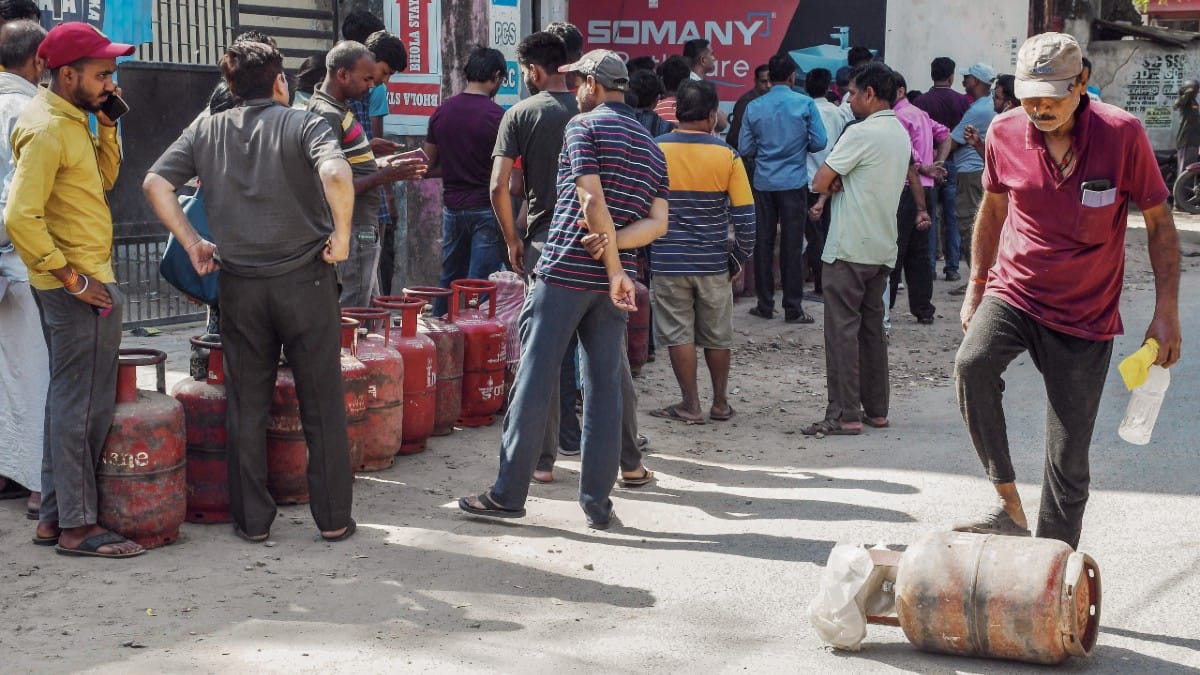
We’ve had shortages growing up. I’ve seen shortages growing up. You went to the ration shop and bought something for this week, for next week, and then the word came that the ration shop had sugar, so you went rushing to get more. And households hoard because I don’t know whether next month there will be sugar or not. I don’t know whether next month there will be edible oil or not, or atta will be there or not, or rice will be there or not.
This mentality also came into play when COVID came in. As COVID came in, people started hoarding. People even started hoarding hand sanitisers, masks, stuff like that.
You can understand people panic because they don’t know. It’s a crisis they don’t understand. Nobody understood that crisis. And you don’t know how long it will last. That’s what exacerbates the immediate sense of shortage. And then it becomes a vicious cycle.
So what has the government done? The first step, that’s the usual Government of India reaction every time there’s even a whiff of a crisis, they bring in the Essential Commodities Act. In this case, it has been promulgated under which sectors have been divided according to priorities.
So priority sector 1 is household gas consumption. That includes both PNG, CNG—for scooters, taxis, cars that run on it—and also LPG for domestic use.
Then, priority sector 2 is fertiliser plants. They will now get gas, which is 70 percent of the past six months’ average. The way I look at it, this is the time when Kharif crop is ripening. So maybe right now the fertiliser need will not be so much. And even if these plants get 70 percent of their six-month average, which includes peak fertiliser-use season, particularly for urea, they should be okay.
Sector 3 is gas marketing entities supplying to tea gardens in the tea industry and manufacturing units.
And sector 4 is the city gas distributors who then give gas to commercial units. This has been limited to 80 percent of the previous preceding six-month average.
I think it’s a good point now for me to call in Udit Bubna, who has been covering this story for us, going for the Ministry of Petroleum and Natural Gas briefings, also tracking data on Kpler and other international platforms and talking to experts.
Also Read: PM reviews oil, gas supply as analysts warn reliance on imports leaves India open to war disruptions
Shekhar Gupta: Udit, what exactly is happening? How affected is India with this Hormuz shutdown? And what are our other sources of fuel? I heard the minister say that there are 40 countries from which we import hydrocarbons. Which are the most prominent?
Udit Bubna: So the prominent countries from which India imports crude oil remain Russia, Saudi Arabia, Iraq, Kuwait, and other Middle Eastern countries, including the UAE. Apart from that, we also import from America, South America, and Africa. And that’s where the diversification that India is talking about comes in—from earlier 27 to now 40 countries.
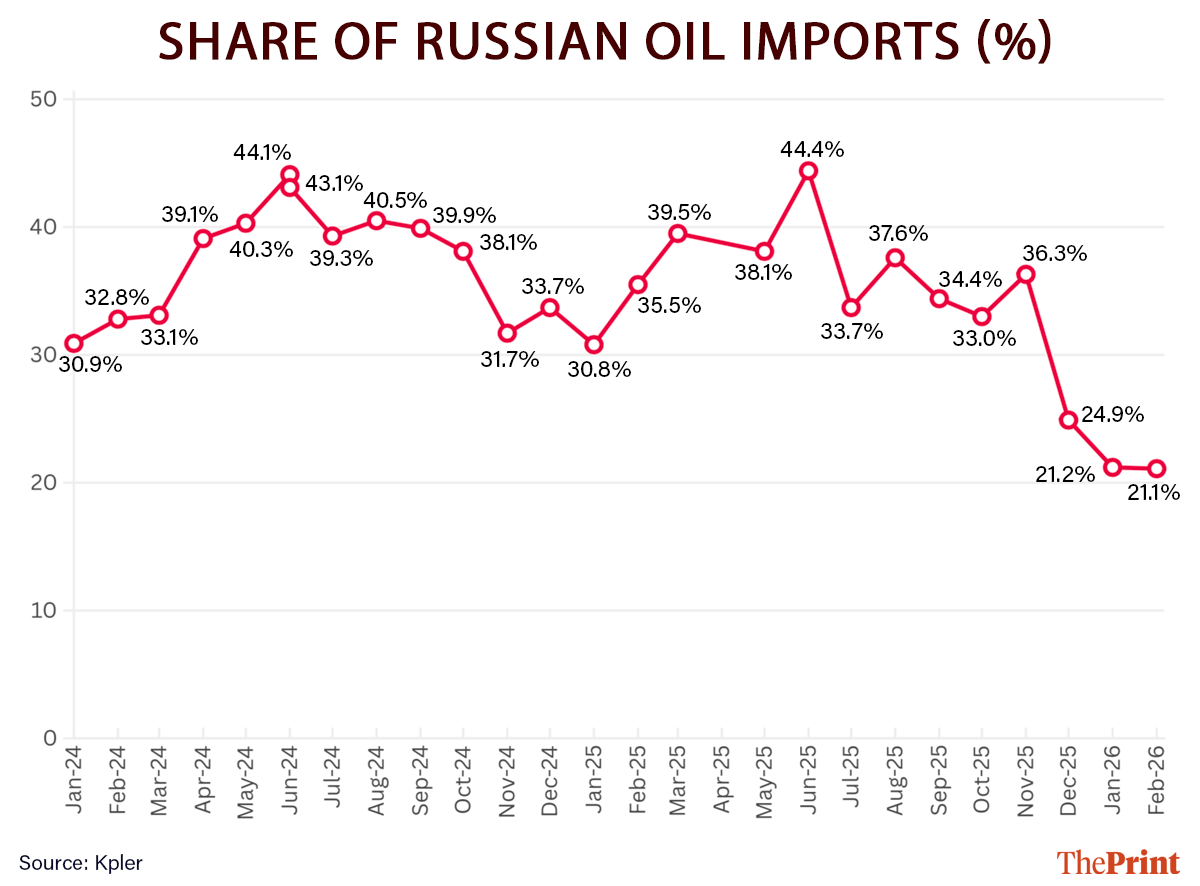
And to give you some of the figures, for February 2026, India imported around 1.06 million barrels per day from Russia. And if we see, almost 1 million barrels per day were being imported from Saudi Arabia and almost 1 million barrels again from Iraq.
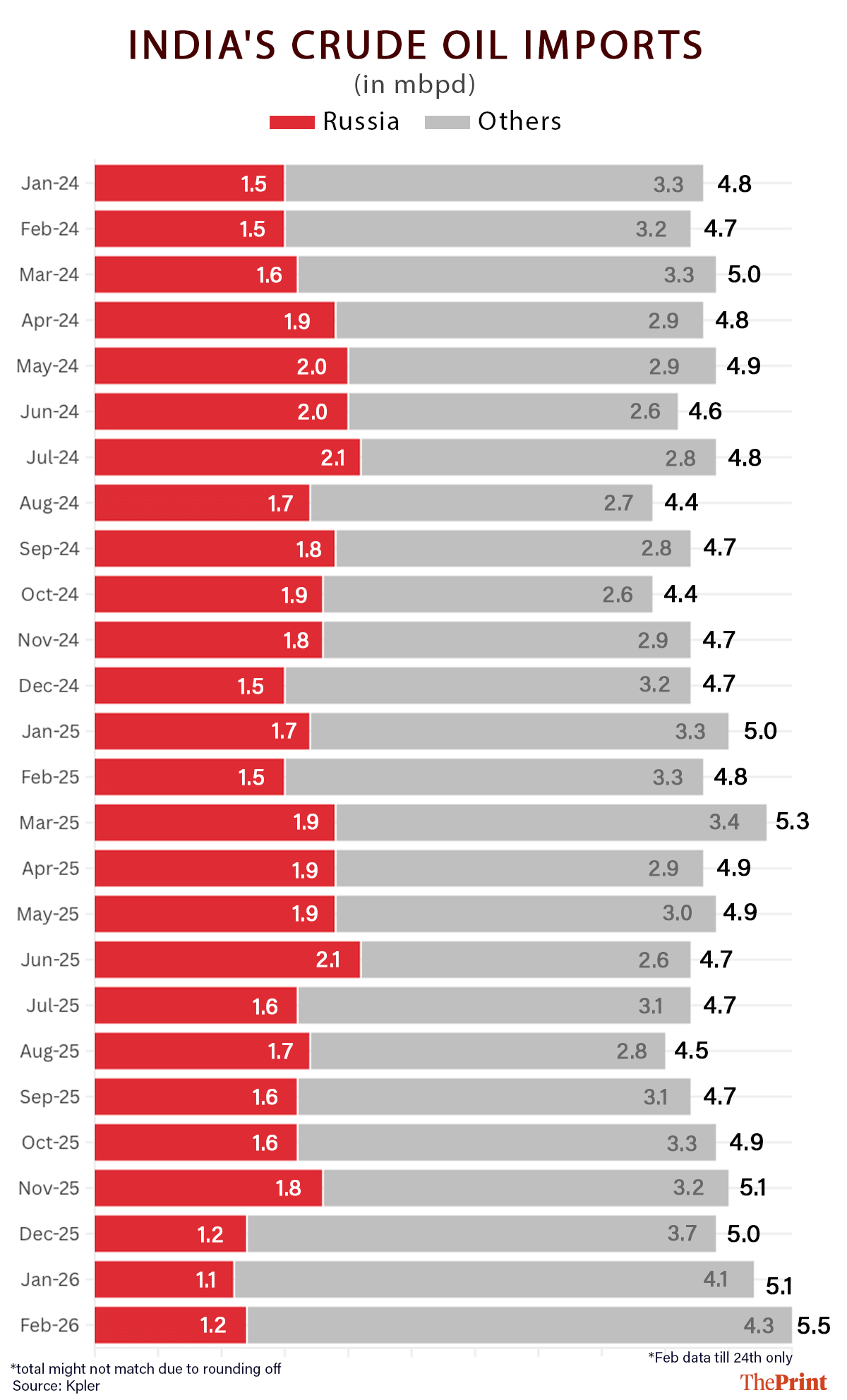
Now these imports from Iraq, Saudi Arabia and the UAE are the ones now affected due to the Hormuz blockade. Thus what we’re seeing, although this is just data for the first 10 days of February, is that Russian imports are now going up. And that’s also one of the reasons for the US 30-day waiver that’s been announced.
Shekhar Gupta: So from Russia now we are importing, according to your data, about 1.59 million barrels per day already. That’s 50 percent more than last month, and it looks like this will go up further quite rapidly.
Udit Bubna: Yeah, based on what the Kpler analyst has told me, it could go somewhere around 45-50 million barrels in the entire month.
Shekhar Gupta: What are the unfamiliar new sources of hydrocarbons that India has got? I see Guyana listed there. But Guyana has only now started pulling out crude oil, and that’s a small amount—only 138,000 in the month of January.
Udit Bubna: So what the data suggests is that Angola is one of the countries where we are seeing an uptick with regard to imports, especially in the month of March. Similarly, there is the Republic of Congo, where there has been an uptick with regard to imports. Certain South American countries like Colombia and Brazil, are some of the countries that India has been regularly importing oil from. So these could be some of the alternative sources India can look to.
Shekhar Gupta: What exactly did the government tell you they are doing to prevent LPG panic?
Udit Bubna: With regard to the LPG panic, what the government is suggesting is that they’re a bit concerned. That is what they have said today. And the concern lies with the fact that almost 90 percent of the imports, of the 60 percent that India imports, were coming through Hormuz. Now what steps they are taking, they are focusing more on household users, that is their main focus—cylinder users.
Shekhar Gupta: Because they have the most votes and they have the most voice.
Udit Bubna: Yeah, that’s what they’re doing. The other thing they have done is that yesterday they also allowed the usage of alternative fuels. Now that is more with regard to commercial users. They have relaxed the norms for usage of kerosene, coal and even biomass.
Shekhar Gupta: I feel like saying yuck because we thought we had gotten away from these. As an emergency thing it’s okay, but I hope it doesn’t become a habit again.
Udit Bubna: Yeah. So the government has specified that this is just a temporary measure. That is what the state pollution control boards have been informed, to allow people to use that to a certain extent. Even kerosene oil, the government has released around 48,000 kilolitres to the states for usage. And with regard to commercial cylinders, what the government has done is that they have given the discretion regarding commercial LPG cylinders to the states, that they have the discretion to give users cylinders based on their requirements. This is mainly for restaurants.
Shekhar Gupta: But the panic that we’re seeing, restaurants now saying I’m cutting down on my menu, I will only serve this much, there is a gas surcharge, where is that coming from? Are we in that kind of dire straits already?
Udit Bubna: So yesterday what the government said is that 20 percent of the monthly average commercial LPG requirement will be allocated by the OMCs in coordination with the states. So that’s why they’re slightly making it tighter for commercial LPG, because the focus is on domestic households. Now what they’re suggesting as an alternative is that at least for metro cities they have asked commercial users to shift to PNG—those who can. They can go to the nearby city gas distribution centres and apply for a PNG connection because that’s where there is ample supply and that’s where they can address this situation.
Shekhar Gupta: What’s your sense? Is the government worried on the LPG front? Today they said they are concerned. And if they’re concerned, how much is there panic and fear, or is there some calm assurance that we’ll be able to ride this out?
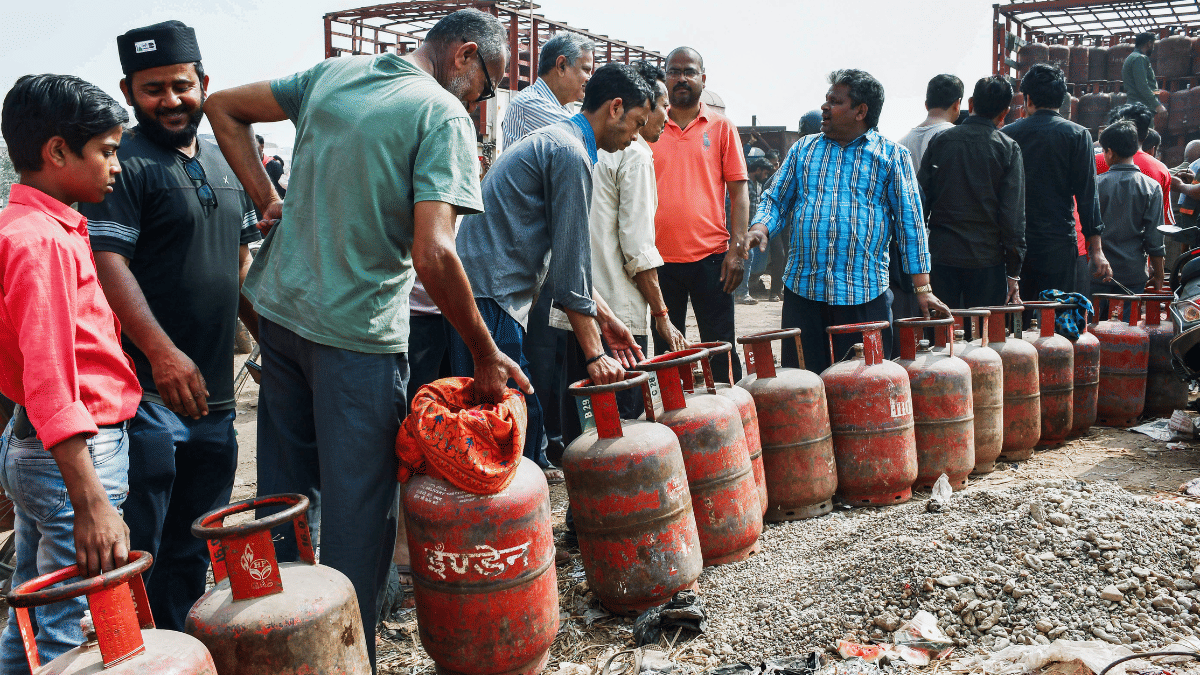
Udit Bubna: So the government is a bit concerned with regard to LPG, but they’re also assuring that there is no shortage of supply. What the government is saying to all the users is they should not get into panic booking mode. And that’s where the data suggests that about 55 lakh cylinders were being distributed on a daily basis. Now in the past two to three days that has shot up to 76 lakh. And the government is saying that pattern is unusual and that reflects panic buying.
The other thing the government is more concerned about is the illegal activities taking place with regard to cylinders, that there is black marketing and hoarding going on. So what the government is doing is coordinating with the states to curb these kinds of activities, catch the persons or culprits responsible and take action.
The other thing is that the government also has to address issues of commercial usage of LPG. The government has formed a three-member committee headed by the executive directors of IOCL, HPCL and BPCL to look into the specific concerns of restaurant associations or hotel associations. This committee was formed basically after these associations raised concerns earlier this week that there has been a shortage of LPG supplies. So that is when the government formed these committees.
Shekhar Gupta: They have also extended the period for booking a fresh cylinder, usually it was 21 days.
Udit Bubna: Yes. So for urban users what they’ve done is extend the LPG booking cycle from 21 days to 25 days. Whereas for rural users, earlier it was 25 days, now they’ve extended it to more than 45 days.
Shekhar Gupta: Does it help the consumer or does it make it tighter for the consumer to get refills?
Udit Bubna: So this will definitely make it tighter for the consumer to refill. And that is where, because of the extension, we are seeing an uptick in booking patterns as well.
Shekhar Gupta: So people are already making forward bookings.
Udit Bubna: Exactly.
Shekhar Gupta: Because you don’t know what will happen tomorrow. At the same time, panic also becomes a business. So I was reading a story by The New York Times on this panic over LPG shortage. And I found a very interesting example there. They quote a restaurant or an eatery, they don’t say which city, but it’s called Wok and Fork. And this restaurant, The New York Times noted, is saying that a customer can bring one cylinder of gas and get 50 plates of momos. Now if you think about it, it’s not a bad deal actually. It’s a straightforward trade because momos are not that expensive, particularly if it’s not a three-star, four-star or five-star restaurant. A cylinder of gas is about ₹1,000. So Rs 20 per plate of momos on bulk sale is not such a bad deal. What this does, however, is you can take it either with a sense of humour or this can end up feeding more panic as well.
Also Read: Why Strait of Hormuz is critical oil chokepoint & how Iran is weaponising it | Cut The Clutter